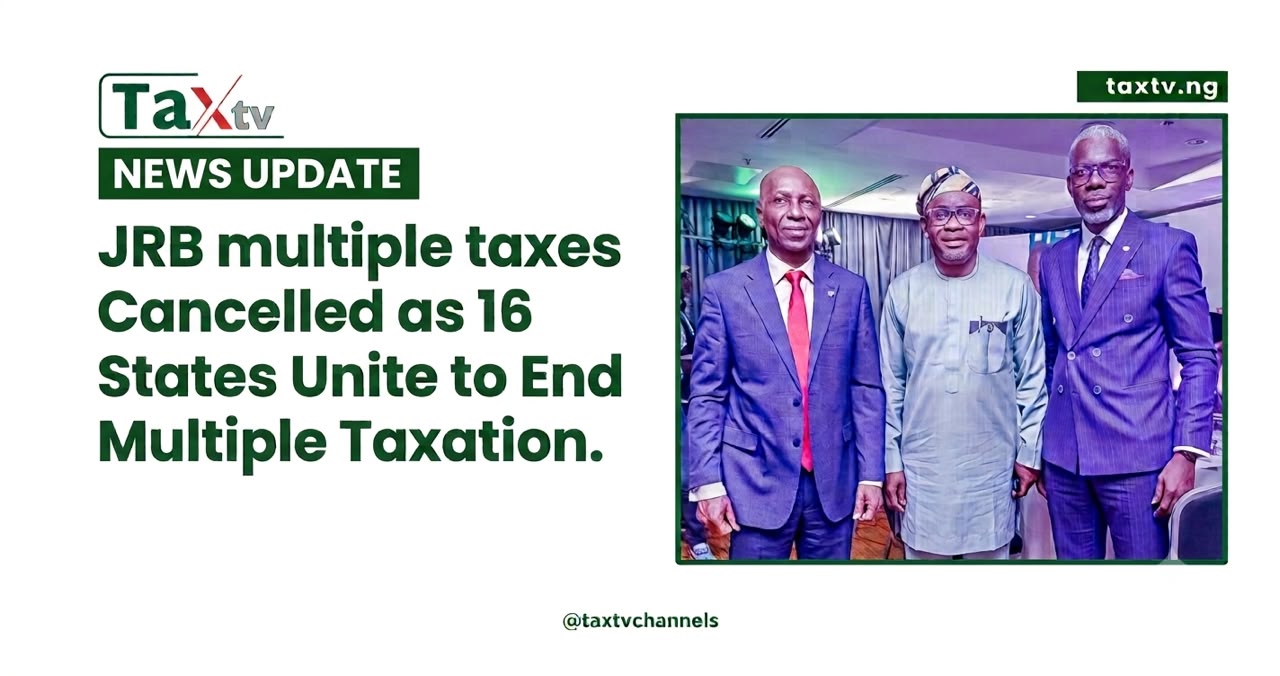
Sixteen states in Nigeria have formally adopted a harmonised tax framework as part of a coordinated effort to end the long-standing challenge of multiple taxation across the country.
The development signals a significant shift in subnational tax policy, where businesses and individuals have historically faced overlapping and duplicative levies imposed by different tiers of government and agencies within the same state.
Details of the specific states involved and the scope of the harmonised framework were not immediately available at the time of this report. However, the adoption of a unified tax structure is widely regarded as a critical step toward improving Nigeria's tax-to-GDP ratio and fostering a more business-friendly environment.
Multiple taxation has been identified repeatedly by economic stakeholders — including the Manufacturers Association of Nigeria, the Nigerian Association of Chambers of Commerce, Industry, Mines and Agriculture, and various small business groups — as one of the most significant barriers to investment and enterprise growth in the country.
The harmonisation effort is expected to consolidate various state-level taxes, levies, and charges into a more coherent and transparent system, reducing compliance costs for taxpayers while improving revenue collection efficiency for state governments.
Observers note that the adoption of a common tax framework across multiple states could also serve as a template for broader fiscal coordination among Nigeria's 36 states and the Federal Capital Territory, potentially laying the groundwork for a more integrated national tax architecture.
The development comes amid ongoing national conversations around comprehensive tax reform, including proposals to streamline Nigeria's numerous taxes and modernise the country's tax administration systems.