Nigerian Tax News & Updates
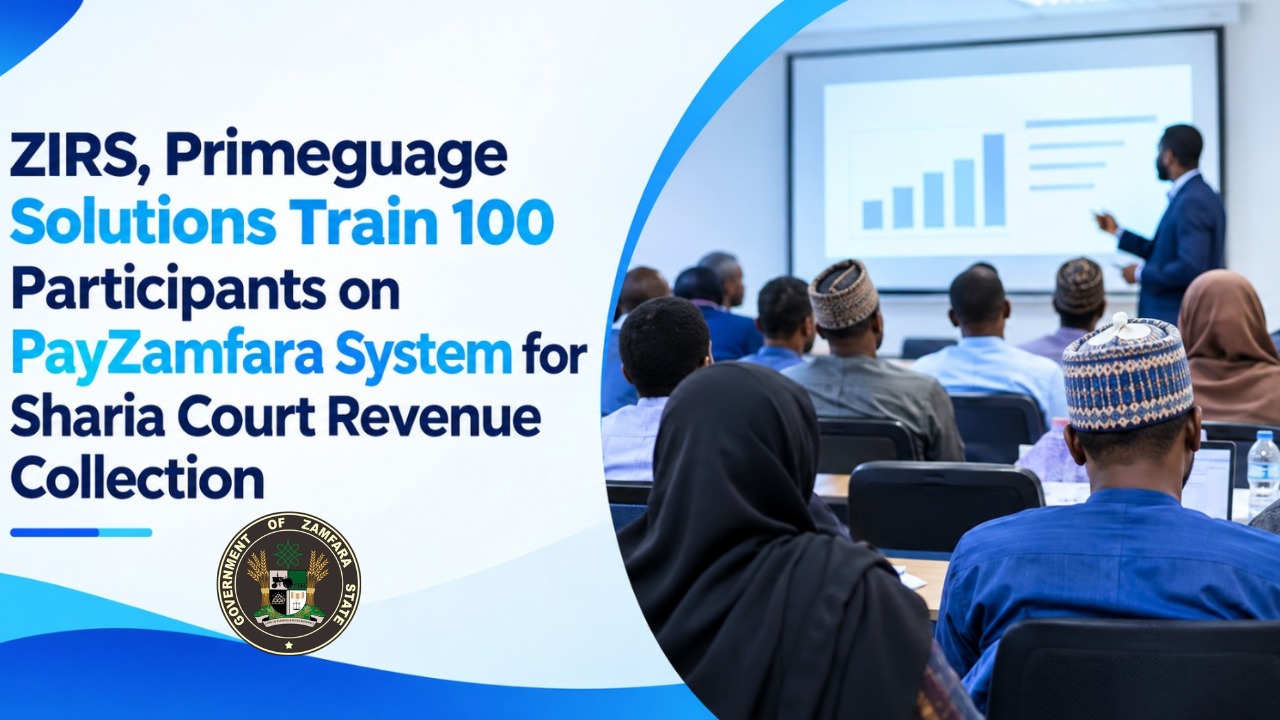
ZIRS, Primeguage Train 100 Sharia Court Officials on PayZamfara Billing System
The Zamfara State Internal Revenue Service and Primeguage Solutions have trained about 100 participants on the PayZamfara Intelligent Billing System following the integration of Sharia court revenue collection into the platform. The exercise covered digital billing and collection processes for court-related revenue transactions.
Zamfara IRS, Primeguage Train 100 Officials on PayZamfara Billing System
Primeguage Solutions and the Zamfara State Internal Revenue Service have trained approximately 100 Sharia court officials on the PayZamfara Intelligent Billing System. The programme followed the platform's expansion into Sharia court revenue collection and covered digital billing, payment processing, and revenue administration.
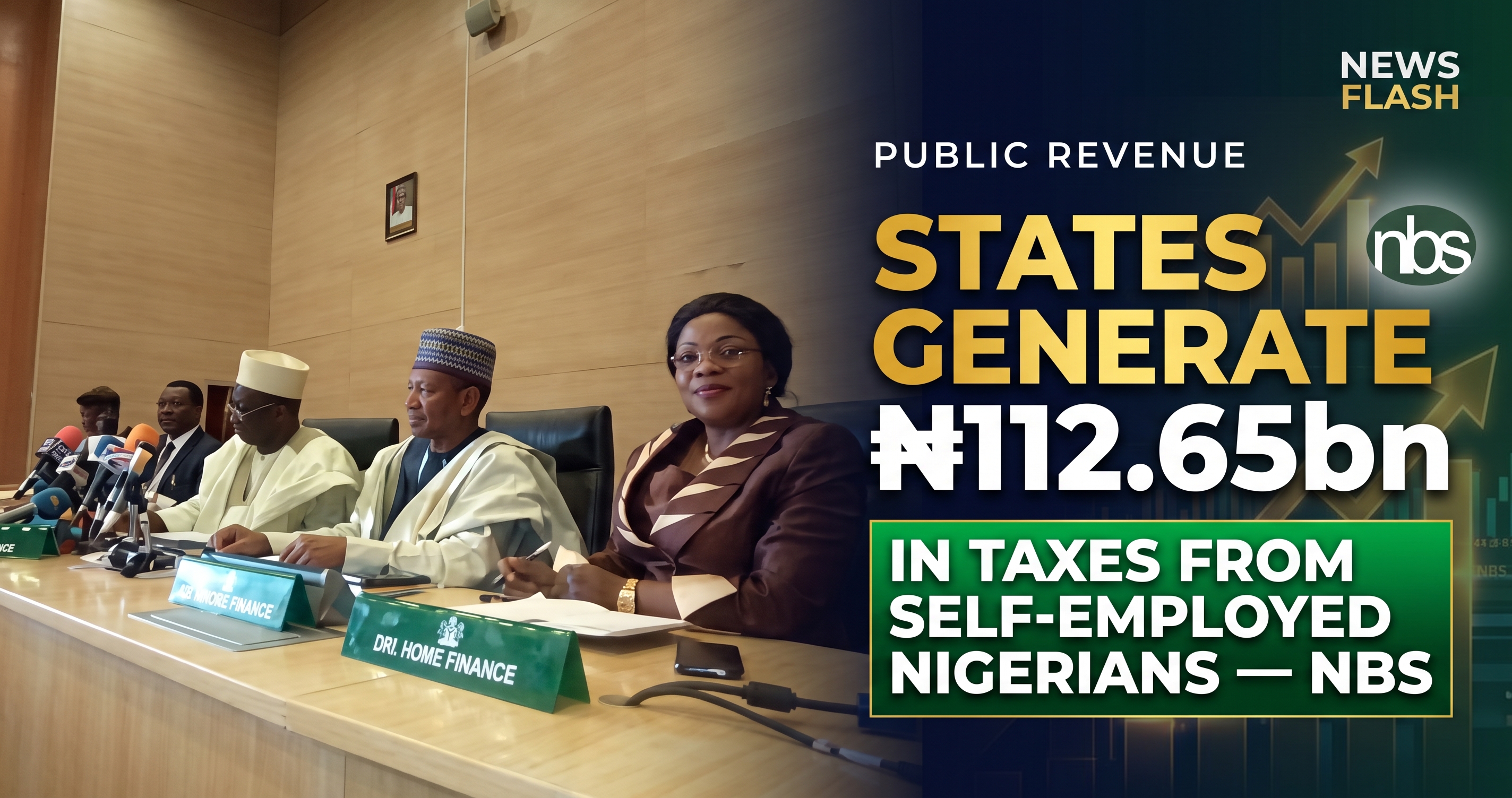
States Collect ₦112.65bn Direct Assessment Tax from Self-Employed in 2025
Nigeria's 36 states and the FCT raised ₦112.65 billion in direct assessment taxes from self-employed individuals and informal businesses in 2025, a 29.4% rise from 2024. Lagos accounted for 64.3% of the total, while PAYE remained the dominant state tax source at ₦2.64 trillion.
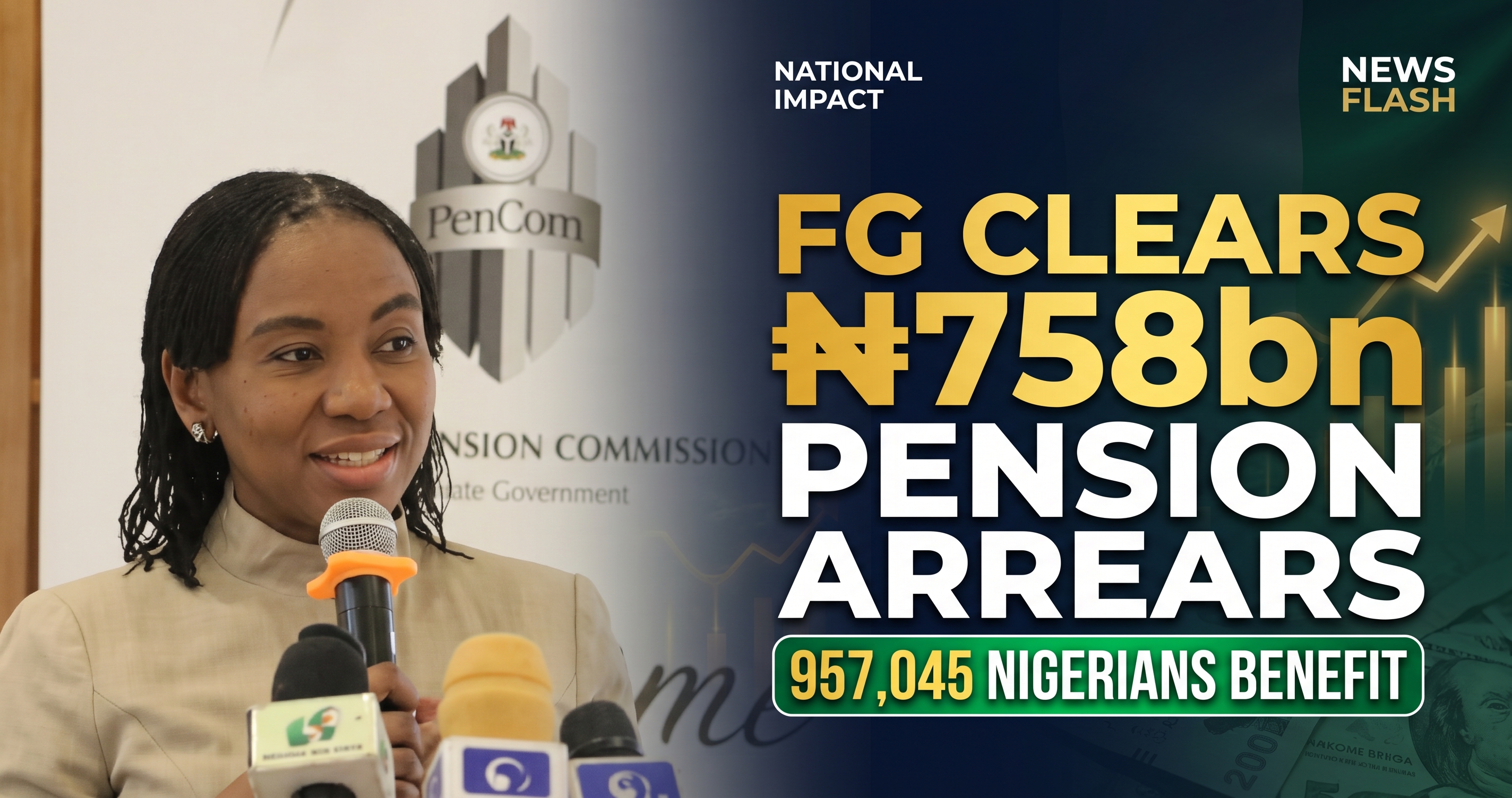
FG Clears ₦758bn Pension Arrears for 957,045 Beneficiaries
The Federal Government has cleared inherited pension liabilities dating back to 2007 through a ₦758bn intervention bond, reaching 957,045 pensioners and beneficiaries. PenCom also credited accrued pension rights for federal employees retiring up to December 2029 and introduced a Zero Waiting Time Policy.

Oil marketers seek 60-day petrol discount extension and inclusion in scheme
Independent petroleum marketers have asked the Federal Government to widen and extend its 30-day petrol discount at NNPC retail outlets. IPMAN and other operators argue that NNPC's limited retail coverage could blunt consumer benefits and want independent marketers included. Finance Minister Taiwo Oyedele has clarified that the scheme is funded by NNPC retail margins, not the federal budget.
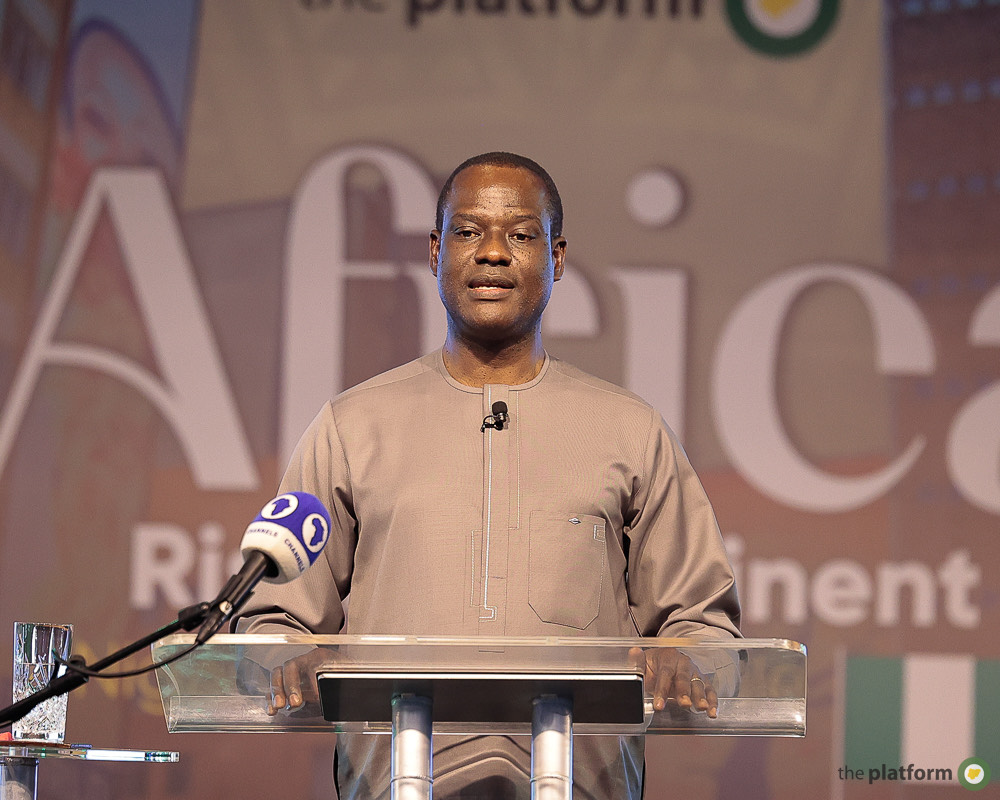
Single-digit inflation could save Nigeria over $10 billion, says Taiwo Oyedele
Finance Minister Taiwo Oyedele says bringing inflation to single digits could save the fiscal side more than $10 billion based on 2026 figures. He called for closer monetary and fiscal coordination as the CBN moves toward inflation targeting, while noting improved naira stability.
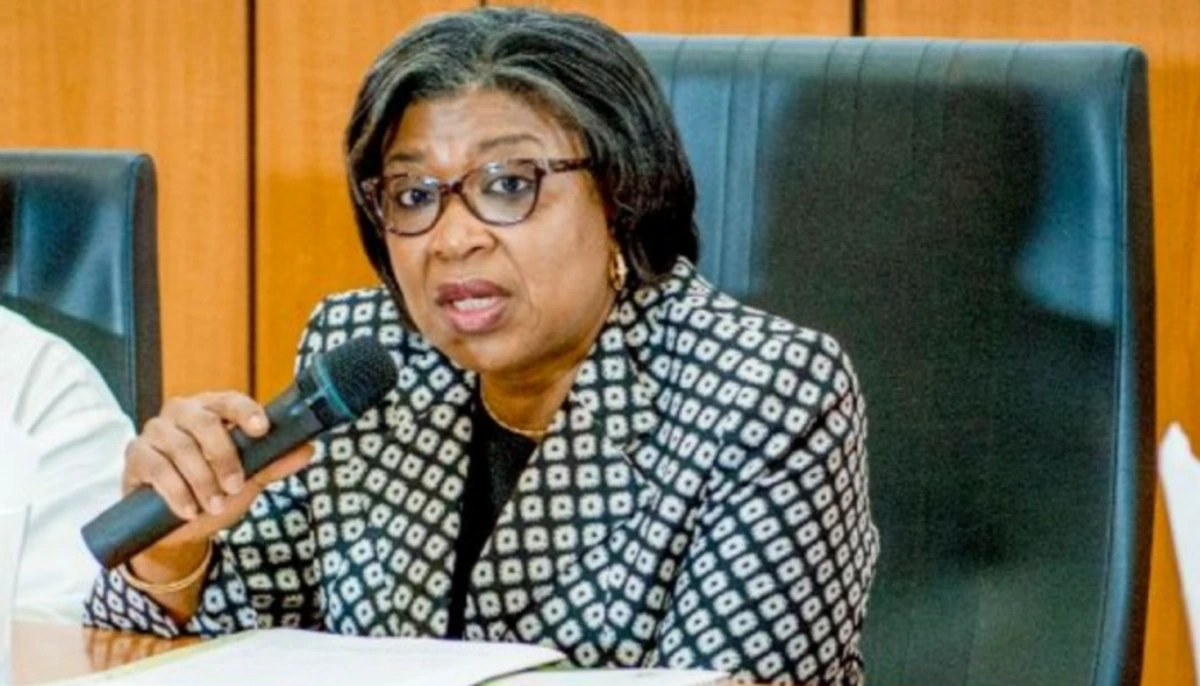
DMO unveils N5.75 trillion FGN bond issuance plan for Q4 2026
The Debt Management Office has scheduled N5.75 trillion in Federal Government of Nigeria bond offers across three auctions in the fourth quarter of 2026. The plan follows a 106% rise in FGN bond allotments to N7.15 trillion in the first nine months of 2026, against N3.48 trillion in the same period of 2025.
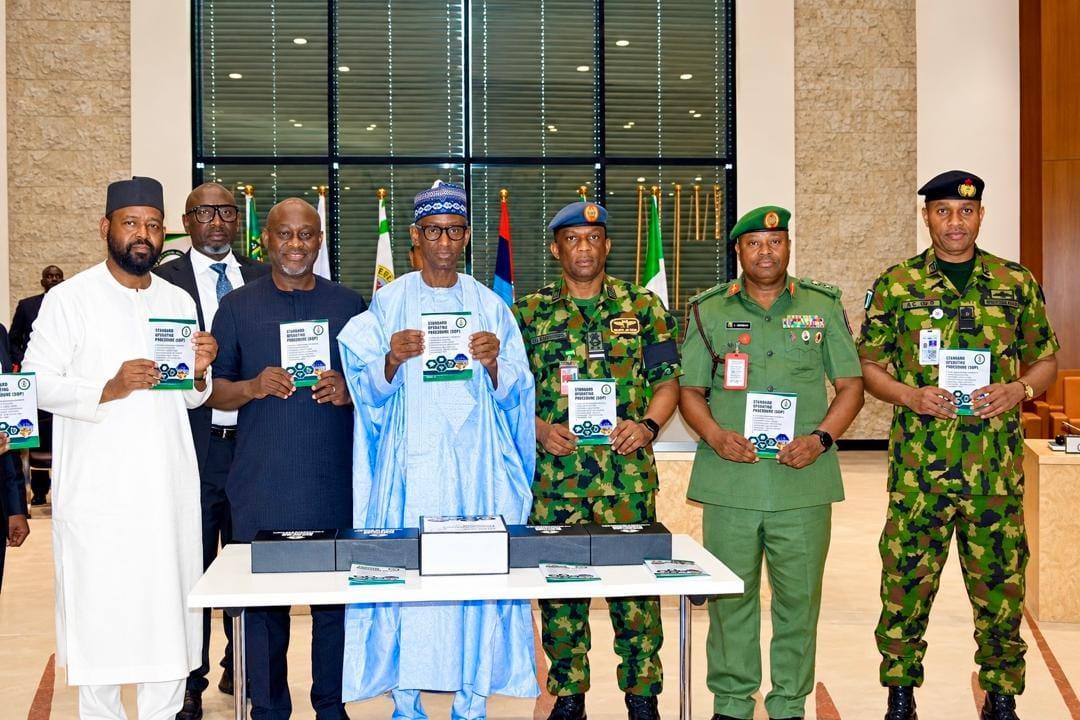
Ribadu unveils oil industry security framework to protect output and government revenue
National Security Adviser Nuhu Ribadu has introduced a new Standard Operating Procedure for Nigeria's oil and gas security architecture to curb crude oil theft and pipeline vandalism. The framework is designed to strengthen coordination among security agencies, NNPC, regulators and private surveillance contractors. It comes as OPEC data shows crude output holding above 1.5 million barrels per day for a third straight month in July 2026.
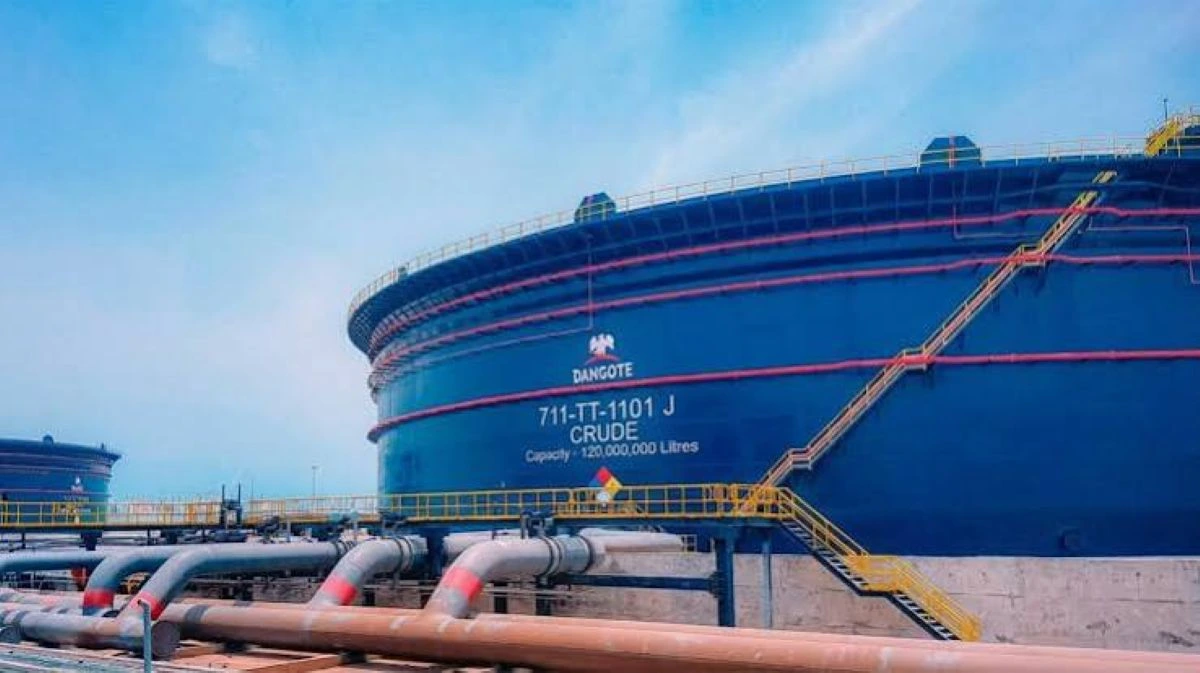
Dangote Refinery Seeks Appeal Court Leave to Challenge Fuel Import Licence Ruling
Dangote Petroleum Refinery and Petrochemicals FZE has asked the Court of Appeal in Abuja for permission to appeal a Federal High Court decision directing the NMDPRA to keep issuing fuel import licences to Matrix Energy, AA Rano, and AYM Shafa. The refinery filed the motion on October 6, 2026, arguing it should be allowed to challenge the ruling as an interested party. The case adds another layer to the ongoing dispute over Nigeria's petrol import and local refining landscape.
NNPC reports N28.54 trillion revenue and N9.49 trillion remittances in eight months
NNPC Limited generated N28.54 trillion in revenue and N2.99 trillion in profit after tax between January and August 2026, with monthly results fluctuating sharply. The state-owned energy firm also remitted N9.487 trillion to government accounts over the period amid volatile crude oil prices. Revenue peaked in April at N4.97 trillion, while profit after tax reached its highest level of N535 billion in June.

Lagos Gaming Regulator Orders Telecoms, VAS Platforms to Verify Licences and Remit Taxes
The Lagos State Lotteries and Gaming Authority has directed telecom operators and VAS platforms to verify the licensing and tax status of gaming operators and remit arrears due from 22 November 2024. The notice clarifies that NCC approvals do not authorise gaming activities and gives intermediaries 30 days to comply. Non-compliance will trigger enforcement under the Lagos State Lotteries and Gaming Authority Law 2021.
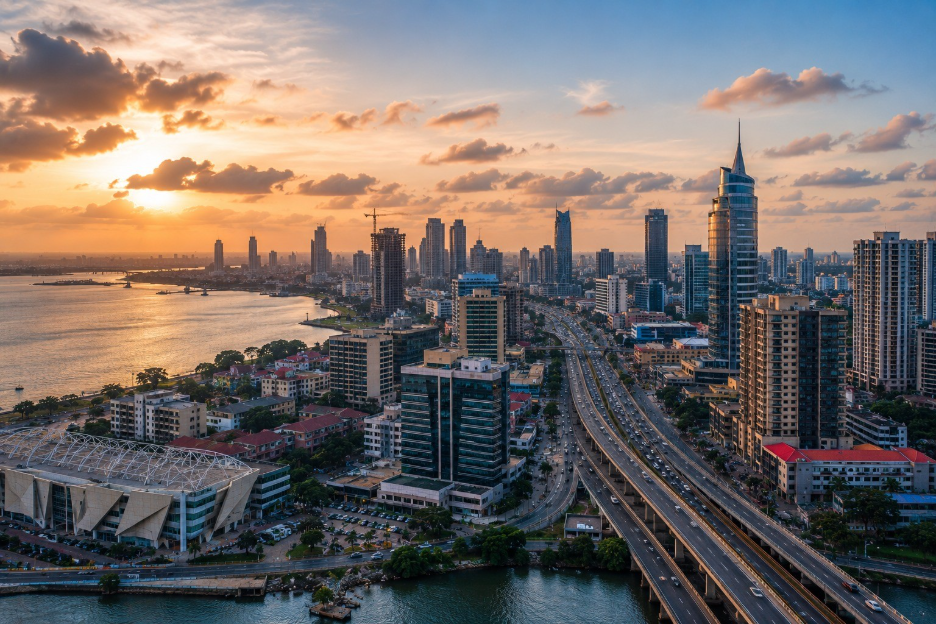
Nigeria's Purchasing Power Eroded by Naira Depreciation, Inflation Over a Decade
A Comercio Partners report covering 2016–2026 shows the naira lost nearly 90% of its dollar value between 2015 and 2024 while headline inflation peaked at 34.8%. Wage growth lagged behind cumulative living-cost increases, and fixed-income investors recorded negative real returns. The report links lingering stabilisation risks to fiscal constraints and calls for productivity-led growth.
World Bank: Debt interest exceeds health, education budgets in 80% of African countries
The World Bank's October 2026 Africa Economic Update shows debt-servicing costs now exceed health and/or education spending in nearly four-fifths of sub-Saharan African countries. Nigeria's experience mirrors the trend, with about N16 trillion spent on debt service in 2025.
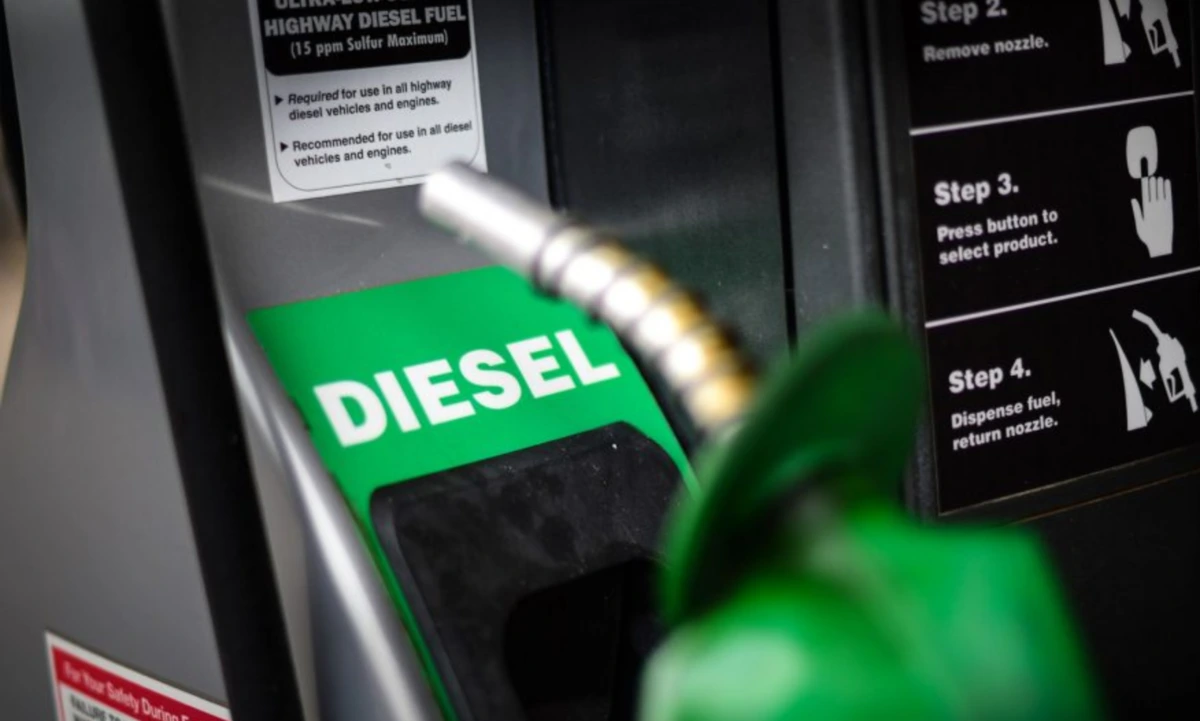
UNCTAD: Nigeria Records World's Highest Diesel Price Increase at 82.7%
Nigeria recorded the world's largest diesel price increase of 82.7% between February and August 2026, according to UNCTAD, while petrol prices rose 48.1%. The report warns that higher refined fuel costs could offset gains from elevated crude export earnings. Domestic data also show falling petrol imports and a sharply lower import bill.
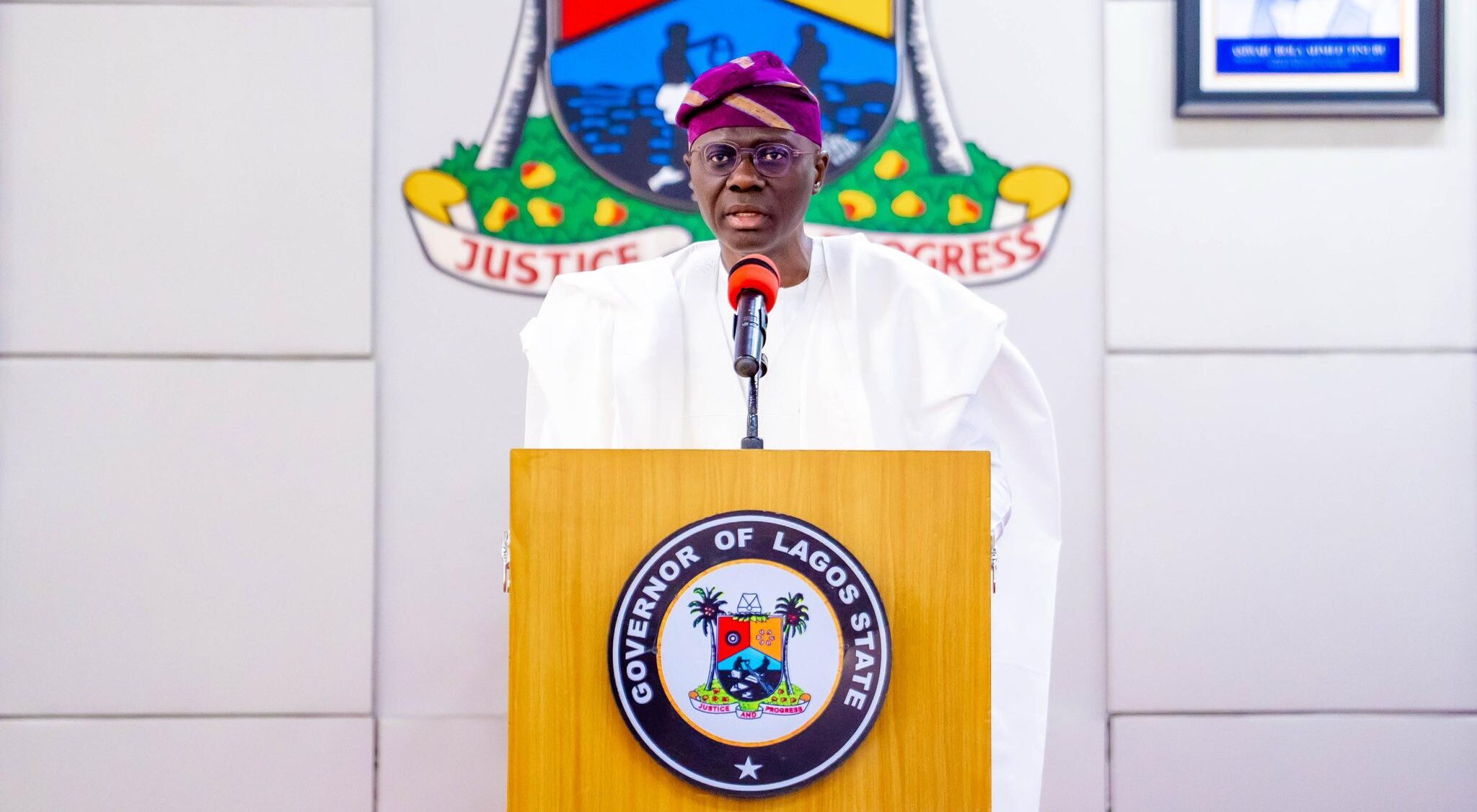
Lagos State opens N200bn 10-year bond offer with 16.50%–16.75% coupon guidance
The Lagos State Government has launched its Series 5 Fixed Rate Bond to raise up to N200 billion under its N1 trillion issuance programme. The 10-year instrument carries indicative coupon guidance of 16.50%–16.75% and will fund rail, health, and road projects. The offer runs from October 9 to October 16, 2026.
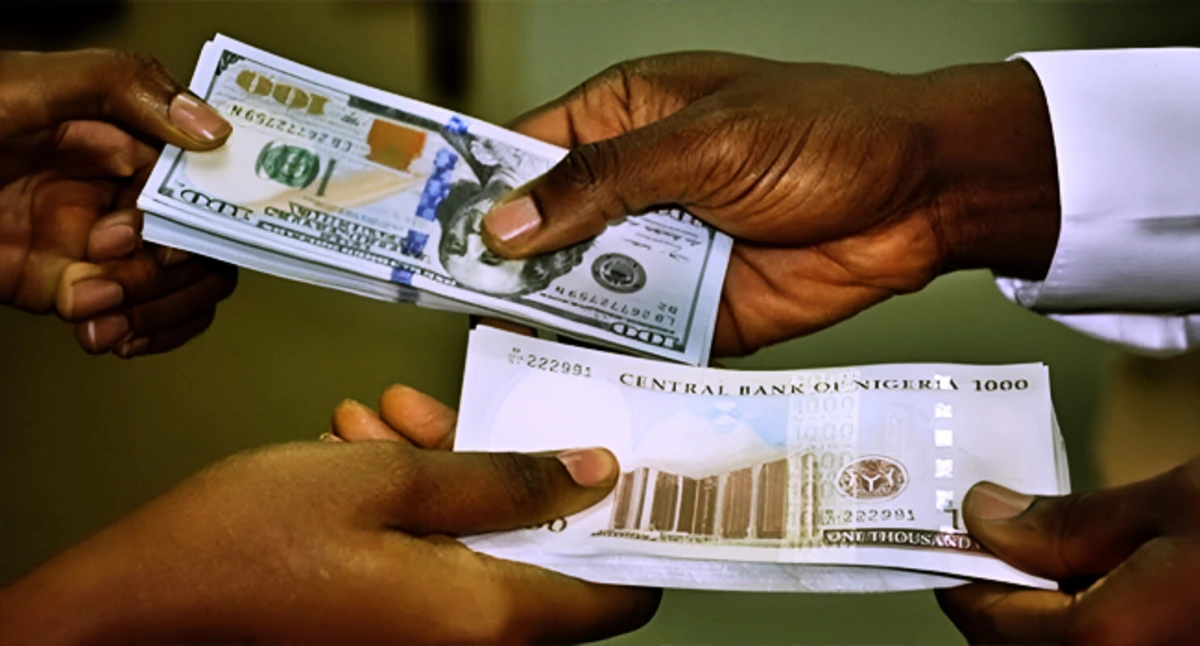
Naira projected to strengthen below N1,300/$ on strong FX supply and CBN support
Analysts see the naira trading stable to bullish within a six-month corridor of N1,250/$ to N1,350/$, backed by Central Bank of Nigeria interventions and market confidence. Gross external reserves stand at $55 billion while the Monetary Policy Rate has been cut to 23.0%.
Zenith Bank H1 2026 pre-tax profit rises 1.9% to N637.6 billion
Zenith Bank reported a 1.9% rise in half-year pre-tax profit to N637.6 billion, supported by lower funding costs and improved asset quality. The Nigerian Tax Act 2025 pushed tax expense higher, reducing profit after tax to N430.76 billion. An interim dividend of N1.50 per share, up 20%, will be paid on October 30, 2026.
NBET launches N729 billion debt settlement for power generation companies and gas suppliers
The Nigerian Bulk Electricity Trading Plc has begun clearing N729 billion in arrears owed to generation companies and gas suppliers following the issuance of Series 2 bonds under the Federal Government's N4 trillion power sector programme. The settlement combines N402 billion in cash bonds with N326.979 billion in non-cash bonds. Officials say the move should improve liquidity and investor confidence across the electricity value chain.
Dangote Group sees naira at N1,330/$ by year-end, 2026 average of N1,385/$
Dangote Group's H1 2026 Economic Report projects the naira at N1,330 per dollar by the fourth quarter, with a full-year average of about N1,385/$. The outlook is supported by record foreign reserves, portfolio inflows and lower fuel import requirements, alongside 2026 growth scenarios of 3.9% to 4.4%.
Dangote Refinery Delivers 50 Million Litres of Petrol Daily in H1 2026
Dangote Refinery supplied about 50 million litres of petrol daily to Nigeria's domestic market in the first half of 2026, helping to cut petrol imports and the import bill. The facility also became Europe's largest single jet fuel supplier in June and July. Capacity utilisation rose to between 98 and 101 percent, with a $17 billion refinery planned in Kenya.
Petrol discount funded by NNPC Retail margins, not budget — Finance Minister
The Federal Government has clarified that the 30-day petrol discount at NNPC Retail stations is funded entirely by the retailer's margins rather than the federal budget or Federation Account. Finance Minister Taiwo Oyedele said the arrangement remains market-reflective and differs from a fuel subsidy.
Government debt accounts for 80% of NGX new and supplementary listings
Federal and state government securities reached about N11.08 trillion, or 80%, of the N13.86 trillion in new and supplementary listings recorded on the Nigerian Exchange in the first nine months of 2026. Federal Government instruments alone accounted for roughly N10.535 trillion, according to the NGX RegCo X-Compliance Report. The trend reflects heavy domestic borrowing as the fiscal deficit widens.
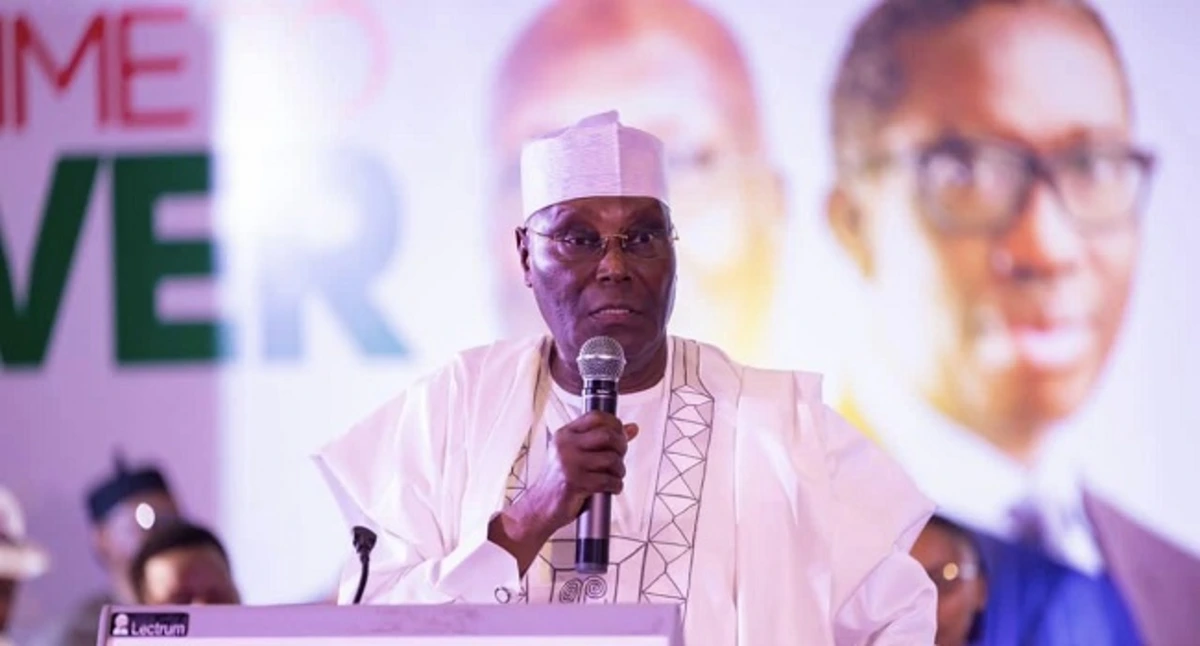
Atiku rejects FG's 30-day NNPC petrol discount, calls for lasting relief
Former Vice President Atiku Abubakar has dismissed the Federal Government's 30-day petrol discount at NNPC stations as temporary and inadequate. He argues the measure offers no lasting relief from high fuel, transport and food costs and renews his call for budgeted production support tied to locally refined petrol. Finance Minister Taiwo Oyedele defends the margin discount and warns against returning to blanket subsidy.
FG announces 30-day NNPC petrol discount and N1,350 price ceiling
The Federal Government has introduced a 30-day discount window on NNPC Limited petrol sales, prioritising public transporters, alongside forward crude sales to domestic refineries. Finance Minister Taiwo Oyedele also outlined a N1,350 per litre price ceiling intended to curb fuel price volatility. The measures follow pump prices rising above N1,400 per litre in major cities.
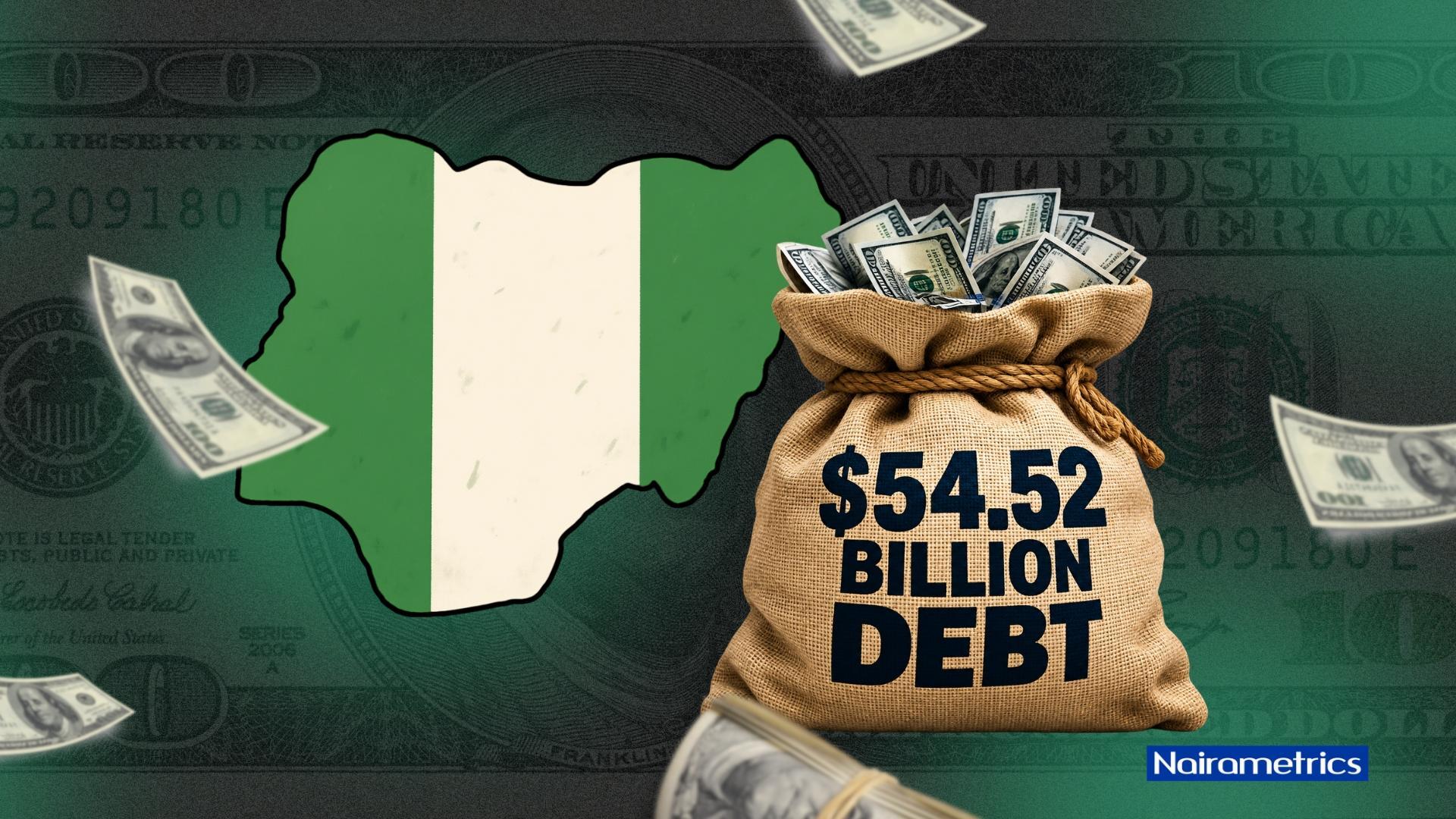
Nigeria's external debt rises to $54.52bn as top 10 creditors hold 97.32%
Nigeria's external debt climbed to $54.52 billion by June 30, 2026, up $2.62 billion quarter-on-quarter, according to Debt Management Office data. The top 10 creditors hold 97.32 percent of the stock, led by the World Bank's IDA at 35.07 percent and Eurobond investors at 34.02 percent. The concentration underscores the government's reliance on multilateral and market-based funding amid persistent fiscal pressures.
DMO allots N968.47bn as one-year Treasury bill stop rate falls to 15.85%
The Debt Management Office raised N968.47 billion at its October 7, 2026 Treasury bill auction, above the N900 billion offer, as the 364-day stop rate declined to 15.85%. Demand was concentrated in the one-year bill, which drew N1.683 trillion in bids, while the 91-day and 182-day tenors remained heavily undersubscribed. The auction occurred amid continued central bank liquidity withdrawals.
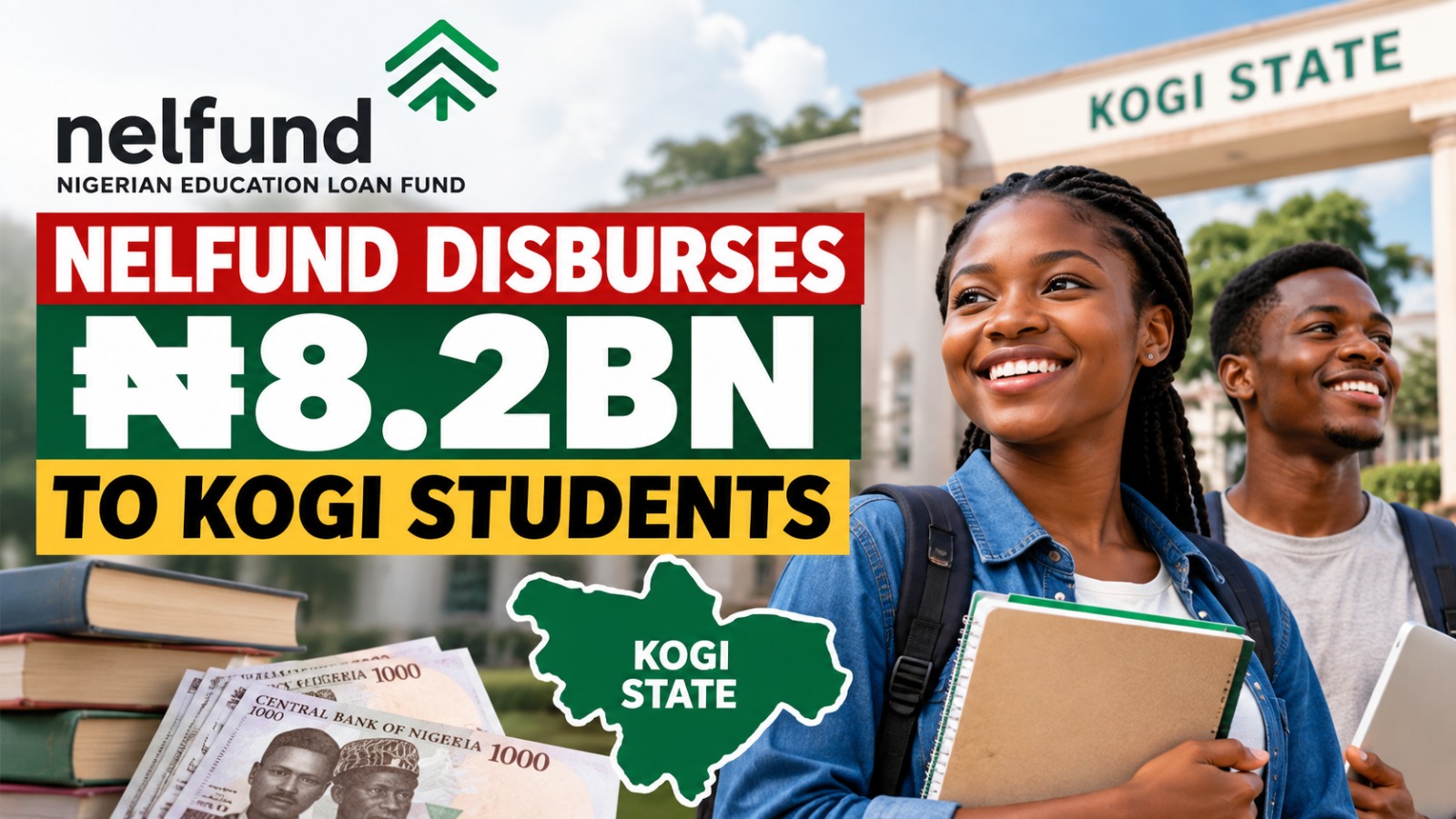
NELFUND Disburses ₦8.2 Billion to Students in Eight Kogi Tertiary Institutions
The Nigerian Education Loan Fund has released ₦8.205 billion to students across eight tertiary institutions in Kogi State under the Federal Government's student loan programme. Federal University Lokoja received the largest allocation of ₦3.577 billion, with the funds split between institutional fees and upkeep support.
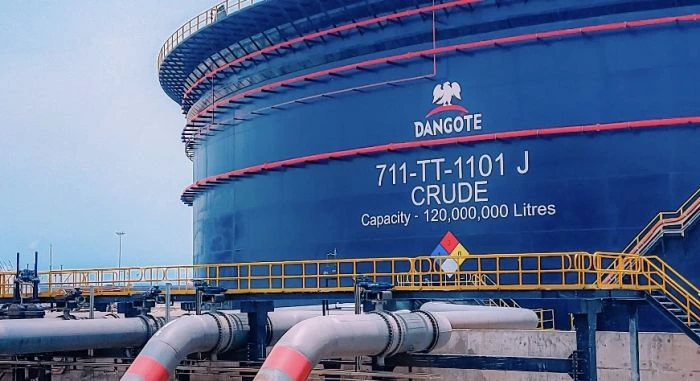
Dangote Refinery allocates nearly 20% of $1.6 billion IPO to East African investors
Dangote Petroleum Refinery & Petrochemicals FZE is opening a regional tranche of its initial public offering to East African investors, targeting up to $300.4 million. The offer follows regulatory clearance in Kenya and Uganda and could represent almost 20% of the refinery's broader $1.6 billion IPO.
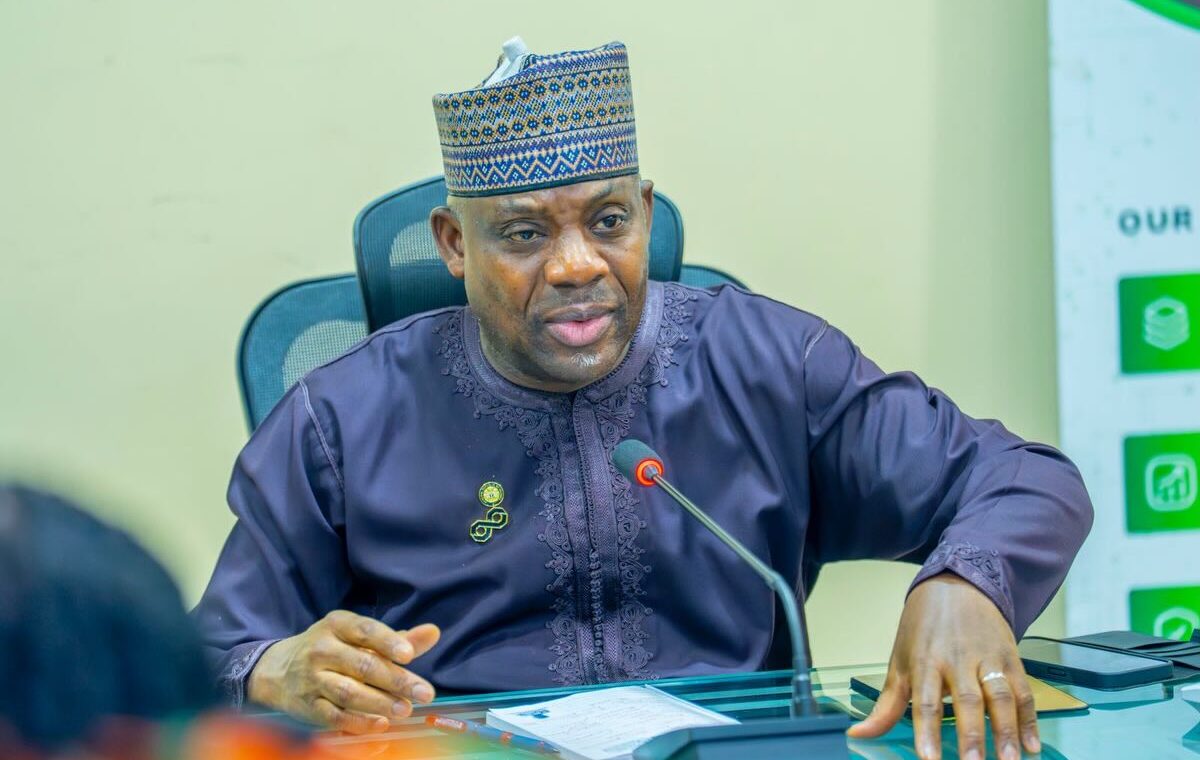
Federal Government releases eight months' salary arrears to SSANU, averts looming strike
The Federal Government has released eight months of salary arrears owed to members of the Senior Staff Association of Nigerian Universities (SSANU), averting an impending strike. SSANU President Mohammed Ibrahim confirmed the payment in Abuja after the union's 14-day ultimatum. Two months' salaries withheld during the 2022 industrial action and other outstanding arrears remain unpaid.
Global oil buffer shrinks after 1 billion barrels withdrawn amid supply risks
Saudi Aramco CEO Amin Nasser says more than 1 billion barrels have been released from commercial inventories since the Middle East crisis began, leaving less than 6 billion barrels available and much of it not readily marketable. With global demand near 102 million barrels per day, the G7's planned 100 million-barrel release covers less than a day of consumption, while refined-product shipments remain weak. Brent has risen above $100 per barrel, and the UNDP warns global fossil-fuel subsidies could exceed $1 trillion in 2026.
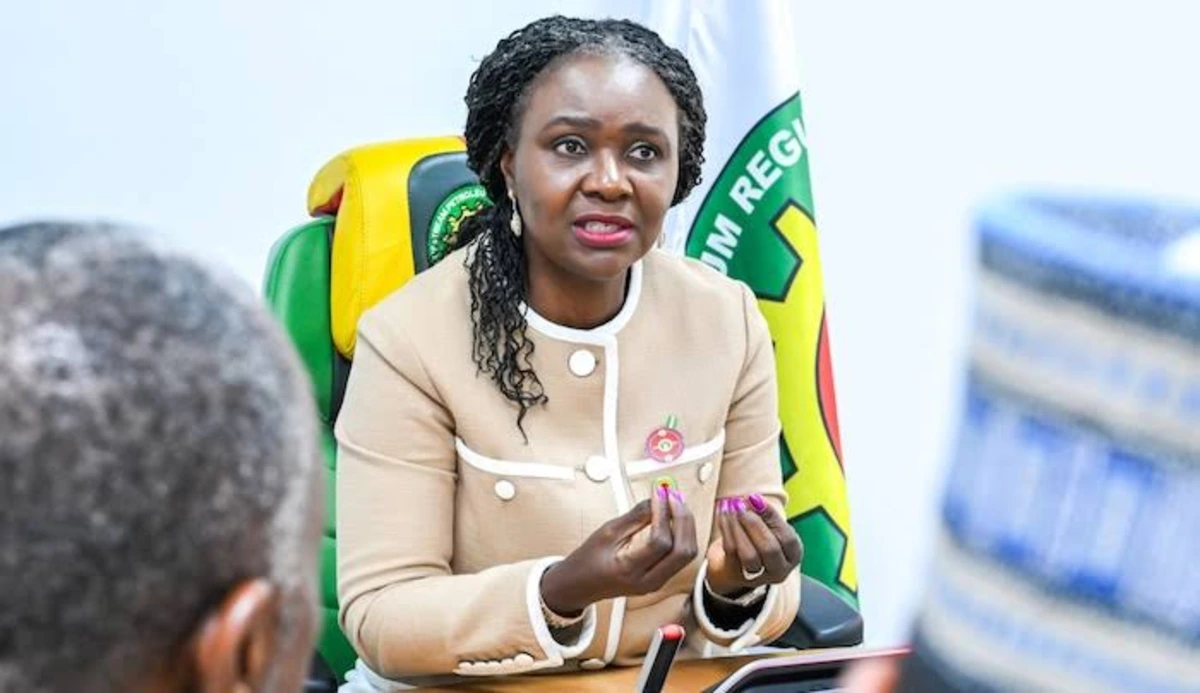
Nigeria launches 2026 oil licensing round with 40 blocks for investors
Nigeria has opened its 2026 oil and gas licensing round, offering 40 blocks across land, shallow water and deepwater terrains to local and foreign investors. The NUPRC says the exercise, approved by President Bola Tinubu, will include beneficial-ownership disclosure and publication of full bid evaluation results. The move is part of efforts to attract upstream capital amid intensifying global competition.
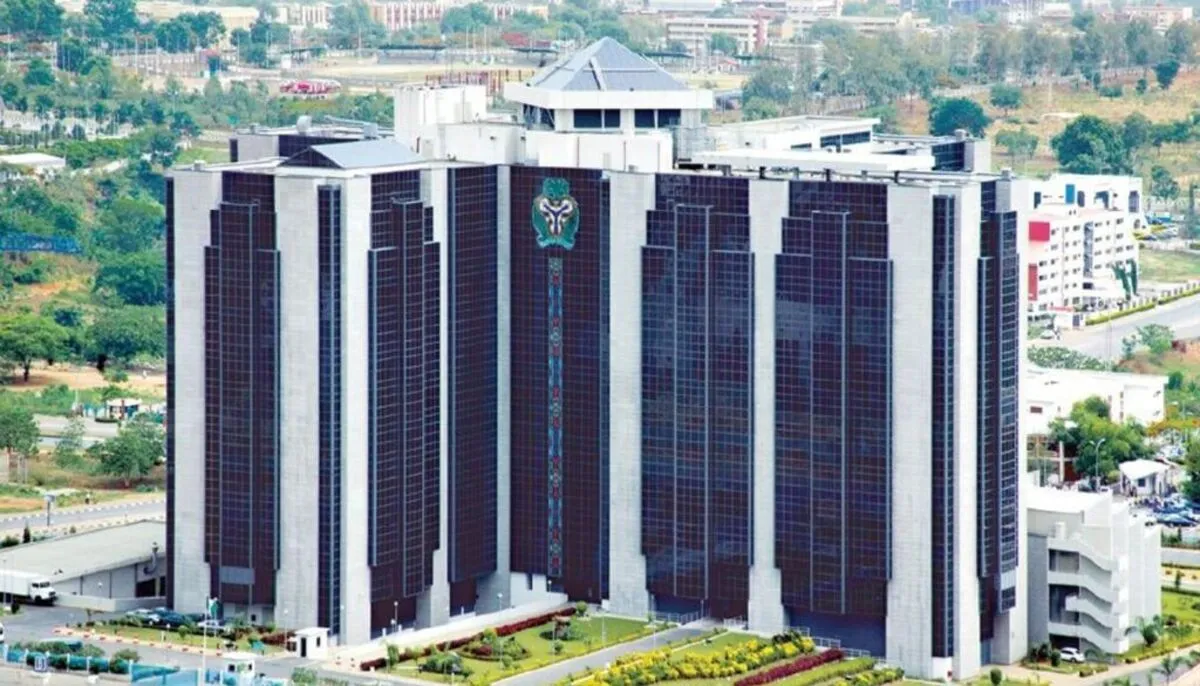
CBN to offer N900 billion in Treasury Bills at first Q4 2026 auction
The Central Bank of Nigeria will offer N900 billion in Nigerian Treasury Bills on October 7, 2026, on behalf of the Debt Management Office, with N700 billion in one-year paper. The auction is the first of the fourth quarter and follows a steady decline in stop rates after the Monetary Policy Committee cut the benchmark rate to 23.00%.
AI Engine Aims to Expose Nigeria's Unregistered Miners and Strengthen Revenue Oversight
TechCabal reports on an artificial intelligence platform designed to identify mining operations that fall outside official records in Nigeria. The tool could help regulators and revenue authorities detect unlicensed activity and recover unpaid royalties and other statutory payments.
WAEMU free-transfer rule may push up cash withdrawal charges
A report by TechCabal indicates that the West African Economic and Monetary Union's free-transfer rule could raise the cost of cash withdrawals. The full article body was not provided with the request, so a complete rewrite could not be produced without risking factual errors.

PI-CNG chairman urges mandatory CNG switch for commercial vehicles
The Chairman of the Presidential Initiative on CNG and Electric Vehicles, Ismael Ahmed, has proposed making it compulsory for commercial vehicles to move away from petrol and diesel. He cited Nigeria's 200 trillion cubic feet of gas reserves and the need to expand an alternative-fuel programme that is already supported by refuelling infrastructure and investment.
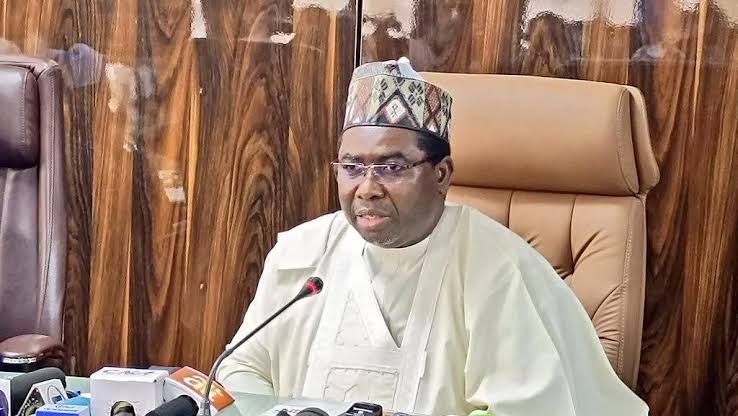
INEC exits civil service pay structure, says staff are Nigeria's least-paid
The Independent National Electoral Commission has moved its workers off the civil service salary structure and adopted a separate pay arrangement, describing its staff as the least-paid in Nigeria. Chairman Prof. Joash Amupitan announced the change at a World Press Conference in Abuja ahead of the 2027 general elections, for which INEC has budgeted N873.78 billion.
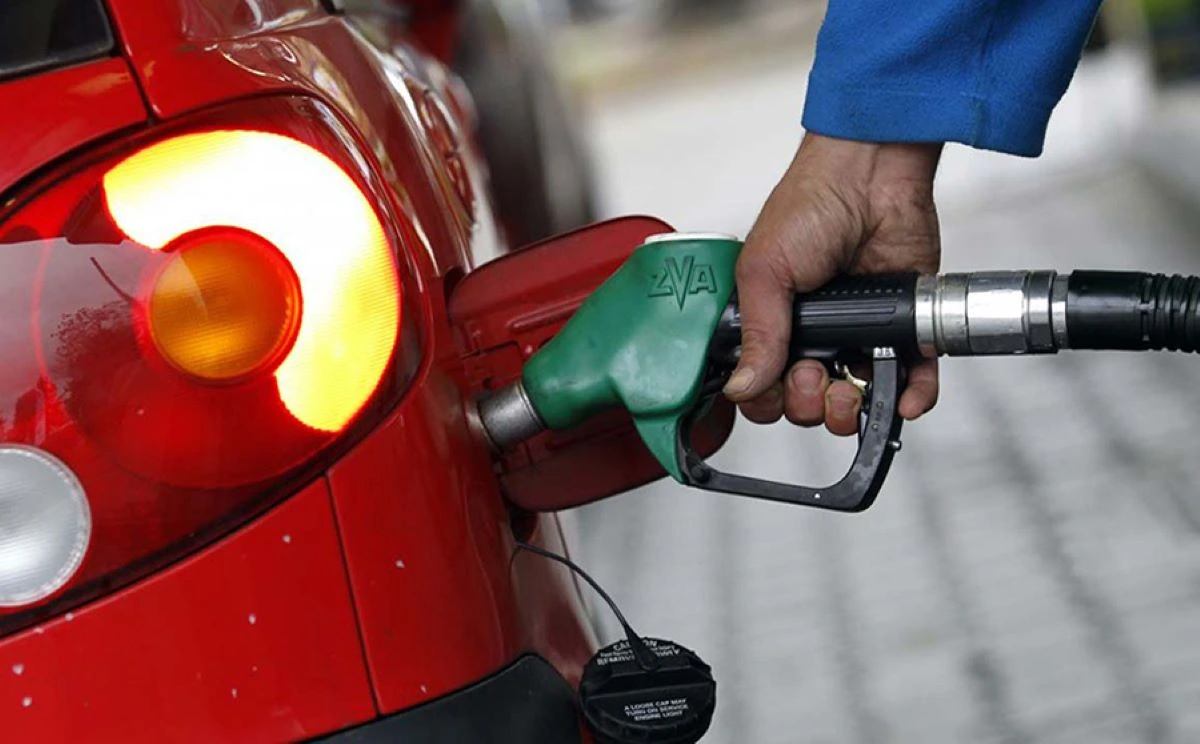
Malawi tops Africa's costliest petrol markets in September amid subsidy and tax gaps
Malawi recorded the highest retail petrol price in Africa at $3.240 per litre in September, followed by Zimbabwe and Sierra Leone, according to Global Petrol Prices data. Subsidies, VAT changes and import dependence widened price gaps across the continent, while Nigeria remained among the cheaper markets at $0.997 per litre.

India investigates Niger soybean shipments over suspected Nigerian origin mislabelling
Indian customs authorities are probing a surge in soybean imports declared as originating in Niger, suspecting some cargoes may have been relabelled from Nigeria to avoid a 45 percent import tariff. The development comes as Nigeria's agricultural trade swung from a surplus to a deficit in the first half of 2026.
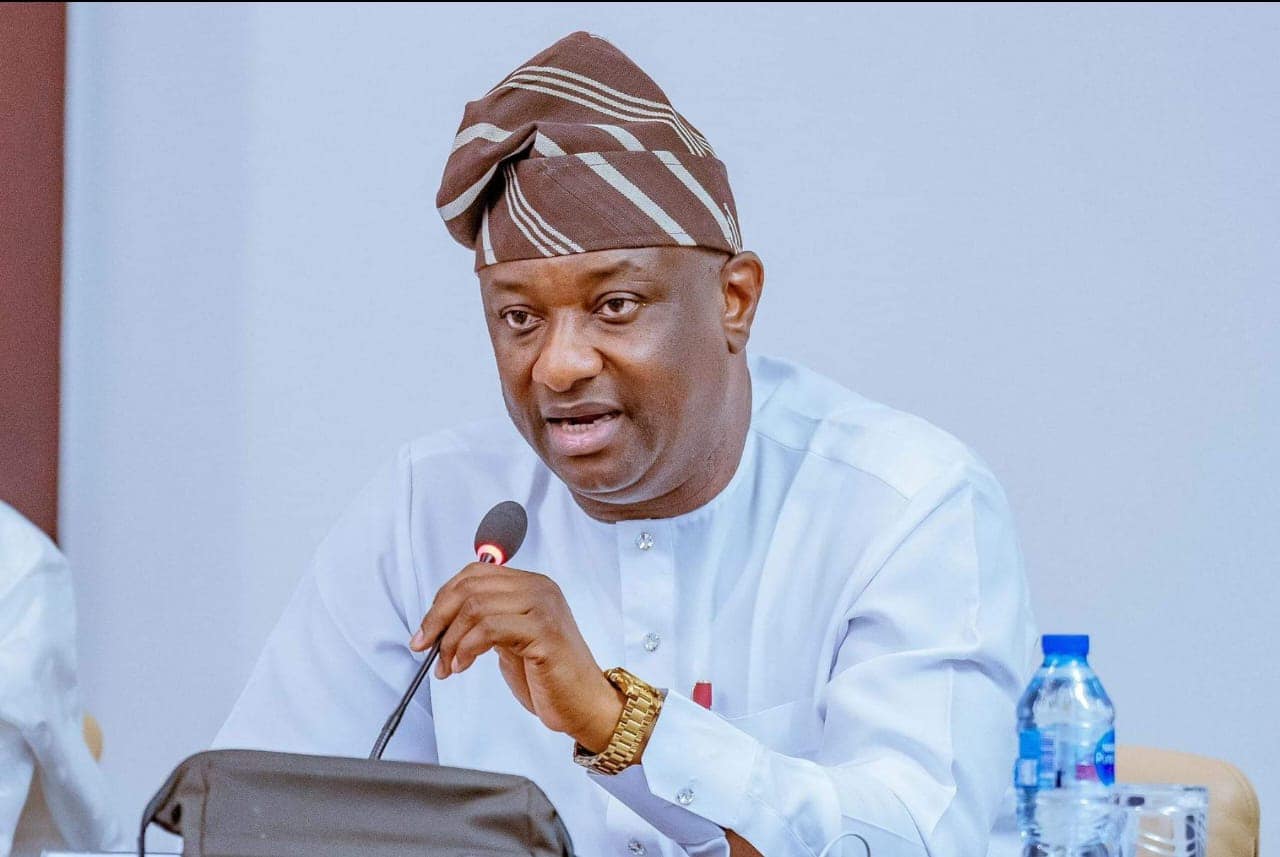
Subsidy removal freed $500 million for Lagos airport rebuild, Keyamo says
Festus Keyamo says the removal of fuel and foreign exchange subsidies enabled the Federal Government to raise about $500 million for Lagos airport and other aviation infrastructure without borrowing. He credited improved liquidity and rising foreign reserves, and said the government is targeting N1 trillion for aviation infrastructure under the Renewed Hope Agenda.
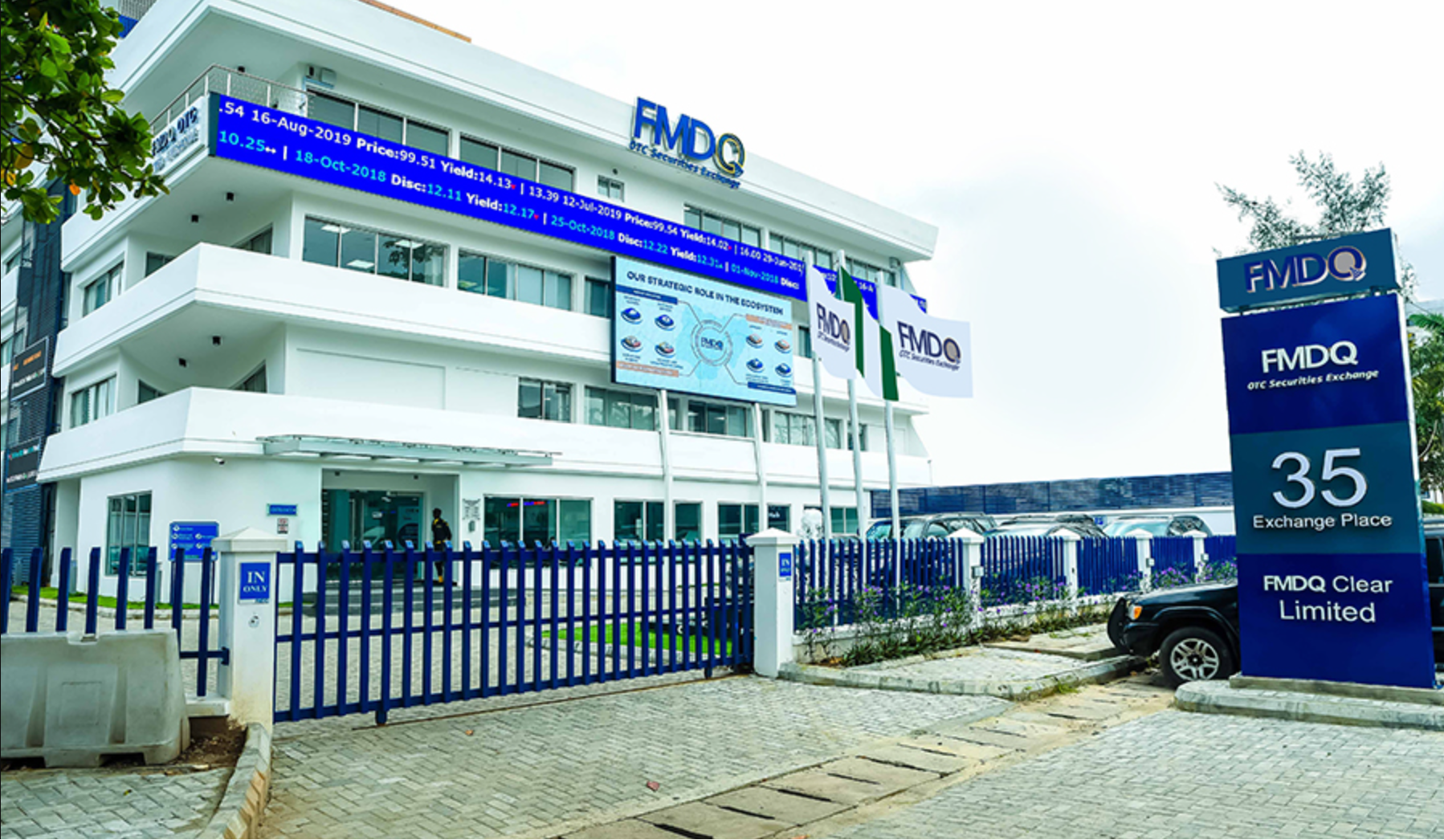
FMDQ weekly FX turnover falls 35.4% to $1.7 billion as spot trades drop
Nigeria's official FX market recorded a 35.41% weekly decline in turnover to $1.697 billion, driven by a $955.70 million contraction in spot transactions. Derivatives turnover rose 65.09% but remained small, while renewed dollar demand outweighed a $100 million CBN intervention.
OPEC+ Holds November Oil Output at 31.01 Million bpd as Nigeria Watches Revenue
OPEC+ kept the combined November 2026 production requirement for seven members at 31.01 million barrels per day, extending a pause after four monthly increases. Saudi Arabia, Russia and Iraq hold the largest quotas. For Nigeria, which is outside the arrangement, oil output above quota continues to support foreign-exchange earnings and fiscal revenue.
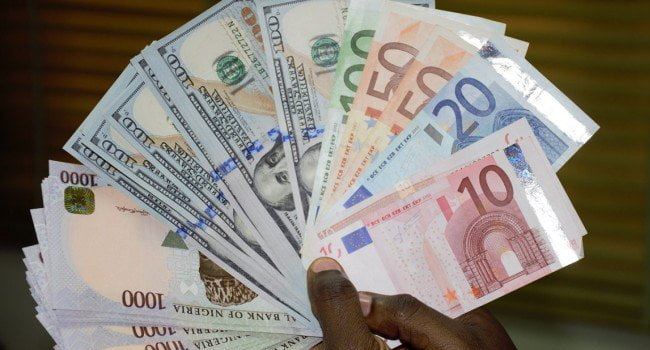
Naira breaches N1,500/€ level as euro slides to May 2025 low
The naira closed at N1,497 per euro, breaking the N1,500 mark for the first time since April 2024, according to Central Bank of Nigeria data. The move tracks the euro's decline to its weakest level against the dollar since May 2025, while the naira holds a narrow N1,327–N1,330 band against the dollar in the official NFEM.
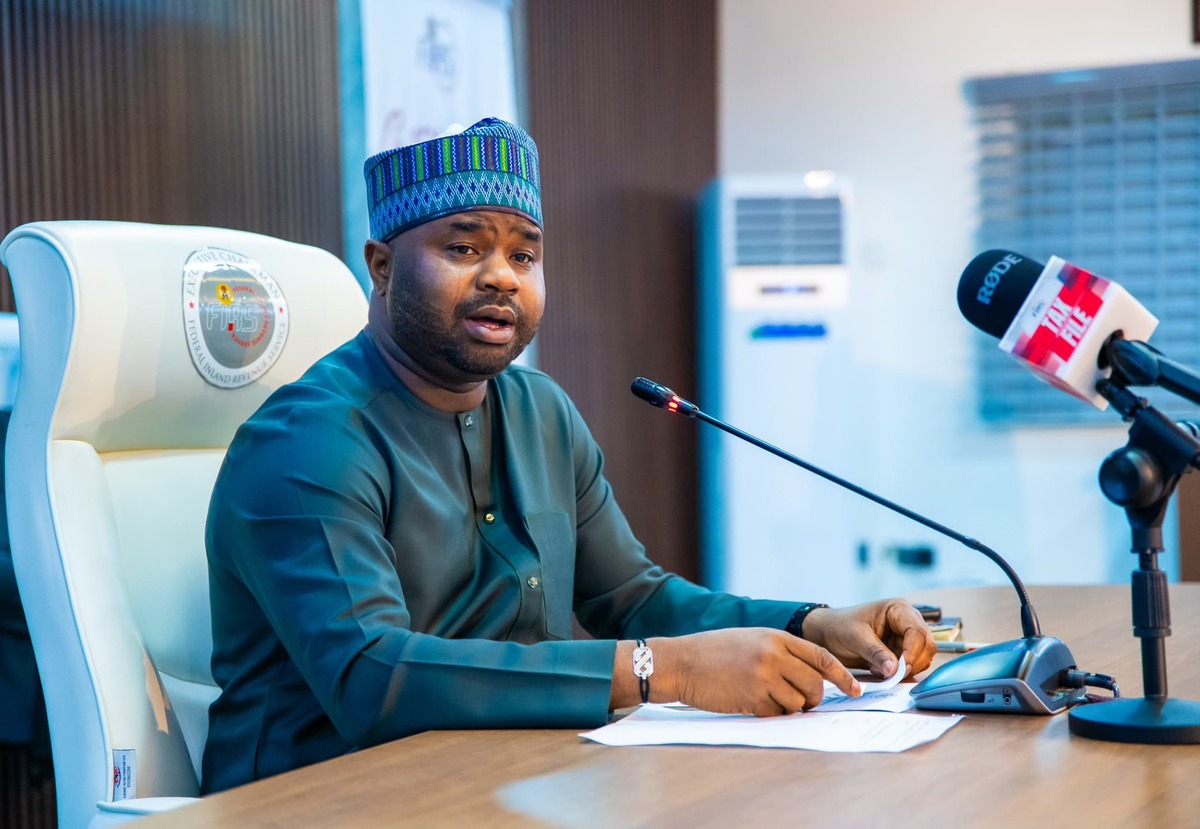
Nigeria Revenue Service Warns Public Against Fraudulent FIRS Recruitment Notice
The Nigeria Revenue Service has alerted the public to a fraudulent recruitment notice titled "Federal Inland Revenue Service – FIRS Job Vacancy – Replacement" circulating online. The agency confirmed it has not authorised any recruitment and warned applicants against making payments or sharing personal and financial information. Genuine vacancies will be announced only through official channels.

New FG vehicle procurement rules to channel government spending to local automakers
Tighter federal procurement rules now require Ministries, Departments and Agencies to demonstrate local content compliance before purchasing vehicles. Nord Automobile's CEO describes the BPP directive as good news for local automakers, while import data shows a sharp rise in vehicle spending.

FCT Police Order Arrest, Prosecution of Motorists Over Fake Plates, Tinted Permits
The FCT Police Command has directed the arrest and prosecution of motorists operating vehicles without valid plates or tinted glass permits. The enforcement also targets concealed, fake diplomatic and defaced plate numbers. Officers were warned against using the exercise for extortion.
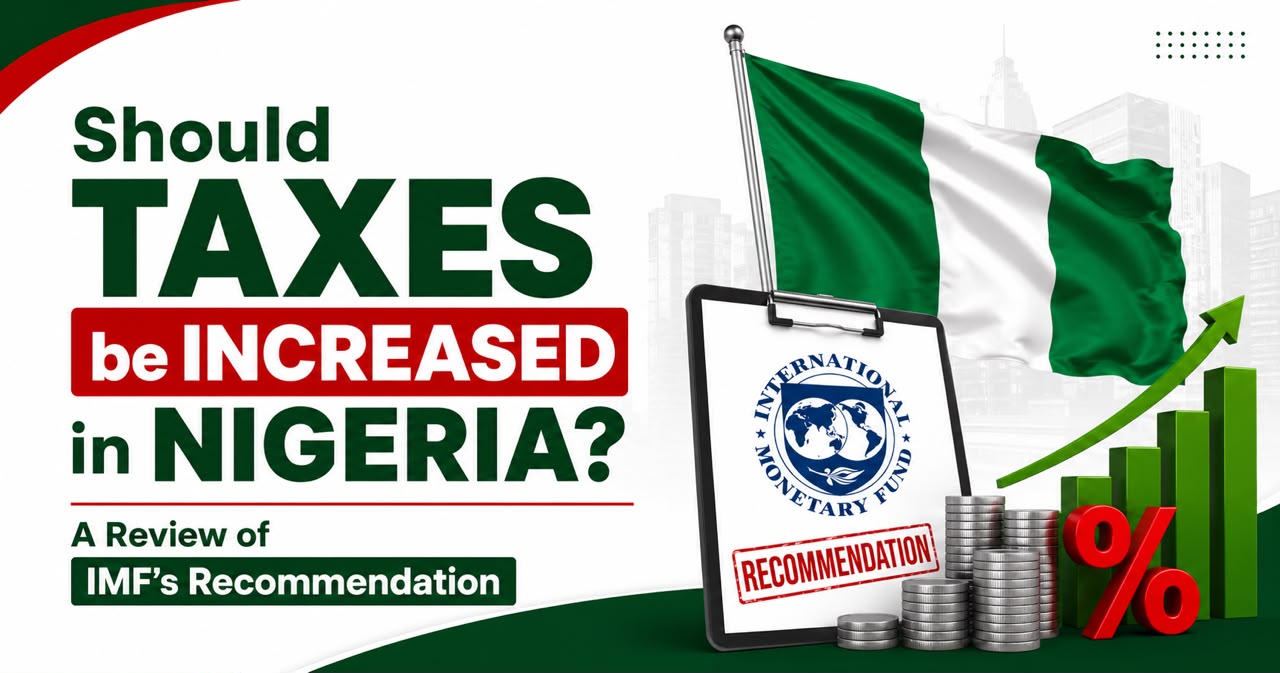
IMF Urges Higher Nigerian Taxes, but New Tax Act Already Covers Key Sectors
The IMF's latest Article IV report calls for a higher VAT rate, fuel taxation and telecoms excises to close Nigeria's fiscal gap. Yet the Nigeria Tax Act 2025 already imposes 5% surcharges on fuel and telecommunications, and rising VAT collections suggest administrative reforms are working without new rate hikes.
Why Nigeria cannot import its way out of high petrol costs
Nigeria's downstream debate now centres on whether to keep importing petrol after the Dangote refinery scaled up local supply. Marketers defend imports for competition and supply insurance, while refiners warn a standing import window weakens local value addition and drains dollars. The Petroleum Industry Act supports residual, need-based imports rather than a permanent parallel channel.
Nigeria's wheat output rises to 420,000 tonnes on subsidised input scheme
Nigeria's annual wheat production has climbed from about 120,000 metric tonnes to 420,000 metric tonnes under the National Agricultural Growth Scheme and Agro-Pocket. The government attributes the increase to subsidised inputs distributed to smallholder farmers and plans reforms to the land administration system. Sustaining the gains will hinge on continued access to inputs, irrigation, financing and markets.
CBN survey: Nigerians halt investments and house purchases as living costs rise
Nigerian household sentiment worsened sharply in September 2026, with the CBN's overall consumer sentiment index falling to -18.7 from -9.9 in August. Major purchase intentions for houses, vehicles and investments stayed deeply negative while price perceptions climbed. Food and essential spending remained the priority as inflation concerns persisted.
CBN survey: High taxation, insecurity and interest rates squeeze Nigerian firms in September
Nigerian businesses ranked high or multiple taxation, insecurity and high interest rates as their top constraints in September 2026, according to the Central Bank of Nigeria's Business Expectations Survey. Despite these pressures, the Business Confidence Index remained positive at 13.4 points, with firms projecting stronger confidence through March 2027. The findings follow the June 2025 tax reform laws and the March 2026 presumptive tax framework for MSMEs.

Seedwills CEO urges Nigerians to link bank and pension accounts to wills
Kelvin Ojomo, founder and CEO of Seedwills, says the current next-of-kin system does not adequately protect bank and pension assets and wants wills integrated with financial institutions. He attributes low will adoption to misconceptions that estate planning is costly and reserved for the wealthy or elderly.
CBN records N17.51 trillion OMO sales in September, net N6.62 trillion liquidity withdrawal
The Central Bank of Nigeria sold about N17.51 trillion in Open Market Operations bills across five September auctions, while maturities returned N10.89 trillion to the financial system. Net liquidity withdrawal came to roughly N6.62 trillion as the apex bank rolled maturing bills into longer-dated instruments.

G7 to release 100 million barrels of emergency oil stocks as diesel prices surge
The G7 and partners plan to release up to 100 million barrels of emergency crude and diesel through the IEA over four months, prioritising diesel. The move follows pressure from the US and comes as Nigerian diesel prices have risen about 27% since February.
Presidency Hails Promiseland Boss as ProTaxi Launches 1,000 Electric Cars
Promiseland has launched ProTaxi, a taxi service backed by a fleet of 1,000 electric vehicles. Nigeria's Presidency has commended the company's leadership for the rollout. The launch signals growing private investment in electric mobility within the transport sector.

KoinKoin CEO explains Nigeria's crypto focus amid $92.1 billion transaction volume
KoinKoin CEO Olaniyi Atose says Nigeria's growing crypto transaction volume, cited at $92.1 billion between July 2024 and June 2025, is driving government and regulator focus on the sector. He disclosed that KoinKoin is engaged with the CBN, SEC, Nigeria Revenue Service, and NFIU on compliance, tax, and monitoring initiatives. The remarks came as regulators expand crypto frameworks through the virtual assets executive order and tax guidelines.
Listed consumer goods firms pay N70.1bn in technical fees to parent companies in H1 2026
Eight listed consumer goods companies reported N70.1 billion in royalties, technical fees, licence fees and management charges to parent and group entities in H1 2026, up from N69.7 billion a year earlier. Nestlé Nigeria and Nigerian Breweries led the disclosures, while several of the biggest fee payers also posted stronger revenue and profit.

Nigerian Manufacturers Hold ₦2.12tn Unsold Inventory Amid Weak Consumer Demand
Nigerian manufacturers ended 2025 with about ₦2.12tn in unsold finished goods as inflation eroded consumer purchasing power, MAN data shows. Record nominal investment of ₦4.54tn did not prevent the build-up, which hit the food, beverage and tobacco sector hardest.
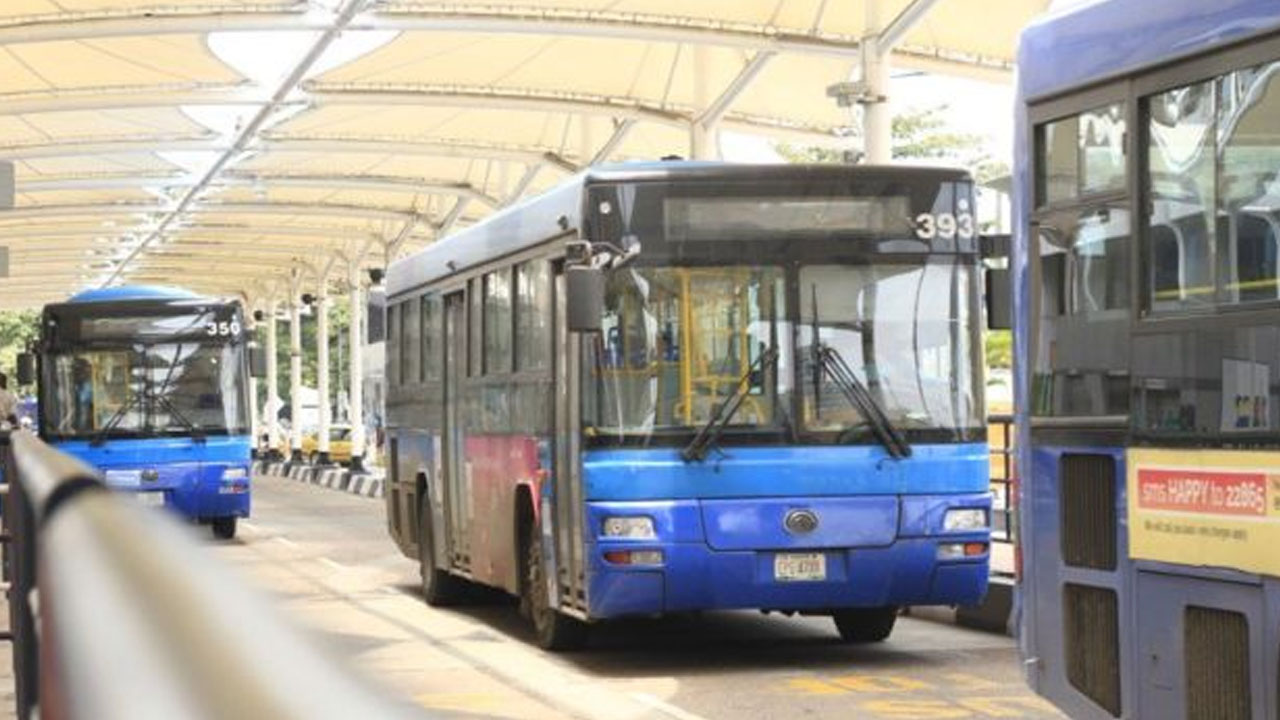
Lagos mandates CNG and electric buses as LAMATA phases out diesel fleet
LAMATA has begun restricting new buses in Lagos' regulated public transport system to compressed natural gas and electric models, with the policy effective from the start of 2026. The transition is tied to the state's 2050 net-zero target and efforts to contain operating costs as diesel prices have more than doubled. Existing diesel buses will be replaced gradually with cleaner alternatives.
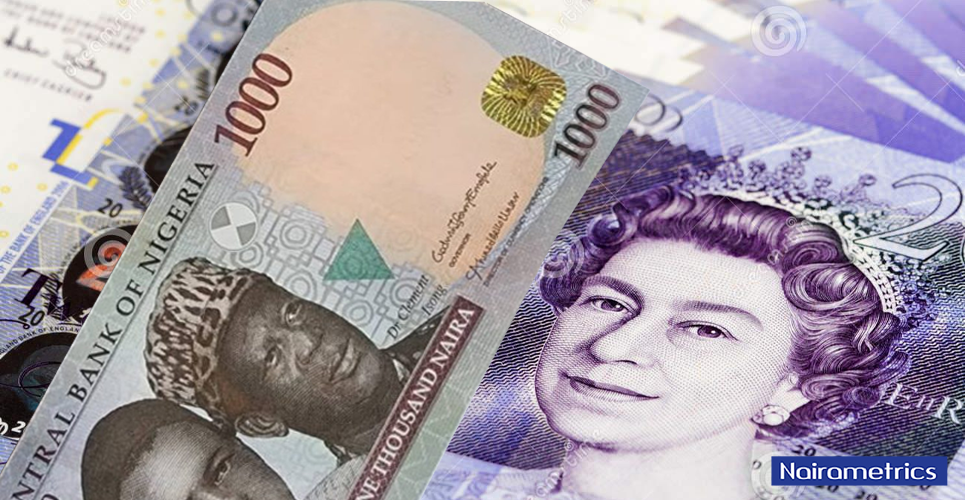
British pound slides to N1,767 as naira extends gains after CBN rate cut
The naira strengthened further against the British pound, which traded at N1,767/£1 following the Central Bank of Nigeria's decision to cut the Monetary Policy Rate to 23%. Stronger foreign exchange reserves above $55 billion and steady oil and gas inflows have supported liquidity and local demand for naira assets. Global markets showed the pound under pressure near late-June lows against a firm US dollar amid fiscal and geopolitical concerns.
Federal Government bond allotments jump 106% to N7.15 trillion in nine months
FGN bond allotments reached N7.15 trillion in the first nine months of 2026, up 106% from N3.48 trillion a year earlier. Strong investor demand and higher monthly allotments drove the increase. The figures highlight the Federal Government's growing dependence on domestic debt instruments.
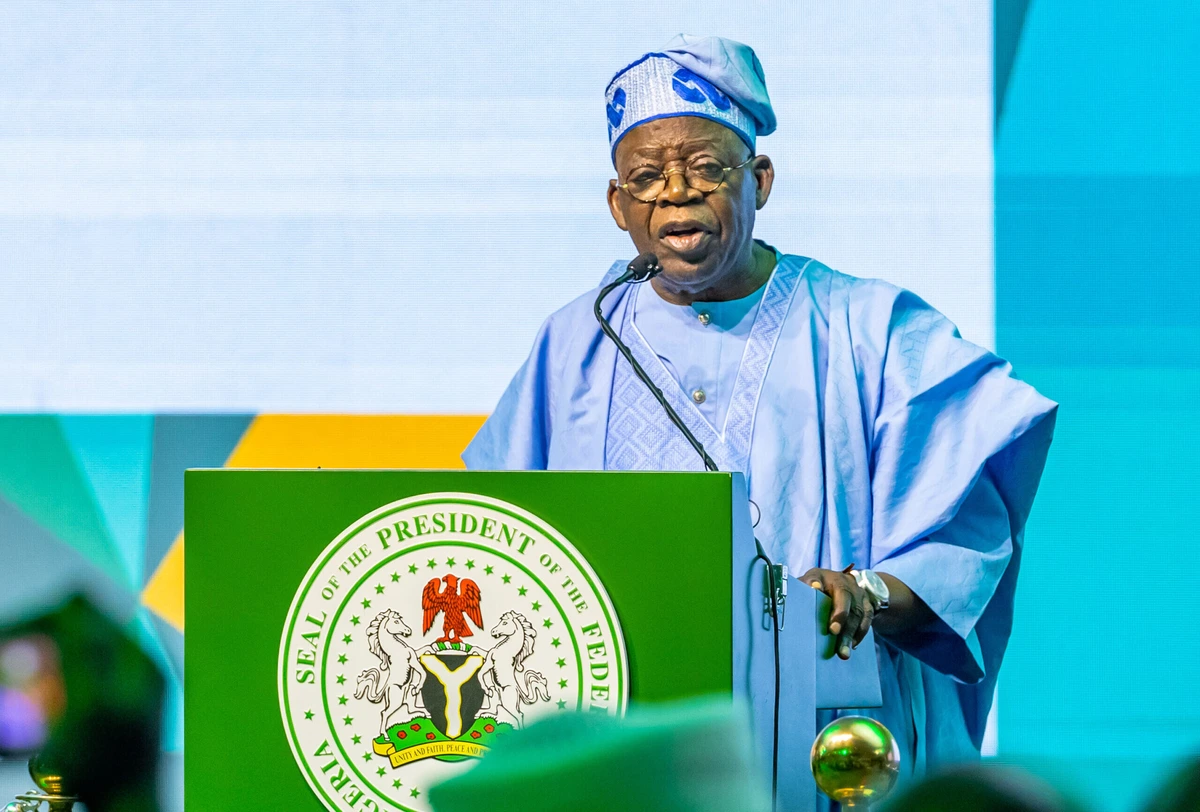
Tinubu declares Nigeria has moved beyond reforms into 'age of prosperity'
President Bola Tinubu used his October 1, 2026 Independence Day address to declare that Nigeria has passed the difficult phase of economic reforms and entered an "age of prosperity". He cited growth above 4% in 2026, $6 billion in 2025 non-oil export revenue, lower inflation and a stabilised foreign exchange market, while pledging to prioritise lower living costs and job creation. The shift coincides with state-level plans to reduce transport costs using compressed natural gas and electric vehicles.

Ghana Revenue Authority moves to settle Tullow's $393 million tax liability without halting oil operations
The Ghana Revenue Authority has pledged to resolve a $393 million tax liability owed by Tullow Oil Ghana without disrupting the company's petroleum operations. The amount covers corporate income tax, penalties, and accumulated interest following an International Chamber of Commerce ruling that upheld Ghana's assessment.
Stanbic IBTC Pre-Tax Profit Rises 40%, Interim Dividend Raised to N4.50
Stanbic IBTC Holdings reported a 40.13% rise in profit before tax to N341.57 billion for the first half of 2026, driven largely by a more than doubling of non-interest revenue. The board declared an interim dividend of N4.50 per share, up 80% from N2.50 a year earlier. Income tax expense rose to N101.88 billion from N70.31 billion.
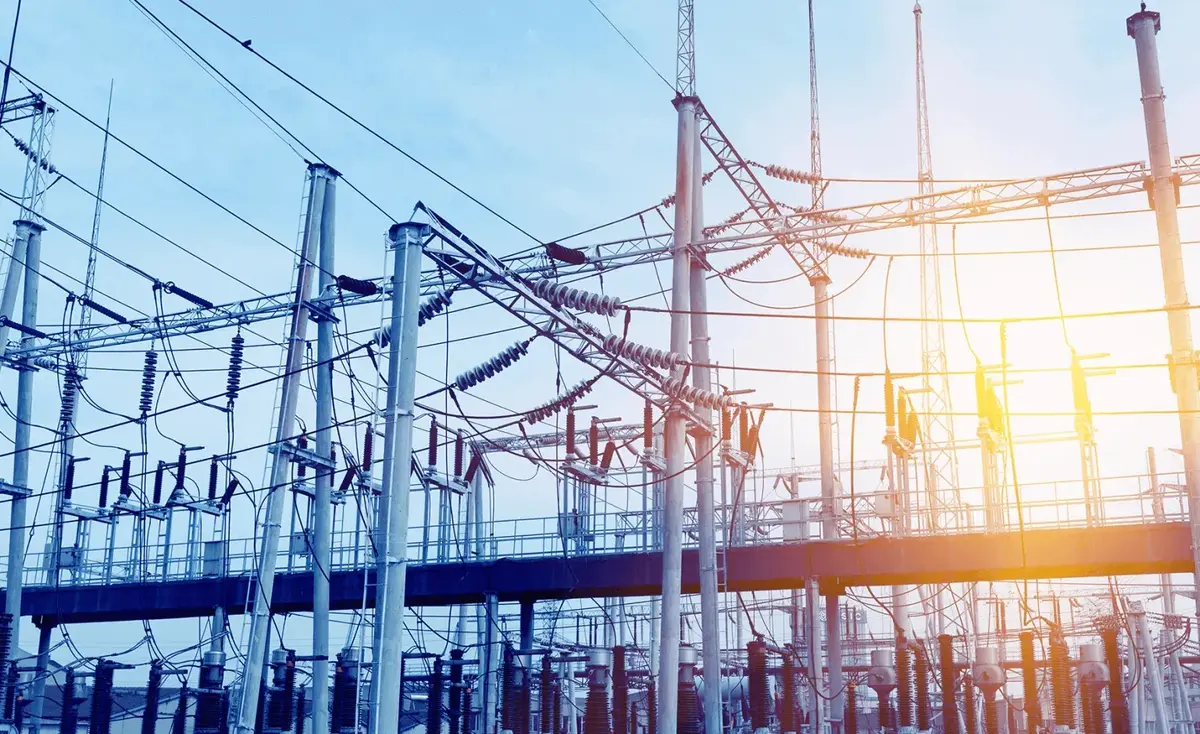
Electricity subsidy falls to N321.26 billion as DisCos' power offtake declines 3.40%
The Federal Government's electricity subsidy obligation dropped by N37.06 billion to N321.26 billion in the second quarter of 2026, according to the Nigerian Electricity Regulatory Commission. The reduction was driven mainly by lower electricity offtake by distribution companies rather than improved remittance performance.
NNPC sundry income rises 181% to N7.1 trillion, nearly matching 2025 profit
NNPC Ltd. recorded N7.10 trillion in sundry income in 2025, an amount roughly equal to its N7.18 trillion net profit, according to its audited 2025 Annual Financial Report. The figure climbed 181% year-on-year and helped offset a 23% decline in revenue. Supplementary income streams, including a N92.90 billion Road Infrastructure Tax Credit uplift, were central to the earnings result.
CBN: Capital Buffer Only a Starting Point for Banking Recapitalisation Reform
The Central Bank of Nigeria says the stronger capital buffers achieved by banks during the two-year recapitalisation programme mark only the beginning of reform, with governance, risk management and productive lending now the priority. Deputy Governor Muhammad Sani Abdullahi said 33 banks met the revised minimum capital requirements, raising N4.65 trillion, while supervision will remain focused on asset quality, liquidity and emerging risks. He also cited narrower FX rate gaps, stronger external reserves and moderating inflation as evidence of a stabilising macro environment.
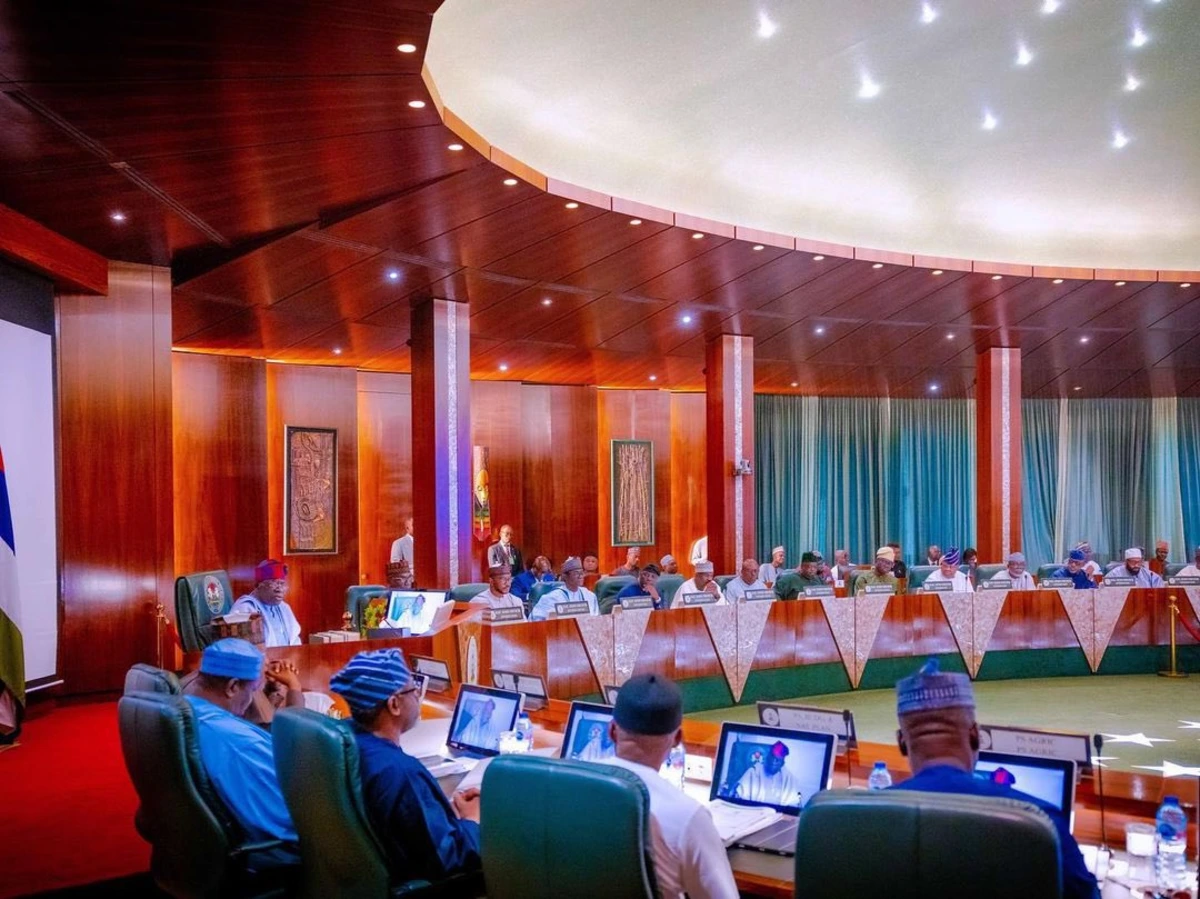
Delta replaces Lagos as largest FAAC recipient in Q2 2026
Nigeria’s 36 states received N2.39 trillion from the Federation Account in Q2 2026, a 12.2% rise from N2.13 trillion in Q1. Delta overtook Lagos as the largest recipient, while Lagos fell to third after a sharp decline in VAT receipts. Four of the five largest beneficiaries were oil-producing states.
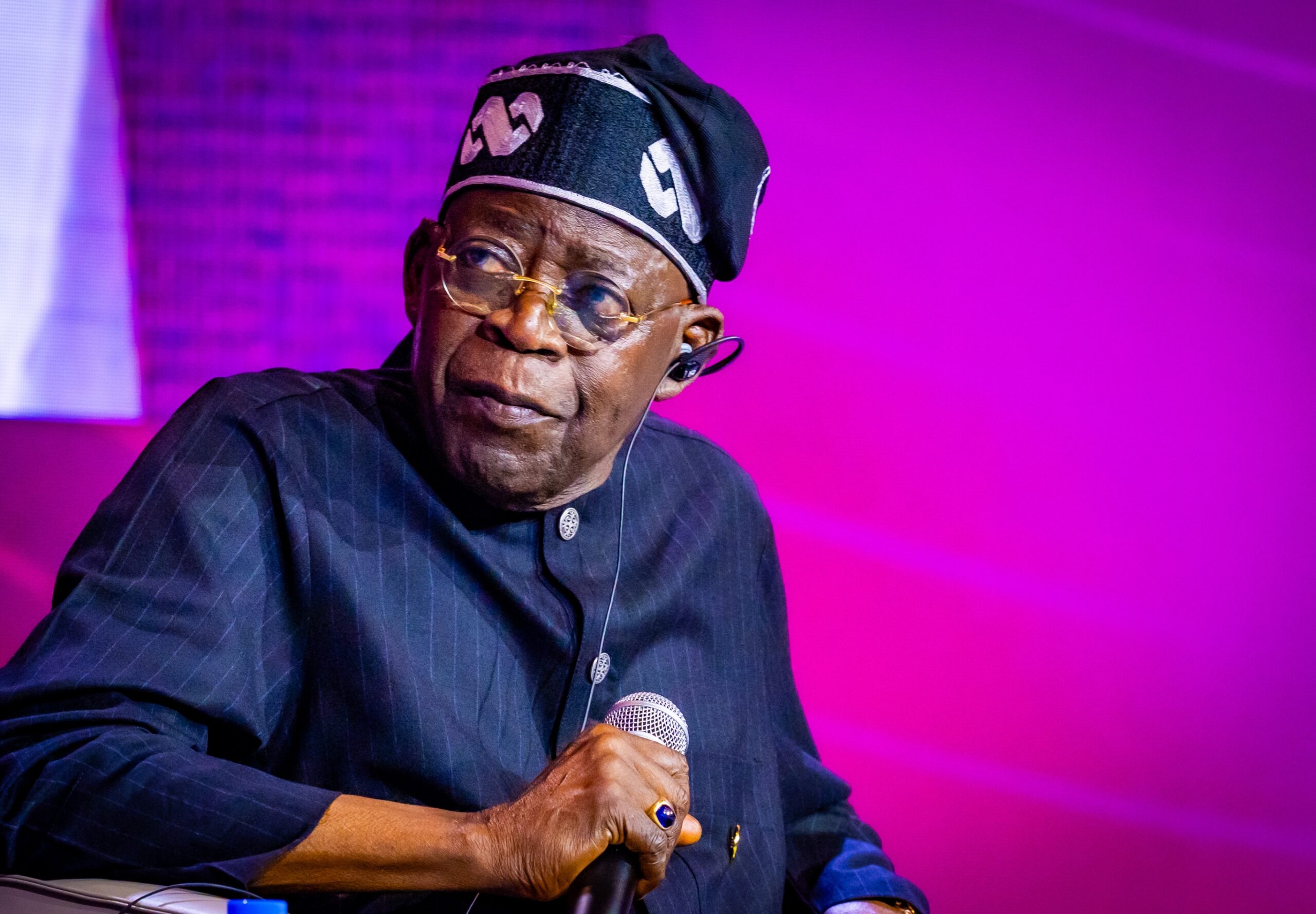
Nigeria's External Debt Rises by $11.4 Billion Under Tinubu
Nigeria's external debt climbed by $11.4 billion to about $54.5 billion as of June 2026, driven by World Bank loans, Eurobond issuances and syndicated financing. Domestic debt also surged, pushing total public debt to N166.79 trillion amid a record 2026 budget and N31.4 trillion deficit.
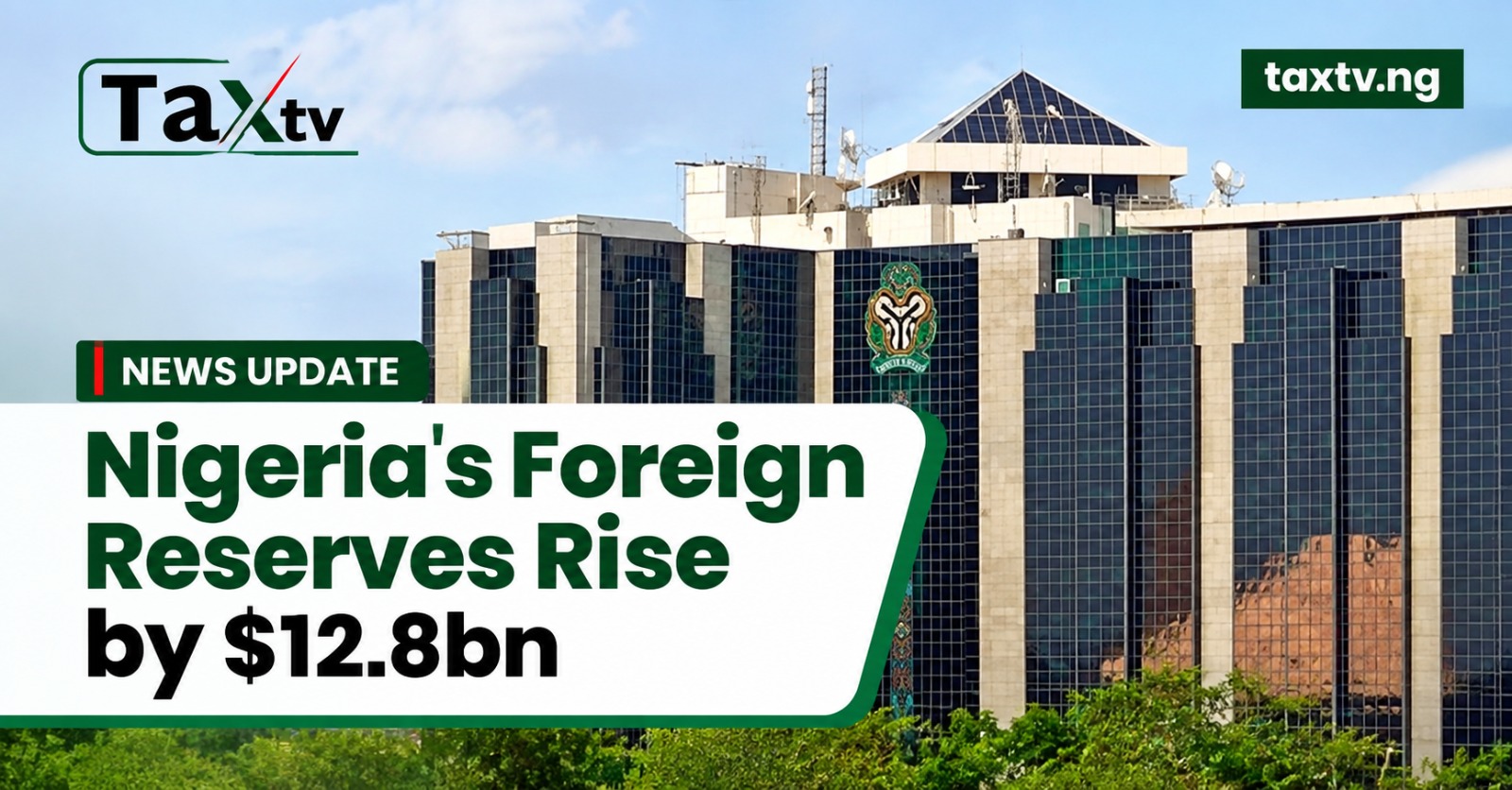
Nigeria's External Reserves Climb 30.5% to $54.61bn in One Year
Nigeria's gross foreign exchange reserves reached $54.61 billion as of September 14, 2026, up $12.76 billion from a year earlier. The build-up reflects stronger foreign capital inflows and exceeds the Central Bank of Nigeria's full-year projection.
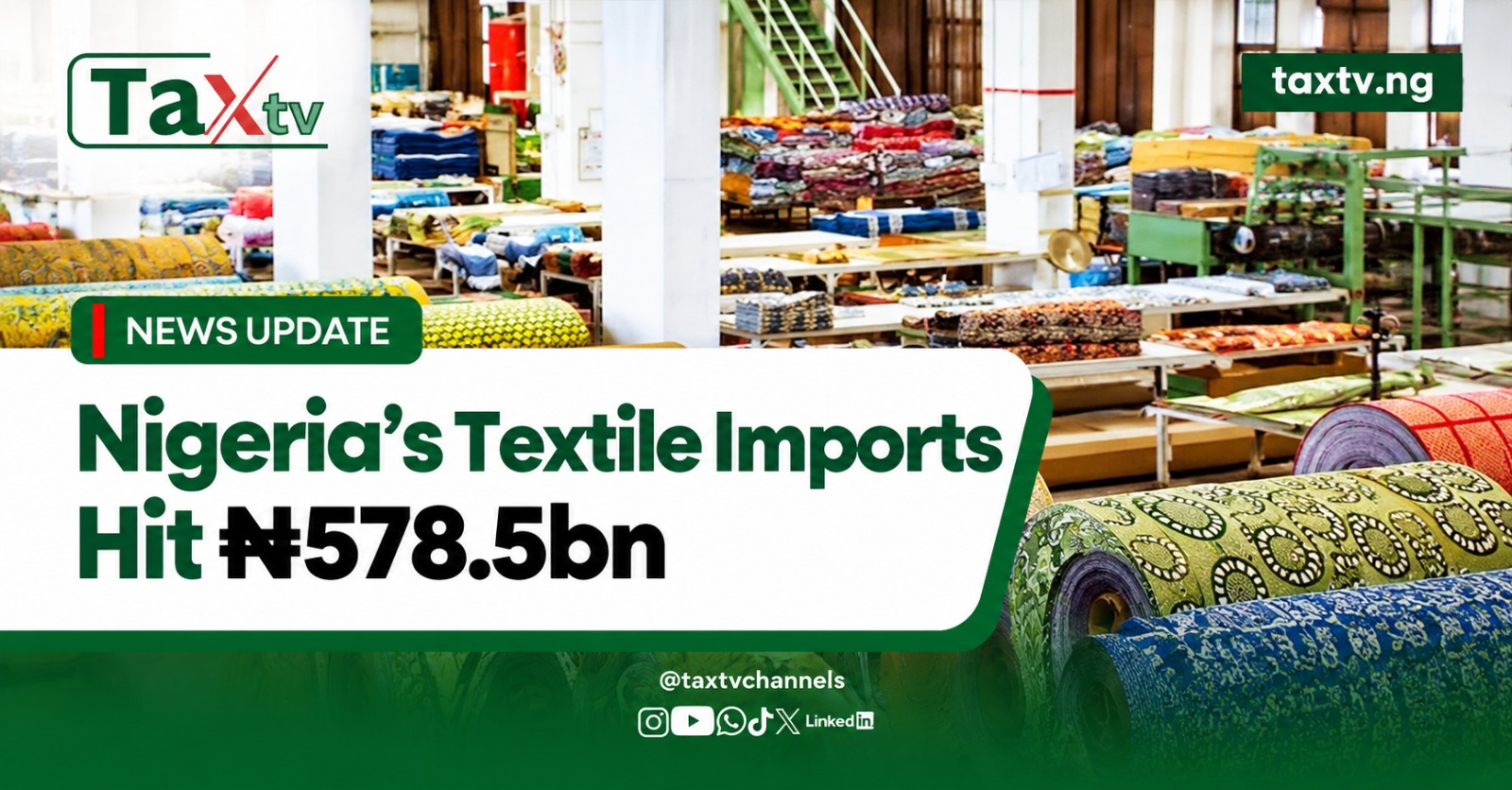
Nigeria's Textile Import Bill Hits ₦578.51bn in First Half of 2026
Data from the National Bureau of Statistics show Nigeria spent ₦578.51bn on textile and textile article imports in the first six months of 2026, up 2.2% from ₦565.95bn a year earlier. The modest rise follows sharp annual increases of 92.4% in 2024 and 46.1% in 2025, underscoring continued dependence on imported textiles.

Jigawa, Ondo, Anambra lead states with lowest 2025 debt-to-IGR ratios
Nairametrics Research analysis shows Jigawa, Ondo and Anambra posted the lowest debt-to-IGR ratios among Nigerian states in 2025, reflecting stronger revenue capacity and modest debt burdens. Lagos maintained a 68.93% ratio despite carrying the largest debt stock, while Yobe recorded the highest at 506.02%.
CBN Offers N2.5 Trillion in Fresh OMO Auction as N2.43 Trillion Repayment Matures
The Central Bank of Nigeria scheduled a N2.5 trillion Open Market Operations auction for September 29, 2026, on the same day N2.433 trillion in OMO paper matured, leaving a gap of N66.765 billion. The offer spans 147-day, 182-day and 266-day tenors, with the 266-day instrument extending the maturity profile into June 2027.
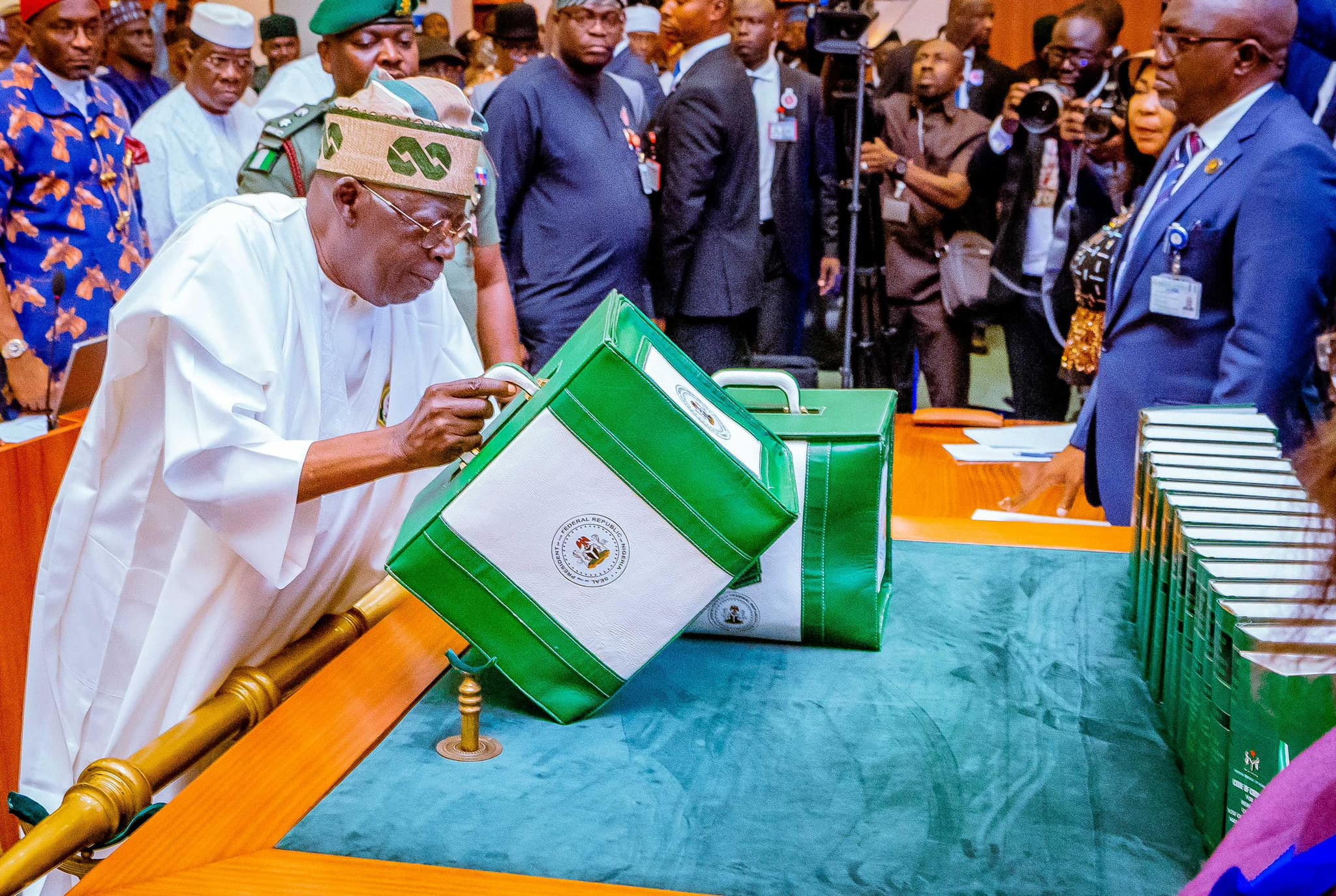
N68 Trillion Budget: Nigeria's Undisclosed Deficit Breaches Fiscal Ceiling
President Tinubu signed the N68.32 trillion 2026 budget without disclosing its deficit, which calculations put at N31.45 trillion, or 6.41% of GDP, more than double the Fiscal Responsibility Act's 3% ceiling. Competing deficit estimates and a N10.14 trillion legislative expansion have left the borrowing breach unaccounted for. The piece proposes publishing the deficit as a headline figure and tightening compliance around the fiscal ceiling.

Otedola: Tinubu's reforms put Nigeria's economy on sustainable growth path
Femi Otedola, Chairman of First HoldCo Plc, has praised President Bola Tinubu's economic reforms, citing gains in Nigeria's capital market, foreign exchange stability and external reserves. His remarks follow Nigeria's return to the FTSE Frontier 50 Index and come amid the IMF's mixed assessment of reform outcomes.
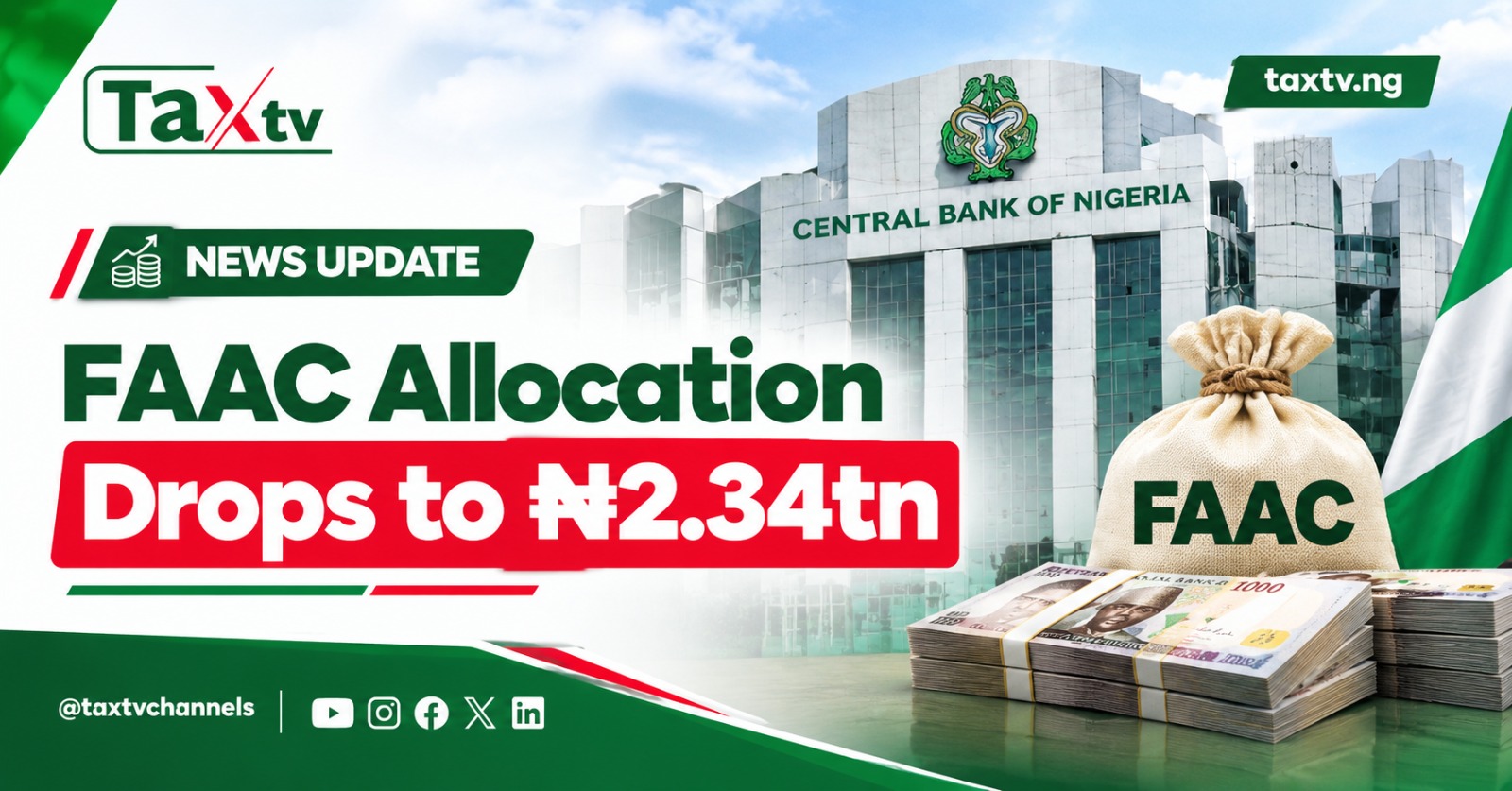
Federation Revenue Drops as FG, States, LGs Split ₦2.34tn
The Federation Account Allocation Committee shared ₦2.338 trillion among the Federal Government, 36 states and 774 local government councils in September 2026. The amount was 22.2% lower than the record ₦3.007 trillion distributed in August, reflecting weaker August revenue.

GTCO non-banking subsidiaries post N15.94 billion pre-tax profit in H1 2026
Guaranty Trust Holding Company Plc's three non-banking subsidiaries, HabariPay, GT Fund Managers and GT Pension Fund Administrator, recorded a combined profit before tax of N15.94 billion in the first half of 2026, up roughly 85% from N8.62 billion a year earlier. The results highlight the growing contribution of fintech, asset management and pension administration to Group earnings.
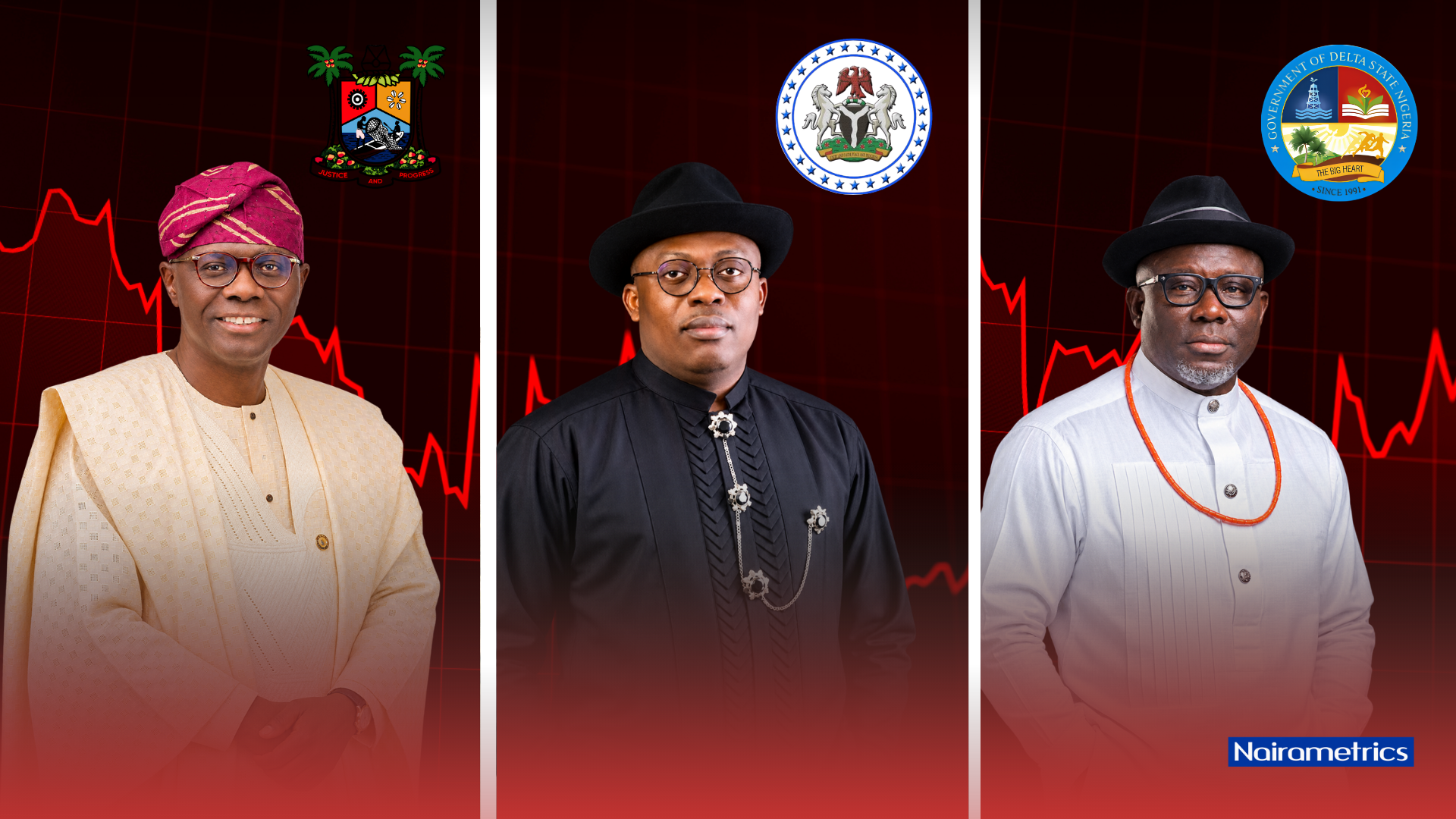
Lagos, Delta, FCT lead as subnational domestic debt hits N4.59 trillion in Q2 2026
Nigeria's 36 states and the Federal Capital Territory held N4.59 trillion in domestic debt as of June 2026, a 1.49% quarterly rise. Lagos, Delta, and the FCT led the ranking, with the ten most indebted subnationals accounting for more than 70% of the stock. Debt service costs remain a key fiscal concern as borrowing patterns diverge across states.
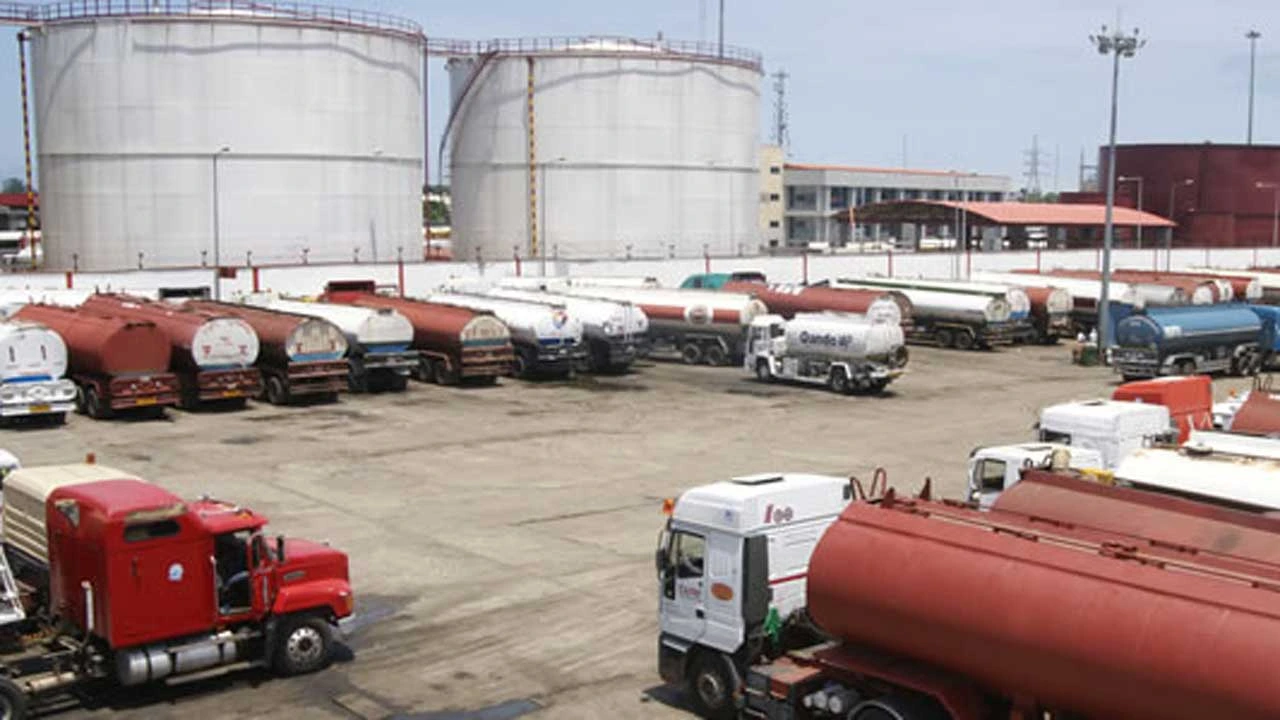
Oil marketers count billions in losses as petrol price volatility squeezes margins
Independent petroleum marketers in Nigeria say sudden swings in petrol prices are causing losses running into billions of naira. IPMAN's Chinedu Ukadike and marketer Paul Akams cite a N25 price drop, stranded trucks and cross-border smuggling as key pressures. Marketers are pushing for an Energy Bank to cushion price volatility.
Dangote Refinery IPO tops MTN, GTCO digital records in one day, says Chapel Hill
The Dangote Petroleum Refinery IPO exceeded the digital subscription levels of the MTN Nigeria and GTCO offers within its first day, according to Chapel Hill Denham. Chapel Hill's Lanre Buluro said the four-week offer, which targets 10 million investors, is aimed at democratising ownership and deepening retail participation in Nigeria's capital market. The N2.15 trillion primary issuance closes on October 13, 2026.

NGX market capitalisation closes at record N164 trillion as trading volume tops one billion shares
The Nigerian Exchange recorded its highest-ever equity market capitalisation of N164.00 trillion on Monday as trading volume surged past one billion shares. The All-Share Index gained 0.21% to 252,635.11 points, with market breadth staying positive at 33 gainers against 24 losers.

Apexpay targets Nigeria's crypto boom with instant crypto-to-naira conversion
Nigeria now ranks first globally in domestic peer-to-peer and cross-border crypto flows, according to Chainalysis, even as digital asset prices fell sharply. Apexpay, a crypto-to-fiat platform operating in Nigeria and Ghana, is positioning itself around that demand with direct sales and multi-currency payouts.
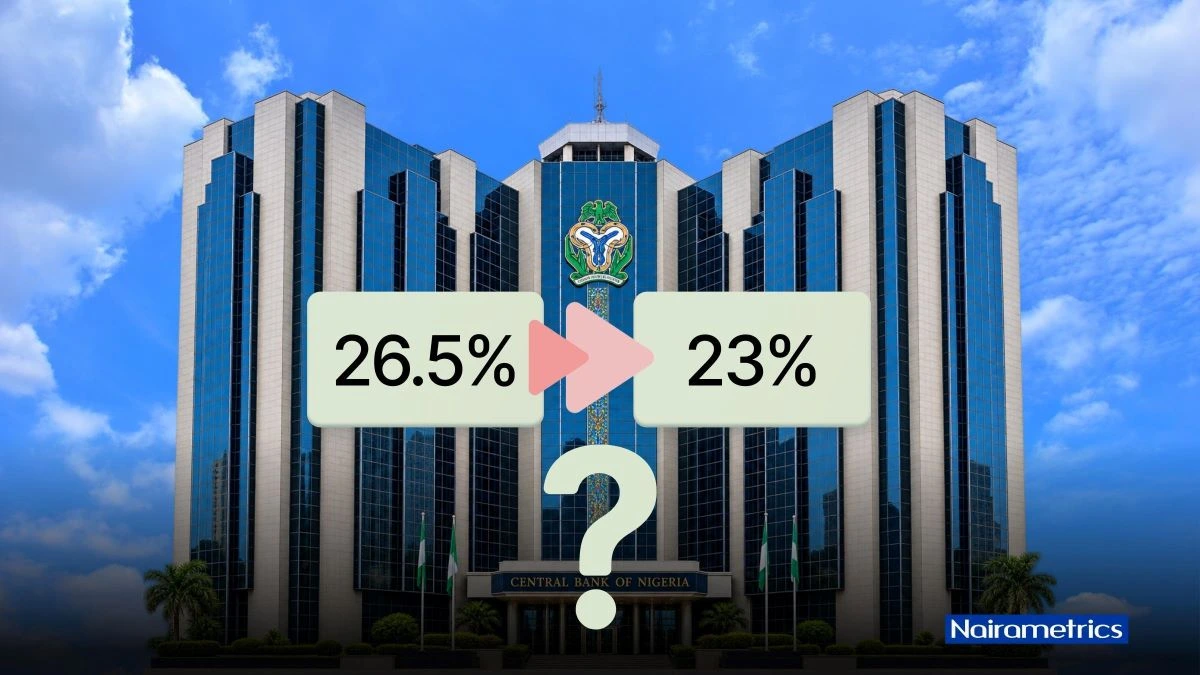
CBN’s 23% MPR cut reshapes bond, mutual fund and pension fund outlook
The Central Bank of Nigeria has reduced the Monetary Policy Rate by 350 basis points to 23%, shifting the fixed-income and equities landscape. Money-market and pension portfolios face reinvestment pressure, while longer-dated bond holdings may record price gains. Analysts expect a gradual moderation in fixed-income returns and stronger relative appeal for equities.
CBN confronts N8.57 trillion liquidity surge as OMO and bond maturities hit banking system
Net banking system liquidity could climb to about N8.57 trillion this week as N2.43 trillion in OMO maturities and N164 billion in bond coupons enter the market. The build-up follows the Monetary Policy Committee's 350-basis-point cut in the benchmark rate to 23%, which has pushed money-market and Treasury bill yields lower. The inflow presents an early test of how aggressively the CBN will sterilise liquidity under its more accommodative stance.
Nigeria's domestic debt service falls to N2.14 trillion in Q2 2026
Nigeria's domestic debt-service payments dropped 31.8 percent quarter-on-quarter to N2.14 trillion in Q2 2026, according to Debt Management Office data. The decline occurred despite a rise in total public debt to N166.79 trillion. Interest and rental payments dominated the bill at N1.98 trillion, led by Federal Government bond interest.
Domestic debt service payments drop N1 trillion to N2.14 trillion in Q2 2026
Nigeria's domestic debt-service bill fell by about N1 trillion to N2.14 trillion in the second quarter of 2026, a 31.8% decline from N3.14 trillion in the first quarter, according to DMO data. Interest and rental payments accounted for N1.98 trillion of the total, with FGN bond interest the largest component at N1.39 trillion. The reduction occurred even as total public debt rose to N166.79 trillion as of June 30, 2026.
Nigeria's Public Debt Climbs to N166.79 Trillion in Q2 2026
Nigeria's total public debt rose to N166.79 trillion as of 30 June 2026, driven largely by Federal Government borrowing. Domestic debt accounted for 54.91% of the portfolio, with FGN bonds and Treasury Bills dominating. The figures highlight expanding fiscal liabilities and debt servicing obligations under the current administration.
NRS and NUPRC earn N123.54 billion in collection fees from June FAAC revenue
The Nigeria Revenue Service and the Nigerian Upstream Petroleum Regulatory Commission earned a combined N123.54 billion in collection fees from the FAAC distribution for June 2026. The amount, about 3.6 percent of the N3.40 trillion shared, rose 8.6 percent from N113.76 billion in May. The NRS received N84.69 billion while the NUPRC received N38.85 billion.
CBN allots N8.14 trillion in Treasury Bills, exceeding Q3 target by 40.34%
The Central Bank of Nigeria allotted about N8.14 trillion across eight Treasury Bills auctions between July and September 2026, surpassing the N5.8 trillion third-quarter target by roughly 40.34%. The 364-day bill dominated demand, while its stop rate fell from 17.70% to 15.89% over the period. The overshoot turns attention to how the CBN will calibrate Q4 issuance in a lower-rate environment.

Rising fuel costs could push Nigerian motorists toward third-party insurance cover
Consolidated Hallmark Insurance says sustained high energy prices may shift motor insurance customers from comprehensive to cheaper third-party policies. The insurer has absorbed fuel cost increases within budgeted ranges and is expanding solar power to reduce generator dependence.
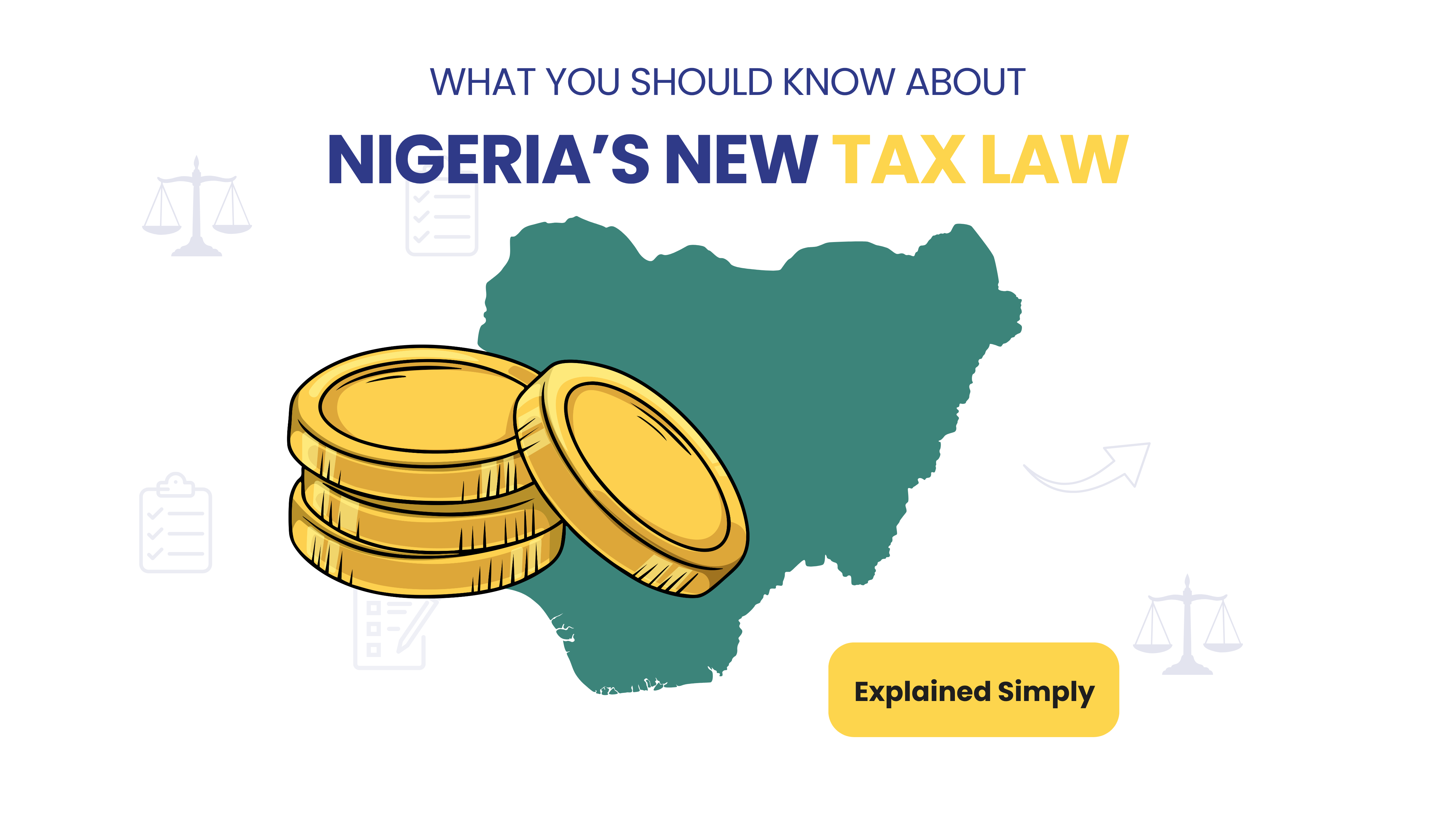
Key Facts About Nigeria's New Tax Laws for 2026
The Nigerian Tax Act 2025 introduces real-time VAT reporting, links tax IDs to financial records, and brings digital economy participants into the compliance net. Personal and company income tax rates remain largely unchanged, with the focus on enforcement and reducing leakages.
Lagos contributes 34% of states' N5.15 trillion IGR in 2025
Lagos State generated N1.77 trillion in internally generated revenue in 2025, representing 34.4 percent of the N5.15 trillion raised by all 36 states and the FCT. Tax revenue, led by PAYE, remained the dominant source of subnational collections.
FG introduces market-linked interest on late tax payments from October 1
The Federal Government has issued an order tying interest on late tax payments to market benchmarks from October 1, 2026. Naira-denominated liabilities will attract the Monetary Policy Rate plus one percentage point, with a 364-day Treasury Bill yield floor, while foreign currency liabilities will use SOFR plus six percentage points. The existing 10 percent late-payment penalty remains, and the Nigeria Revenue Service will publish applicable rates monthly.

Petrol imports drop 26% to 14.6 million litres daily in August
Nigeria's daily petrol imports fell 26% to 14.6 million litres in August 2026 from 19.7 million litres in July, according to NMDPRA data. Diesel imports declined sharply while the Dangote Refinery ran above 100% capacity. The figures follow a 989.4% quarterly surge in the petrol import bill to N952.15 billion in Q2 2026.
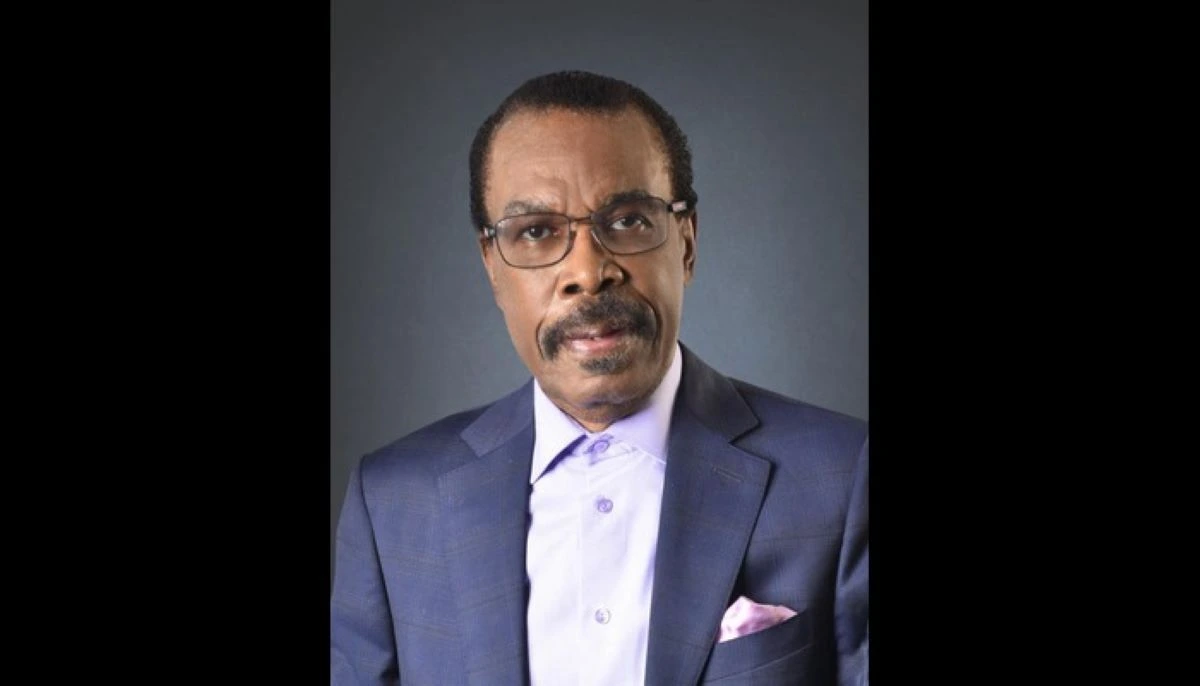
Rewane sees naira depreciation risk after CBN's 350bps rate cut
Bismarck Rewane, Managing Director of Financial Derivatives Company, says the naira may come under depreciation pressure after the Central Bank of Nigeria cut the Monetary Policy Rate by 350 basis points to 23%. He notes the move could weaken returns on naira-denominated assets and savings while potentially reducing government debt-servicing costs and supporting corporate performance.
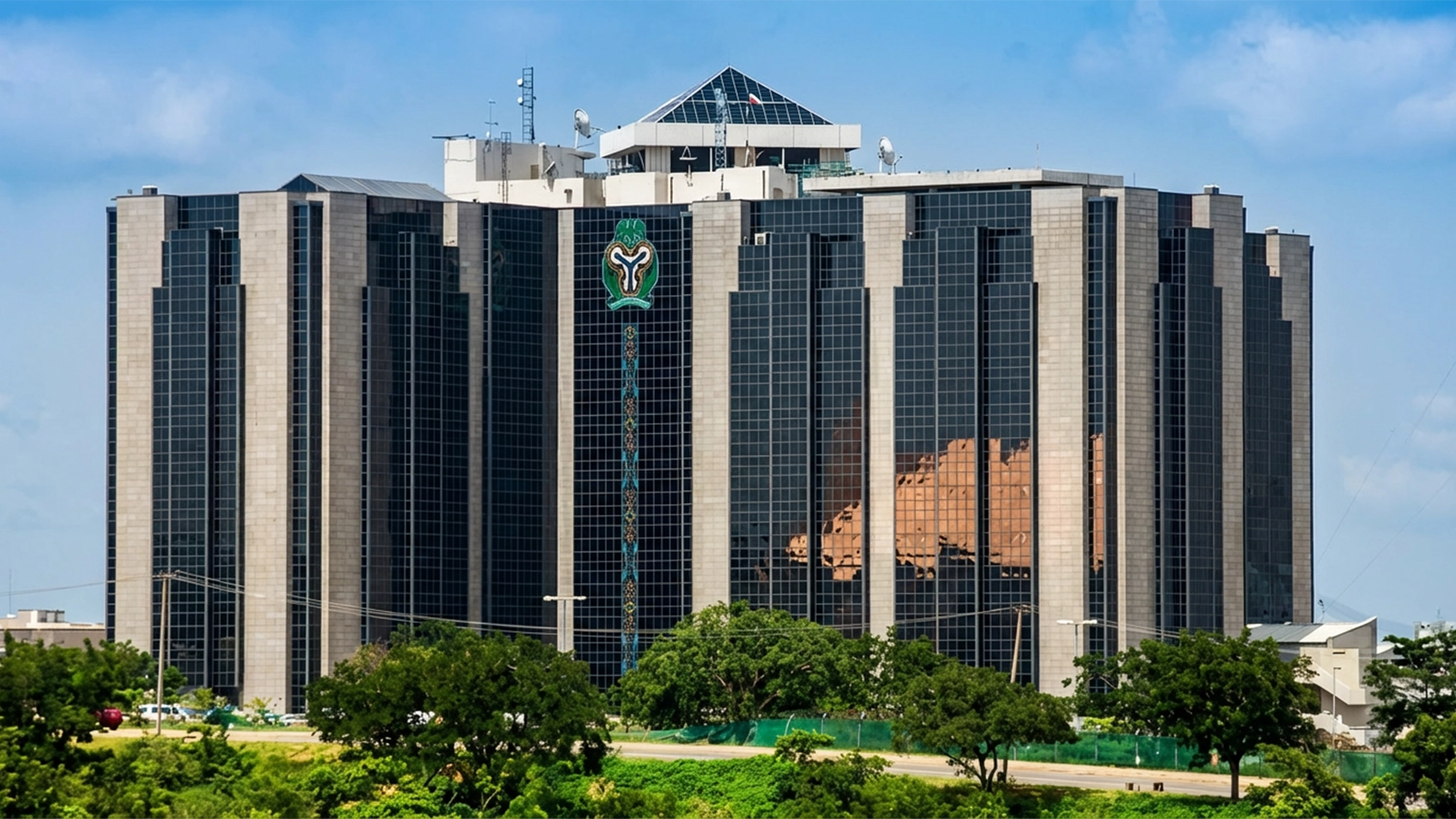
CBN's 350-basis-point cut narrows Nigeria's carry-trade advantage over Ghana
The Central Bank of Nigeria's decision to reduce its benchmark rate to 23% has narrowed the gap between the policy rate and headline inflation to 7.61 percentage points, placing Ghana ahead as a carry-trade destination. Despite retaining the highest nominal policy rate among peers, Nigeria's real-return cushion is now smaller than Ghana's.
NMDPRA Meets Marketers Over Proposed Anti-Competition Rules for Petroleum Sector
The NMDPRA has opened consultations with petroleum marketers and stakeholders on draft anti-competitive regulations that would curb price coordination, exclusive supply deals and infrastructure access abuses. About 20 comments have been received, and officials say the final rules will give the Authority stronger enforcement powers under the Petroleum Industry Act. The engagement follows July allegations that importers including AA Rano fixed petrol at about N1,350 per litre.
CBN's 350bps rate cut to shift investor funds from fixed income to equities
The Central Bank of Nigeria's 350-basis-point cut to a 23% monetary policy rate is expected to drive investors from fixed income into equities. Market analysts see the move improving credit access and supporting corporate earnings. The NGX All-Share Index has already extended its year-to-date gain to 61.05%.
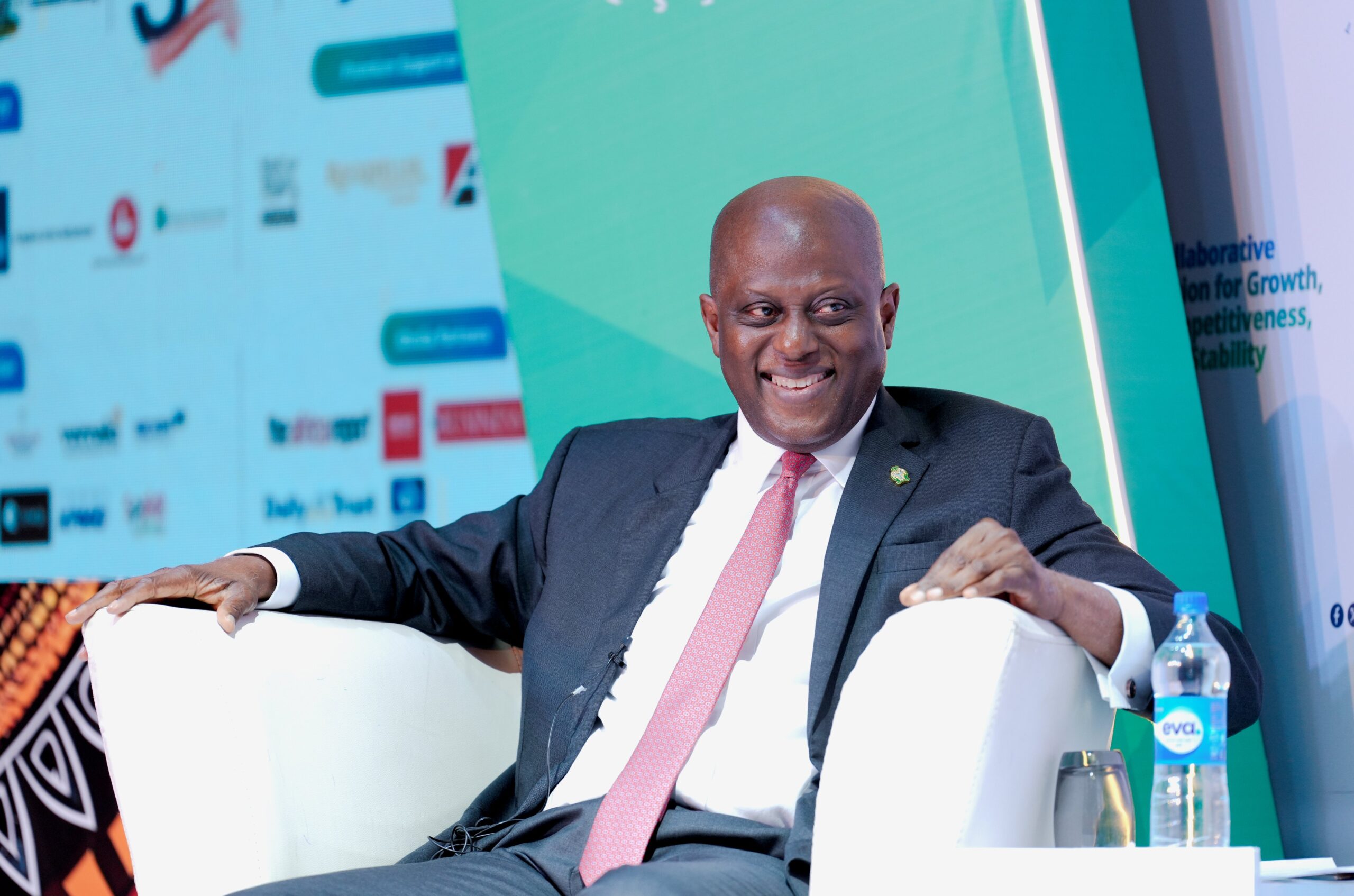
CBN Governor Cardoso: Nigeria's foreign reserves cross $55 billion, an 18-year high
Nigeria's external reserves have crossed $55 billion, the highest level in more than 18 years, according to Central Bank of Nigeria Governor Olayemi Cardoso. He credited consistency, discipline and diaspora inflows, and highlighted narrower exchange rate spreads after foreign exchange market reforms. The Monetary Policy Committee also recalibrated its policy corridor and retained key cash reserve requirements.
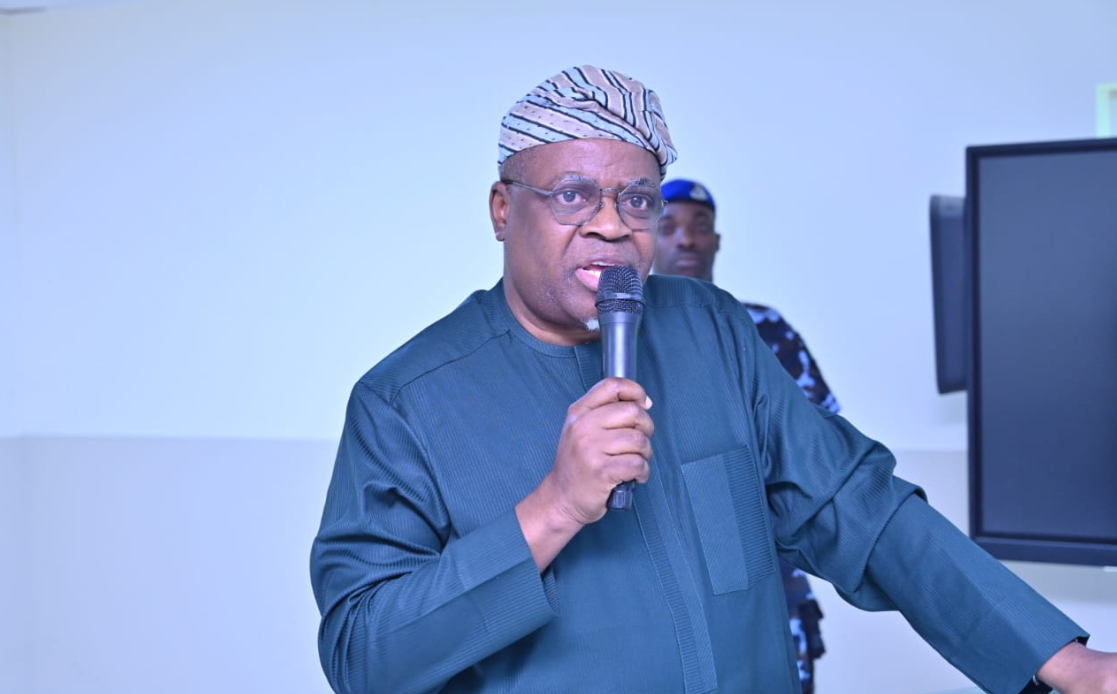
NEPZA orders stricter import checks to curb illegal imports in Free Trade Zones
NEPZA has ordered stricter import checks in Nigeria's Free Trade Zones to curb illegal importation and other regulatory breaches. The measures include intensified inspections, closer documentation review and coordinated action with enforcement agencies, with penalties for violators. The Authority says compliant operators remain protected as it works to preserve the zones as revenue-generating investment and export hubs.
Tariff freeze could deepen electricity market revenue pressure, experts warn
Nigeria's electricity market faces a persistent revenue shortfall after the Federal Government ruled out immediate tariff increases. DisCos must now rely on collections and loss reduction as supply costs continue to exceed recovered revenue, with NERC data showing a 2025 revenue gap of about N1.36 trillion. Experts warn that the subsidy and debt-funded structure remains unsustainable.
CBN cuts benchmark rate by 350 basis points to 23%, biggest reduction since 2006
The Central Bank of Nigeria has reduced the Monetary Policy Rate by 350 basis points to 23 per cent, its lowest level since February 2024. The MPC described the move as a reset to align the benchmark with market rates and support an inflation-targeting framework. Inflation eased to 15.39 per cent in August while GDP growth reached 4.43 per cent in Q2 2026.
Credit to government falls to N32.7 trillion in August, third consecutive monthly decline
Credit to the government dropped for the third straight month to N32.7 trillion in August 2026, according to Central Bank of Nigeria data. Private-sector credit rose to N84.55 trillion over the same period but remained below February's N94.61 trillion. Economists say the shift may signal a gradual rebalancing of credit allocation rather than a sustained fall in government borrowing.
CETA Bill: Nigeria Weighs Ad Valorem Tax on Sugar-Sweetened Beverages
The Senate has passed a bill amending the Customs, Excise Tariff, Etc. (Consolidation) Act to replace the ₦10 per litre specific excise duty on sugar-sweetened beverages with an ad valorem levy tied to product value or retail price. The reform aims to curb sugar consumption and raise revenue for public-health programmes, but raises administrative, industry and household-welfare concerns. The article examines the fiscal trade-offs and international design options.
Dangote-backed Sephaku seeks anti-dumping protection as South Africa investigates cement imports
Sephaku Holdings, a South African cement producer backed by Dangote Cement, has requested trade protection while South African authorities probe alleged dumping of cement imports. The case could lead to anti-dumping duties that ease pricing pressure on domestic producers and carries commercial implications for Dangote's African cement operations.
Dangote lowers petrol price by N25 as crude oil prices ease
Dangote has reduced its petrol pump price by N25 per litre in response to easing international crude oil prices. The adjustment is expected to lower transport and logistics costs for businesses and households. The move signals downstream responsiveness to global crude market trends.
Nigeria's New Phone Registry Could Drive Up Smartphone Prices
Nigeria's proposed phone tracking and registration policy may raise smartphone prices and limit affordability for millions of users. Compliance costs could be passed through importers and retailers to consumers, with implications for digital access and mobile-based commerce.
Nigeria's foreign exchange supply climbs 20.5% to $8.94 billion in 2025
Nigeria's foreign exchange supply rose 20.5 per cent to $8.94 billion in 2025, from $7.43 billion in 2024, according to the Central Bank of Nigeria's 2025 Statistical Bulletin. The increase of about $1.51 billion came alongside higher FX utilisation, inflows and external reserves, although the CBN has not yet published a sectoral breakdown of supply sources.
Disinflation Trend Boosts Expectations of Interest Rate Cut
The headline indicates that a sustained slowdown in inflation is strengthening market expectations of a reduction in the benchmark interest rate. The full article body was not provided, so specific data, policy details and timelines could not be verified. The rewrite is limited to the information carried in the headline.
Naira outlook turns bearish as strong dollar outweighs CBN rate stance
The naira's near-term outlook has shifted marginally bearish as the CBN is expected to hold rates amid a stronger dollar and higher petrol costs. With headline inflation at 15.39% and public debt above N159.35 trillion, appreciation remains limited without sustained improvement in non-oil exports or oil receipts. The currency is seen drifting toward the $1,350/$ level or consolidating.
Nigeria records $11.12 billion in personal transfers in H1 2026
Nigeria received $11.12 billion in personal transfers in the first half of 2026, rising from $5.30 billion in Q1 to $5.82 billion in Q2, according to CBN balance of payments data. The increase coincided with a 67.9% jump in the current account surplus and record IMTO inflows, underscoring the importance of diaspora remittances to external receipts.
CBN offers N500 billion in final Q3 Treasury Bills auction
The Central Bank of Nigeria is offering N500 billion in Treasury Bills across 91-day, 182-day and 364-day tenors in the final Q3 2026 auction scheduled for September 23. Bidding runs from 8:00 a.m. to 11:00 a.m. via the CBN's S4 Web Interface, with settlement due September 24. The sale closes a quarterly programme that targeted N5.8 trillion in gross issuance as yields on the one-year bill continue to ease.
Currency outside banks rebounds to N4.87 trillion in August, CBN data shows
Cash held outside Nigeria's banking system rose to N4.87 trillion in August 2026, reversing three months of decline, according to Central Bank of Nigeria data. The month-on-month increase of N70.9 billion, or 1.48%, comes as the apex bank pushes digital payments and targets lower cash circulation outside banks.
MPC weighs interest rate path as oil prices rise and inflation cools
Nigeria's Monetary Policy Committee faces a delicate policy choice as rising crude oil prices and moderating inflation pull in different directions. The decision carries implications for borrowing costs, fiscal revenue and the broader business climate.
Tax Ombud: Trust, not revenue-first targets, key to sustainable tax reforms
Nigeria's Tax Ombud has cautioned that prioritising revenue collection over taxpayer trust could weaken the sustainability of the country's tax reforms. Dr. John Nwabueze called for fair, transparent administration and said digital reforms alone cannot close the trust gap.
Free zones must export 75% of output under new FG rules
The input contained only a headline and no article body. A faithful rewrite cannot be produced without source content, and no details will be fabricated.
FG re-verifies oil wells to ensure equitable 13% derivation fund distribution
The Federal Government, through the Revenue Mobilisation Allocation and Fiscal Commission (RMAFC), has commenced re-verification of disputed and newly drilled oil and gas wells to strengthen the sharing of the 13% derivation fund. The exercise covers wells from 2017 to date and will address state complaints over coordinates, boundaries and mapping. It is designed to provide a fresh technical basis for derivation revenue allocation.
FG Rules Out Immediate Electricity Tariff Increase Amid Business Cost Concerns
The Federal Government has assured Nigerians that there will be no immediate increase in electricity tariffs. The position offers short-term certainty for businesses and households that depend on grid power. Stakeholders will continue to monitor the medium-term direction of tariff and energy policy.
NMDPRA Rules Out Pump Price Fixing, Intensifies Surveillance Against Petrol Price-Gouging
The NMDPRA has said it cannot set petrol pump prices under the Petroleum Industry Act and is stepping up surveillance against price-gouging after PMS prices rose to between N1,400 and N1,450 per litre. The regulator is working with customs authorities and the FCCPC to curb smuggling, collusion and unfair trading practices. Higher fuel costs are also driving transport fare increases and renewed calls for wage awards.
Enugu Revenue Service, BusinessDay to hold tax breakfast meeting
Enugu Revenue Service and BusinessDay are set to hold a tax breakfast meeting, according to an announcement. The session is expected to provide a platform for engagement between the state revenue authority, taxpayers and the business community on state-level tax administration.
Customs suspends Tinapa Free Trade Zone transfers amid enforcement crackdown
Nigeria Customs Service has suspended transfers at the Tinapa Free Trade Zone in Calabar and is intensifying enforcement against free trade zone violations. The move carries compliance implications for operators and supports customs revenue protection and trade oversight.
NUPRC sets October 31 deadline for non-performing oil licence holders
The Nigerian Upstream Petroleum Regulatory Commission has directed holders of non-performing oil licences to disclose their compliance status and submit revised work plans by October 31, 2026. The enforcement of the Petroleum Industry Act's Drill-or-Drop provisions could lead to relinquishment, security calls or revocation for defaulting operators.
CNG initiative catalyses $2.5 billion as Nigeria builds gas-powered transport market
The Presidential Initiative on Compressed Natural Gas and Electric Vehicles reports that more than 120,000 vehicles have been converted and about $2.5 billion in private investment catalysed. PiCNG & EV is now prioritising fuel availability, conversion financing and federal-state coordination to ensure savings reach passengers.
Nigeria’s gas export earnings climb 4.2% to $6.22 billion in H1 2026
Nigeria’s gas export earnings rose 4.2% year-on-year to $6.22 billion in the first half of 2026, lifted by a stronger second quarter. The increase was supported by higher export volumes and coincided with a widening current account surplus. Regulators are seeking to deepen the sector’s contribution through the NUPRC Gas Development Roadmap.
Nigeria's Broad Money Supply Hits N139.38 Trillion in August, Up 16.4% Year-on-Year
Nigeria's broad money supply rose to N139.38 trillion in August 2026, up 16.4% year-on-year and 0.4% month-on-month. The expansion was driven by higher net domestic assets despite a decline in net foreign assets, and comes as the CBN holds the Monetary Policy Rate at 26.50%.
NGX Inducts 103 Dealing Clerks to Reinforce Market Integrity
Nigerian Exchange Limited has admitted 103 newly qualified Authorised Dealing Clerks after they completed its 15-day Automated Trading System Brokers' Certification Programme. The induction is aimed at strengthening professionalism, capacity and ethical standards across Nigeria's capital market.
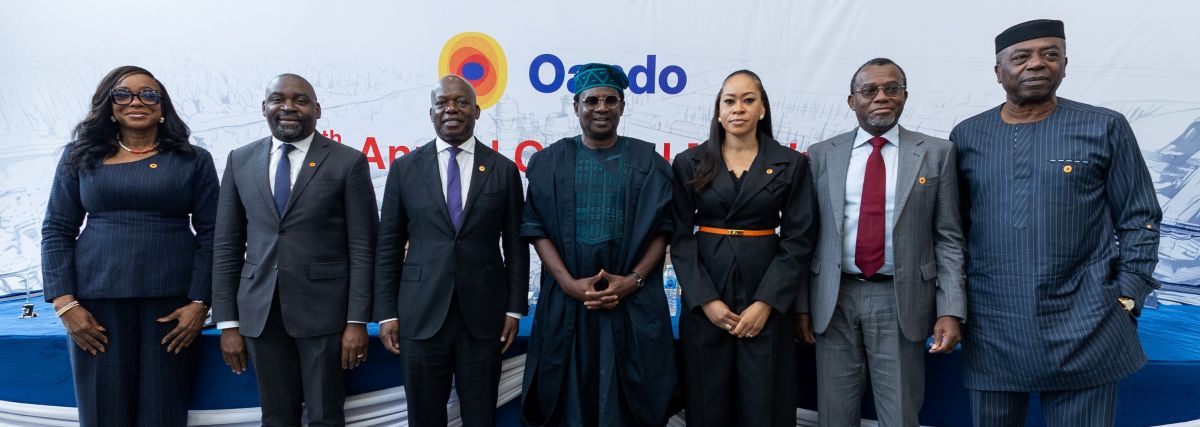
Oando Shareholders Back Board, Approve Digital Asset and Cross-Border Listing Provisions at 47th AGM
Oando PLC's shareholders passed all resolutions at the company's 47th Annual General Meeting, including director re-elections, the re-appointment of BDO Professional Services as external auditors, and amendments covering digital assets and cross-border listings. The changes permit physical, electronic, or hybrid meetings and authorise the Board to pursue listings on other stock exchanges subject to regulatory approvals. Management stressed disciplined capital allocation and operational control as central to the group's growth strategy.
Three Years of Zacch Adedeji's Revenue Revolution
This BusinessDay opinion piece reflects on three years of Zacch Adedeji's tenure at the helm of Nigeria's federal revenue administration. The submitted article body was empty, so no figures, dates, or quotations could be verified or reproduced.
Atiku calls for fuel price relief as Mambilla ruling renews $500,000 payment scrutiny
Atiku Abubakar has called for fuel price relief amid renewed scrutiny of a $500,000 payment linked to a Mambilla-related ruling. The report offers limited details on the ruling or the payment. The development touches energy costs, public accountability and fiscal-policy concerns.
Federal Government Rules Out Immediate Electricity Tariff Increase
The Federal Government has ruled out an immediate increase in electricity tariffs, providing short-term cost certainty for businesses and households. The decision keeps regulated power prices unchanged for now, with implications for operating costs, subsidy exposure, and investor sentiment in the power sector.
Akwa Ibom's unpublished spending records expose Nigeria's fiscal transparency gap
BusinessDay reports that incomplete or missing spending data from Akwa Ibom State highlights broader weaknesses in Nigeria's subnational fiscal disclosure. The gap complicates budget oversight, fiscal analysis and assessments of how public funds are utilised after appropriation.
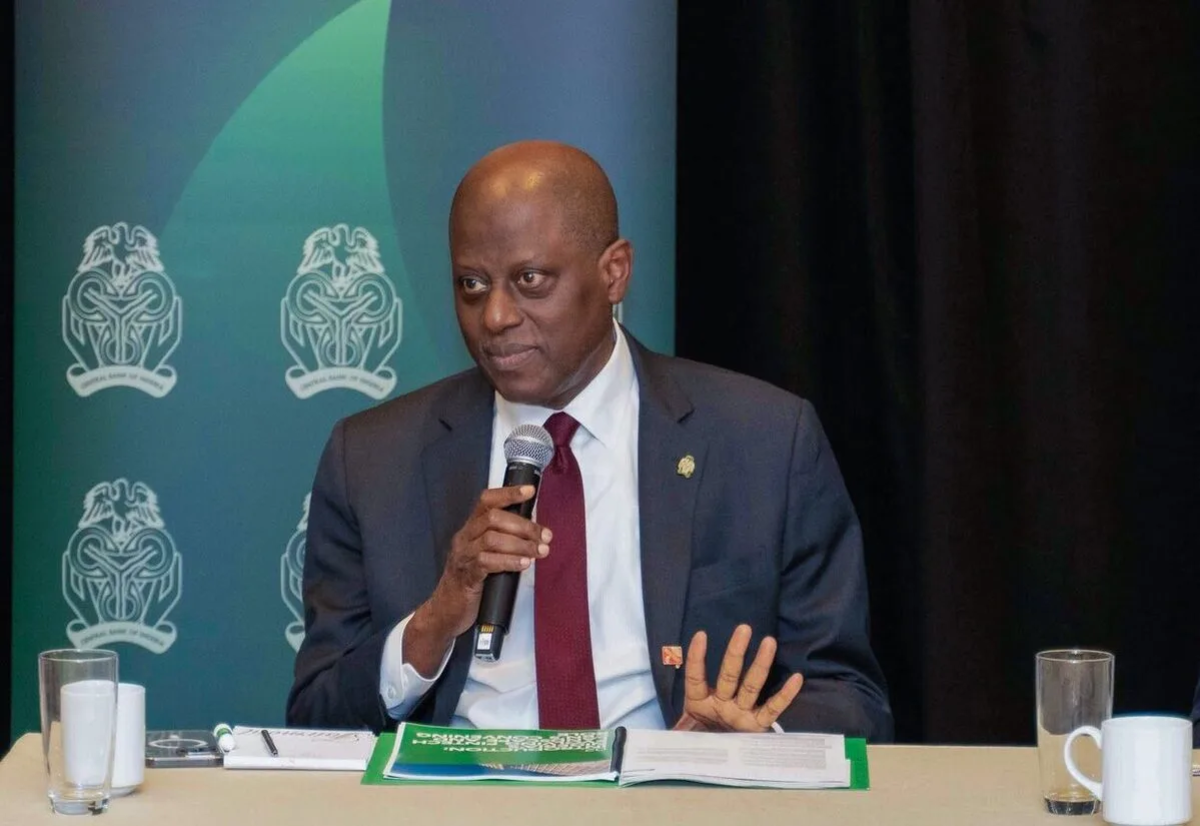
Federal Government, CBN sign MoU to deepen fiscal-monetary policy coordination
The Federal Government and the Central Bank of Nigeria have signed a Memorandum of Understanding formalising coordination between fiscal and monetary authorities. The agreement establishes a framework for consultations, information sharing and joint policy assessments aimed at improving macroeconomic management.
Government borrowing intensifies competition for bank credit amid crowding-out concerns
Nigeria's growing dependence on domestic borrowing is tightening competition for bank credit as lenders emerge from recapitalisation. The IMF says banks hold government securities worth about 22 percent of total assets, raising questions over whether new capital will reach businesses or continue flowing into sovereign debt. Private-sector credit rose to ₦83.43 trillion in July 2026, but analysts warn attractive government yields risk crowding out manufacturing and SME lending.
Digital invoicing to unlock new financing channel for SMEs and exporters, minister says
A federal minister has said digital invoicing will open a new financing channel for small and medium enterprises and exporters. Verifiable electronic invoices could support receivables-based lending while improving VAT administration and transaction visibility for revenue authorities.
NSCDC suspends commandant after 37 illegal miners die in custody
The Nigeria Security and Civil Defence Corps has suspended a commandant after 37 illegal miners died in its custody. The incident raises concerns about enforcement of solid minerals regulations and detainee welfare. Further details on the circumstances of the deaths are yet to be released.
Nigerians eye Dangote Refinery shares as IPO talk fuels social media interest
A BusinessDay report says Nigerians are discussing how to buy into the Dangote refinery as talk of a possible IPO spreads on social media. The full article text was not supplied, so specific offer details cannot be confirmed. The development points to strong retail investor interest in a major Nigerian industrial asset.

Nigeria-Canada trade swings to N23.21 billion deficit as June exports collapse 99.6%
Nigeria's trade balance with Canada moved into a N23.21 billion deficit in June 2026, ending 16 consecutive months of surpluses after exports plunged 99.55% to N1.54 billion. The reversal reflects the absence of a preferential trade agreement and heavy dependence on commodity export timing. First-half 2026 still shows a N1.26 trillion surplus, down 33.8% from H1 2025.

Nigeria’s fertilizer use remains at 15kg per hectare, below ECOWAS target
Nigeria’s fertilizer application remains about 15kg per hectare against the 50kg ECOWAS target, constraining agricultural output. Fertilizer exports generated N1.37 trillion in Q1 2026, while 36.3 million Nigerians faced severe food insecurity in August 2026.
CBN's proposed bank holding company rules could force restructuring, Fitch warns
Fitch Ratings has warned that the Central Bank of Nigeria's proposed Bank Holding Company regulations could trigger significant restructuring across the banking sector. The draft framework would shift ownership of foreign subsidiaries to holding companies, while Renaissance Capital has separately estimated that banks may need to raise more than N1.7 trillion in additional capital.
FAAC allocation drops to N2.33 trillion as statutory revenue falls 34.62%
The Federation Account Allocation Committee shared N2.33 trillion among the three tiers of government in its latest monthly disbursement after statutory revenue fell by 34.62%. The decline points to weaker inflows into the Federation Account and tighter fiscal space across federal, state and local governments.
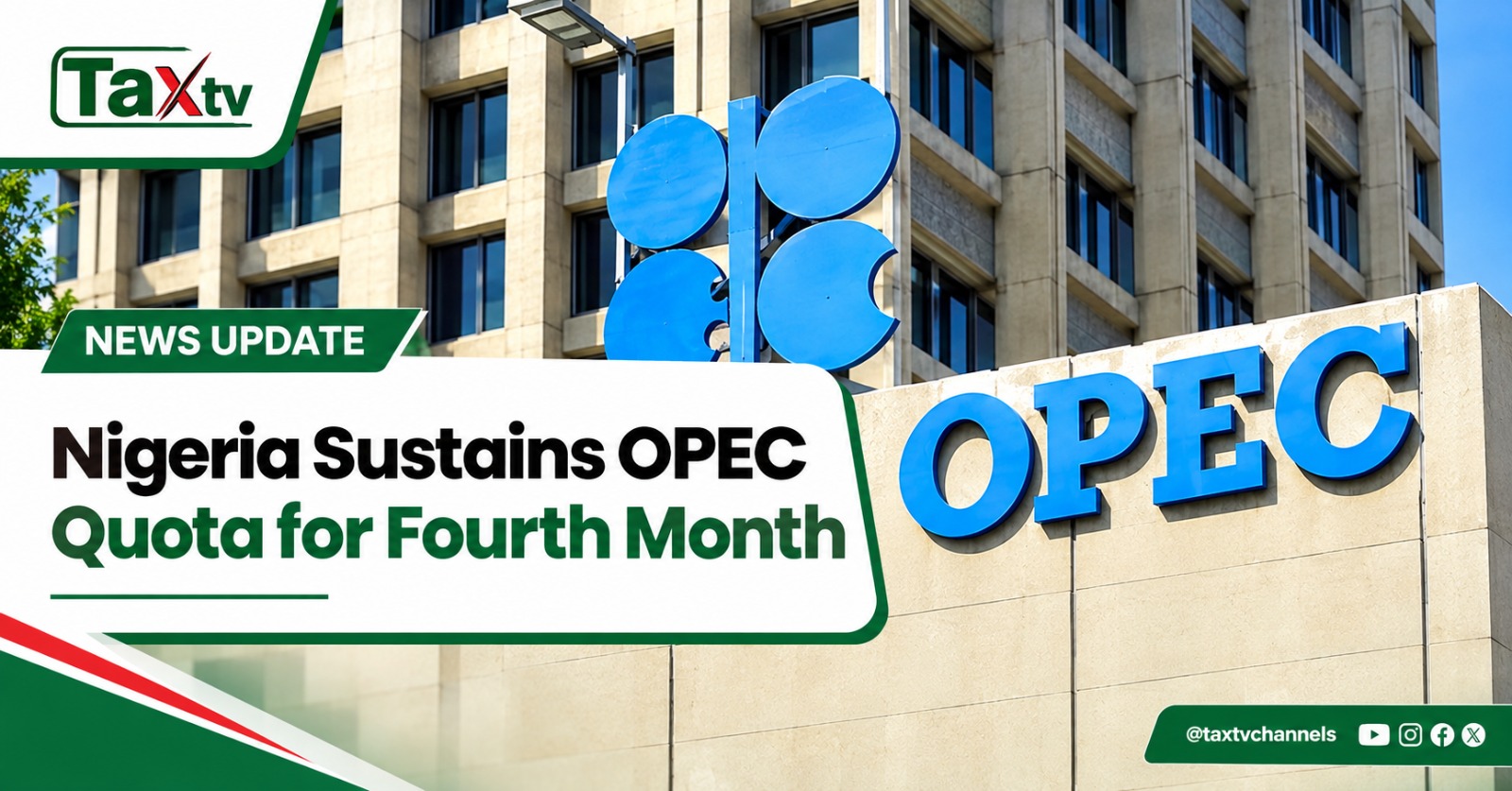
Nigeria's Oil Output Reaches 1.68m bpd, Sustains OPEC Quota Compliance for Fourth Month
Nigeria's combined crude oil and condensate production rose to 1.68 million barrels per day in August 2026, keeping the country within its OPEC quota for a fourth consecutive month. The NUPRC linked the improvement partly to restored operations at the Erha field.
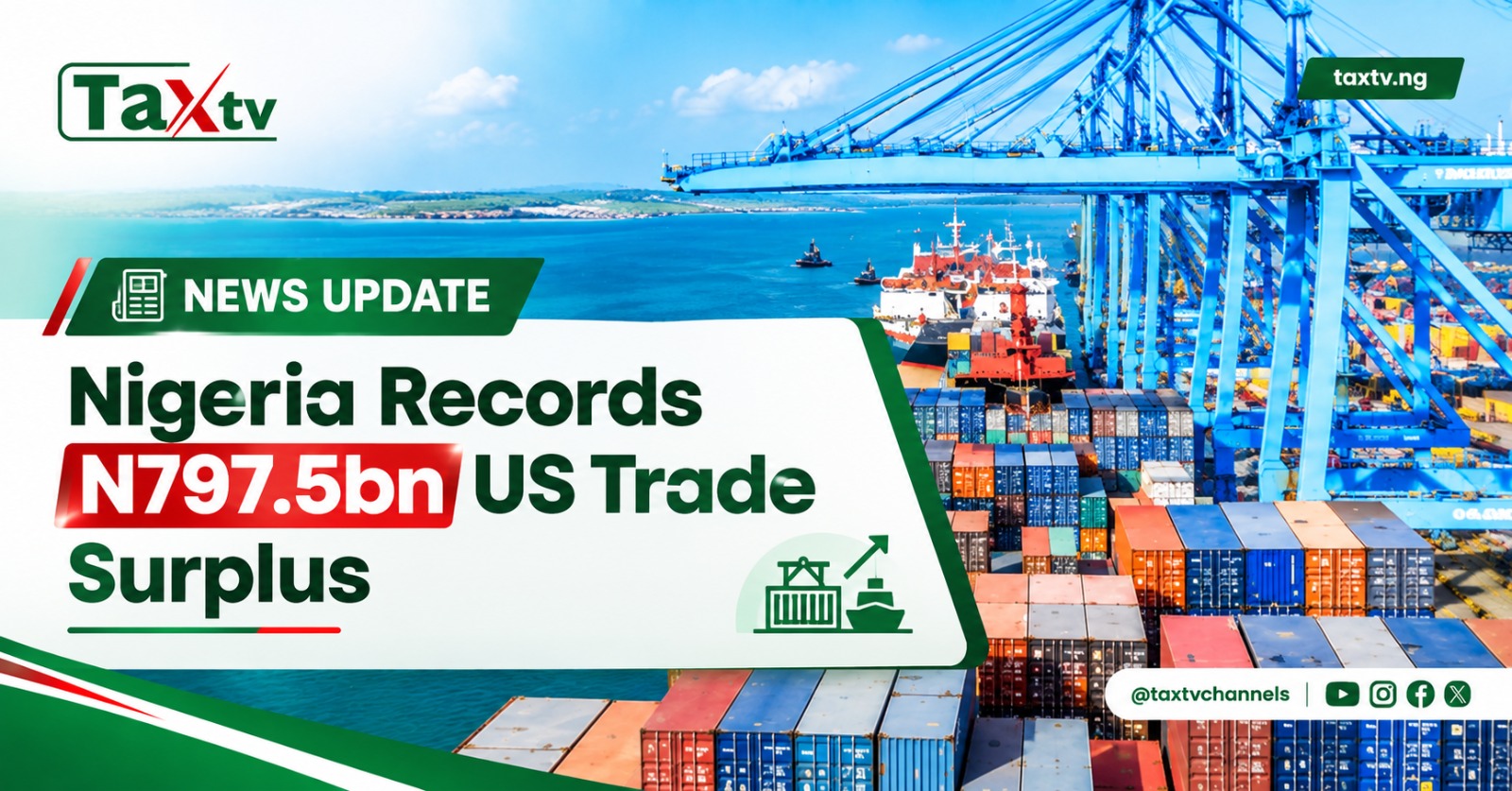
Nigeria Posts ₦797.5bn US Trade Surplus in June, Ending 14-Month Deficit Streak
Nigeria recorded a ₦797.5 billion trade surplus with the United States in June 2026, breaking a 14-month run of monthly deficits. A sharp rise in exports, led by urea, drove the turnaround, though the country still posted an overall US trade deficit in the first half of the year.
National Assembly Urges FG to Review Monetisation Policy on Lawmakers' Accommodation
The National Assembly has asked the Federal Government to review the federal monetisation policy as it affects accommodation for lawmakers. The request centres on the housing component of the monetised benefits package. Any adjustment would carry implications for recurrent expenditure and the federal budget.
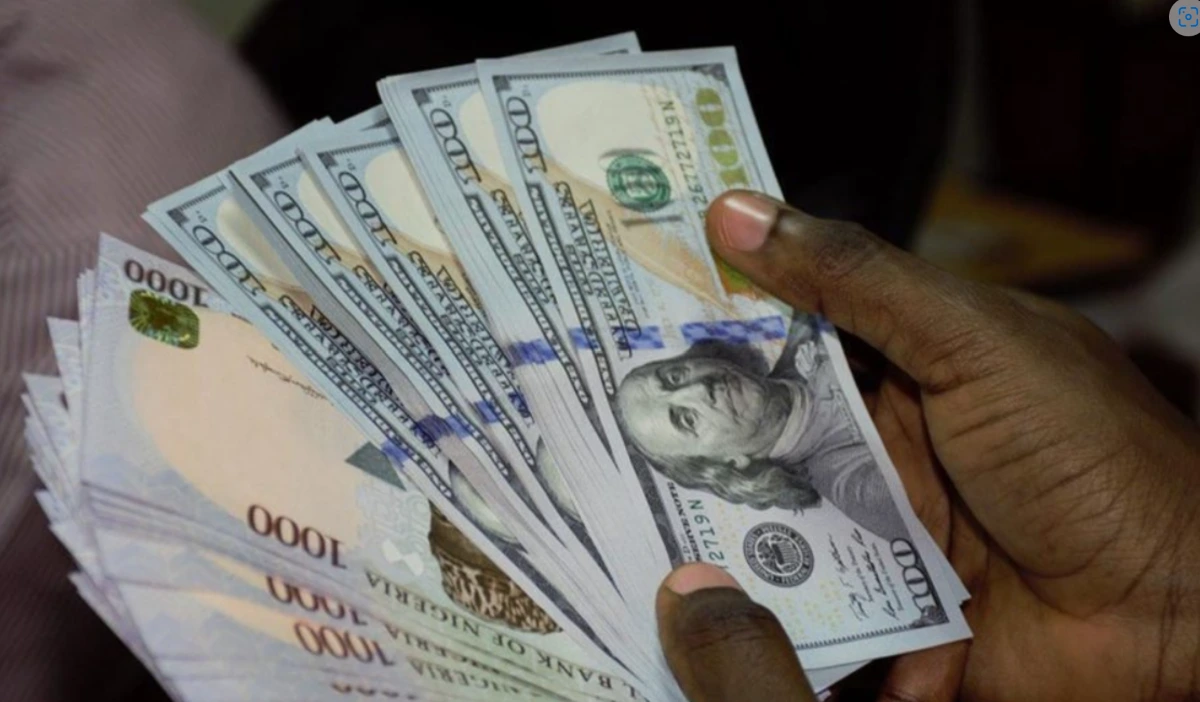
US Fed's 25bps Hike to 3.75%–4.00% Dampens Naira Bullish Outlook
The U.S. Federal Reserve raised its benchmark rate by 25 basis points to 3.75%–4.00%, its first hike since 2023, strengthening the dollar and curbing naira bullish sentiment. Higher Treasury yields are pulling foreign portfolio flows away from Nigeria even as domestic fundamentals improve. The Central Bank of Nigeria's N3 trillion OMO liquidity tightening faces added pressure from the global liquidity squeeze.
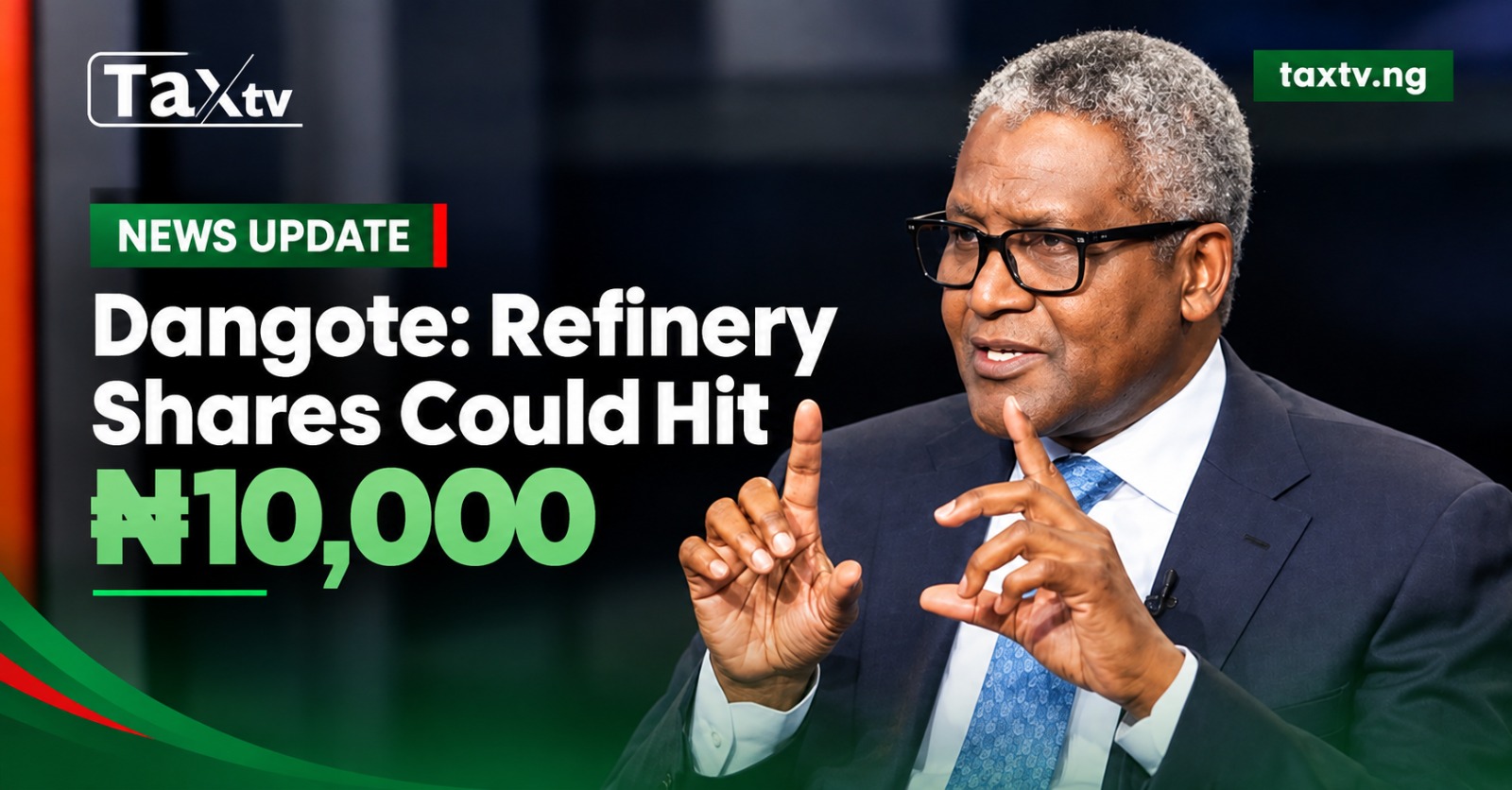
Dangote Projects Refinery Shares Could Reach ₦10,000 as IPO Opens
Aliko Dangote says Dangote Petroleum Refinery shares, offered at ₦525 each, could eventually rise to ₦10,000 as the initial public offering opens. Retail investors will be prioritised in allocations, and shareholders may receive dividends in naira or dollars.
RMAFC steps in to resolve oil well disputes affecting 13% derivation allocations
The Revenue Mobilisation Allocation and Fiscal Commission is working to resolve disputes over oil well ownership that affect the 13 percent derivation component of federal revenue allocation. The move has implications for accurate computation of derivation entitlements and for state budgets in oil-producing areas.
Manufacturers push for N1 trillion stabilisation fund to rescue shrinking factories
Nigerian manufacturers have called for a N1 trillion stabilisation fund to support factories facing contraction. The proposal was reported by BusinessDay on 17 September 2026. Details on the fund's financing and structure were not disclosed in the available report.
FG launches tax law review, begins work on 2027 finance bill
Nigeria's Federal Government has reportedly launched a review of the country's tax laws and commenced preparatory work on the 2027 Finance Bill, according to a BusinessDay report.
Bank of America projects Nigeria's first rate cut since February
Bank of America expects the Central Bank of Nigeria to reduce its benchmark interest rate for the first time since February. The outlook carries implications for business borrowing costs, government debt pricing, and capital market returns.
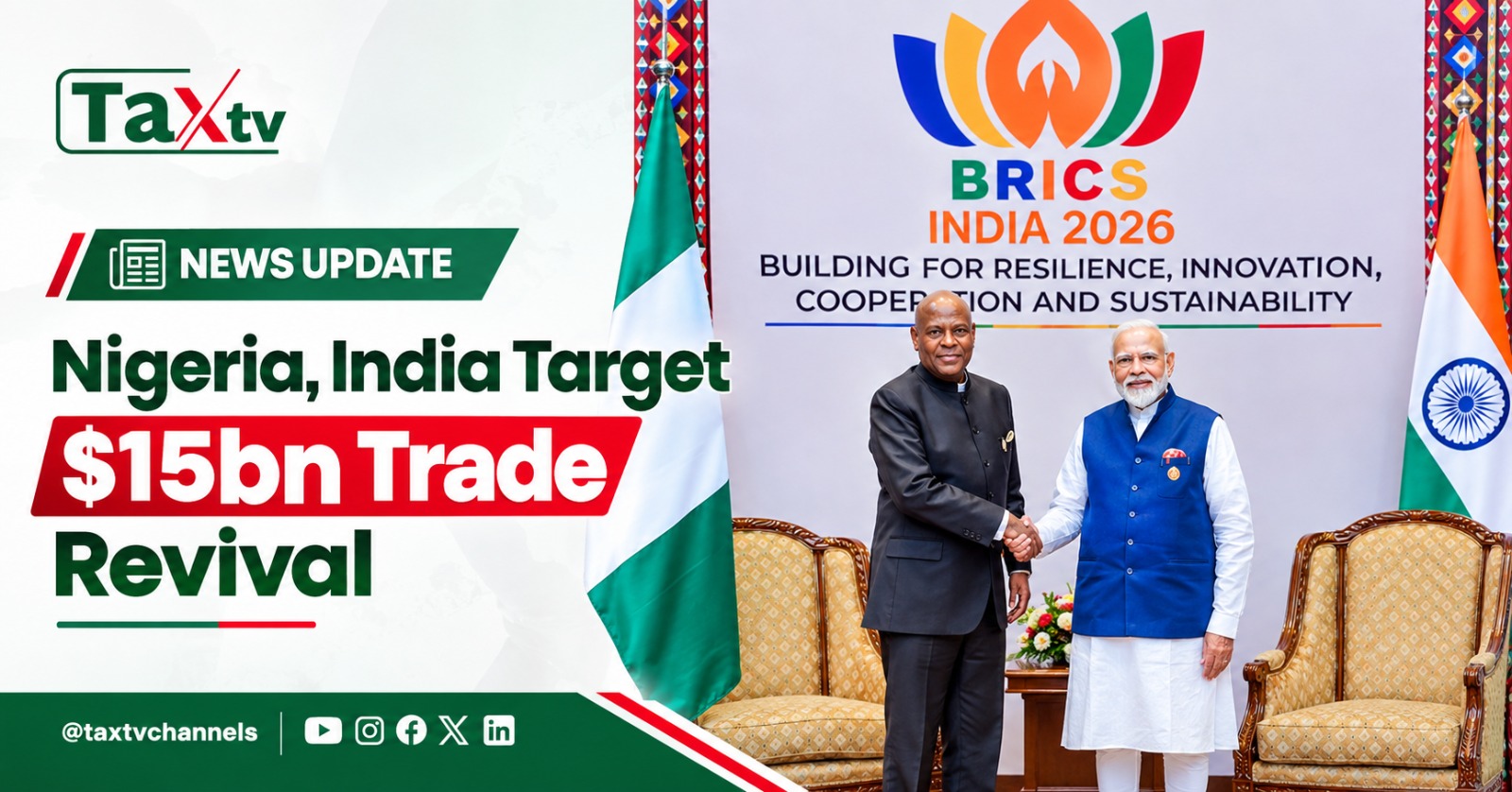
Nigeria, India Agree to Restore $15bn Trade as India Seeks Nigerian Crude
Nigeria and India have committed to rebuilding bilateral trade toward roughly $15 billion after a sharp decline, with India requesting renewed purchases of Nigerian crude oil. The pledge followed talks between Vice President Kashim Shettima and Prime Minister Narendra Modi at the BRICS Leaders' Summit in New Delhi.
US Federal Reserve Raises Rates as Inflation and Middle East Conflict Weigh on Economy
The United States Federal Reserve has raised its benchmark interest rate as inflation and the conflict in the Middle East continue to weigh on the American economy. The decision carries implications for global financial conditions and investor sentiment toward emerging markets such as Nigeria.
Higher US Rates Raise the Cost of Nigeria's Global Capital Market Return
Rising United States interest rates are pushing up the cost of dollar borrowing for emerging market issuers, complicating Nigeria's planned return to international bond markets. Higher coupons would raise debt service costs, pressure the naira and external reserves, and tighten dollar liquidity for Nigerian businesses. Authorities may respond with smaller issuance or a shift toward concessional funding.
Fitch: naira depreciation sharply lifts foreign subsidiaries' earnings contribution for Nigerian banks
Fitch Ratings says the 70% naira devaluation in 2023–2024 significantly raised the share of earnings and assets contributed by foreign subsidiaries at Nigerian banking groups. UBA and Access Bank recorded the largest shifts, while Zenith Bank's overseas units generated N331.7 billion in 2025 pre-tax profit. The rating agency also flagged sovereign risk and regulatory capital constraints tied to cross-border expansion.
US Federal Reserve rate hike raises naira pressure and portfolio flow risks
The US Federal Reserve raised its benchmark rate by 25 basis points to a range of 3.75% to 4%, its first increase since July 2023. Nigerian analysts say high domestic yields may limit portfolio outflows, but exchange-rate volatility and imported inflation remain risks.
Phantom Cash Transfers in National Social Register Spark Fiscal Accountability Concerns
Reports of phantom cash transfers under Nigeria's national social register have raised concerns about beneficiary verification and public fund leakages. The issue points to weaknesses in data governance and accountability within social protection spending. Stronger validation and reconciliation controls would help ensure that allocations reach genuine recipients.
Naira Holds at N1,329 as External Reserves Reach $54.60 Billion
The naira steadied at N1,329 to the dollar while Nigeria’s external reserves reached $54.60 billion, according to a BusinessDay report. The figures highlight key exchange rate and reserve levels for businesses and fiscal planners. Importers, investors and tax administrators are watching the data for cost and revenue implications.
FG: Dangote Refinery IPO could add $60 billion to NGX market capitalisation
The Federal Government has indicated that a potential initial public offering by Dangote Refinery could add about $60 billion to the market capitalisation of the Nigerian Exchange. The projection frames the listing as a major event for the domestic capital market. No timing or pricing details have been confirmed.
NLC pushes for emergency measures as petrol price reaches N1,430
The Nigeria Labour Congress has called for emergency interventions after the pump price of petrol climbed to N1,430. The demand highlights renewed pressure on household budgets and business operating costs. Fuel pricing remains a key fiscal and macroeconomic concern for Nigeria.
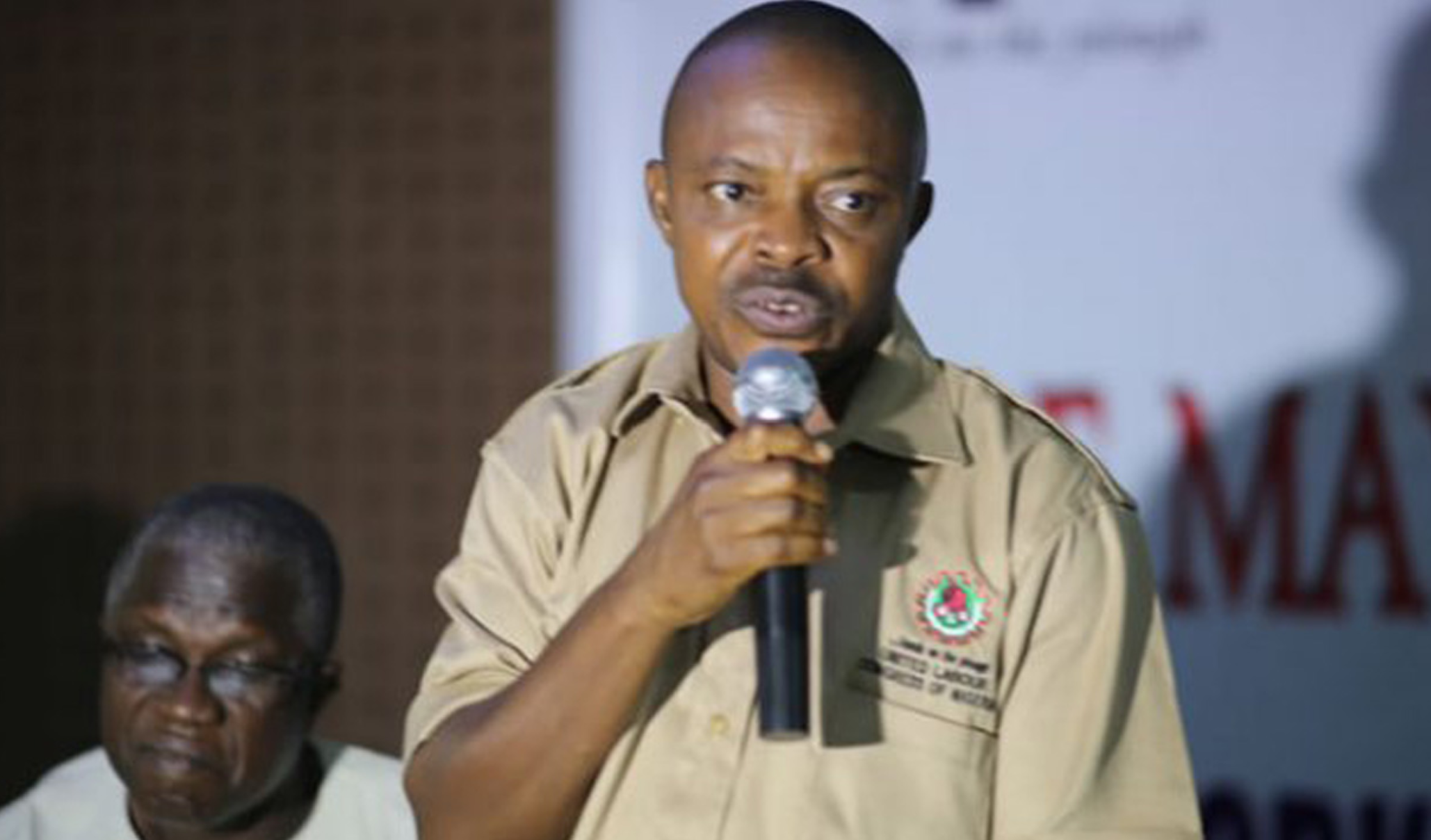
NLC urges immediate wage awards as petrol prices hit N1,430 per litre
The Nigeria Labour Congress has called for immediate wage awards as rising petrol prices push up transport costs and living expenses. NLC President Joe Ajaero also proposed naira-denominated crude supply to local refineries and expanded storage capacity. He argued the government earns $35–$40 above its budgeted crude oil price and can afford emergency subsidies.
CBN releases N3.81 trillion in two days as bank liquidity surges to N4.89 trillion
The Central Bank of Nigeria returned N3.81 trillion to the banking system across September 15 and 16, 2026, lifting system liquidity by 131 per cent to N4.891 trillion parked at the Standing Deposit Facility. The repayments largely matched FMDA projections and extended a recurring pattern of heavy liquidity management through OMO and Treasury Bills instruments.
PenCom extends deadline for civil servants' pension verification to December
The National Pension Commission has extended the deadline for civil servants to complete pension verification to December. The extension gives federal civil servants under the Contributory Pension Scheme more time to submit required records before retirement benefits are processed. Affected employees are advised to confirm their schedules with pension fund administrators.
BusinessDay examines living wage debate and its implications for Nigerian businesses
BusinessDay's opinion piece explores the gap between the minimum wage and the cost of living in Nigeria. The discussion weighs the impact on business payrolls, PAYE revenue and inflation. It frames the issue as a trade-off between fair wages and economic competitiveness.
Disinflation Trend Strengthens Expectations of Interest Rate Cuts
A sustained slowdown in the pace of price increases has strengthened market expectations of interest rate cuts. For Nigerian businesses, lower rates could ease borrowing costs and support credit access, while also affecting yields on government securities. The trend carries implications for fiscal planning and tax revenue collections.
Tinubu directs 95 percent NIN coverage by December as enrolment hits 142 million
President Bola Tinubu has directed that National Identification Number coverage reach 95 percent by December, as enrolment reached 142 million. The directive has implications for tax administration, financial inclusion, and regulatory compliance, given the NIN's role in taxpayer identification and customer due diligence. Meeting the target will depend on the pace of enrolment and the capacity of identity registration infrastructure.
Businesses seek joint tax audits amid federal-state coordination gaps
The supplied source data did not include the article body, so a faithful rewrite cannot be produced without risking fabrication of facts, figures, or quotations. The available headline indicates businesses are pushing for joint tax audits because of coordination gaps between federal and state tax authorities.
Nigeria's inflation rate eases to 15.39% as monthly price growth slows
Nigeria's headline inflation has moderated to 15.39 percent, with month-on-month price growth also slowing. The development is a relevant macro indicator for consumer demand, business cost planning and monetary policy. The full article body was not supplied, so additional details could not be verified.
Nigeria's Energy Inflation Climbs to 4.69% in August, Reversing July Decline
Nigeria's energy inflation rose to 4.69% in August 2026 from 4.40% in July, a 0.29 percentage-point increase, according to the National Bureau of Statistics. The rise came even as headline inflation eased to 15.39%, extending disinflation for a third consecutive month. Energy costs remain the dominant driver of inflation perceptions among firms and households.

Presco Plc shareholders approve N17.1 billion final dividend for 2025
Presco Plc has secured shareholder approval for a final dividend of N14.66 per 50 kobo ordinary share, amounting to N17.09 billion, for the 2025 financial year. The payout, subject to withholding tax deductions, was approved at the company's virtual Annual General Meeting on September 15, 2026. The meeting also ratified board appointments, directors' remuneration, and a new statutory audit committee.
Power Minister Urges EFCC to Intensify Crackdown on Vandalism and Energy Theft
Nigeria's Minister of Power has asked the Economic and Financial Crimes Commission to step up enforcement against electricity vandalism and energy theft. The move adds a financial-crimes dimension to the sector's response and could support revenue protection for power companies. Stakeholders await details on how the crackdown will be coordinated and prosecuted.
CardinalStone closes N729 billion power bond to clear legacy debt
CardinalStone has closed a N729 billion fresh power bond designed to clear legacy debt, according to a BusinessDay report. The full article body was not supplied, so only the headline facts are reported here.
Leaving Nigeria does not end a company's tax obligations
Companies exiting Nigeria remain liable for taxes accrued before they cease operations. FIRS can pursue outstanding liabilities even after the deregistration process begins. Exit planning should therefore include final returns, settlement of all dues, and tax clearance.
Dangote links high petrol prices to smuggling and international crude costs
Aliko Dangote has attributed Nigeria's high petrol prices mainly to cross-border smuggling, noting neighbouring markets are 30 to 50 per cent more expensive. He also stressed that locally refined fuel remains tied to international crude prices amid the Middle East crisis.
MonieWorld Shutdown: Five UK-to-Nigeria Remittance Alternatives for Diaspora Users
MonieWorld, a digital platform used for money transfers from the United Kingdom to Nigeria, is winding down operations. The closure affects diaspora users who depend on such channels for household support, business payments, and foreign exchange inflows. The report identifies five alternative remittance services to consider.
Petrol nears N1,500 per litre as Nigerian businesses face fresh cost squeeze
Nigerian businesses are absorbing higher fuel costs as petrol prices move toward N1,500 per litre. The increase raises logistics and production expenses, with knock-on effects for inflation and tax collections. Firms are reviewing energy sourcing and pricing strategies to protect margins.
Fitch flags debt and liquidity risks in Nigeria's $5 billion TRS deal
Fitch Ratings has flagged transparency, liquidity, and creditor-recovery risks in Nigeria's use of Total Return Swaps and repo transactions. A special report published on September 14, 2026, warns that the structures can obscure the true scale of sovereign liabilities. Fitch also highlights a divergence with the IMF over how pledged bond collateral should be counted in Nigeria's debt stock.
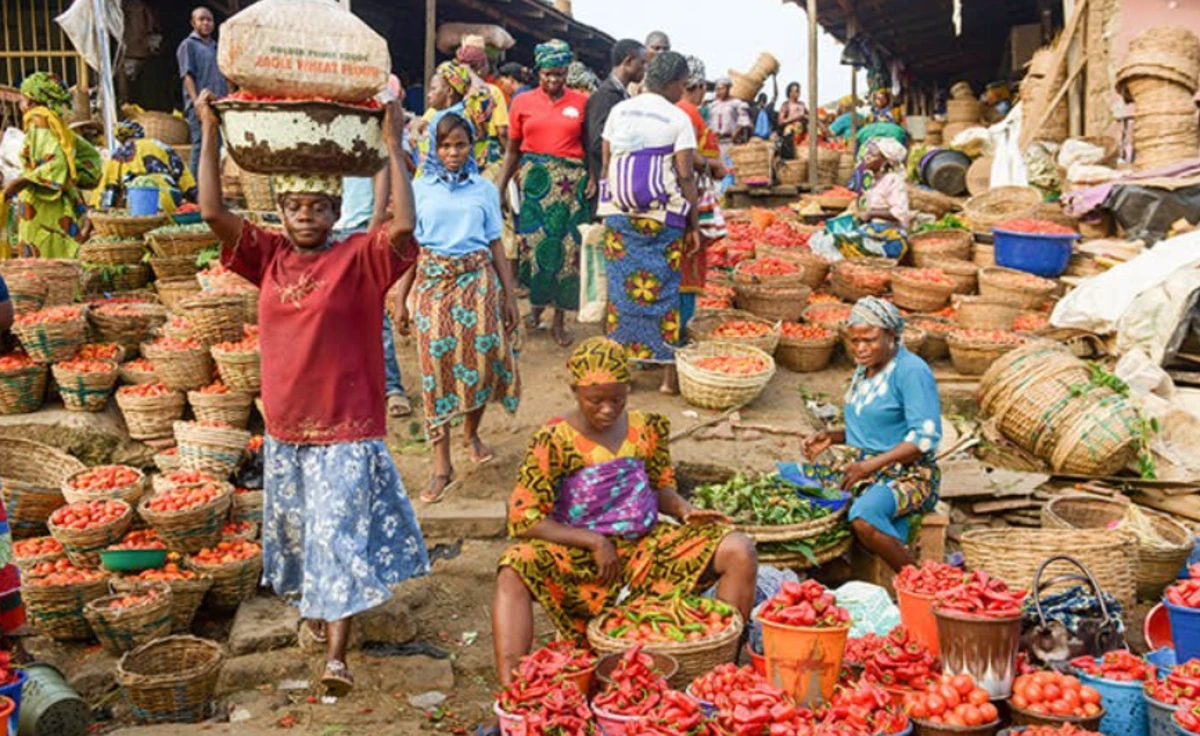
Nigeria's headline inflation eases to 15.39% in August, NBS reports
Nigeria's headline inflation fell to 15.39% in August 2026 from 15.43% in July, marking a third consecutive monthly decline, according to the National Bureau of Statistics. Food and core inflation also moderated, with core inflation turning negative month-on-month. The result came in below analyst projections ranging from 15.3% to 15.94%.
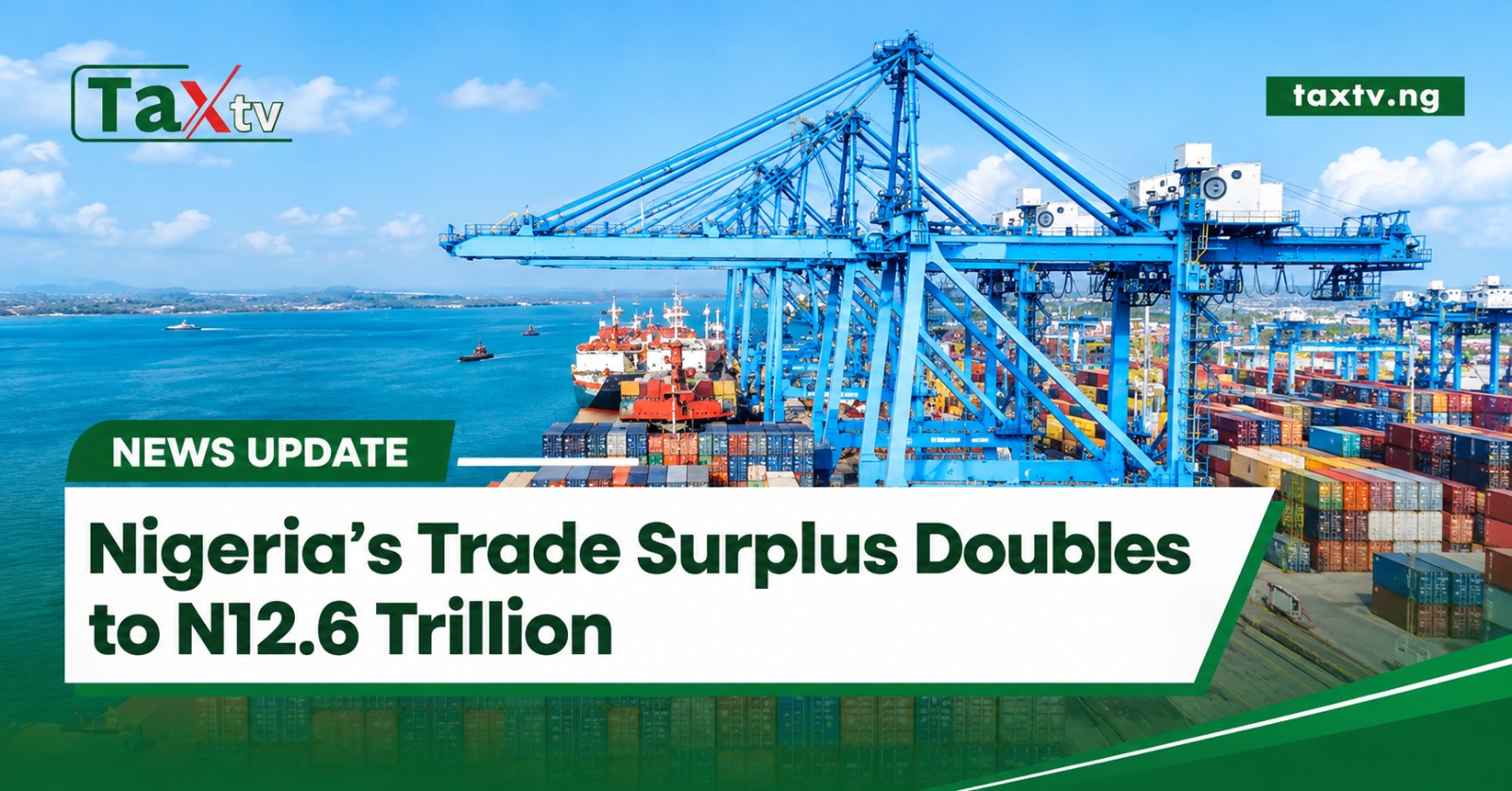
Trade Surplus More Than Doubles to ₦12.6tn in Q2 2026
Nigeria's merchandise trade surplus reached ₦12.6tn in the second quarter of 2026, more than double the level recorded a year earlier, according to the National Bureau of Statistics. Rising exports and a contraction in imports drove the improvement, though petroleum continued to dominate export earnings.

Nigeria's New Tax Laws and Bank Monitoring: What Authorities Can Actually Access
Fears that the Nigerian government would monitor bank accounts and deduct taxes directly spread before the Nigerian Tax Act took effect on 1 January 2026. The new laws do not permit real-time surveillance, but they do allow tax authorities to obtain financial records and recover unpaid liabilities in defined circumstances.
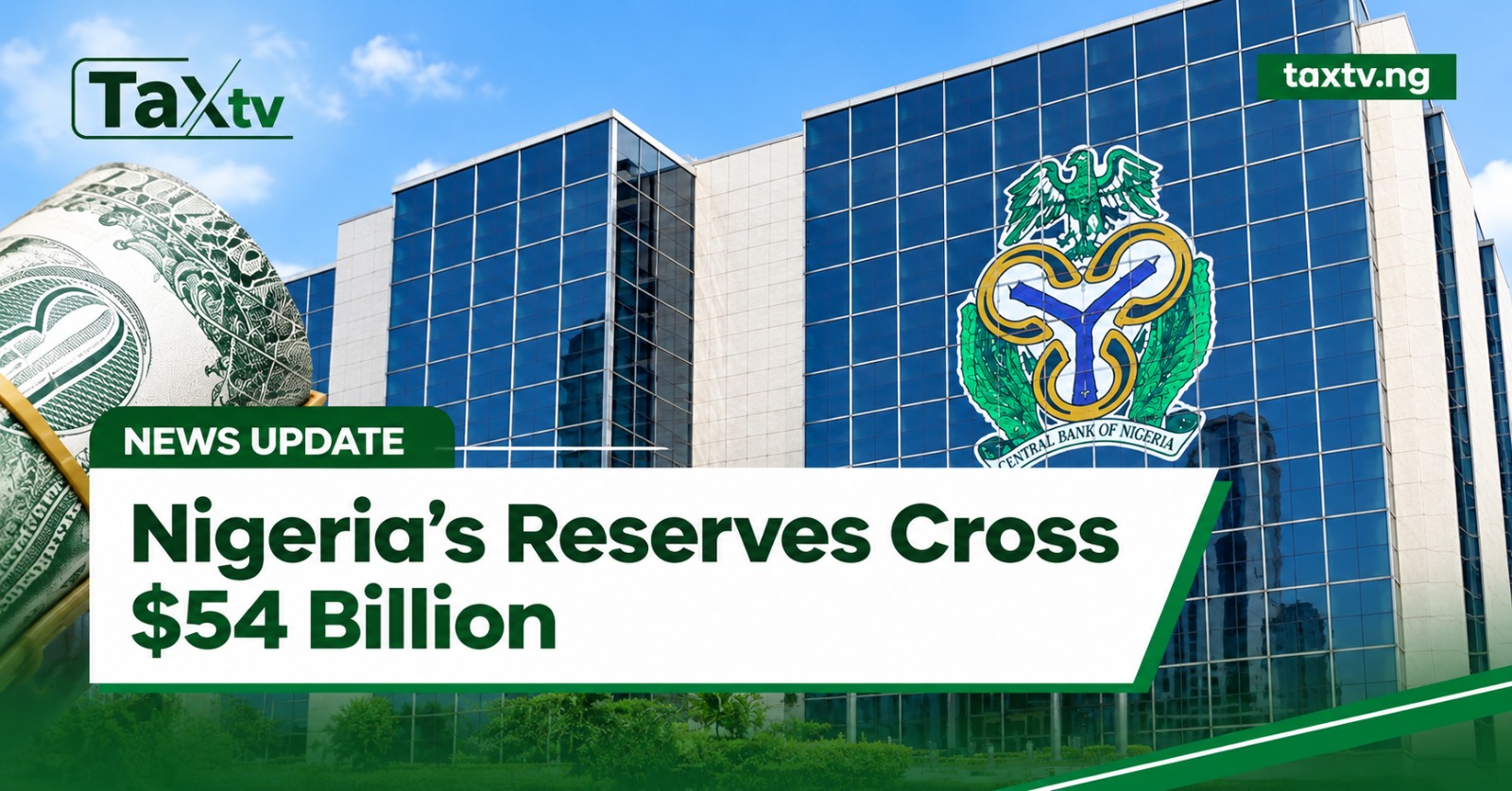
External Reserves Reach $54.08bn, Nigeria's Highest Level Since 2008
The Central Bank of Nigeria reports that external reserves climbed to $54.08 billion as of 3 September 2026, the strongest position since December 2008. The gain reflects improved foreign exchange inflows, including crude oil-related tax receipts, and greater liquidity in the currency market.
CBN Says Macroeconomic Gains Will Soon Reach Nigerian Households
The Central Bank of Nigeria has assured Nigerians that improving macroeconomic indicators will gradually be felt by households and businesses. Deputy Governor Philip Ikeazor stressed the need for stronger monetary and fiscal coordination, while other speakers called for better access to affordable credit for MSMEs.
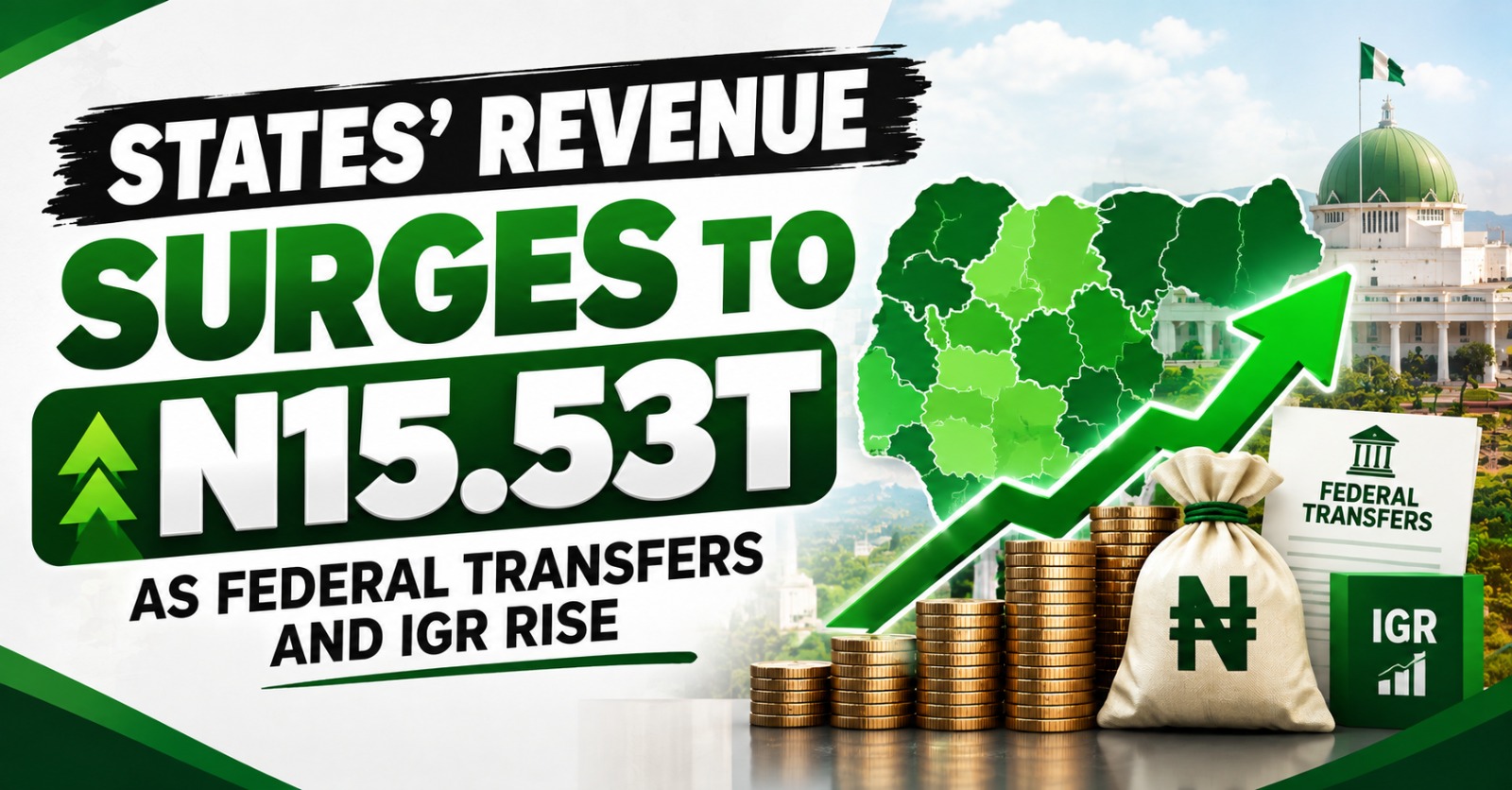
States' combined revenue climbs 211% to N15.53tn on transfers, IGR
Combined revenue for 34 Nigerian states rose from N4.99 trillion in 2022 to N15.53 trillion in 2025, according to a BudgIT analysis. Federal allocations and internally generated revenue both increased, while spending growth lagged behind revenue growth.
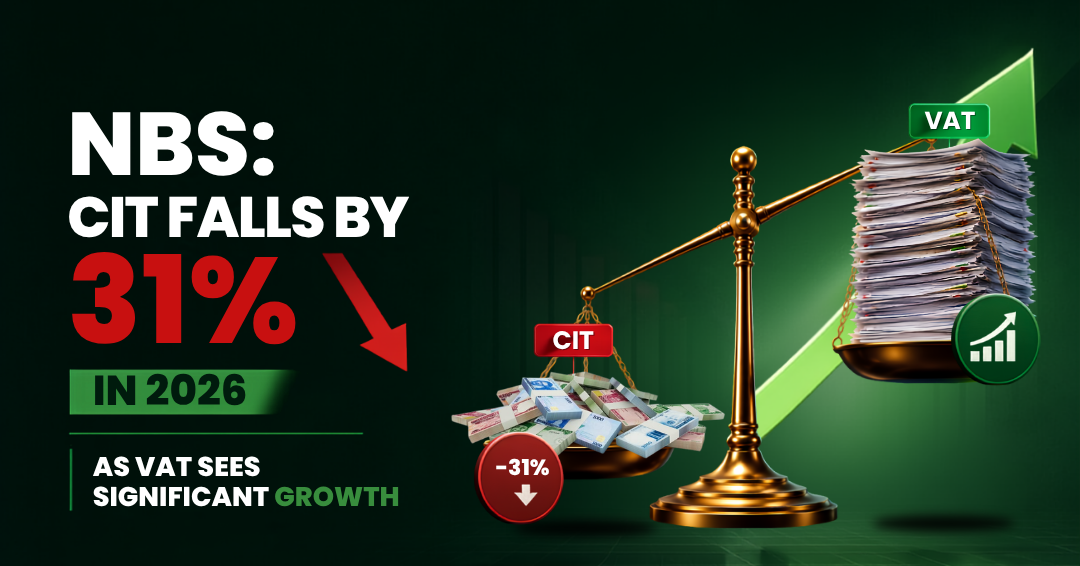
NBS: Company Income Tax Declines 31% to N1.37 Trillion in Q1 2026
The National Bureau of Statistics reports that Company Income Tax collections fell 31% year-on-year in the first quarter of 2026, dropping from N1.98 trillion to N1.37 trillion. By contrast, Value-Added Tax receipts rose 17.06% to N2.42 trillion over the same period.

Nigerian Private Sector Credit Rises to N83.43 Trillion as Businesses Borrow More
Central Bank of Nigeria data shows private-sector credit climbed from N80.59 trillion in April to N83.43 trillion in July 2026, a 3.52 per cent increase. Borrowing demand remains strong even though the Monetary Policy Rate stayed at 26.5 per cent in July.
Nigeria Nears $1trn Economy Target as Q2 GDP Growth Reaches 4.43%
The Federal Government says Nigeria is moving closer to its one-trillion-dollar economy target for 2030 after the National Bureau of Statistics reported real GDP growth of 4.43 percent in Q2 2026. The Federal Ministry of Finance described the expansion as increasingly broad-based, with 27 subsectors growing above 3 percent.

Nigeria Tax Administration Act 2025: Penalties for Taxpayers Who Claim Ignorance
The Nigeria Tax Administration Act, 2025 makes clear that a claim of not knowing the law does not remove tax liability. Freelancers, small traders, and landlords can face penalties, interest, enforcement action, and possible prosecution for failing to register, file, pay, or respond to tax authorities.
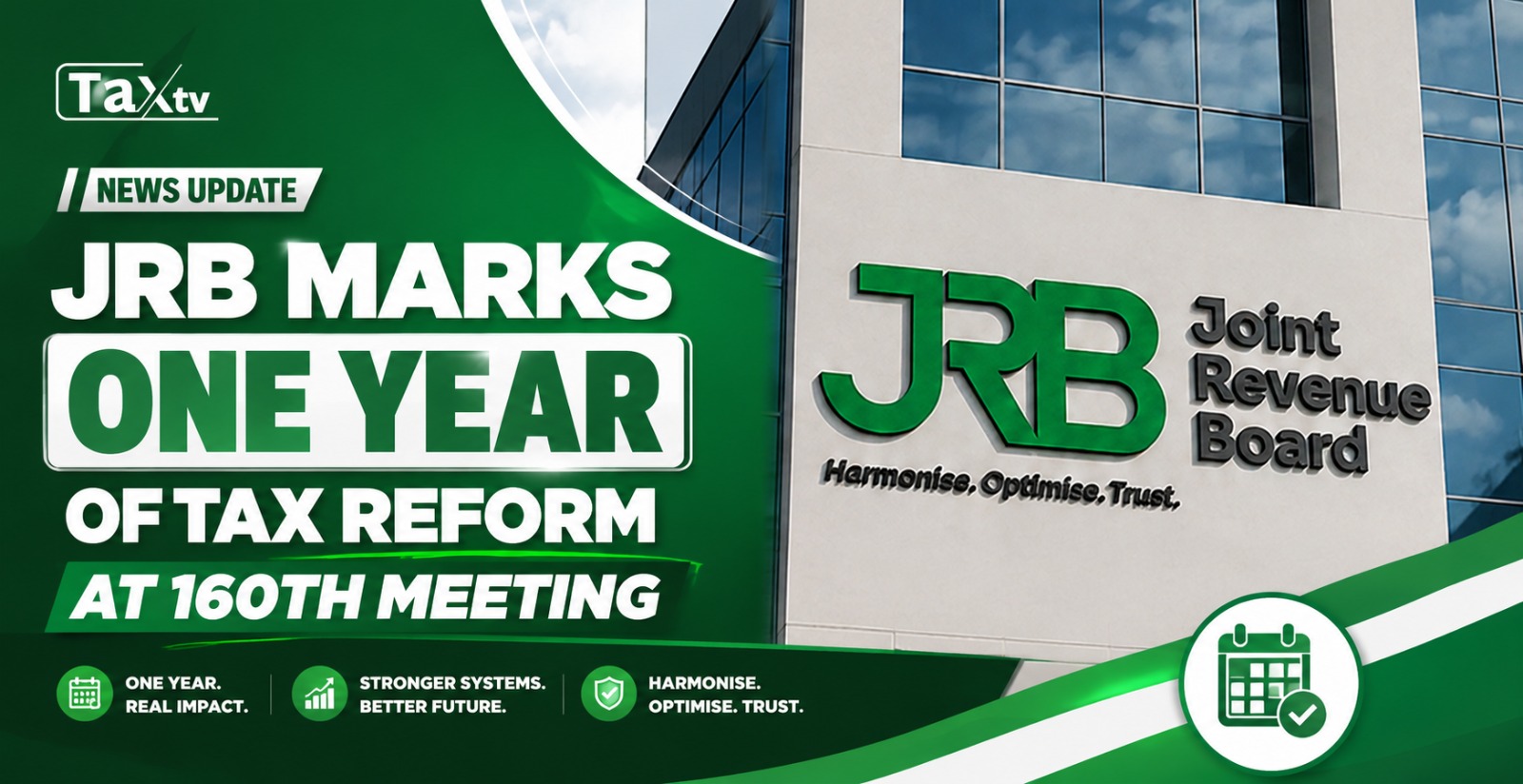
JRB Convenes 160th Meeting to Review One Year of Tax Reform
The Joint Revenue Board is holding its 160th meeting from 1 to 3 September 2026 in Kaduna to assess the first year of tax reform under the Nigeria Tax Act and the Nigeria Tax Administration Act. Hosted by KADIRS and led by Zacch Adedeji and Olusegun Adesokan, the gathering features a multi-state panel and is expected to issue a communiqué at its close.
What the Nigeria Tax Act 2025 Means for Young Nigerians
The Nigeria Tax Act 2025 introduces a personal income tax exemption of ₦800,000 annually and formal recognition of digital assets, directly affecting young earners and online workers. Survey data shows awareness is high but practical knowledge of obtaining a TIN remains limited.
BusinessDay Nowcast Projects August Inflation to Moderate to 15.3%
BusinessDay's nowcast estimates that Nigeria's headline inflation will ease to 15.3 percent in August. The projection signals a continued moderation in price pressures, with implications for monetary policy, business costs, and fiscal planning. Official inflation data will confirm the reading.
Nigeria's minimum wage erodes to $52 as fuel price increases squeeze incomes
Nigeria's minimum wage now stands at about $52 in dollar terms as rising fuel prices erode real household incomes. Higher transport and food costs are squeezing consumer budgets and business margins, with knock-on effects for consumption-linked revenue and wage policy.
FG raises N1.23 trillion via power sector bonds to settle N4 trillion GenCo debt
The Federal Government has mobilised N1.23 trillion through two power sector bond issuances to clear about N4 trillion in legacy obligations owed to generation companies. Series 2 raised N728.9 billion, comprising N402 billion in cash bonds and N326.9 billion in non-cash bonds. Officials say the programme aims to restore liquidity across the electricity value chain, though the finance minister cautioned that debt settlement alone cannot fix the sector.
Nigeria's solid mineral exports climb 83.4% to N249.7 billion in H1 2026
Nigeria's solid mineral exports reached N249.70 billion in the first half of 2026, an 83.4% increase from N136.17 billion a year earlier, according to National Bureau of Statistics trade data. The rise follows federal reforms including the Nigeria Revenue Service's takeover of mineral royalty collection. Solid minerals still account for less than 1% of total exports, leaving room for expansion.
Nigeria's minimum wage now worth $52 as fuel prices climb
Nigeria's national minimum wage is now valued at about $52 in dollar terms as fuel prices continue to rise, eroding real household incomes. The development points to weaker consumption, higher operating costs for businesses, and potential pressure on consumption-linked tax revenue. Labour and policy stakeholders may be forced to revisit wage benchmarks and fuel pricing.
FG issues N729bn bond to clear legacy debts owed to power GenCos
The Federal Government has issued a new N729 billion bond to settle legacy debts owed to electricity generation companies. The instrument is aimed at clearing long-standing obligations in the power sector and carries implications for public debt and sector liquidity. Details of the bond's structure are expected to shape market response.
Africhange secures IMTO licence in Ghana to expand regulated remittance network
Africhange has obtained an International Money Transfer Operator licence in Ghana, extending its regulated remittance footprint across Africa. The approval allows the payments company to operate directly under Bank of Ghana supervision. The move underscores tightening regulation of cross-border payments in West Africa.
Nigerian Treasury bills: Is a ₦100,000 investment still worthwhile at 1.19% real return?
An investment of ₦100,000 in Nigerian Treasury bills now yields a real return of 1.19% after adjusting for inflation. The thin inflation-adjusted margin raises questions about whether the low-risk instrument still offers meaningful value for savers and cash managers. The assessment considers the trade-off between capital preservation and purchasing-power growth.
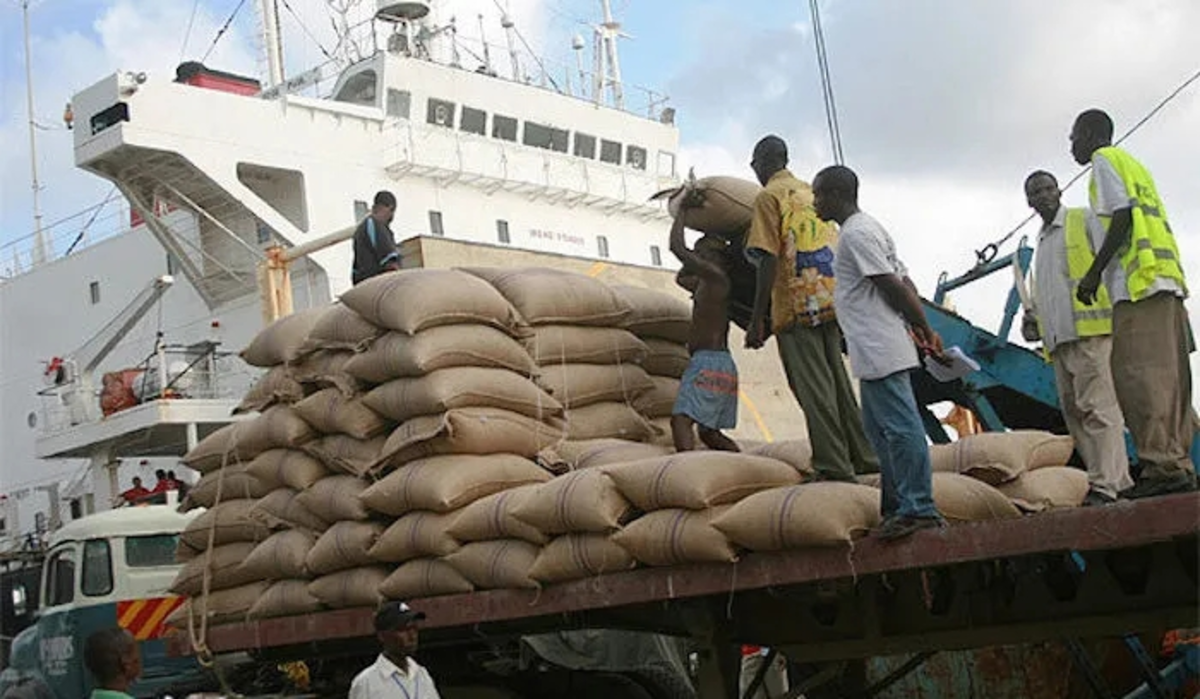
Nigeria's agricultural imports drop 8.5% to N2.03 trillion in H1 2026
Nigeria's agricultural imports fell 8.5% year-on-year to N2.03 trillion in the first half of 2026, according to National Bureau of Statistics trade data. Quarterly figures show a second-quarter rebound even as the half-year total remained below the N2.22 trillion recorded in H1 2025. Strong agricultural exports and the sector's position as Nigeria's largest employer underline its importance to the non-oil economy.
EFCC cautions lawyers against billing clients in foreign currencies, threatens prosecution
The Economic and Financial Crimes Commission has warned Nigerian lawyers that charging clients in foreign currencies is illegal and unethical, with offenders facing possible prosecution. The caution followed a meeting between the commission's Lagos Zonal Directorate 2 and the NBA Lagos Task Force on Illegal Practice of Law. The move extends the EFCC's earlier campaign against the dollarisation of domestic transactions.
RMB Nigeria advises BOI on oversubscribed ₦274.18 billion bond issuance
Rand Merchant Bank Nigeria acted as Joint Issuing House on the Bank of Industry's inaugural domestic bond, a ₦274.18 billion five-year fixed-rate instrument due 2031. The deal was oversubscribed, having been upsized from an initial ₦250 billion target.
Inflation is rewriting what Nigerian consumers consider value
BusinessDay reports that Nigeria's inflation shock is changing how consumers assess value. The full article text was not provided in the request, so a detailed, fact-safe rewrite could not be completed.
Dangote Refinery's Scale Positioned to Reshape Africa's Global Refining Role
Aliko Dangote is positioning the Lekki-based refinery's capacity as a lever to shift Africa's standing in the global refining market. The project could reduce Nigeria's reliance on imported fuels and alter regional trade flows. Its trajectory carries fiscal and business implications for downstream energy and government revenue.
Nigeria Meets OPEC Quota for Fourth Month, Yet Output Lags 2026 Budget Target
Nigeria's crude oil production met its OPEC quota for a fourth consecutive month in August 2026, with output of 1.5 million barrels per day excluding condensates. Total crude and condensate production rose 0.4 percent to 1.68 million barrels per day, but remains below the 1.84 million barrels per day assumed in the 2026 budget.

Petrol Crosses N1,400 per Litre as Brent Crude Climbs Past $100
Rising international crude prices have pushed retail petrol above N1,400 per litre in major Nigerian cities, intensifying pressure on transport costs, inflation and business operating expenses. The NMDPRA maintains that petrol pricing is fully deregulated and driven by market forces, while consumers fear pump prices could approach N1,500 per litre.

CPPE urges targeted relief over petrol price rise, backs subsidy reforms
The Centre for the Promotion of Private Enterprise (CPPE) has asked the Federal Government to adopt targeted interventions to cushion the impact of higher petrol prices, which rose from N1,300 to N1,430 per litre. Chief Executive Officer Dr. Muda Yusuf argues that such measures are more fiscally sustainable than restoring the universal fuel subsidy. The group also wants greater transparency in how subsidy savings are deployed across all tiers of government.

Dangote Refinery ₦2.15 Trillion IPO Set to Debut on Nigerian Exchange
Dangote Petroleum Refinery and Petrochemicals FZE is set to list on the Nigerian Exchange through a ₦2.15 trillion initial public offering of 4.1 billion shares at ₦525 each. The offer, which opens on 14 September and closes on 13 October 2026, implies a post-offer market capitalisation of about ₦65.22 trillion. The listing follows a sharp revenue expansion and a return to profitability in the first half of 2026.
Tantita urges stronger infrastructure security to protect N12.9tr Q2 oil windfall
Tantita Security Services is pushing for stronger protection of Nigeria's oil and gas infrastructure after a N12.9 trillion oil windfall was recorded in the second quarter. The firm frames infrastructure hardening as critical to preserving crude output and the petroleum revenues that support public finances.
Dangote Refinery N2.15 trillion IPO opens as analysts question valuation outlook
Market analysts are divided over the valuation attached to Dangote Petroleum Refinery's N2.15 trillion IPO, while broadly agreeing the listing could deepen Nigeria's capital market and draw millions of new retail investors. The offer opens on September 14 and closes on October 13, 2026, with only 3.30% of the post-offer company available to public investors.
DMO Offers Fresh N600 Billion of 15.45% FGN June 2038 Bond
The Debt Management Office is reopening the 15.45% FGN June 2038 bond for N600 billion as part of a N1 trillion auction on September 14. The remaining N400 billion will come from a new September 2036 bond, with investor focus on whether borrowing costs continue to ease.

Lower vehicle tariffs may not return imports to Lagos, importers warn
Nigeria has reduced vehicle tariffs and import levies under its 2026 Fiscal Policy Measures, but importers say high clearing costs and port delays could still divert cargo to neighbouring ports. Operators argue total landed cost and clearance predictability matter more than statutory duty alone. Vehicle imports rose 18.3% year on year in Q2 2026.
How credit ratings impose hidden fiscal costs on African economies
Sovereign credit ratings shape borrowing costs for African governments, including Nigeria, and can quietly raise debt-service burdens. Lower grades translate into higher Eurobond yields and reduced fiscal space. The debate over rating methodology has strengthened calls for reform and African-owned rating institutions.
Systematic land titling transforms Maiduguri's urban poor into property owners
A structured land titling programme in Maiduguri is converting informal occupants into registered property owners, with implications for property taxation, land revenue and access to credit. The initiative illustrates how land administration reform can reshape urban property markets and widen the tax base.
Federal Government pays N1.1 billion additional benefits to 175 retiring civil servants
The Federal Government has disbursed N1.1 billion in additional benefits following the retirement of 175 civil servants. The payment represents a direct charge on federal personnel and pension provisions. The report was published on 12 September 2026.
FG's free daily data plan seen boosting students' digital learning access
Experts say the Federal Government's free daily data programme could widen access to digital learning by removing mobile data cost barriers. The initiative also raises fiscal and regulatory questions around funding, sustainability, and telecoms compliance. Successful implementation will depend on clear eligibility criteria and monitoring arrangements.
CBN survey projects business confidence to reach 36.1 points by February 2027
The Central Bank of Nigeria's Business Expectation Survey projects a steady rise in business confidence to 36.1 points by February 2027, up from 14.8 points in August 2026. Improved demand and broad sectoral gains underpin the outlook, but firms still rank high or multiple taxation as their biggest constraint. Employment expectations remain subdued even as exchange-rate sentiment improves.
Nigeria Airways ex-workers begin receiving N18bn severance two decades after liquidation
The Federal Government has started paying N18 billion in severance benefits to 2,700 former Nigeria Airways workers, more than 20 years after the carrier was liquidated. The Ministry of Finance says 2,100 beneficiaries have already been paid, with a mop-up exercise expected from late September or early October for outstanding cases. The settlement forms part of efforts to resolve legacy liabilities from the defunct national carrier.
Dangote Refinery launches ₦2.15 trillion IPO with FirstBank as receiving bank
Dangote Petroleum Refinery & Petrochemicals FZE will open its initial public offering on 14 September 2026, offering 4.1 billion ordinary shares at ₦525 each. FirstBank is acting as a Receiving Bank, with proceeds earmarked for refinery expansion and listing on the Nigerian Exchange Limited Main Board. Investors must make full payment on application, and the offer closes on 13 October 2026.
Dangote Refinery raises petrol gantry price by N85 to N1,350 per litre
Dangote Refinery has raised its petrol gantry price by N85 to N1,350 per litre, according to a report dated 11 September 2026. The adjustment affects the wholesale benchmark paid by petroleum marketers and is likely to feed into downstream fuel costs.
Federal Government pays N18 billion to former Nigeria Airways workers after two-decade wait
The Federal Government has disbursed N18 billion to former Nigeria Airways employees, closing a claims process that spanned roughly two decades. The payment settles outstanding entitlements tied to the liquidation of the national carrier. It represents a significant fiscal outflow and highlights how government handles legacy liabilities from state-owned enterprises.

FG disburses N1.1 billion exit benefits to 175 Treasury-funded retirees
The Federal Government has paid about N1.1 billion in additional exit benefits to 175 retirees under the new Exit Benefit Scheme. PenCom disclosed that N12.3 billion of the N32.90 billion appropriated for the scheme in 2026 has so far been released into the dedicated CBN account.
Ogun State releases N6.75 billion for gratuity and additional pension benefits
The Ogun State Government has disbursed N6.75 billion to settle gratuity and Additional Pension Benefits owed to retirees. Of the total, N2.751 billion covers gratuity for 432 beneficiaries, while N4 billion is for Additional Pension Benefits from July 2025 to date.
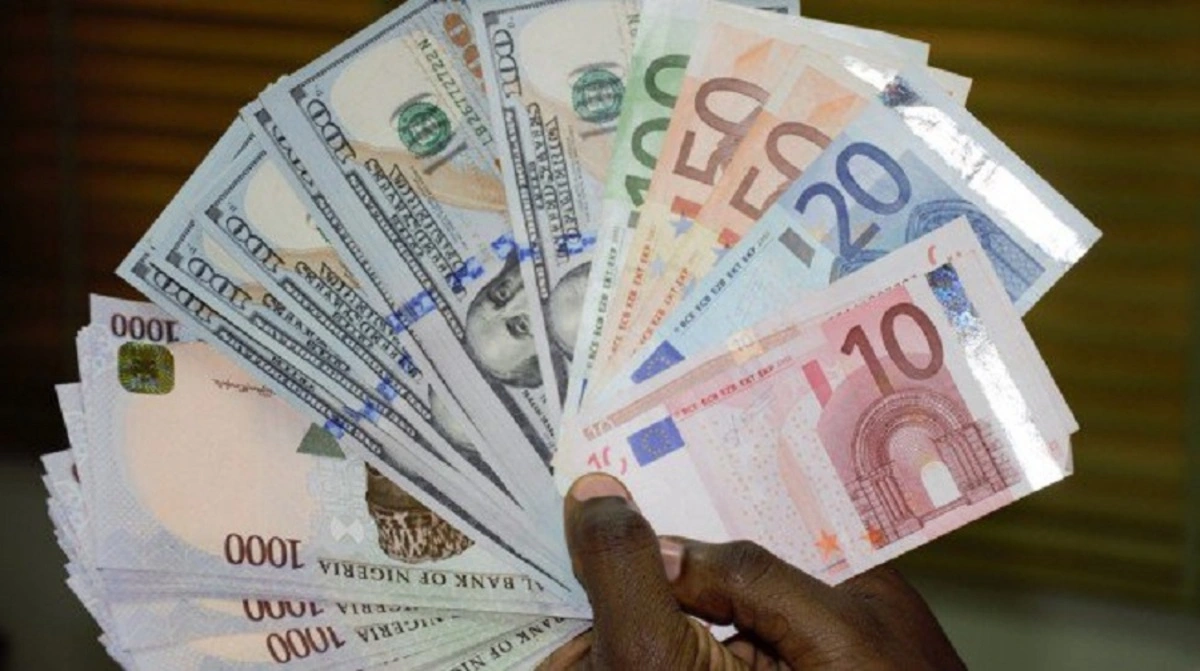
NFEM turnover rises to $1.45 billion, highest since July 21
Daily turnover on the Nigerian Foreign Exchange Market climbed 167.2% to $1.45 billion on September 10, the strongest session since July 21, 2026. Deal volumes and interbank activity also increased, while the naira firmed marginally to N1,328/$. Analysts say sustained liquidity, rather than a single day's surge, will be the key test for market depth.
Nigeria's resource-rich states struggle to turn natural endowments into revenue
Nigeria's mineral- and oil-rich states continue to underperform in internally generated revenue despite their natural resource base. The gap reflects weaknesses in fiscal administration, royalty capture, and subnational tax collection rather than a lack of resource endowment. The situation raises questions about how effectively the country's fiscal federalism translates resource wealth into public revenue.
Nigeria's Crude Oil Output Declines for Second Consecutive Month in August
Nigeria's crude oil production fell for a second straight month in August, according to the report. The sustained decline carries implications for federation revenue, foreign exchange liquidity and budget execution, while reinforcing the case for stronger non-oil revenue mobilisation.
Amaranta Appoints Ooni Ogunwusi Chairman, Targets 100,000 Barrels at OML 42
Amaranta has named Ooni Ogunwusi as chairman and is targeting production of 100,000 barrels at Oil Mining Lease 42. The appointment places the Ooni of Ife at the head of an energy venture with direct implications for oil revenue, royalties, and hydrocarbon tax collections.
FG's N339bn Healthcare Spending Puts Focus on Nationwide Coverage
The Federal Government's N339 billion healthcare expenditure has intensified scrutiny of Nigeria's drive for broader health coverage. The outlay carries implications for budget execution, universal coverage targets, and private sector participation. Efficient deployment will be central to whether the spending improves nationwide outcomes.
Resource-rich States struggle to turn natural wealth into revenue
The full article text was not supplied in the request, so the piece could not be faithfully summarised or rewritten without risking fabrication of facts, figures, or quotes.
Brent crude climbs past $107 per barrel on Middle East supply fears
Brent crude, the global oil benchmark, has risen above $107 per barrel as Middle East tensions raise fears of supply disruption. For Nigeria, higher oil prices carry direct implications for federal revenue, budget funding, and foreign exchange inflows. The market is watching whether geopolitical risks translate into actual output losses.

Airlines met TSC repayment plans before union action, says Prof. Obiora Okonkwo
United Nigeria Airlines Executive Chairman Prof. Obiora Okonkwo says domestic airlines were servicing outstanding Ticket Sales Charge debts under NCAA repayment plans before union action disrupted the process. He defended the structured repayment framework and renewed calls to review the 5% TSC amid a dispute over more than N25 billion in alleged arrears. The controversy highlights tension between aviation regulatory funding and the financial burden on operators.
FG launches zero-rated education platforms to expand digital learning access
The Federal Government has introduced a zero-rated data policy for approved academic platforms through the Ministry of Education and the Nigerian Communications Commission. The initiative aims to widen digital learning access while regulators prepare safeguards for minors. Telecoms operators are expected to support the scheme under parliamentary oversight.
NERC Directs DisCos to Remit Up to 60% of Capex for Infrastructure Upgrades
The Nigerian Electricity Regulatory Commission has directed distribution companies to remit up to 60 per cent of their capital expenditure allocations toward infrastructure upgrades. The measure is intended to accelerate network rehabilitation and tighten financial discipline across the power distribution segment.
Air Peace Chairman Flags $1.85m Bird Strike Repair Bill, Seeks Aviation Development Levy
Air Peace's chairman has highlighted a $1.85 million repair bill arising from a bird strike and called for the creation of a dedicated aviation development levy. The demand, reported by BusinessDay, places a new fiscal proposal before Nigerian aviation regulators and policymakers.
Peter Obi Plans to Keep Naira Float and Condemns Corrupt Subsidy Regime
Peter Obi has indicated he would retain Nigeria's floating naira exchange-rate framework if elected, while describing the fuel subsidy regime as corrupted. The stance signals continuity in a major economic reform area and carries implications for investors, importers, and fiscal oversight. It also shifts attention to how subsidy savings are managed and accounted for.
Peter Obi backs Tinubu’s naira float policy, vows to retain it if elected
Peter Obi has said he would retain President Bola Tinubu’s naira float policy if elected in 2027, describing the currency measure as one policy he would preserve. He also rejected restoring fuel subsidy and pledged productivity-led growth with agricultural investment for the North. The position signals continuity on exchange-rate liberalisation ahead of the vote.
AfDB announces $5.1bn emergency facility to cushion Africa against energy and fertiliser shocks
The African Development Bank has unveiled a $5.1 billion emergency plan aimed at protecting African economies from energy and fertiliser price shocks. The facility is expected to ease pressure on input costs, import bills and government budgets across the continent.
Nigeria's Deep Offshore Investment Reset: What the 2026 Tax Remission Order means for investors
The extracted article body was not supplied, so a faithful rewrite cannot be produced without risking fabricated facts.
Higher FAAC allocations haven't made Nigerians richer – Atiku
The supplied source text is empty, so the article cannot be rewritten without inventing facts. Only the headline and source URL were provided, with no article body, quotes, figures or dates to preserve.
CBN allots N1.05 trillion as one-year Treasury bill stop rate drops to 16.62%
The Central Bank of Nigeria allotted N1.05 trillion at its September 9, 2026 Treasury Bills auction and cut the one-year stop rate to 16.62%, the third consecutive reduction. Investor demand remained concentrated on the 364-day bill, which drew about 96% of total subscriptions, while shorter tenors stayed weak. The easing trend points to a broader shift in Nigeria's fixed income market ahead of the next MPC meeting.
Nigeria's Food Import Bill Reaches N3.3 Trillion in First Half of 2026
Nigeria spent N3.30 trillion on food and beverage imports in H1 2026, with spending rising sharply in the second quarter despite a 3.1% year-on-year decline. The FAO has warned that about 34.7 million Nigerians could face severe food insecurity, reinforcing pressure on domestic production and policy.
Nigeria's pension reform must convert promises into retirement security
The sustainability of Nigeria's pension system will depend on turning reform commitments into reliable retirement outcomes for contributors. Regulators, fiscal authorities and employers all have a stake in ensuring that contributions are protected, benefits are paid promptly, and the system supports broader economic stability.
Investors Commit N6.3 Trillion to OMO Bills as Yields Drop Below 20%
Nigerian investors placed N6.3 trillion in Open Market Operations instruments as yields on the central bank's short-term paper declined below 20 percent. The inflows signal strong demand for OMO bills despite moderating returns. Falling yields point to softer short-term rates across the fixed income market.
EFCC chairman urges Oyo State to enact terrorism financing law
EFCC Executive Chairman Ola Olukoyede has called on the Oyo State Government to enact a law against terrorism financing. The appeal highlights the role of state legislatures in strengthening Nigeria's anti-money laundering and counter-terrorism financing framework. Any resulting law could create new compliance obligations for businesses and financial institutions operating in the state.
Northern Nigeria Faces Fresh Capital Flight Concerns Over Insecurity and Tax Pressures
Fresh anxiety surrounds capital outflows from northern Nigeria, where insecurity and taxation pressures are weighing on business confidence and investment. The trend carries implications for subnational revenue collection, the tax base and broader regional economic stability.
FG seeks N1 trillion in September bond auction with N50 million minimum subscription
The Debt Management Office plans to raise N1 trillion through FGN bonds in September 2026, comprising a new 10-year instrument and a reopening of the 15.45% June 2038 bond. The auction follows strong August demand and forms part of the Q3 2026 domestic borrowing programme.
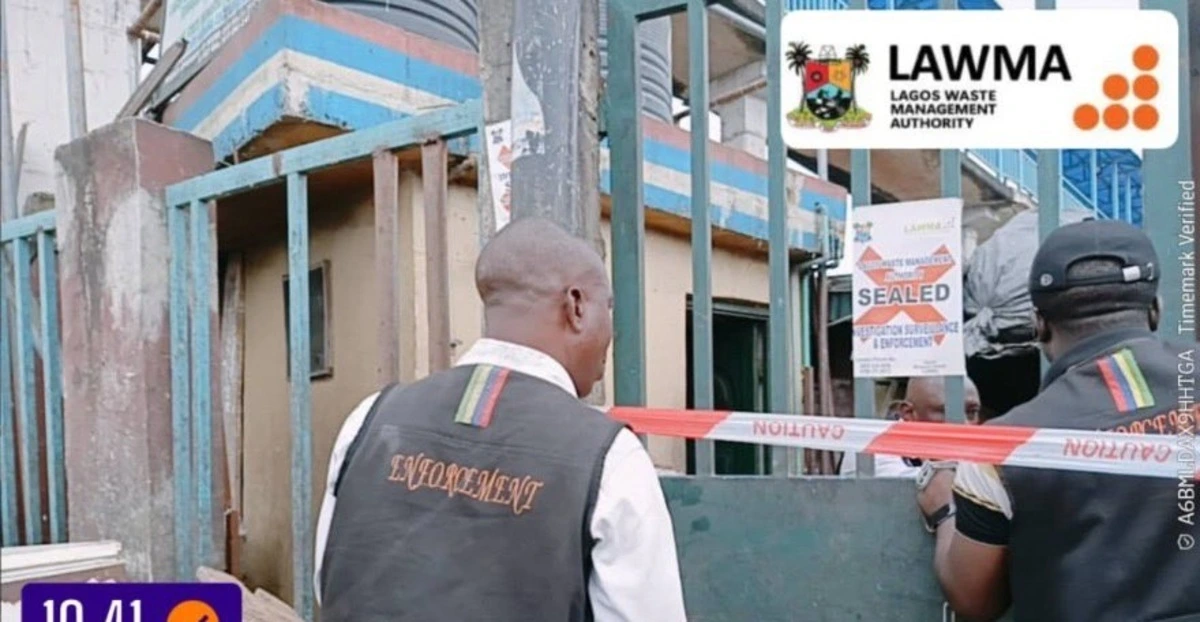
Lagos to Arrest Buyers Patronising Illegal Roadside Traders From Next Week
The Lagos State Government says buyers who purchase goods from illegal roadside traders will face arrest and prosecution beginning next week. The enforcement, led by LAWMA under Section 151(2) of the Lagos State Environmental Management and Protection Law 2017, carries penalties of a N90,000 fine, six months' imprisonment, or both. The move extends compliance obligations from traders to consumers in a bid to curb illegal trading and waste disposal.
Wage Bills Strain Northern State Revenues; Kaduna, Kwara Remain Afloat
A new assessment shows wage bills are consuming much of the internally generated revenue of northern Nigerian states, with Kaduna and Kwara the only ones described as staying afloat. The trend narrows fiscal space for capital spending and deepens reliance on federal transfers. It highlights uneven revenue administration capacity across the region.
Selar dispute highlights Nigeria’s emerging tax framework for the creator economy
A reported dispute involving digital commerce platform Selar has drawn attention to Nigeria’s plans to tax the creator economy. The case raises questions about VAT, withholding tax, and personal income tax for creators and platform operators. Its outcome could shape compliance practices across the digital economy.
Africa’s last-mile electricity gap needs more than market forces to close
Africa’s last-mile electricity gap remains difficult to close through private markets alone because rural areas often lack the demand density and incomes needed for cost-recovery tariffs. The article argues for blended public support—subsidies, concessional finance and clear regulation—to de-risk private investment. It also highlights the long-term fiscal and economic benefits of electrification for productivity and tax base expansion.
Ginger Blight Outbreak Resurfaces as Nigeria Works to Restore $713m Export Industry
A ginger blight outbreak has reappeared while Nigeria works to rebuild a ginger industry valued at $713 million. The recurrence threatens export volumes, farmer incomes, and the crop's non-oil revenue contribution. Details of affected areas and containment measures were not immediately available.
Lagos Tops Nigerian States as Infrastructure Spending Reaches N6.17 Trillion
Aggregate infrastructure expenditure by Nigerian state governments has reached N6.17 trillion. Lagos State recorded the highest outlay among the subnational governments. The figures highlight the scale of state-level capital spending and its fiscal significance.
Nigeria Secures Two More Years to Unlock Benefits of 26-Year-Old AGOA Trade Programme
Nigeria has gained two additional years to improve utilisation of the African Growth and Opportunity Act, the 26-year-old United States trade preference programme. The extension preserves duty-free access to the American market for eligible exporters, but structural obstacles to non-oil export growth remain. Businesses and regulators now face a defined window to convert preferential access into measurable export gains.
Crude oil's move toward $100 renews petrol price pressure in Nigeria
Crude oil's move toward $100 a barrel is reviving concerns about petrol prices in Nigeria. The trend carries mixed fiscal implications—potentially higher oil revenue alongside costlier imported fuel—and could feed into transport and business costs. Policymakers and markets are watching how quickly global prices translate into local pump prices.
NMDPRA disputes auditor-general's N94.4 billion gas flare under-remittance claim
The Nigerian Midstream and Downstream Petroleum Regulatory Authority has rejected allegations of under-remitted gas flare penalties flagged in the Auditor-General of the Federation's 2023/2024 report. The authority says collections are handled by NUPRC and remitted through the Federation Account, with flagged variances reflecting timing and reconciliation rather than unaccounted revenue.
FG to Issue Vienna-Listed Bonds to Fund Key Sector Investments
The Federal Government plans to issue bonds on the Vienna stock market through a special purpose vehicle, ESME Limited, to raise foreign capital for priority sectors. The Minister of Budget and Economic Planning linked the move to Nigeria's $1 trillion economy target and cited improved macroeconomic indicators, including foreign reserves above $50 billion. Nigeria recorded $10.37 billion in capital importation in Q1 2026, driven largely by portfolio investment.
Nigeria deploys tax breaks to attract oil sector investors
The article examines how Nigeria is using tax incentives to draw investment into its oil and gas industry. The full source text was not supplied, so no specific figures or quotes could be verified for a faithful rewrite.
Mergers & Acquisitions deals face different tax bills under Nigeria’s new regime
The source content for this article was not provided, so a factual rewrite could not be produced. Only the headline, link, and publication timestamp were supplied, and no facts, figures, or quotes are available to preserve.
Anuoluwapo Adewale on ERP integration and cross-jurisdiction tax compliance architecture
The source article body was not provided for rewriting; only the headline was available. The headline quotes Anuoluwapo Adewale on a flexible architecture that supports ERP integration and helps organisations maintain tax compliance across jurisdictions.

Dangote heirs approve plan to donate one-third of $35.1 billion fortune to charity
Africa's richest man, Aliko Dangote, has secured family backing to bequeath roughly $11.6 billion — one-third of his estimated $35.1 billion wealth — to philanthropy. His daughter Halima Dangote confirmed the arrangement aligns with Islamic inheritance principles and builds on the Aliko Dangote Foundation's decades-long charitable work across Nigeria and the continent.
Edo State unveils harmonised market levy regime to curb multiple taxation
The Edo State Government has introduced a unified market levy framework designed to eliminate the burden of multiple taxation on traders and small businesses. The reform consolidates various levies into a single charge, aiming to improve compliance and ease of doing business across markets in the state.

New Guidelines Clarify How Nigeria Taxes Cryptocurrencies and Digital Tokens
The Nigeria Revenue Service has issued guidance on the taxation of virtual assets, covering cryptocurrencies and tokens under Nigeria's updated tax laws. The rules aim to promote voluntary compliance and give taxpayers and service providers greater certainty. The initiative forms part of a coordinated regulatory effort involving the CBN, SEC and other agencies.
Nigeria collects $19.9 billion in tax revenue as digital systems expand
Nigeria's tax collection has reached $19.9 billion year-to-date, averaging $94 million daily, as the Federal Inland Revenue Service expands its digital infrastructure to boost compliance and widen the tax net.
Nigeria's new tax rules bring employee benefits under closer examination
Nigeria's evolving tax framework is placing heightened attention on the taxation of employee perks, including housing, vehicles, and other allowances provided by employers. The development signals tighter compliance requirements and potential adjustments to how businesses structure compensation packages.
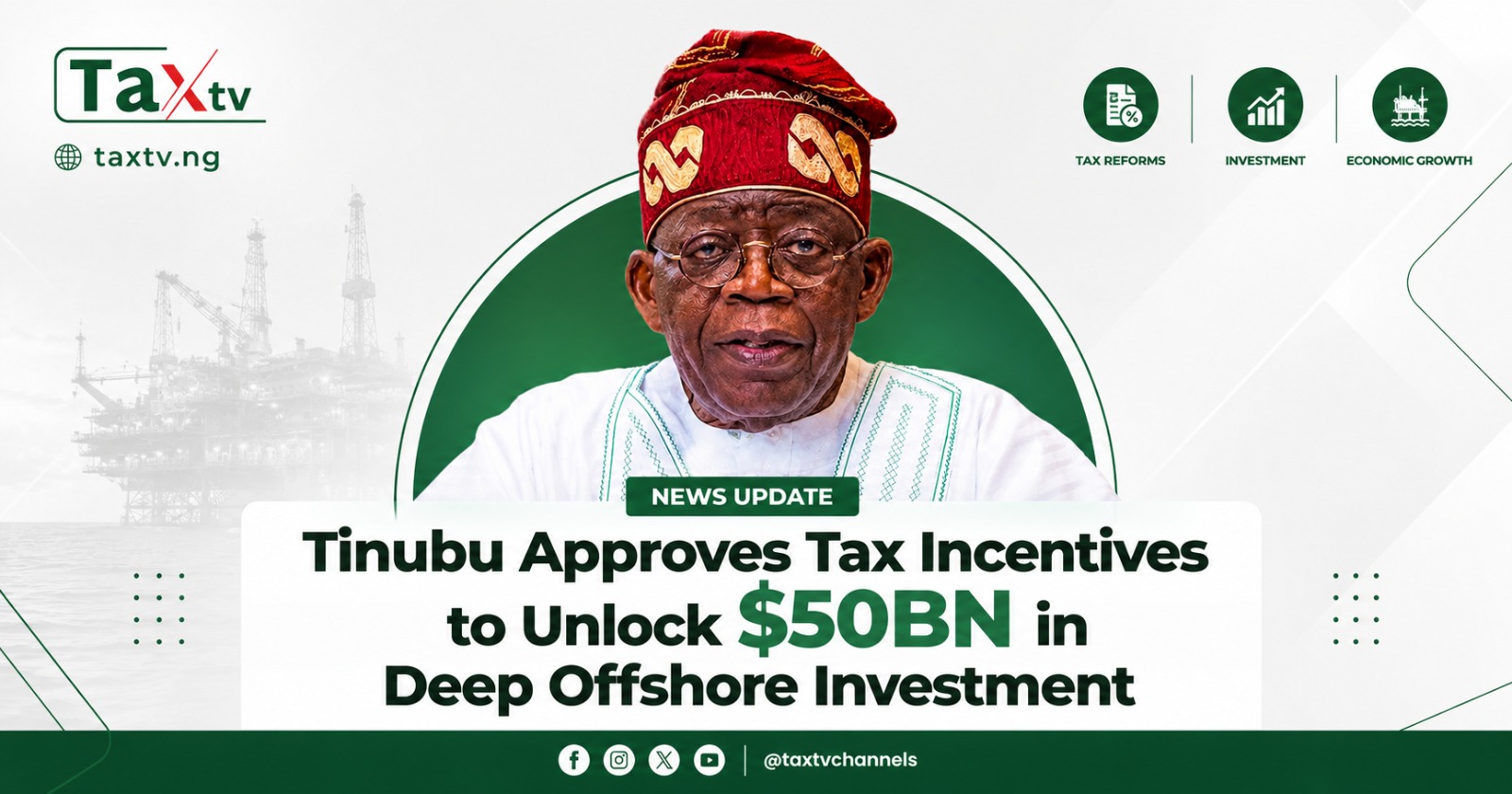
Tinubu Signs Tax Remission Order to Attract $50bn in Deep Offshore Oil Investment
President Bola Tinubu has approved the Deep Offshore Oil and Gas Projects Incentives (Tax Remission) Order, 2026, replacing project-by-project negotiations with a standardised fiscal framework. The policy aims to draw up to $50 billion in investment, beginning with the stalled $10 billion Bonga South West project, while requiring compliance with Nigerian content obligations.
Nigerian Stock Market Boom Created More Than 900 Millionaires, Says NRS Chairman
Zacch Adedeji, Executive Chairman of the Nigeria Revenue Service, has revealed that the Nigerian stock market's surge from ₦30 trillion to ₦150 trillion in capitalisation has produced over 900 millionaires among shareholders, challenging perceptions that Nigerians are only growing poorer.
Tax reforms may bar informal businesses from corporate supply chains
Nigeria's ongoing tax reforms could inadvertently exclude millions of informal enterprises from corporate contracts as stricter compliance requirements take hold. The measures, while aimed at widening the tax net, risk deepening the divide between formal and informal sectors of Africa's largest economy.
Tax reforms threaten to lock informal businesses out of corporate contracts
Ongoing tax reform measures risk shutting out Nigeria's vast informal sector from corporate supply chains as stricter compliance requirements take hold. Firms without Tax Identification Numbers and proper documentation may find themselves barred from contracts with larger, regulated companies.

Digital Assets Coalition Urges FG to Tax Only Crypto Profits, Not Gross Transaction Value
The Digital Assets Coalition has called on the Federal Government to tax realised profits from digital asset transactions rather than the full amount moved through crypto platforms. The group warned that the current one per cent withholding tax on gross transaction value could penalise students, freelancers and traders even when they incur losses.
Nigeria's crypto tax regime: the compliance cost on a ₦1m trade unpacked
New tax rules now apply to cryptocurrency transactions in Nigeria, with traders facing capital gains and regulatory charges. A breakdown shows the fiscal load a typical ₦1 million trade could carry, reshaping digital asset compliance.
Nigeria operates its own mint but continues to print naira notes abroad
Despite housing the Nigerian Security Printing and Minting Company in Abuja, Nigeria still contracts foreign firms to print its currency, raising questions about fiscal efficiency and foreign exchange outflows. The arrangement costs the country scarce foreign currency and undermines the original mandate of the state-owned minting facility.
What Nigeria’s 2026 tax reforms mean for small and mid-sized businesses
Nigeria's 2026 tax reform package introduces expanded exemptions, lower corporate rates, and targeted reliefs designed to ease the compliance burden on small and mid-sized enterprises. The measures aim to unlock reinvestment, formalise informal businesses, and stimulate domestic growth across priority sectors.

NRS Mandates Tax ID for All New Crypto Account Activations in Nigeria
The Nigeria Revenue Service has ordered cryptocurrency exchanges and virtual asset service providers to require a valid Tax Identification Number before activating any new customer accounts. The directive forms part of ongoing efforts to bring digital asset transactions under the formal tax net.
Digital Tax Compliance Costs Surge as Nigerian Businesses Adopt Real-Time Reporting
Nigerian businesses are incurring higher operational expenses as the Federal Inland Revenue Service accelerates the shift toward digital tax compliance and real-time transaction reporting. The transition, while designed to improve transparency and plug revenue leakages, is straining firms that must now invest in compatible software, staff training, and advisory services.
Nigeria Rolls Out First Comprehensive Tax Guidelines for Crypto and Virtual Asset Transactions
Nigeria has released its maiden tax framework for virtual assets, setting out compliance obligations for Virtual Asset Service Providers and investors. The guidelines mark a significant step in formalising the digital assets sector within the country's tax net.
Tinubu signs executive order giving legal backing to cryptocurrency in Nigeria
President Bola Tinubu has signed a landmark executive order formally recognising and regulating cryptocurrency transactions in Nigeria. The move is expected to unlock new revenue streams for the government through formal taxation of digital asset trades while positioning the country to harness its position as one of the world's largest crypto markets.
Nigeria Moves to Collect 1.5% Crypto Stamp Duty in Bitcoin and USDT
Nigerian authorities are advancing plans to impose a 1.5 percent stamp duty on cryptocurrency transactions, with levies to be collected directly in Bitcoin and USDT. The move marks a significant regulatory pivot, integrating digital assets into the country's tax net while acknowledging cryptocurrencies as a legitimate medium for fiscal compliance.
Government Monitoring of Bank Accounts: What Nigerian Tax Law Actually Permits
Concerns over government surveillance of personal bank accounts have been amplified by recent tax reforms. Here is what the Finance Act and FIRS enabling laws actually provide for, and the legal boundaries that remain in place.

How to Generate Your Tax Identification Number Under the 2025 Tax Regime
The Nigeria Tax Administration Act 2025 makes operating without a Tax Identification Number a violation punishable by a minimum penalty of ₦100,000. Both individuals and businesses can obtain their Tax ID through a fully digital process involving the Joint Tax Board portal, NIN, CAC registration, and TaxPRO Max validation.

How Nigeria's 2025 Tax Reforms Clarify the PIT and PAYE Distinction
Personal Income Tax and Pay as You Earn are not separate levies but two sides of the same obligation. The Nigeria Tax Administration Act 2025 now spells out employer remittance duties, employee filing responsibilities, and the stiff penalties for non-compliance.

How Nigeria's 2025 Tax Act Brings Crypto, Content and E-commerce Earnings into the Tax Net
Nigeria's Tax Act of 2025 has expanded the definition of taxable income to capture digital earnings including cryptocurrency gains, content creation revenue, and e-commerce profits. Remote workers, freelancers, and online traders must now self-assess and report these income streams, with the Nigerian Revenue Service empowered to investigate financial records for compliance.

Why Many Nigerians Still Do Not Comply with Tax Obligations: Awareness, Trust and Structural Barriers
Nigeria's tax-to-GDP ratio remains at 8.2%, well below the 16.1% African average. Beyond legal frameworks, low compliance is driven by weak taxpayer awareness, pervasive informality, public distrust, administrative complexity, and economic hardship that forces tax obligations to compete with survival spending.
Finance Ministry Releases Transition Guidelines for Nigeria's Tax Acts 2025
The Federal Ministry of Finance has published comprehensive transition guidelines to manage the shift from repealed tax laws to the new Tax Acts 2025, with a strict non-retroactivity principle anchoring the framework. All legacy tax obligations relating to periods before January 1, 2026 remain under the old statutes, while new transactions fall under the reformed regime including the Nigeria Tax Act and Nigeria Tax Administration Act. Existing tax incentives and exemptions granted under previous laws will be honoured until their expiration dates.
Taxpayers are not unwilling, they are uneducated, says Finance Minister Oyedele
Minister of Finance and Coordinating Minister of the Economy, Taiwo Oyedele, says low tax compliance in Nigeria stems from poor taxpayer education rather than deliberate refusal. Speaking at the National Tax Awareness Day organised by the Chartered Institute of Taxation of Nigeria, he identified trust deficit, misinformation, and misconceptions as key barriers to revenue generation.
Should Nigeria Raise Taxes? A Review of the IMF's Recommendation
A review of the International Monetary Fund's recommendation that Nigeria increase its tax revenues, examining the arguments for and against raising taxes in Africa's largest economy.

Survey Reveals Wide Gap Between Crypto Adoption and Tax Awareness Among Young Nigerians
A new survey of 92 young Nigerians aged 18 to 33 shows that while 37 percent actively trade or use cryptocurrency, over 70 percent lack a Tax Identification Number and a majority remain unaware of their tax obligations under the country's new tax reforms.
FG Dismisses N8 Trillion Shadow Budget Allegation, Cites IMF Reporting Misinterpretation
Finance Minister Taiwo Oyedele has rejected claims that the federal government secretly spent over ₦8 trillion outside the approved budget, attributing the controversy to a misunderstanding of IMF data on multi-year projects and statutory transfers. The government insists all expenditures are lawful and backed by constitutional and National Assembly approval, while advancing plans to consolidate public spending into a single transparent framework.

How Nigeria's 2025 Tax Laws Bring Crypto and Digital Assets into the Capital Gains Tax Net
The Nigeria Tax Act and Nigeria Tax Administration Act 2025 now classify cryptocurrencies, tokens, and other virtual assets as chargeable assets subject to capital gains tax. The laws impose registration, recordkeeping, and filing obligations on traders, platforms, and virtual asset service providers, with significant financial penalties for non-compliance.

Survey Exposes Wide Gap Between Crypto Adoption and Tax Compliance Among Nigerian Youths
A new survey shows 37% of young Nigerians trade or use cryptocurrency, yet over 70% lack a Tax Identification Number and remain largely unaware of their tax obligations under the country's evolving digital asset framework. The findings underscore an urgent need for taxpayer education, simplified registration, and clearer regulatory communication.

NTA 2025 Transfers Solid Mineral Royalty Collection to Nigeria Revenue Service
The Nigeria Tax Act 2025 has stripped the Ministry of Solid Minerals of revenue collection powers, handing the Nigeria Revenue Service sole authority over mineral royalties. Traders and mining operators must now file monthly self-assessment returns and face stiff penalties for non-compliance, with royalty rates ranging from 7.5% to 15% depending on the mineral type.

Luxury Goods in Nigeria Now Carry 10% Surcharge Under Tax Act 2025
The Nigeria Tax Act 2025 introduces a 10% Luxury Goods Surcharge on designated high-end consumer items sold domestically. While retailers of imported luxury products face new compliance obligations and potential customer resistance, commercial exporters of locally manufactured goods are shielded through explicit exemptions and VAT zero-rating.

How Nigeria Tax Act 2025 Makes Unstamped Rent and Land Contracts Legally Invalid
The Nigeria Tax Act 2025 imposes mandatory stamping requirements on all instruments affecting property rights, with unstamped documents inadmissible in court. The law assigns collection authority to the Nigeria Revenue Service for corporate transactions and State Internal Revenue Services for dealings between individuals.

Why Unstamped Corporate Documents Can Block Your Company's Bank Accounts and Factory Loans
The Nigerian Tax Act 2025 transforms stamp duties into a digitally enforced compliance obligation. Failure to stamp corporate instruments can render them legally invalid, inadmissible in court, and unrecognised by public officers, potentially freezing banking and lending operations.

VASP Compliance and Penalties: A Guide for Nigerian Crypto Startup Founders
Nigeria's digital asset ecosystem now faces overlapping tax, SEC, and anti-money laundering obligations. Young Web3 founders must understand VASP registration, reporting duties, and the penalties for non-compliance to build sustainable businesses.
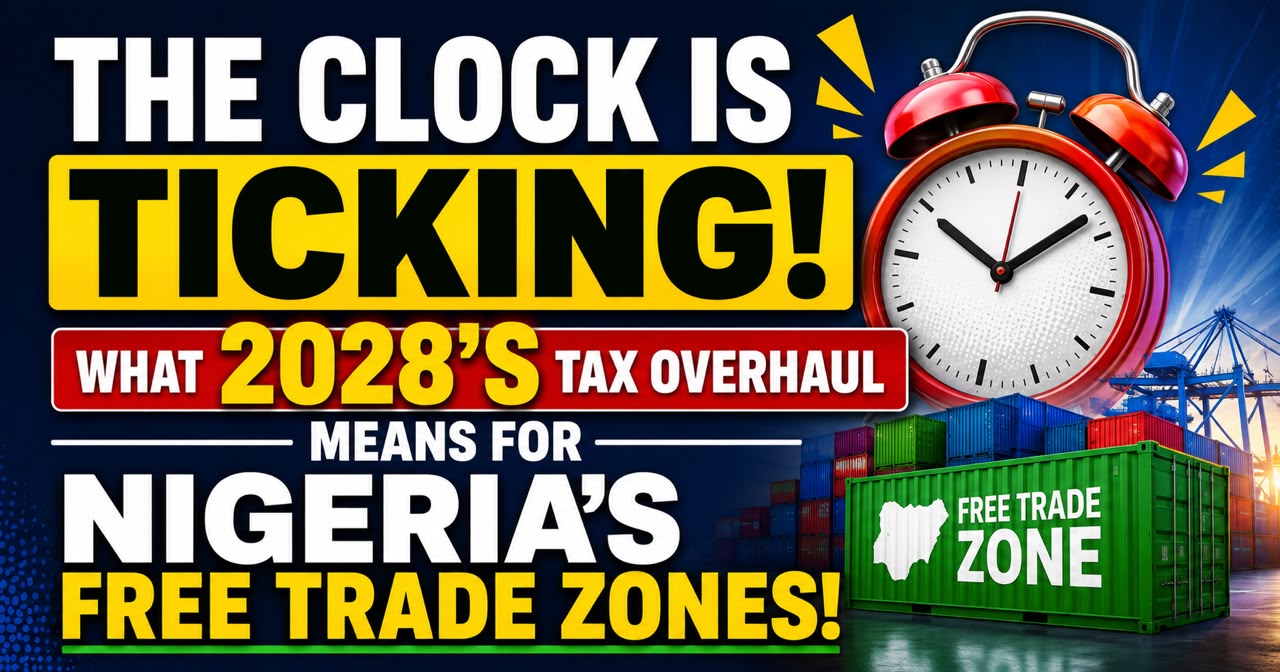
Free Trade Zones Face 2028 Countdown for Full Domestic Sales Taxation
Section 60 of the Nigeria Tax Act, 2025 sets 1 January 2028 as the deadline for full taxation of domestic sales by free trade zone entities, regardless of the percentage. Export-oriented activity retains its tax incentive, but zone businesses selling into Nigeria's customs territory must prepare for a significantly altered tax framework.
Digital Tax Audits and Taxpayer Rights in Nigeria
As Nigeria's tax authorities increasingly deploy automated systems for compliance monitoring and audits, taxpayers must understand how digital scrutiny affects their statutory rights and what protections remain available.

Digital Tax Audits Arrive: What Nigeria's Automated Monitoring Means for Taxpayer Rights
Nigeria's 2025 Tax Reform Acts have ushered in an era of electronic filing, real-time invoicing, and automated risk profiling by the Nigeria Revenue Service. While digitisation promises faster processing and reduced discretion, new concerns around algorithmic transparency, data protection, and uneven compliance burdens are emerging.

How Nigeria's 5% Turnover Cap Reshapes R&D Tax Deductions Under the 2025 Tax Act
The Nigeria Tax Act 2025 retains the research and development deduction but replaces the old 10 percent-of-profits ceiling with a new 5 percent-of-turnover cap under Section 165(2). The shift links relief to revenue size rather than profitability, producing mixed outcomes for startups, manufacturers, and high-margin firms alike.
Simplified Tax Returns: How the Law Seeks to Bring Micro-Enterprises into the Formal Net
Nigeria has introduced simplified tax return mechanisms under recent fiscal legislation to ease compliance for micro-enterprises and informal sector operators. The reform aims to broaden the tax base, reduce administrative burdens, and encourage voluntary formalisation without imposing disproportionate costs on small-scale businesses.

Nigeria Tax Act 2025 scraps corporate income tax for micro-enterprises earning up to ₦50 million
The Nigeria Tax Act 2025 permanently eliminates Corporate Income Tax for qualifying small businesses, alongside VAT, Capital Gains Tax, and Development Levy exemptions. Micro-enterprises must meet turnover and asset thresholds and maintain strict filing compliance to retain these benefits.
FG Inaugurates Committee to Develop 2026 VAT Modification Order Under New Tax Laws
The Federal Government has set up an inter-ministerial committee to craft the 2026 VAT Modification Order, a key implementation instrument for the Nigeria Tax Act. Chaired by the Minister of Finance, the committee has six weeks to review the current VAT framework, engage stakeholders, and deliver clear guidance on exempt and zero-rated supplies.
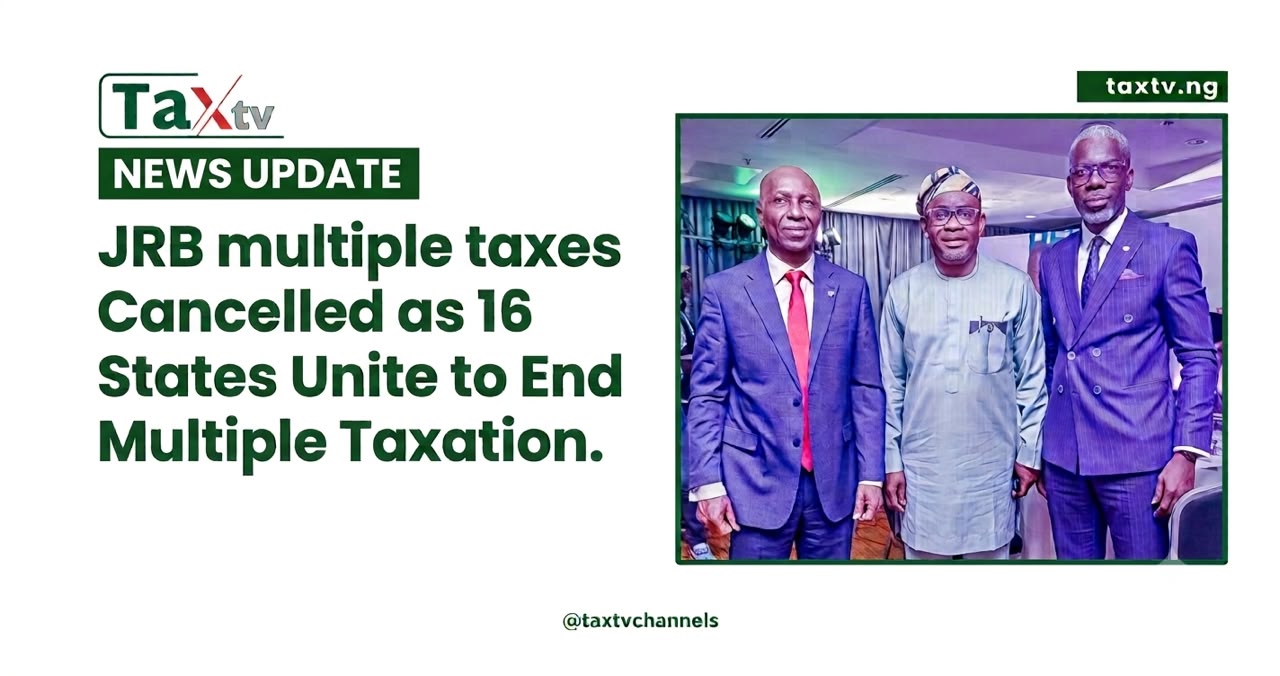
16 States Adopt Harmonised Tax Framework to Eliminate Multiple Taxation
Sixteen Nigerian states have embraced a harmonised tax framework championed by the Joint Revenue Board, up from twelve earlier this year, as part of sweeping federal tax reforms aimed at streamlining revenue collection and improving the business climate.
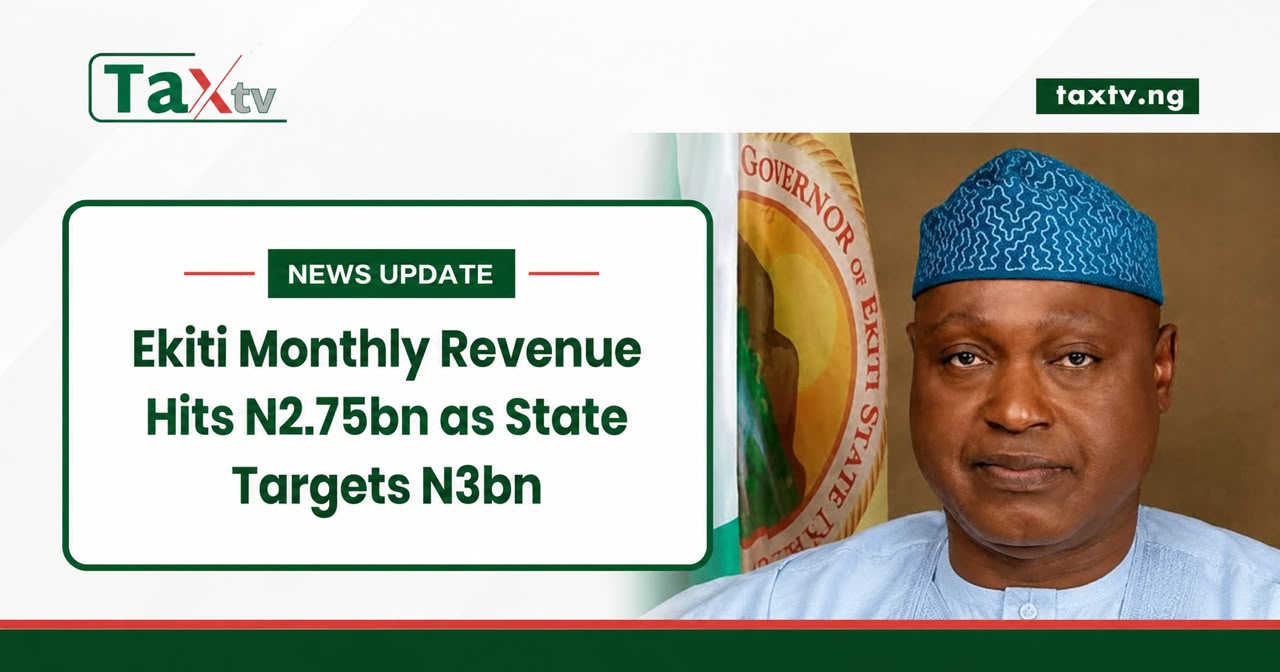
Ekiti State IGR Reaches ₦2.75bn, Closing in on ₦3bn Monthly Target
Ekiti State's internally generated revenue has climbed to ₦2.75 billion per month, bringing it within striking distance of its ₦3 billion target. The Chairman of the Ekiti State Internal Revenue Service credits digital tax administration and improved voluntary compliance for the sustained growth.
Nigeria Revenue Service Shifts Focus From Tax Collection to Fiscal Transformation
The Nigeria Revenue Service is moving beyond revenue collection targets toward building a modern tax administration rooted in voluntary compliance, technology, and taxpayer trust. Executive Chairman Zacch Adedeji says the reform aims to strengthen non-oil revenue and support long-term economic growth.
Nigeria's 2026 VAT reform shifts revenue sharing to consumption-based model
President Bola Tinubu's 2026 VAT reform replaces the head-office-based sharing formula with a consumption-driven model, giving states like Kano, Rivers, Ogun, and Abia a fairer chance at revenue. States that formalise their informal sectors and invest in infrastructure stand to gain the most under the new arrangement.
Nigeria's budget process under Akpabio draws scrutiny over fiscal discipline
Concerns are mounting over the integrity of Nigeria's federal budget process under Senate President Godswill Akpabio's leadership, with lawmakers and fiscal watchdogs describing the appropriations cycle as increasingly opaque and prone to last-minute insertions. The development raises questions about legislative oversight and the quality of public financial management in Africa's largest economy.
Peter Obi Pledges Progressive Tax Policy, Scrutiny of N34 Trillion Customs Waivers
NDC presidential candidate Peter Obi has proposed shifting the tax burden towards wealthier Nigerians while redirecting funds from what he termed excessive customs duty waivers into agriculture and job-creating sectors. Obi disclosed that approximately N34 trillion in customs waivers were granted in 2025 against N7.7 trillion in actual revenue collected. He also questioned fiscal transparency, citing IMF concerns over N8.8 trillion in extra-budgetary spending.
ECOWAS Aviation Tax Relief Stalls in Nigeria, Passengers Pay Higher Fares
Nigeria has yet to implement the ECOWAS protocol on reducing aviation taxes and charges, leaving travellers on regional routes to bear elevated ticket costs. The delay undercuts the bloc's goal of affordable intra-regional air travel and has drawn criticism from airline operators and industry stakeholders.
FG Grants Shell Unprecedented Tax Concessions for $20bn Deepwater Oil Project
Nigeria's Federal Government has approved extraordinary tax relief measures for Shell's $20 billion oil project, marking one of the most generous fiscal incentive packages ever extended to an international oil company operating in the country. The concessions aim to unlock investment stalled by regulatory uncertainty and rising production costs.
Technology, tax reforms, and wider net drive Kaduna's IGR growth, says revenue chief
Kaduna State's Internally Generated Revenue has risen sharply on the back of technology adoption, tax policy reforms, and an expanded taxpayer base, according to the head of the state's internal revenue service. The revenue boss credited digital collection platforms and enforcement drives for the improved performance.
Nigeria Bets on Regional Tax Reform to Strengthen Domestic Revenue Mobilisation
Nigeria is pursuing regional tax harmonisation as a strategy to address its chronically low tax-to-GDP ratio and reduce dependence on volatile oil receipts. The reform drive targets coordination among federal and state revenue authorities to curb multiple taxation and widen the tax net. Fiscal observers see the move as critical to achieving sustainable domestic revenue growth.
ECOWAS Tax Relief for Travellers Stalls as Nigeria Delays Implementation
Nigeria's failure to implement ECOWAS-mandated tax reductions continues to impose additional costs on cross-border travellers, undermining commitments to regional trade integration. The prolonged policy delay has left travellers paying duties that should have been eliminated under the bloc's free-movement and customs harmonisation protocols.
Naira Depreciates to N1,381.70/$1 Despite Foreign Reserves Rising to $51.74 Billion
The naira weakened 0.85% week-on-week to close at N1,381.70 per dollar on the official NFEM window, even as Nigeria's external reserves climbed to $51.74 billion. EBC Financial Group cautioned that the reserve build-up may be vulnerable to reversals in portfolio inflows and oil earnings.
US imposes 12.5% tariff on Nigerian goods over forced labour compliance
The United States has introduced a 12.5 percent tariff on imports from Nigeria, citing non-compliance with forced labour provisions in its trade rules. The move threatens the competitiveness of Nigerian exports to America's market and raises fresh concerns about trade compliance standards.
Eight organisations exempt from Companies Income Tax in Nigeria
Nigeria's Companies Income Tax Act grants full tax exemption to eight categories of organisations, including statutory bodies, charitable institutions, trade unions, cooperative societies and pension funds. Understanding these exemptions is essential for compliance and strategic tax planning.
Standard Chartered projects CBN will cut MPR by only 150 bps, ending 2026 at 25%
Standard Chartered has revised its outlook for Nigeria's monetary policy, now forecasting the CBN's Monetary Policy Rate to close 2026 at 25% and inflation to average 15.5%. The bank cites persistent price pressures as the reason for a slower easing cycle, with more aggressive rate cuts expected only after the 2027 elections.
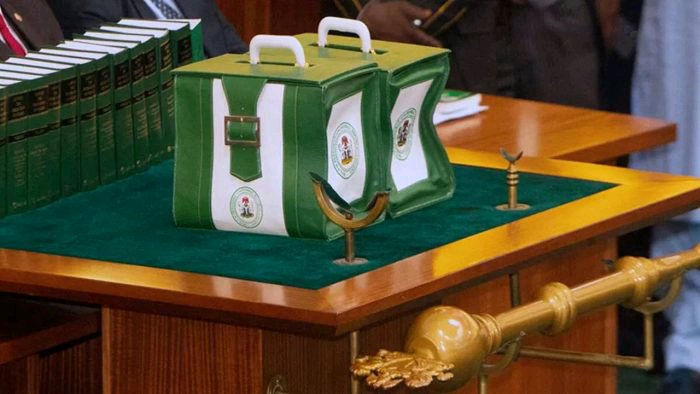
How Nigeria's budget process enables fraud: Lessons from Jibrin and the fake agency scandal
Two scandals a decade apart reveal systemic weaknesses in Nigeria's budget process. The 2016 Jibrin padding case and the 2026 fake agency scandal both expose failures in verification, documentation, and oversight that allow public funds to be diverted with impunity.
Kogi threatens criminal prosecution for illegal revenue collectors
The Kogi State Government has warned that persons involved in unauthorised revenue collection across the state will face prosecution as criminals and economic saboteurs. The move is part of broader efforts to sanitise the state's internally generated revenue system and curb leakages caused by touts and unlicensed agents.
FG halts N50,000 WAEC and NECO exam fee plan after public outcry
The Federal Government has suspended its proposal to introduce a N50,000 examination fee for WAEC and NECO candidates following widespread criticism. The policy reversal comes after stakeholders warned the fee would deepen inequality and push millions of students out of the education system.

CBN to Auction N450 Billion Treasury Bills Amid DMO Programme Expansion
The Central Bank of Nigeria has scheduled a N450 billion Treasury bills auction for June 17, significantly below the N1 trillion indicated in the Debt Management Office's revised second-quarter calendar. The offer is split across 91-day, 182-day, and 364-day tenors, as the government ramps up domestic borrowing to meet fiscal obligations.
Nigeria's debt hits N149 trillion as experts demand borrowing linked to productivity
Economic analysts at the 17th Blakey's National Tax & Economic Conference have warned that Nigeria's borrowing trajectory is fiscally unsustainable, with public debt soaring from N87.38 trillion in May 2023 to N149.28 trillion by December 2025. Speakers called for a transparent, productivity-linked framework tying every loan to measurable economic returns, while praising the tax reform agenda as the administration's most significant achievement.
I&M Bank names departing Absa executive Abdi Mohamed as Kenya CEO
I&M Bank has appointed Abdi Mohamed, until recently a senior executive at Absa Bank Kenya, as its new chief executive for the Kenyan market. The move marks a significant leadership transition within East Africa's competitive banking sector and signals I&M Group's renewed push to strengthen its domestic franchise.
Petrol price drop may push vehicle owners to abandon CNG, marketers warn
Oil marketers say falling petrol prices could reverse Nigeria's CNG adoption drive, as consumers who switched to alternative fuel may revert to petrol. The decline follows a US-Iran peace deal that pushed crude oil prices from $120 to $77 per barrel.

Lafarge Africa rebrands to HBM Nigeria Plc after shareholder, CAC approval
Lafarge Africa Plc has officially changed its corporate name to HBM Nigeria Plc, following shareholder approval at its April 30 AGM and formal regulatory clearance from the Corporate Affairs Commission. The rebranding marks the fourth name change in the company's history and comes after a $1 billion acquisition by Chinese investors.
Court orders GTCO to stop messaging non-customer over data breach
The Federal High Court in Abuja has ordered Guaranty Trust Holding Company Plc (GTCO) to stop sending unsolicited marketing messages to a non-customer, citing a violation of the Nigeria Data Protection Act, 2023. The court also directed the bank to disclose how it obtained the individual's personal data.

Bank credit to manufacturers plunges N1.92 trillion as borrowing costs bite
The Manufacturers Association of Nigeria (MAN) has raised the alarm over a N1.92 trillion decline in bank credit to the manufacturing sector, which fell from N8.53 trillion in December 2024 to N6.61 trillion in December 2025. The association says commercial lending rates exceeding 35% are pricing manufacturers out of access to credit, threatening industrial expansion and job creation.
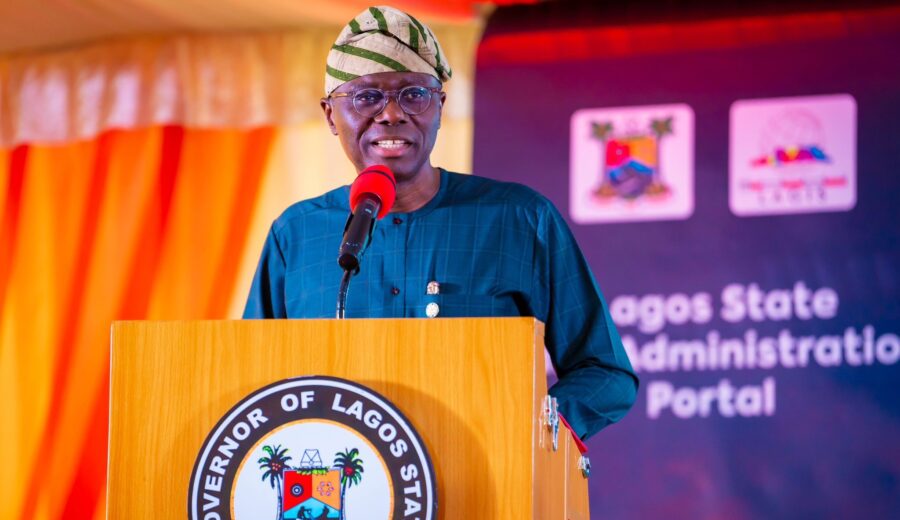
Lagos inaugurates LAISO board and management for electricity market
The Lagos State Government has constituted the governing board and management team of the Lagos Independent System Operator (LAISO), a key institution under the Lagos State Electricity Law 2024. The move advances the state's electricity market reforms and opens new avenues for private-sector participation in power generation and distribution.
SEC bans marketing of Dangote Refinery IPO, warns market operators
The Securities and Exchange Commission has directed all capital market operators to immediately cease the marketing and promotion of Dangote Petroleum Refinery's initial public offering, stating that no application has been filed or approved. Operators have 24 hours to remove all unauthorized promotional materials and refund any monies already collected from investors.

NGX adds N1.64tn as Airtel Africa, FUGAZ banks extend recovery
The Nigerian equities market posted a second consecutive session of gains on Tuesday, June 23, adding N1.64 trillion in market capitalisation as renewed buying interest in blue-chip stocks and insurance counters lifted the benchmark index. The All-Share Index rose 1.06% to close at 240,743.19 points, pushing the year-to-date return to 54.71%.
Chaka rebrands to Hisa, launches app for Nigerian retail investors
Chaka, Nigeria's first SEC-licensed digital sub-broker, has launched Hisa, a new investment app that offers retail investors access to Nigerian stocks and ETFs. The rebrand reflects the company's pan-African ambitions and a strategic push to simplify the investing experience for everyday Nigerians.

African fintech funding topped $1bn in 2024, Nigeria led the pack
Africa's fintech sector attracted over $1 billion in investment in 2024, with Nigeria capturing the largest share. The funding reflects growing global confidence in Nigeria's digital finance ecosystem, driven by rising mobile payment adoption, cryptocurrency usage, and evolving consumer behaviour.

Carbon economy holds billions in value for Nigeria, says Carbon AI CEO
The global carbon market represents a multi-billion-dollar economic opportunity that could generate thousands of jobs and create new export revenue streams for Nigeria, according to Debola Ibiyode, the founder and CEO of Carbon AI. Speaking on TVC's Wake Up Nigeria programme, Ibiyode said the country must move beyond viewing climate initiatives as environmental concerns and recognise carbon trading as a rapidly expanding industrial sector. The federal government's recently approved carbon market framework is targeting at least $3 billion in annual revenue by 2030.
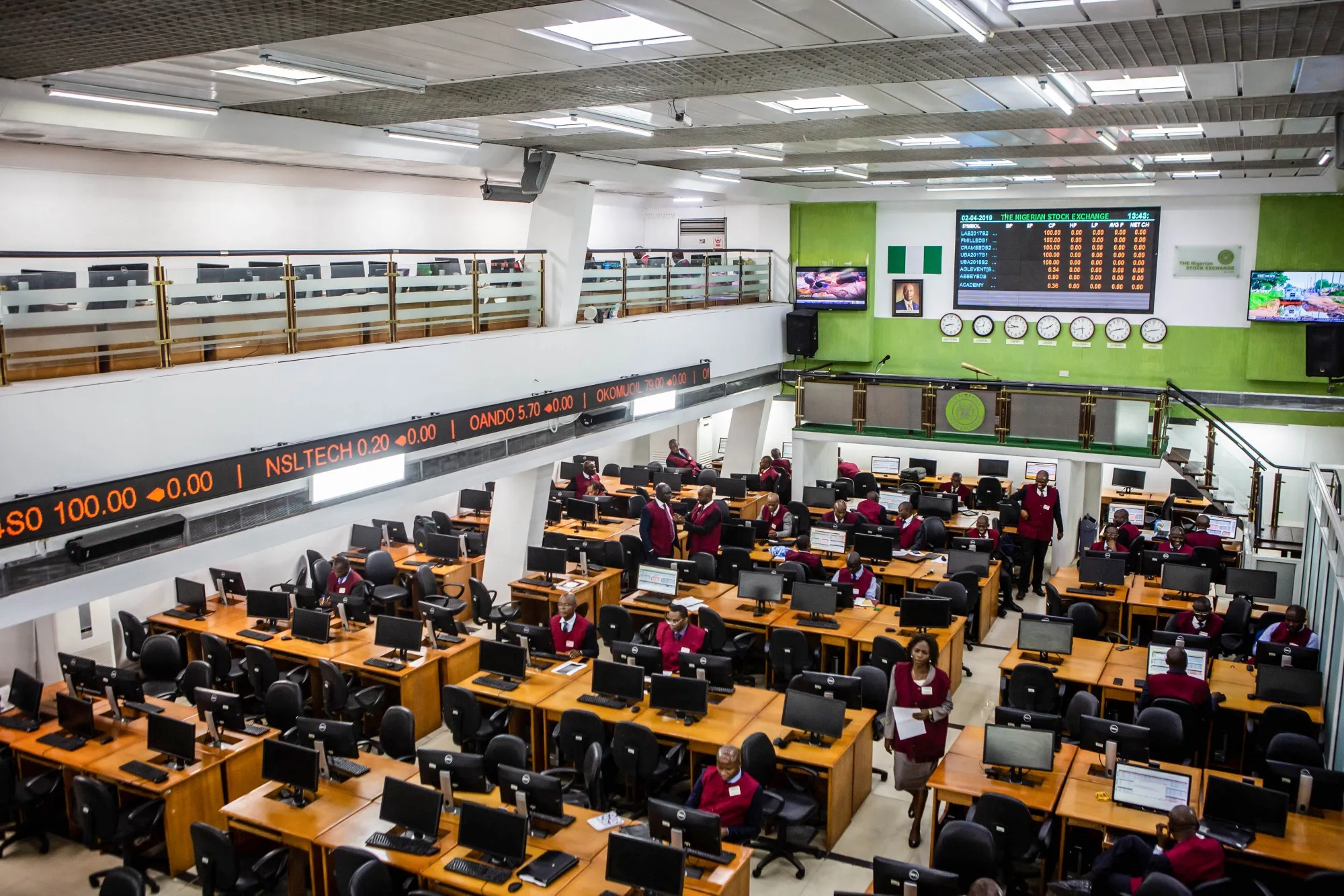
Dangote IPO, political capital to shape NGX H2 2026 outlook
The NGX All-Share Index, up 54.71% year-to-date, faces a pivotal second half as the Dangote Petroleum Refinery IPO and accelerating political capital deployment ahead of the 2027 elections set the direction. Analysts see both headwinds from rising fixed-income yields and bargain opportunities in banking, telecom, and agribusiness stocks.
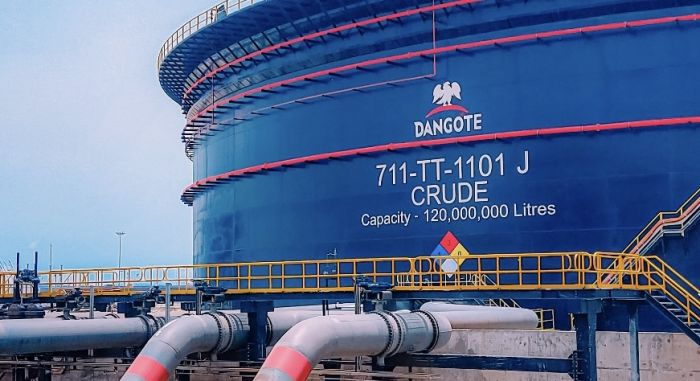
Dangote Refinery denies exported fuel is being re-imported via Lomé
Dangote Petroleum Refinery has rejected claims that petroleum products exported from its facility are being shipped back into Nigeria through the offshore trading hub in Lomé, Togo. The refinery described the allegation as commercially illogical and inconsistent with its contractual restrictions, even as data shows Nigeria's petrol imports rose sharply in May despite growing domestic refining output.
Naira slides to N1,373/$, weakest closing in four weeks
The naira depreciated to N1,373/$ at the official foreign exchange market on June 23, 2026, its weakest closing rate in four weeks, as the U.S. dollar strengthened globally on expectations of a hawkish Federal Reserve. The currency has now lost N17 or 1.25% in value within eight trading days, sliding from N1,356/$ on June 15.

NGX insurance stocks diverge sharply ahead of H2 2026
Of the 22 insurance stocks on the Nigerian Exchange, only seven recorded year-to-date gains as of late June, while 13 traded below their opening prices for the year. Analysts identify Custodian Investment, Mutual Benefits Assurance, and AIICO Insurance as leading momentum, value, and contrarian picks respectively for the second half.
Government borrowing from banks surges N17.39 trillion in one year
Credit to the Nigerian government jumped by N17.39 trillion year-on-year to N40.38 trillion in May 2026, according to new data from the Central Bank of Nigeria. The sharp rise in public-sector borrowing outpaced private-sector credit growth, raising concerns among analysts about crowding-out risks for businesses and households.
Nigeria's structural warning signs demand urgent action, says analyst
Chartered accountant Kenechukwu Aguolu warns that Nigeria's economic challenges — from insecurity to unemployment and weak infrastructure — are largely self-inflicted, rooted in decades of poor policy choices and missed opportunities. He argues that recent reforms including fuel subsidy removal, naira floating, and ongoing tax changes must be accompanied by stronger institutions and better governance to avert national decline.
Ten made-in-Nigeria tech brands scale globally from Lagos roots
From payment infrastructure to health technology, ten Nigerian-built tech companies have expanded operations across Africa, Europe, and North America. Their growth underscores Nigeria's emergence as Africa's largest startup hub, with Lagos attracting over $6 billion in foreign startup funding between 2019 and 2024 alone.
FG proposes African payment card to bypass dollar for cross-border trade
Nigeria's Finance Minister Taiwo Oyedele has proposed the creation of a cross-border payment card that enables direct transactions between African currencies without conversion through the US dollar or other third-party currencies. The proposal, made during a meeting with a Mastercard delegation in Abuja, aims to reduce transaction costs and support intra-African trade under the AfCFTA framework.
WeLight secures $31m to expand solar mini-grids into Nigeria
WeLight, Africa's largest solar mini-grid operator, has raised $31 million to fund its expansion into Nigeria, where an estimated 90 million people lack access to electricity. The International Finance Corporation, the World Bank Group's private-sector arm, acquired a stake in the company alongside existing shareholders.
CBN and SEC fintech rules split industry as compliance costs rise
New regulatory frameworks from the Central Bank of Nigeria and the Securities and Exchange Commission are generating sharply divided opinions across the fintech industry. While some operators welcome the push for transparency and data sovereignty, others warn that higher capital thresholds and compliance mandates could stifle innovation and push smaller players into unregulated channels.
Analysts flag Dangote IPO, election cycle as key drivers for NGX H2 2026
Nigerian equities analysts point to the Dangote Petroleum Refinery listing and pre-election capital flows as the defining forces for the NGX in the second half of 2026. After a stellar H1 that saw the All-Share Index surge 54.71% year-to-date before a June correction wiped out N15 trillion in market value, experts say investors should watch for bargain opportunities in banking, telecoms, and agribusiness through the August-September window.
Investors park N4.7 trillion with CBN in one week as June mop-up hits N11 trillion
The Central Bank of Nigeria absorbed approximately N4.74 trillion through Open Market Operations auctions on June 22 and June 23, extending its aggressive liquidity sterilisation campaign. Combined subscriptions hit N4.8 trillion against a N1.2 trillion offer, representing 300% oversubscription, with stop rates ranging from 19.99% to 20.75%.

Zedcrest Securities launches stock trading on Zedcrest Wealth App
Zedcrest Securities has integrated equities trading into the Zedcrest Wealth App, allowing users to buy and sell shares of over 150 companies listed on the Nigerian Exchange directly from their mobile devices. The launch expands the platform beyond fixed-income products and includes a three-month brokerage fee waiver for new users.

Meristem report flags succession and founder dependence as key threats to family wealth
Meristem Family Office's Nigeria Family Wealth Report 2026 warns that profitable family businesses remain vulnerable when success is tied too closely to founders, with only 20% of surveyed families having a written succession plan. The report calls for earlier action on governance, next-generation readiness, and asset structuring to preserve wealth across generations.
FG demands sustained safety measures at Hasetins $400m rare earth plant
The Federal Government has instructed Hasetins Commodities Limited to maintain all safety measures at the ongoing construction of its $400 million rare earth processing plant in Nasarawa State. The facility, expected to be Africa's largest rare earth and critical minerals processing plant, is projected to create up to 10,000 jobs and strengthen Nigeria's mineral processing capacity.
Nigeria ranks 5th in Africa's cheapest electricity prices in Q1 2026
Nigeria has the fifth cheapest electricity tariffs in Africa at $0.037 per kWh for residential consumers, according to Global Petrol Prices data for the first quarter of 2026. Ethiopia tops the continent at just $0.006 per kWh, while the rankings highlight the significant role of government subsidies and hydropower in keeping tariffs low across African markets.
Naira suffers sharpest daily loss since April, closes at N1,389/$
The naira plunged N16 in a single session to close at N1,389 per dollar on June 24 — its steepest daily depreciation since April — as the U.S. dollar surged to a 13-month high against major global currencies. The decline came even as Nigeria's foreign reserves topped $51 billion, their highest level in 17 years, underscoring the pressure global currency markets are exerting on emerging-market economies.

African family businesses outpace global peers with 66% sales growth
Family-owned businesses across Africa are outperforming their global counterparts, with 66% reporting sales growth over the past year despite inflation, currency volatility and tax challenges. The PwC Africa Family Business Survey 2025 found that 58% of respondents identified tax-related issues as a major concern, while strategic tax planning emerged as a key performance driver. Over 80% of firms prioritise profit reinvestment over external capital-led expansion.

El Niño drought threatens Nigeria's hydropower, raising supply risks — BMI
BMI, a Fitch Solutions company, has warned that El Niño-induced drought conditions could significantly reduce hydropower output in Nigeria, exposing businesses and households to higher electricity costs and supply disruptions. The report notes that previous El Niño events led to a nearly 25 percent decline in hydropower utilisation, and the country's growing dependence on electricity imports through the West African Power Pool amplifies the risk.
Austin Laz gets shareholder nod for N2.1 billion capital raise
Austin Laz and Company Plc has secured shareholder approval to raise up to N2.1 billion through a private placement, business combination, or merger — a move tied to its proposed integration with BMT Industries. Shares would be issued at N5.00 each, a 42% premium to the current market price of N3.52, with the transaction still subject to SEC and NGX clearance.
OPay backs CBN's PSV 2028 push for 95% financial inclusion
The Central Bank of Nigeria's Payment System Vision 2028 targets 95% financial inclusion by expanding mobile money, agency banking, and digital payment infrastructure. OPay has thrown its weight behind the framework, citing its investments in agent networks and mobile-first services as key contributors to the goal.

Nigeria-Philippines bilateral trade jumps 700% to $300 million
Trade between Nigeria and the Philippines has grown sevenfold in three years, rising from $47 million in 2023 to $300 million in 2025. The Philippines' Ambassador disclosed the figure in Abuja, as both countries pursue a formal business council to deepen commercial ties.
Intra-African trade climbs 5.5% to $213.8 billion in 2025, Afreximbank reports
The value of goods traded between African countries reached $213.8 billion in 2025, up from $202.7 billion a year earlier, according to Afreximbank's latest trade report. South Africa accounted for nearly a fifth of all intra-African trade, while Nigeria's crude oil exports remained the country's primary African trade channel, with the Dangote Refinery beginning to shift the balance toward refined products.
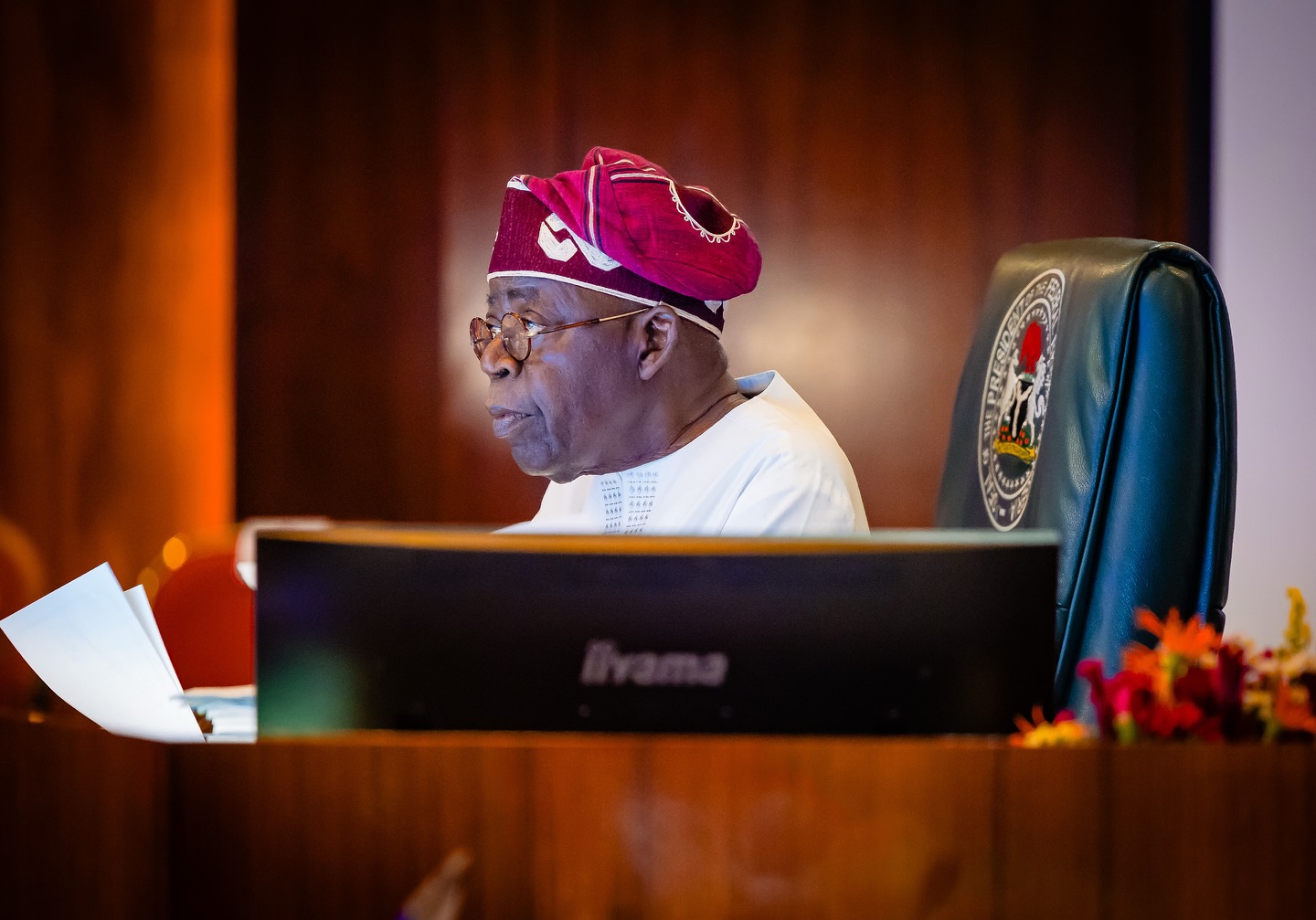
Federal govt approves 100% exit benefits for retiring civil servants
The Federal Government has approved an Exit Benefits Scheme that grants retiring civil servants a lump sum equivalent to 100% of their total annual emoluments, on top of their regular pension savings under the Contributory Pension Scheme. PenCom Director General Omolola Oloworaran announced the policy, effective 1 January 2026, as part of a broader push to strengthen retirement security for Nigerian workers.
Aradel Holdings and Oando drag NGX lower, investors lose N958.5 billion
The Nigerian equities market extended its correction on Thursday as Aradel Holdings, Oando, and 32 other counters declined, pushing the NGX All-Share Index down 0.64% to 233,580.83 points. Investor wealth fell by N958.5 billion, with market capitalisation dropping to N149.89 trillion, below the N150 trillion threshold for the first time since the correction began.
CBN data localization policy set to spark data centre investment surge
The Central Bank of Nigeria's directive requiring banks, payment service providers, and fintech companies to store customer and transaction data within Nigeria by January 2027 is expected to drive significant investment into the country's data centre industry. Operators say the policy will stimulate demand for local hosting, create jobs, reduce foreign exchange outflows on overseas cloud services, and strengthen Nigeria's digital sovereignty.

CAC, EFCC join forces to enforce PoS operator registration nationwide
The Corporate Affairs Commission and the Economic and Financial Crimes Commission have agreed to intensify enforcement of Point of Sale operator registration across Nigeria, with only about 20% of operators currently registered. Both agencies expressed concern that unregistered PoS terminals are being used to facilitate financial crimes, including ransom payments and money laundering.
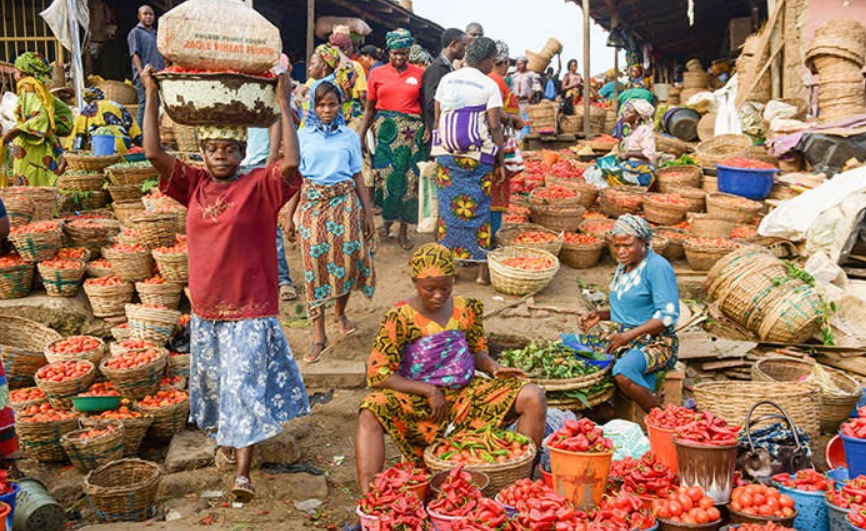
S&P Global lifts Nigeria's 2026 inflation forecast to 16.9%
S&P Global has revised Nigeria's average inflation forecast for 2026 upward to 16.9%, from an earlier projection of 15.0%, citing a stronger-than-expected pass-through of higher oil prices into domestic energy costs. The ratings agency also cut Nigeria's GDP growth forecasts for 2026 and 2027 by 30 basis points each, to 3.7% and 3.5% respectively, warning that elevated consumer prices could weigh on household spending — a key driver of economic activity.
SEC halts Dangote Refinery IPO promotions, orders investor refunds
The Securities and Exchange Commission has banned all marketing and promotional activities related to a purported initial public offering by Dangote Petroleum Refinery & Petrochemicals FZE, stating that no application for such an offer has been filed with or approved by the regulator. Capital market operators have been directed to immediately remove promotional materials and refund all funds collected from investors within 24 hours or face sanctions under the Investments and Securities Act 2025.
NGX rebounds with N1.52tn gain as banking stocks lead recovery
The Nigerian equities market staged a decisive rebound on Monday, adding N1.52 trillion in market capitalisation as tier-one banking stocks, led by First HoldCo and GTCO hitting their 10% daily gain limits, triggered a sector-led recovery. The All-Share Index rose 0.97% to 238,219.19 points, snapping a six-session losing streak that had erased over N5 trillion in investor wealth.

UNCTAD sees 353% lithium demand surge as Nigeria courts mining investors
Global lithium demand is set to rise 353% by 2040, driven by clean energy technologies, according to a new UNCTAD report. For Nigeria, which has attracted over $1.3 billion in Chinese investment into its lithium processing sector since 2025, the projection signals growing opportunities in the solid minerals value chain and potential revenue from mining taxes and royalties.
Pound slides toward yearly low against Naira on UK political turmoil
The British Pound is trading near its lowest point of the year against the Nigerian Naira as a political crisis in the United Kingdom pressures the currency. CBN data puts the exchange rate at N1,806 to the pound sterling, as expectations mount that UK Prime Minister Sir Keir Starmer will resign.
Aradel's profit nearly triples, but most gains are accounting-driven
Aradel Holdings reported profit before tax of N835.01 billion for 2025, a 163.60% jump from N316.77 billion in 2024. However, a closer look at the numbers shows that 73.1% of the reported pre-tax profit came from non-cash acquisition-related accounting gains, leaving underlying earnings growth at just 4.50%.

Nigeria's REITs and infrastructure funds post mixed returns by May
Only four of eight listed REITs and infrastructure funds on the Nigerian Exchange recorded positive year-to-date capital appreciation as of May 29, 2026, while the remaining four saw no price movement from their January opening levels. The eight instruments, which collectively hold a combined market capitalisation of approximately N497.30 billion, have broadly underperformed the broader equity market, with the NGX All-Share Index up 60.90% over the same period.
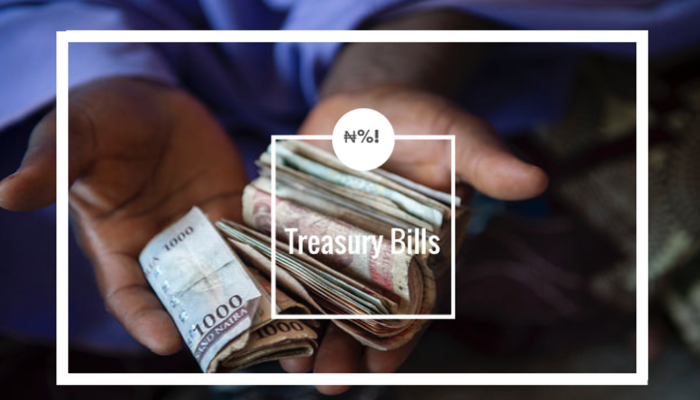
Nigeria's bond, T-bill turnover surges 137% as yields climb sharply
Nigeria's fixed income secondary market recorded a surge in trading activity during the week ended June 19, 2026, with Treasury bill turnover rising 137.49% to N1.51 trillion and FGN bond trading volume increasing 75.91% to N1.20 trillion. Yields rose sharply across maturities, with average T-bill yields climbing 72 basis points to 18.31% and the 9-month bill hitting 20.15%, signalling active portfolio repositioning by institutional investors.
FGN bonds draw N1.41 trillion in bids as June auction yields climb
The Debt Management Office received N1.41 trillion in investor bids at its June 2026 bond auction, surpassing the N1.2 trillion offer size by N213.49 billion. Marginal rates on both instruments climbed sharply, rising 131–134 basis points month-on-month as investors demanded higher compensation on long-term government debt, signalling elevated domestic borrowing costs for the Federal Government.

Africa's wealth shift must move from earning to investing, says Anchoria MD
Esther Ugwu, Managing Director of Anchoria Asset Management, argues that Africa's next wealth revolution depends not on earning more income but on building a culture of long-term investing. She calls for broader financial education, technology-enabled investment access, and professional guidance to help Nigerians convert earnings into lasting assets.

Nigeria's infrastructure gap fuels Starlink surge as Musk becomes trillionaire
A new op-ed argues that Nigeria's persistent broadband deficit has made Starlink the country's second-largest internet service provider, with nearly 92,000 subscribers paying monthly fees to Elon Musk's satellite network. The piece contrasts Musk's $1.1 trillion net worth — over three times Nigeria's nominal GDP — with NigComSat's $1.6 million annual revenue, and proposes three structural reforms to close the infrastructure gap.
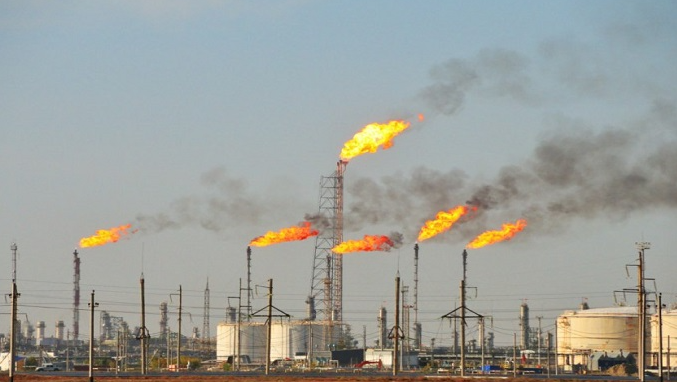
Nigeria among nine nations behind 83% of global gas flaring
Nigeria ranked among the world's top gas-flaring countries in 2025, with nine nations accounting for 83% of total flaring, according to the World Bank's latest Global Gas Flaring Tracker Report. The country recorded an 8% increase in both gas flaring volumes and crude oil production, while flaring intensity remained largely unchanged.
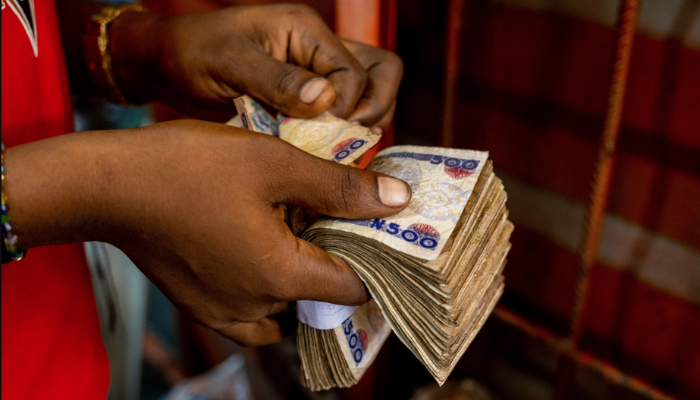
Nigerians hold N5.19 trillion cash outside banks despite digital push
The Central Bank of Nigeria reports that Nigerians held N5.19 trillion outside the banking system as of May 2026, representing 91.27% of all currency in circulation. The figure signals persistent reliance on cash transactions that has implications for tax compliance and revenue collection, even as regulators push financial inclusion targets.
SEC Nigeria and Rwanda CMA sign MoU to deepen capital market ties
Nigeria's Securities and Exchange Commission has signed a Memorandum of Understanding with Rwanda's Capital Markets Authority, formalising regulatory cooperation between the two countries. The agreement covers investor education, enforcement coordination, capacity building, and information sharing as part of broader efforts to integrate African capital markets.
Money Market Funds remain top pick for Nigerian investors amid high yields
Money Market Funds now account for over 60% of all mutual funds in Nigeria, delivering annualized returns of 15% to 22% — a sharp rise from the 7% to 10% offered just a few years ago. The surge is driven by the CBN's aggressive monetary tightening, which has pushed the Monetary Policy Rate to 26.5% and lifted Treasury bill yields to between 18% and 22%.

Aradel Holdings pre-tax profit jumps 323% to N284 billion in Q1 2026
Aradel Holdings Plc reported a pre-tax profit of N283.84 billion for the first quarter ended March 31, 2026, a 322.54% surge from N67.17 billion in the same period of 2025. Revenue climbed 264.50% year-on-year to N728.52 billion, driven by higher crude oil and gas production following the consolidation of NDW and Renaissance assets.
United Capital expands into Ethiopia, Rwanda in regional banking push
United Capital Plc has become the first foreign investment bank to secure an operating licence in Ethiopia while also obtaining regulatory approval to operate in Rwanda. The move marks a significant step in the Nigerian financial services group's pan-African expansion strategy and strengthens its footprint in East and Central Africa.
Nigeria's broad money supply hits N129.21 trillion in May 2026
Nigeria's broad money supply (M3) rose to N129.21 trillion in May 2026, up 3.38% from N124.99 trillion in April, despite the Central Bank of Nigeria maintaining its tight monetary policy stance. The expansion was driven by growth in quasi-money, net foreign assets, and net domestic assets, signalling sustained liquidity in the financial system.
Private sector credit hits N81.04 trillion despite tight CBN policy
Credit to Nigeria's private sector rose to N81.04 trillion in May 2026, up from N80.59 trillion in April, even as the Central Bank of Nigeria maintained a tight monetary policy stance. Net domestic credit climbed to N121.42 trillion during the period, while year-on-year private sector lending grew 3.9% from N77.97 trillion in May 2025, signalling continued resilience in lending activity despite elevated borrowing costs.

Fitch warns $5bn TRS deal may complicate Nigeria's debt restructuring
Fitch Ratings has warned that Nigeria's proposed $5 billion Total Return Swap with First Abu Dhabi Bank could obscure the true scale of sovereign borrowing and complicate any future debt restructuring. The rating agency flagged risks including margin calls payable in dollars against naira-denominated collateral and limited transparency around the derivative structure.

Options trading explained: A beginner's guide to calls and puts
Options trading can be understood using a simple analogy: buying a call option is like betting an asset's price will rise, while buying a put option is a bet the price will fall. Both strategies limit the buyer's maximum loss to the premium paid, but sellers face potentially unlimited risk.

Oloja by Payxy launches no-code e-commerce platform for Nigerian MSMEs
Payxy has launched Oloja, a digital commerce platform enabling Nigerian small businesses to create online stores without coding skills or setup fees. The platform targets over 37 million MSMEs that contribute nearly half of Nigeria's GDP but have lacked adequate digital infrastructure.

Nigeria's biggest M&A deals in H1 2026 hit $6.5 billion
Nigeria's mergers and acquisitions landscape recorded combined disclosed deal values of at least $6.5 billion in the first half of 2026, driven largely by MTN Group's proposed $6.2 billion acquisition of IHS Towers. Other major transactions included Aradel Holdings' $300 million stake increase in ND Western and MTN Nigeria's planned sale of a 60% stake in its fintech subsidiaries to MTN Group for N152.06 billion.

Nigeria's gas output rises to 7.93bcf/d in May 2026
Nigeria's average daily natural gas production increased to 7.93 billion standard cubic feet per day (bcf/d) in May 2026, a 0.63% year-on-year rise. Data from the Nigerian Upstream Petroleum Regulatory Commission shows non-associated gas slightly outpaced associated gas, reflecting the growing role of dedicated gas development projects.

Haleon begins phased corporate rebranding in Nigeria after GSK demerger
Haleon has started rolling out its new corporate identity across Nigeria, marking the latest phase of its transition into a standalone consumer healthcare company following its demerger from GSK in July 2022. The rebranding covers product packaging and corporate materials for brands including Panadol, Sensodyne, and Voltaren, with no changes to product formulation or quality.
IMF warns stablecoins risk weakening naira demand and monetary policy
The International Monetary Fund has warned that the growing adoption of U.S. dollar-denominated stablecoins in Nigeria could weaken demand for the naira and undermine the effectiveness of the Central Bank of Nigeria's monetary policy framework. In a new report, the Fund urged a balanced regulatory approach rather than outright restrictions.
Court upholds arrest warrant for ex-minister Sadiya Farouq over alleged N746.7m fraud
The Federal Capital Territory High Court has dismissed an application by former Minister of Humanitarian Affairs, Sadiya Umar Farouq, to quash an arrest warrant issued against her. The judge ruled that Farouq wilfully failed to appear in court without valid reason, clearing the way for her arraignment on charges of criminal conspiracy, abuse of office, and diversion of public funds amounting to $1.3 million and N746.7 million.

FG to launch GIS-enabled digital postcode system in October 2026
The Federal Government will launch a GIS-enabled alphanumeric digital postcode system by October 2026, assigning a unique code to every building nationwide. The initiative is expected to transform emergency response, logistics, e-commerce, and government service delivery.

Oil stocks, First HoldCo drag NGX down as investors lose N945 billion
The Nigerian equities market turned bearish on Monday as profit-taking in oil and gas and banking heavyweights erased approximately N945 billion from investors' wealth. The NGX All-Share Index fell 0.60% to 243,271.57 points, with Aradel Holdings, First HoldCo, Transcorp, and Oando leading the losses.
Naira gains to N1,356/$ in best showing since April 2026
The naira strengthened to N1,356 per US dollar at the official market on Monday, its best closing level since April 23, 2026. The appreciation of N9.4 from Friday's close was supported by rising external reserves, improved forex market liquidity, and a weaker US dollar amid easing geopolitical tensions.

Xpress Payments marks 10 years with week-long celebration events
Xpress Payment Solutions Limited (Xpress Payments) has unveiled plans for a week-long series of events to commemorate its 10th anniversary. The payment technology company, which launched operations in 2016, will host activities including a public lecture, CSR initiative, stakeholder engagements and a gala night under the theme 'A Decade of Innovation, A Future of Possibilities.'

CPPE calls for action on insecurity, food supply to rein in inflation
The Centre for the Promotion of Private Enterprise has urged the federal government to address insecurity in farming communities and close food supply gaps as a strategy to curb Nigeria's rising inflation. The call follows the National Bureau of Statistics' latest data showing headline inflation climbed to 15.93% in May 2026, up from 15.69% in April.
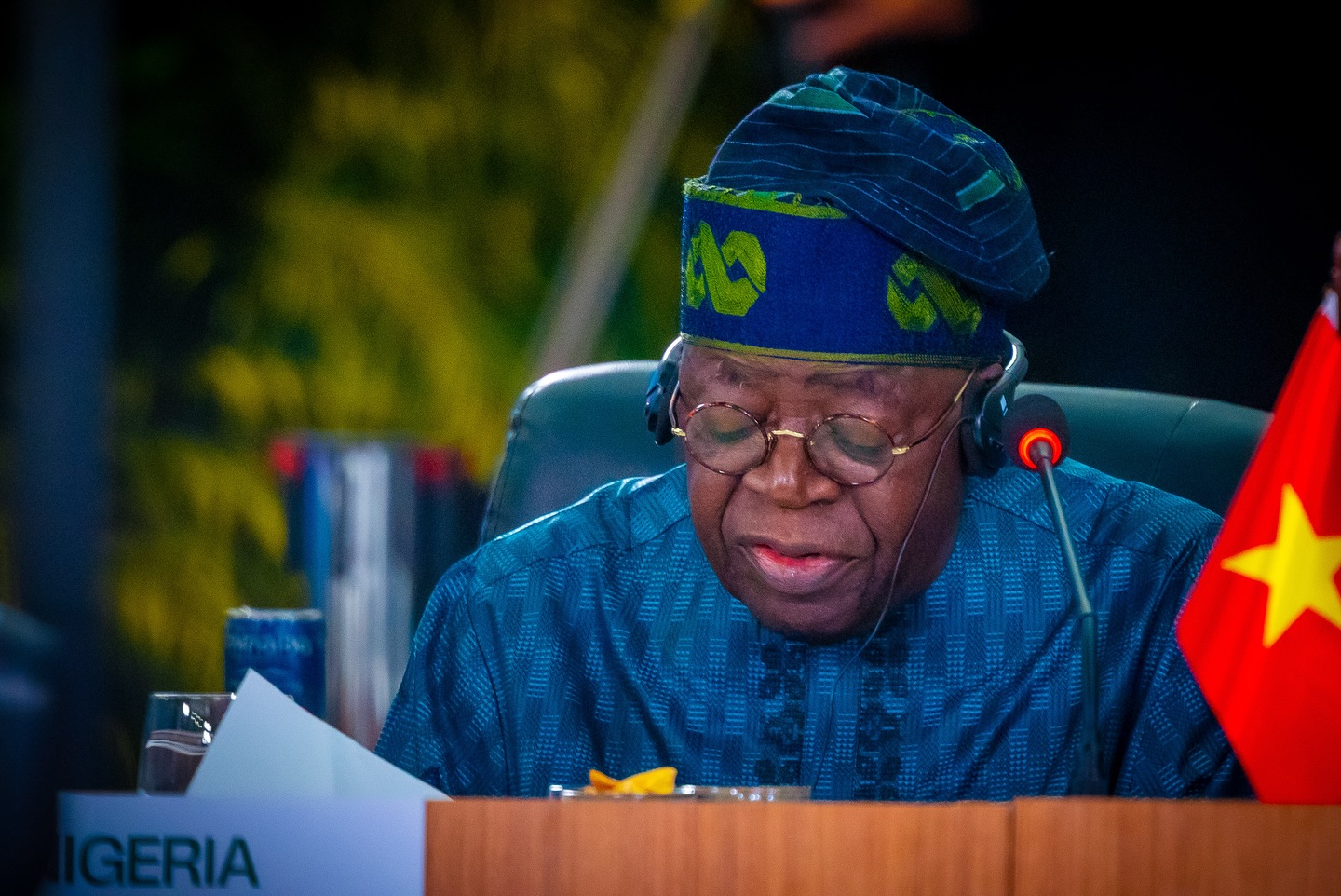
Nigeria's reform boom lifts investors as consumers bear the cost
Nigerian equities, fixed-income yields, and property values have surged under the Tinubu administration, while persistent inflation continues to erode household purchasing power. GDP expanded by 3.89% in the first quarter of 2026, but the article argues that economic gains remain concentrated among capital holders, leaving consumers to shoulder the burden of adjustment.
US-Iran peace deal and what it means for Nigeria's economy
The United States and Iran have agreed to a peace deal ending a three-month conflict that pushed global crude oil prices to $130 per barrel and sent Nigerian petrol prices above N1,350 per litre. The agreement is expected to lower energy costs, ease inflation, and reshape fiscal and investment conditions for Africa's largest economy.
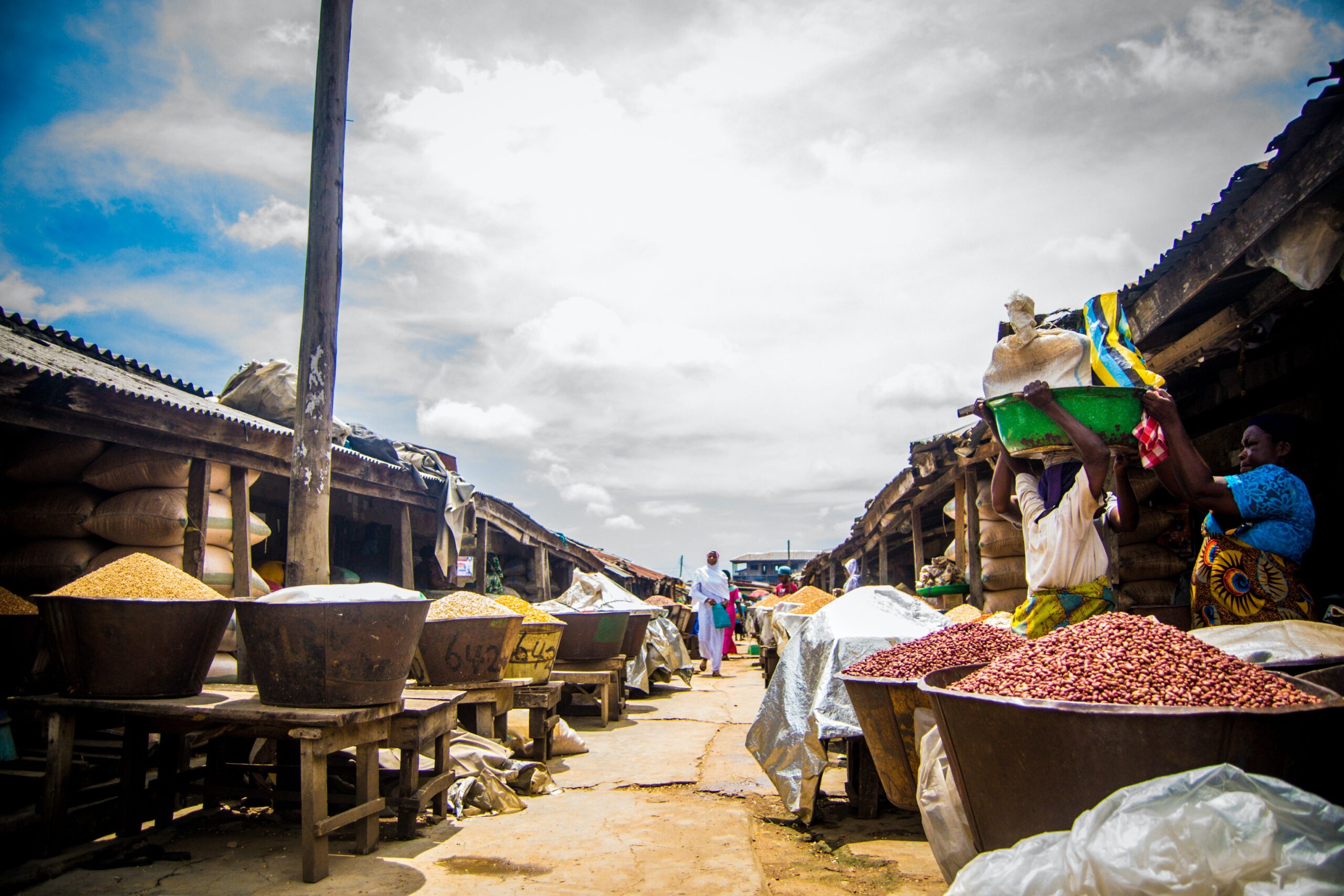
Nigeria's food inflation hits 16.96%, widening gap with headline rate
Nigeria's food inflation rose to 16.96% in May 2026, outpacing the headline inflation rate of 15.93% for the second consecutive month. The National Bureau of Statistics attributed the increase to rising costs of staples including onions, maize, tomatoes, yam, and cassava products.

Yobe tops list of Nigeria's most expensive states in May 2026
Nigeria's headline inflation rose to 15.93% in May 2026, up from 15.69% in April, according to the NBS. Yobe recorded the highest state-level inflation at 24.9%, while Zamfara ranked 10th at 20.2%.
CBN holdco draft could trigger unintended capital and FX consequences
The Central Bank of Nigeria's draft holding company guidelines, open for public comment until July 9, risk producing outcomes the regulator may not have anticipated — including a potential N300 billion capital release at the bank level, structural dollar outflow pressure, and a disruption of CEO succession pipelines at systemically important institutions.

FG to begin Kaduna light rail construction next month after $2.99bn FEC approval
The Federal Government will commence construction of the Kaduna two-corridor light rail project next month, following the completion of technical assessments and route evaluations. The project is one of three urban rail systems approved by the Federal Executive Council under a $2.99 billion infrastructure programme.
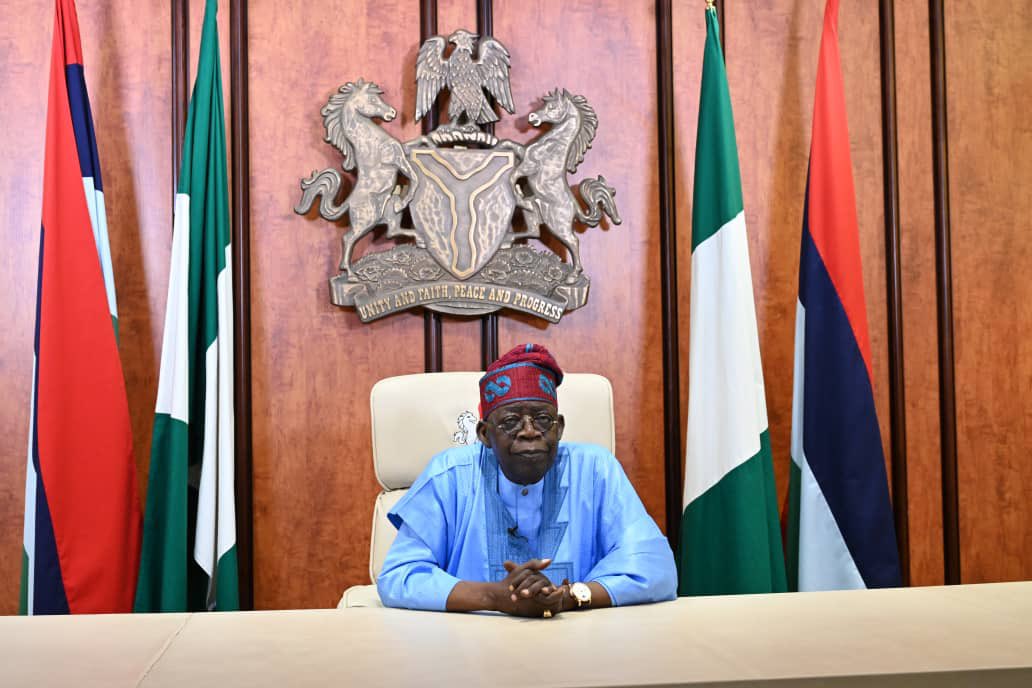
SBM poll: Nearly 80% of Nigerians say country heading wrong direction ahead of 2027
Nearly eight in 10 Nigerians believe the country is moving in the wrong direction ahead of the 2027 general election, according to the first wave of the Nigeria 2027 Voter Sentiment Tracker by SBM Intelligence. The survey highlights widespread discontent over economic conditions, insecurity, and governance across all six geopolitical zones.
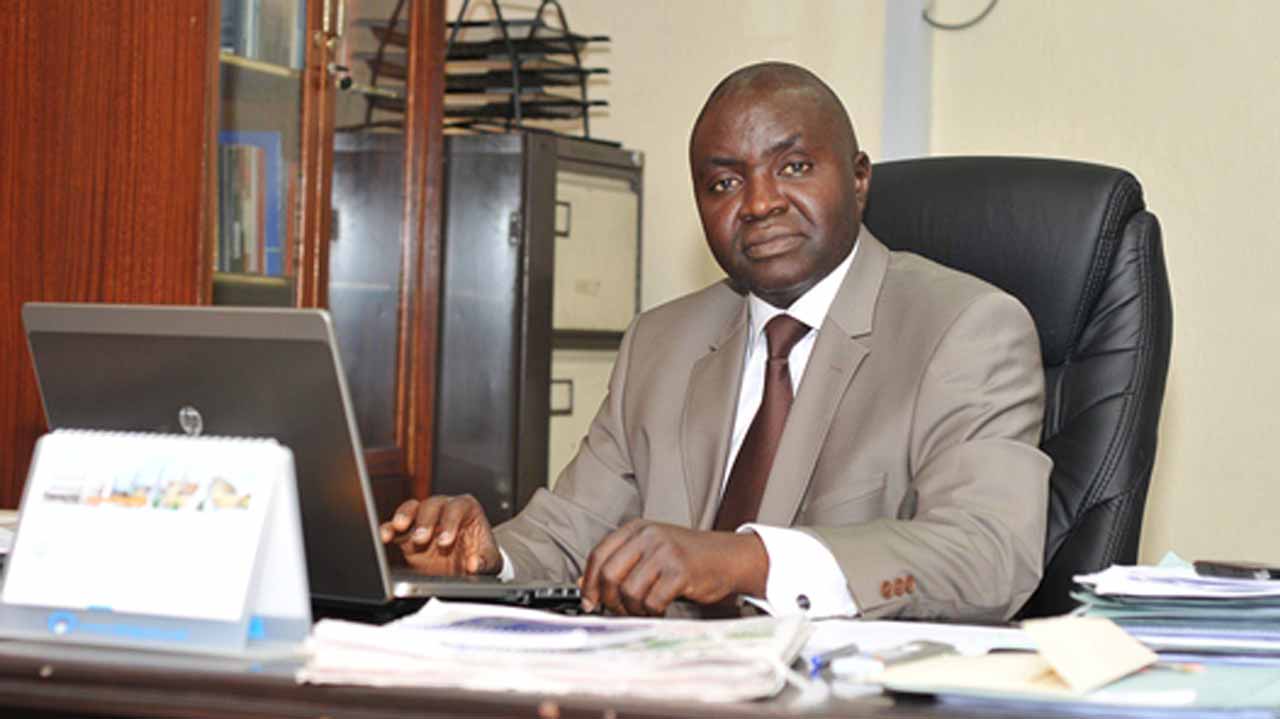
CPPE warns prolonged tightening, hot money reliance threaten growth
The Centre for the Promotion of Private Enterprise has warned that prolonged monetary tightening and Nigeria's growing dependence on foreign portfolio inflows could undermine long-term economic growth, despite recent gains in macroeconomic stability.

CSCS pretax profit surges 116% in Q1 2026 on new fee structure
The Central Securities Clearing System (CSCS) posted a 115.7% jump in profit before tax to N6.49 billion in the first quarter of 2026, driven by a sweeping fee restructuring that took effect in January. Fee income nearly doubled to N7.31 billion, accounting for 88% of total operating income, as higher charges for fixed income services and custody operations flowed through to the bottom line.
FCMB, Fidelity and Sterling lead contrarian banking picks on NGX
A research analysis of all twelve listed banking stocks on the NGX identifies FCMB, Fidelity Bank, and Sterling Bank as the strongest contrarian opportunities, with each trading at significant valuation discounts despite solid fundamentals. The picks emerge as the broader market rally masks selective neglect in certain banking names.

IMF advises Nigeria to impose telecom excise tax, extend VAT to fuel
The International Monetary Fund has recommended that Nigeria introduce excise duties on telecommunications services and extend Value Added Tax to fuel products as part of broader revenue reforms. In its latest Article IV consultation report, the Fund warned that current capital expenditure levels are unsustainable without stronger revenue growth.

NIMC rejects claims Nigeria has no functional identity database
The National Identity Management Commission has pushed back against assertions that Nigeria lacks a working national identity database, saying the system holds over 130 million records and is actively supporting identity verification across both government and private sectors. The rebuttal follows remarks by the Minister of Defence linking weak data infrastructure to persistent security challenges.