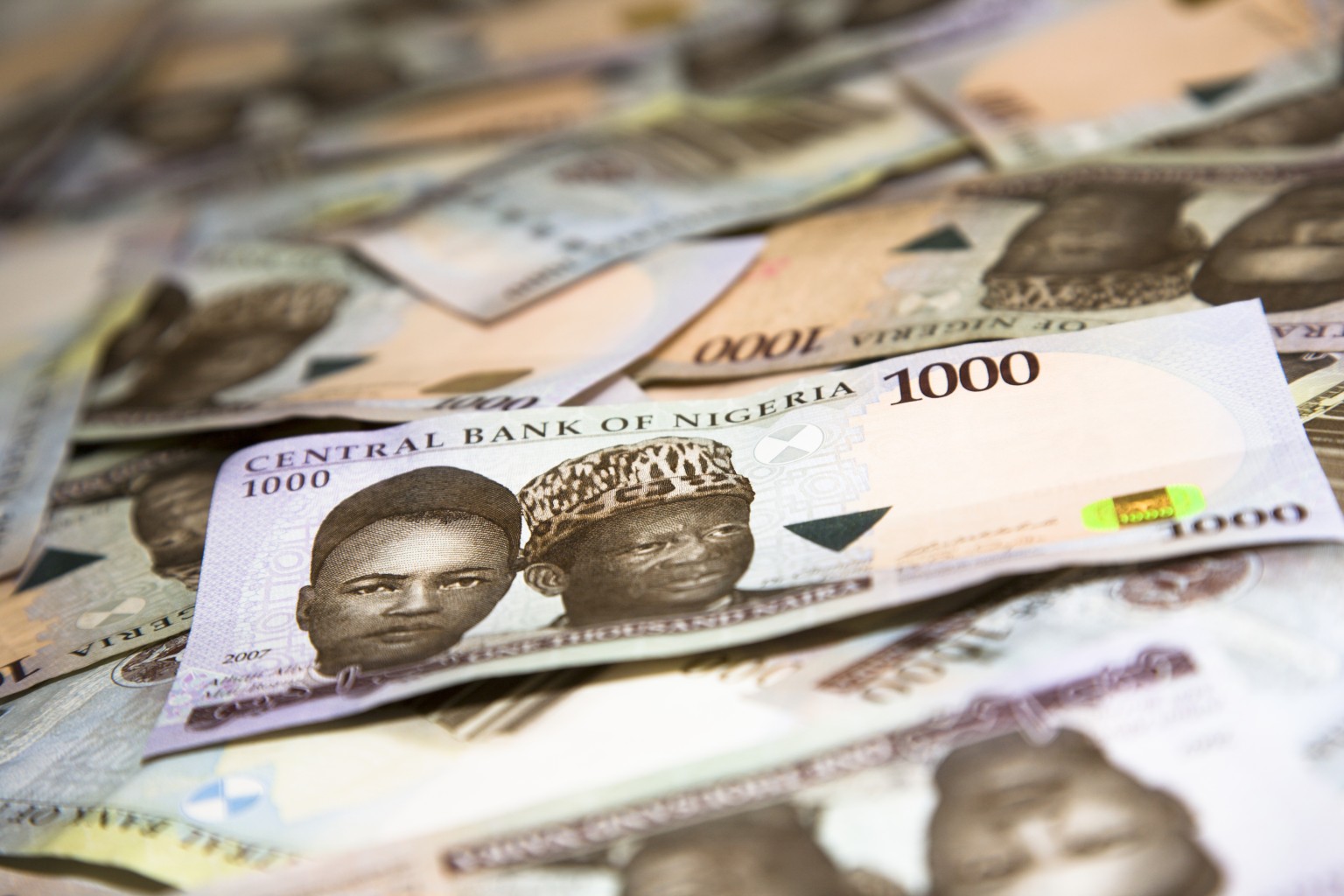
Nigerian Money Market Funds (MMFs) are seeing an unprecedented surge in demand from both retail and institutional investors, cementing their position as the dominant investment vehicle in the country's mutual fund landscape.
MMFs now represent over 60% of all mutual funds in the Nigerian market, as investors shift away from equities toward capital preservation instruments. Leading funds are currently delivering annualized returns ranging from 15% to 22% — roughly double the 7% to 10% offered a few years ago.
At the heart of this yield expansion is the Central Bank of Nigeria's aggressive monetary tightening campaign. The Monetary Policy Rate stands at 26.5% following multiple hikes by the MPC, and Nigeria's 364-day Treasury bill is trading between 18% and 22% at the last auction. Commercial paper issuances from top-tier banks and conglomerates are trading between 22% and 25%.
In contrast, traditional commercial bank savings accounts offer annual returns of just 2% to 5%, making idle cash in bank accounts a costly missed opportunity.
SEC-registered money market funds typically allocate 35% to 45% of assets to sovereign debt — risk-free federal government Treasury Bills that serve as a safety anchor. Another 30% to 40% goes into tier-1 commercial papers from high-quality issuers such as MTN, Dangote, or top-rated state governments like Lagos and Rivers. The remaining 15% to 20% is placed in high-yield certificates of deposit from tier-1 commercial banks.
One key advantage driving MMF adoption is accessibility. While direct CBN Treasury bill investments often require minimum subscriptions of N5 million or more in the primary market, money market funds allow entry with as little as N1,000 to N10,000 through fintech and asset management platforms. This has effectively democratised access to yields above 20%.
The CBN's dual objective — containing inflation and stabilising the naira — has created a favourable environment for naira-denominated assets. The exchange rate has remained relatively stable in the N1,360 to N1,400 per dollar range this year, reducing fears of currency depreciation that previously discouraged naira holdings.