Nigeria's food inflation rate accelerated to 16.96% in May 2026, remaining above the headline inflation figure of 15.93% for a second straight month, according to data from the National Bureau of Statistics (NBS) analysed by Nairametrics Research.
In April, food inflation had stood at 16.06% against a headline rate of 15.69%, marking the first time in eight months that food prices rose faster than the broader consumer basket. The gap widened further in May, with food inflation climbing 0.90 percentage points while headline inflation increased by just 0.24 percentage points.
Food inflation has surged from 8.89% in January 2026 to 16.96% in May — a jump of 8.07 percentage points, or roughly 90.8% within five months. Over the same period, headline inflation rose from 15.10% to 15.93%, an increase of 0.83 percentage points (5.5%). This indicates that the recent rebound in inflation has been driven primarily by food prices.
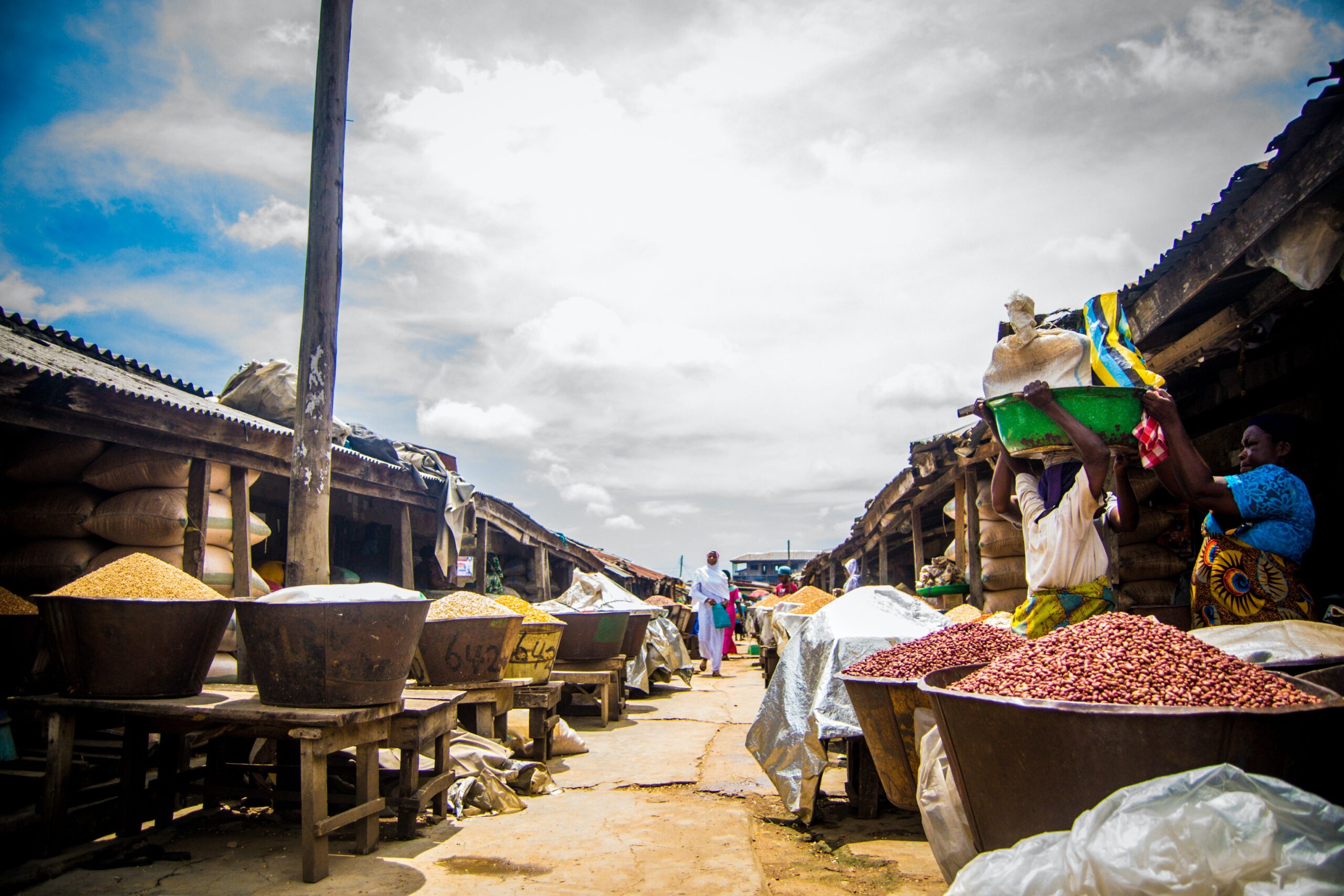
The NBS attributed the rise to higher prices for onions, maize grains, melon, water yam, cassava flour, crayfish, fresh pepper, tomatoes, wheat grain, cassava tuber, yam tuber, sweet potatoes, ginger, plantain, and cowpea.
Food and non-alcoholic beverages contributed 6.38 percentage points to the national headline inflation rate of 15.93% in May, accounting for roughly 40% of total inflation — the largest contribution of any CPI division. Restaurants and accommodation services added 2.06 percentage points, while transport contributed 1.70 percentage points.
**State-level disparities remain pronounced.** Food inflation exceeded 17% in 21 states during May, representing 58.3% of Nigeria's 36 states. Adamawa recorded the highest rate at 29.6%, followed by Kwara (28.5%), Rivers (28.4%), and Enugu (27.8%). Other states with elevated food inflation include Bauchi (25.4%), Plateau (24.8%), Kaduna (24.0%), Delta (23.8%), and Ondo (23.1%). Borno, Taraba, and Bayelsa recorded the slowest increases.
The NBS cautioned that state-level CPI figures should not be used for direct inter-state comparison because consumption baskets differ across jurisdictions.
Nigeria's headline inflation rate edged up to 15.93% in May from 15.69% in April, even as the monthly pace of price increases moderated. The Consumer Price Index rose to 140.7 points in May from 138.3 points in April, reflecting sustained but slowing inflationary pressures across the broader economy.