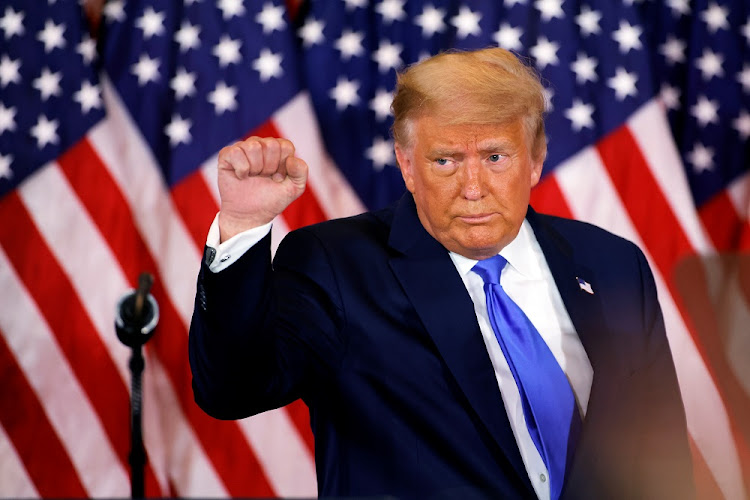
The United States and Iran have finalised a peace agreement that brings an end to a three-month conflict which rattled global markets and drove energy prices to multi-year highs. U.S. President Donald Trump announced the development on his Truth Social platform on Sunday, confirming that a deal with the Islamic Republic of Iran had been completed.
The agreement includes the lifting of a weeks-long U.S. naval blockade of Iranian ports and the reopening of the Strait of Hormuz to global shipping — a critical chokepoint for oil tankers.
Global crude oil prices fell sharply after the announcement, with markets pricing in improved supply conditions and reduced geopolitical risk. During the conflict, crude had climbed from below $70 per barrel to as high as $130.
**Fuel prices and inflation**
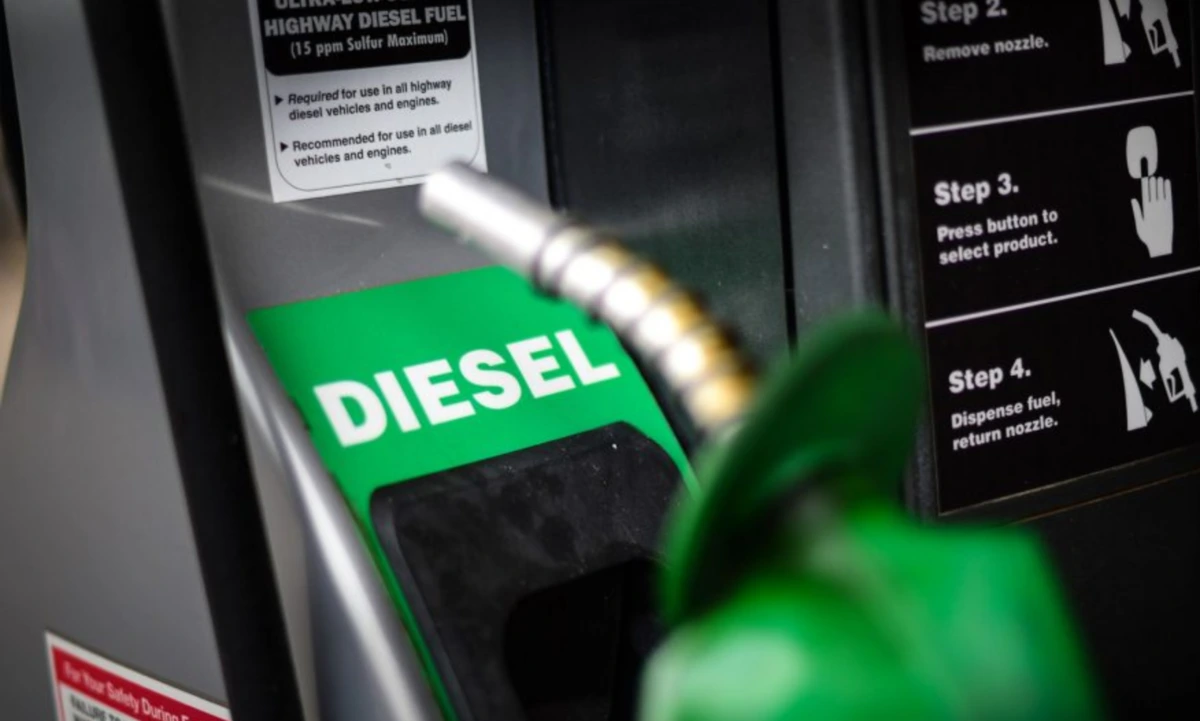
Nigeria felt the impact acutely through elevated pump prices. Petrol, which sold for about N850 per litre before the conflict, rose to as high as N1,350 per litre, and above N1,400 in some locations. With Nigeria now operating a largely market-based fuel pricing system following the removal of the petrol subsidy, local prices track movements in global crude and exchange rates.
A sustained decline in crude prices should translate to lower petrol costs within weeks, assuming the deal holds. This would feed directly into inflation, which stood at 15.9% in May 2026 according to the National Bureau of Statistics. The war had driven up food and logistics costs, eroding household purchasing power.
**Government revenue and the budget**
While higher crude prices during the conflict provided some support to government revenue and narrowed pressure on fiscal deficits, the return of lower prices could squeeze revenues. However, the 2026 budget was benchmarked at $75 per barrel, which may limit the fiscal impact if crude stabilises around that level.
**Exchange rate and capital flows**