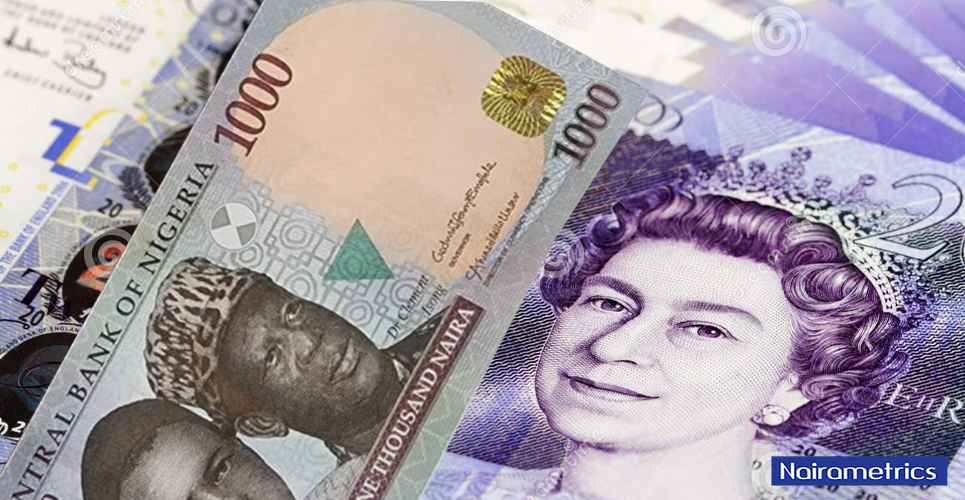
The British Pound has fallen toward its weakest level of 2026 against the Nigerian Naira, as a deepening political crisis in the United Kingdom rattles currency markets.
CBN data shows the Naira settling at **N1,806** to the pound sterling, reflecting the pressure on the British currency following reports that UK Prime Minister Sir Keir Starmer is expected to announce a resignation timetable. Starmer's position became untenable after Labour intra-party rival Andy Burnham secured a landslide by-election victory in Greater Manchester last week.
The pound fell as much as 0.4 percent against the US dollar to **$1.3181** early Monday, approaching the 2026 low of $1.3159 set in March. A break below that level would send sterling to its weakest since November.
For Nigerian businesses and individuals who transact in pounds sterling — including importers with UK suppliers, students studying in Britain, and companies with cross-border operations — the slide offers some relief on the cost of accessing the currency. However, the broader uncertainty around UK fiscal policy complicates planning.
Currency traders are closely watching what a Burnham premiership would mean for UK public finances. Burnham has not detailed his policy agenda, and markets are uneasy about any potential increase in bond issuance to fund spending programmes, given the UK's already elevated debt levels.
Analysts suggest further downside for sterling is likely, with the dollar strengthening on the back of the Federal Reserve's hawkish posture. The US Dollar Index rose to a 13-month high of **101.13**, with the May 2025 peak of 101.26 now in sight. Half of the Federal Open Market Committee members are now anticipating a rate hike before year-end.
The CBN, meanwhile, continues to pursue a tight monetary policy strategy, keeping interest rates elevated to attract institutional investment into Naira-denominated bonds and fixed-income instruments. This approach has reduced speculative demand for foreign currency as a hedge against local inflation, while building external reserves that now stand at **$51 billion**.
Tensions in the Middle East added to the risk-off sentiment. A recent US-Iran accord was tested by renewed hostilities between Israel and Hezbollah, with both sides issuing conditional warnings about ceasefire compliance.