WeLight, Africa's largest solar mini-grid operator, has secured $31 million in funding to accelerate its expansion into Nigeria, targeting communities that remain outside the national power grid.
The investment was announced on Tuesday after the International Finance Corporation, the World Bank Group's private-sector investment arm, acquired a stake in the company alongside existing shareholders.
WeLight said the funding will accelerate its development, extend its geographic reach, and position the company for a larger phase of growth.
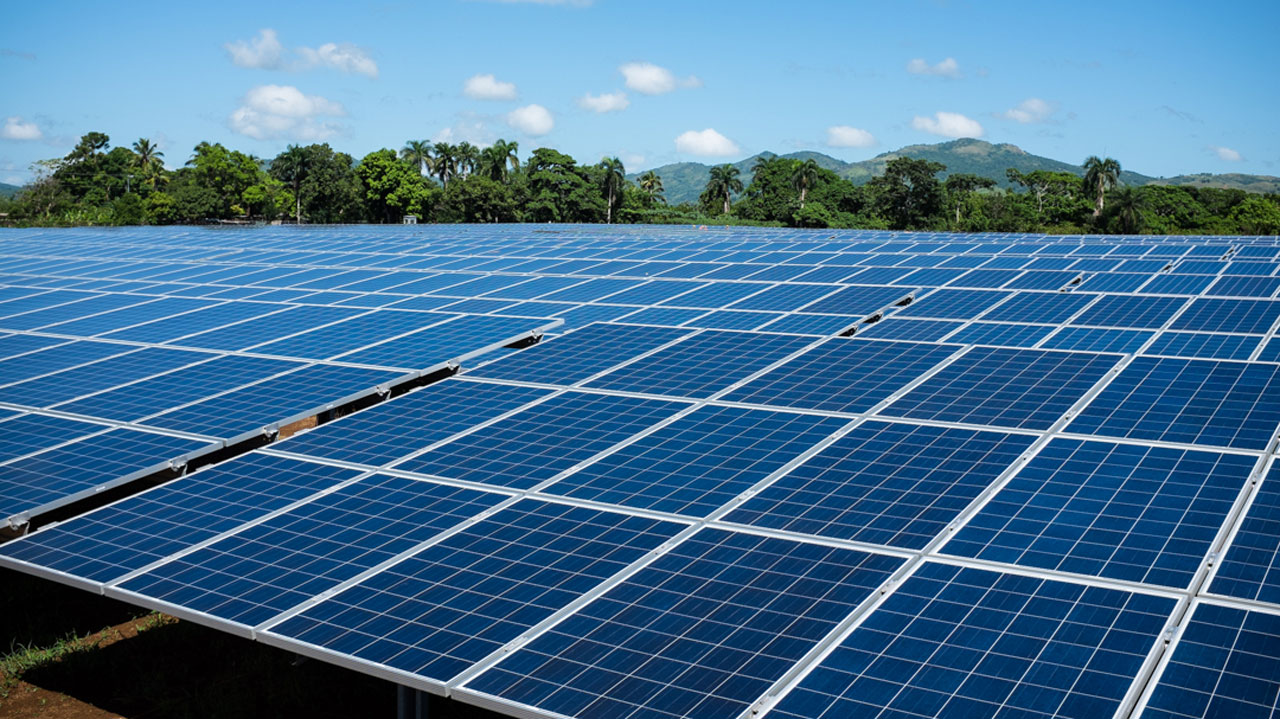
Founded in 2018 by Axian Group, Sagemcom, and Norfund, WeLight develops and operates solar-powered mini-grids that supply electricity to communities not served by national power networks. The company currently runs nearly 190 mini-grids in Madagascar and Mali, serving more than 800,000 people.
WeLight's planned entry into Nigeria comes as the country continues to grapple with one of the world's most severe electricity access deficits. An estimated 90 million Nigerians — roughly 40 to 42 percent of the population — lack access to electricity, with rural communities disproportionately affected.
Even connected households and businesses face unreliable supply. Nigeria has experienced at least two major national grid collapses this year alone, the first on January 23 and another four days later. In 2024, the national grid collapsed 12 times, averaging one collapse per month, and the pattern has persisted into 2025.
The funding round also reflects broader efforts to close Africa's electricity access gap. The World Bank and African Development Bank launched Mission 300 in 2024, targeting electricity access for 300 million Africans by 2030. In late January, the AfDB approved a $3.9 million, two-year project to support Nigeria and 12 other African countries in implementing energy compacts under the initiative. In mid-June, the World Bank and AfDB announced that Mission 300 had connected more than 50 million people to electricity across 40 countries in nearly two years.
Nigeria's Electricity Act, signed into law by President Bola Tinubu in 2023, empowers states to generate, transmit, distribute, and regulate electricity within their jurisdictions. However, the expected transformation in power supply is yet to fully materialise.