Oil marketers have warned that the recent decline in petrol prices could trigger a reversal of Nigeria's Compressed Natural Gas (CNG) adoption drive, with vehicle owners who installed CNG kits likely to return to petrol.
The Independent Petroleum Marketers Association of Nigeria (IPMAN) said the price drop, triggered by falling global crude oil prices, is reshaping consumer behaviour and market dynamics across the country.
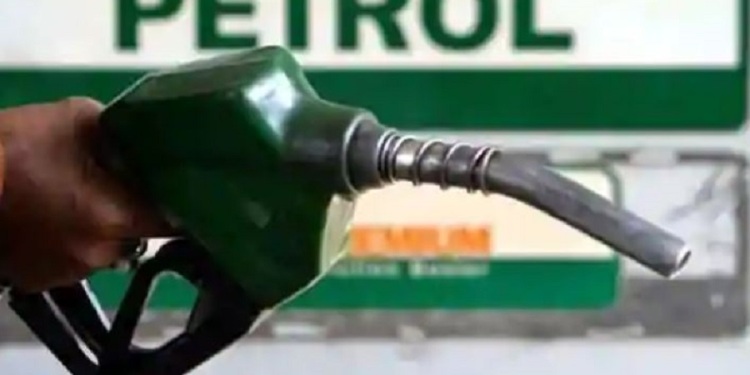
Petrol prices in Lagos and surrounding areas have fallen from an average of N1,320 per litre at filling stations to between N1,199 and N1,245 per litre. Depot prices have also dropped from an average of N1,275 per litre to between N1,165 and N1,180 per litre.
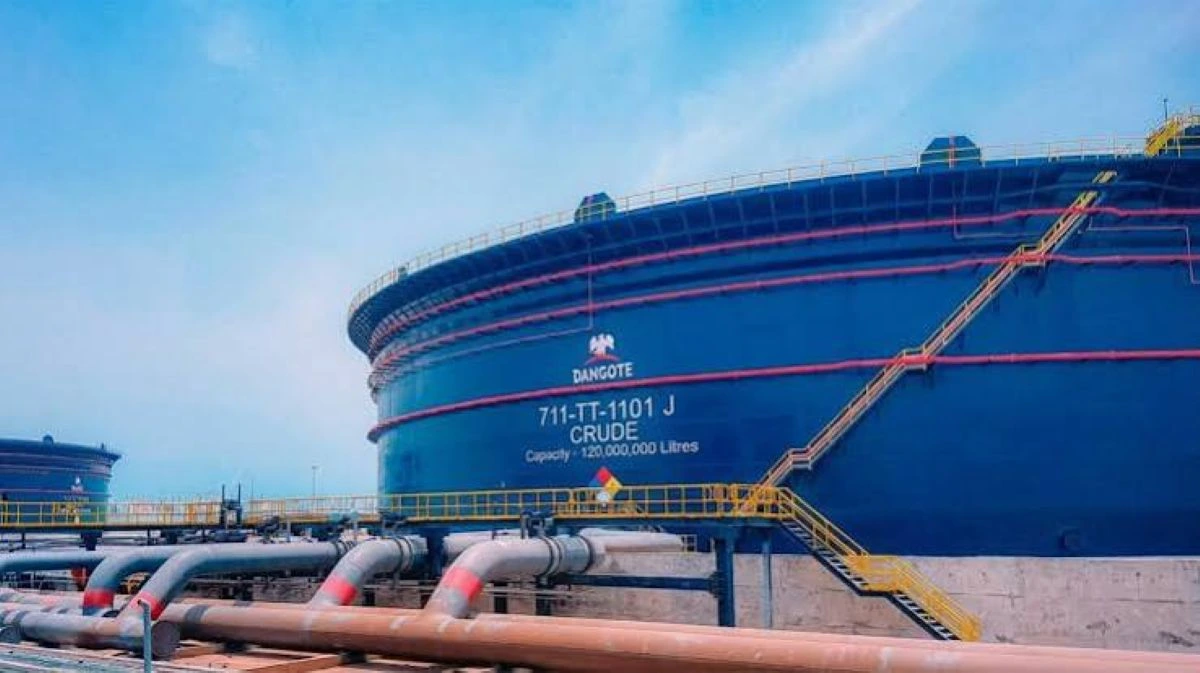
The decline follows a peace deal between the United States and Iran, which pushed crude oil prices down from as high as $120 per barrel to about $77 per barrel. The Dangote Refinery, currently the major supplier of petroleum products in Nigeria, adjusted its prices in response to the crude oil price movement.
IPMAN's National Publicity Secretary, Chinedu Ukadike, told Nairametrics that the falling prices have altered the competitive landscape between energy sources. Many consumers who turned to CNG and LPG when petrol prices were at their peak may now reconsider.
"Most people install CNG tanks and use cylinders to run their small-scale businesses because of the cost of petroleum products. I also believe that now that petroleum products are coming down, they will revert back to petroleum products and abandon the CNG and LPG," Ukadike said.
The lower prices have also transformed the economics of fuel supply for marketers. Operators who previously struggled to purchase a single truck of product can now acquire between 10 and 15 trucks with the same funding.
However, Mallam Darman Abdullahi, a retail station operator, cautioned that lower petrol prices do not automatically translate into higher profits. Profitability depends on acquisition costs, operating expenses, financing costs, and sales volumes. Marketers who purchased products at higher prices before the reductions are experiencing inventory losses as they are now compelled to sell at lower rates.