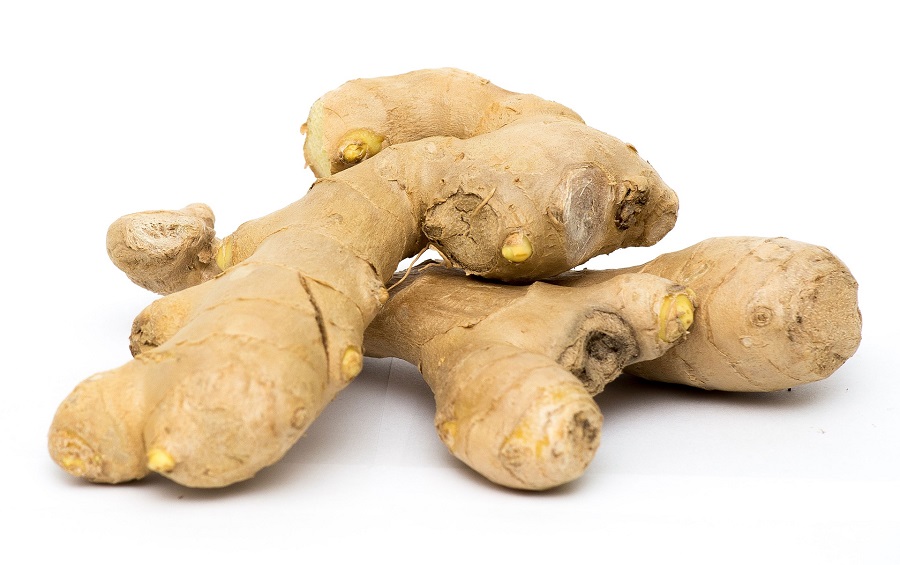
Traders in Lagos have attributed the sharp rise in ginger prices to a combination of insecurity in major farming communities, dwindling supplies, and higher logistics costs, with a paint bucket now selling for between N40,000 and N46,000.
According to a report by the News Agency of Nigeria (NAN), a derica measure of ginger now costs about N12,000, while many consumers have turned to buying small pieces for around N500 to N1,000, depending on location.
Ademola Oduyemi, the Public Relations Officer of Oyingbo Market, said insecurity had disrupted farming activities across Kaduna, Nasarawa, Niger, and Plateau states, where farmers are either unable to access their farmland or reluctant to plant new crops. This has sharply reduced the volume of ginger entering the market.
Falling supply from northern producing regions, combined with rising transport costs, has intensified price pressures. Traders including Florence Akinfolubi at Lawanson Market noted that higher procurement costs are forcing customers to opt for smaller quantities.
Nigeria's ginger exports declined by 74 per cent during the first nine months of 2024, with production losses linked to disease outbreaks in key farming states such as Kaduna and Kano. Stakeholders have warned that unless insecurity, production constraints, and transport bottlenecks are addressed, ginger prices are likely to remain elevated.
The spike comes amid broader but uneven food price pressures across Lagos. A Nairametrics survey across Mushin, Mile 12, Daleko, and Oyingbo markets in May 2026 showed that 27 of 67 staple food items recorded price increases, up from 18 in April, reflecting renewed pressure across key food categories. The rises were largely linked to higher logistics costs, with diesel averaging about N1,330 per litre during the period.
Although headline food inflation eased to 16.06 per cent year-on-year in April 2026, down from 24.68 per cent in April 2025, market-level pricing in Lagos has remained uneven. Ginger has sustained upward pressure into June 2026 amid ongoing supply constraints, despite broader signs of gradual moderation in other food items.
Banditry, farmer-herder clashes, insurgency, and reported abductions affecting farming communities continue to disrupt agricultural production and supply chains across several states, reducing farm output and limiting the movement of agricultural produce to markets.
Meanwhile, the International Monetary Fund has warned that over 20 million people in sub-Saharan Africa could face moderate to severe food insecurity due to rising global food pressures.