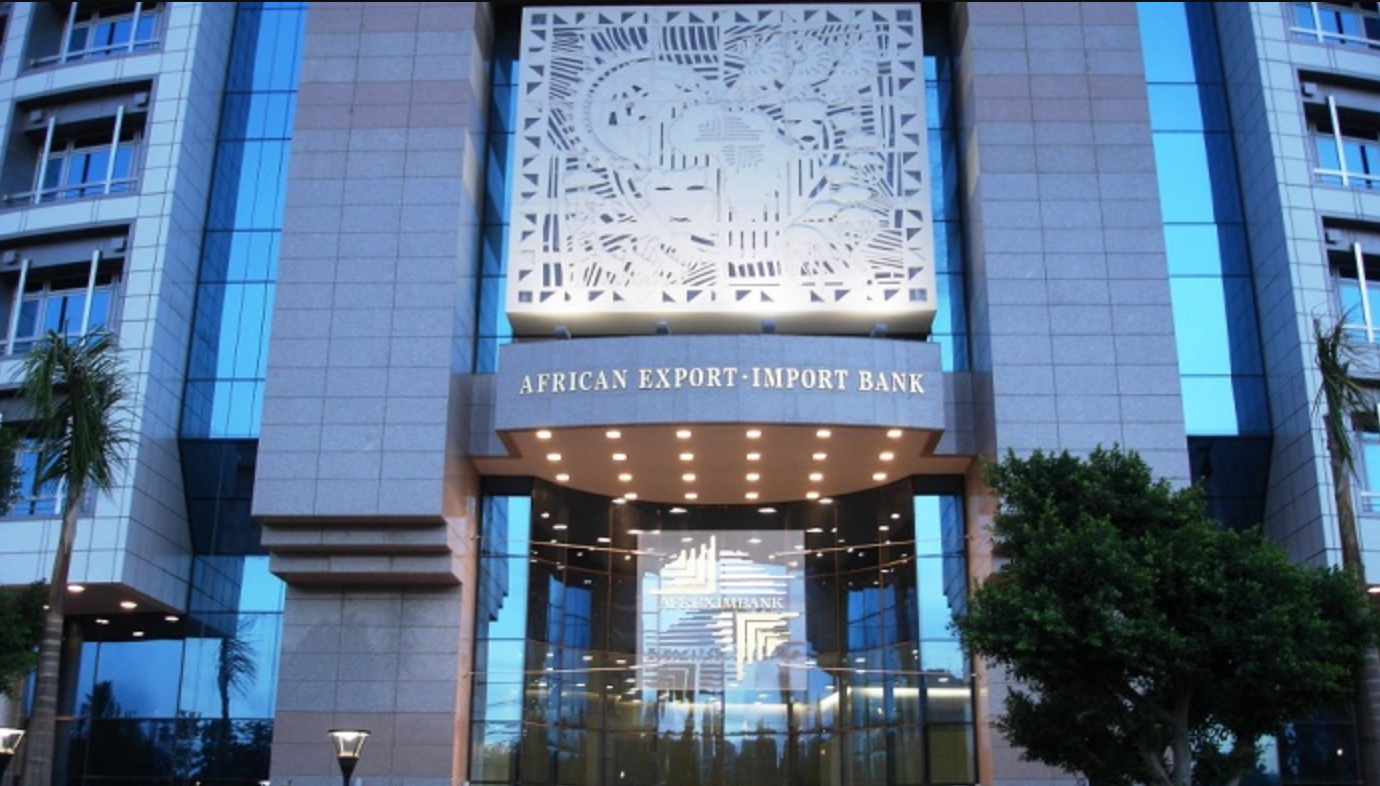
Intra-African trade grew by 5.47% to **$213.8 billion** in 2025, driven by robust economic activity in Ethiopia, Uganda, the Democratic Republic of Congo, and Zambia, according to the African Export-Import Bank's latest trade report.
The increase of $11.1 billion from the $202.7 billion recorded in 2024 reflects stronger trade flows across several African economies, though a handful of major players continue to dominate.
South Africa remained the continent's largest intra-African trader, accounting for **19.2%** of total intra-African trade in 2025, down from 20.8% a year earlier. The country imported goods worth **$10.04 billion** from other African nations while exporting **$31.1 billion** to the rest of the continent — an export figure unchanged from 2024.
South Africa's exports to African markets were more diversified than its imports, spanning fuel and fuel products, machinery, electrical equipment, and vehicles. Its intra-African imports consisted largely of mineral products, precious metals, textiles, food products, crude oil, coal, petroleum products, and electricity, alongside sugar and confectionery sourced from Eswatini, Zambia, and Mozambique.
Côte d'Ivoire contributed **4.83%** of total intra-African trade, maintaining its position as a key West African hub. The country's trade is anchored by exports of cocoa, cashew nuts, rubber, and palm oil, with growing emphasis on domestic processing in the cocoa and cashew sectors. Its main regional trading partners include Mali, Burkina Faso, Ghana, and Nigeria.
For Nigeria, crude oil remained the primary export to African markets during the period. However, the report noted growing momentum toward refined product exports following the operational launch of the Dangote Refinery, which could reshape Nigeria's trade profile within Africa going forward.
The report also highlighted lingering structural challenges. Afreximbank has previously estimated that Africa faces a **$100 billion annual trade finance gap**, which constrains the potential gains from the African Continental Free Trade Area. The bank has predicted that full implementation of the AfCFTA could double intra-African trade within a decade.