Nearly 80% of Nigerians believe the country is moving in the wrong direction ahead of the 2027 general election, according to the first wave of the Nigeria 2027 Voter Sentiment Tracker released by SBM Intelligence.
The survey, conducted across Nigeria's six geopolitical zones, covered 829 eligible voters in eight states and the Federal Capital Territory through face-to-face interviews in markets, schools, viewing centres, and hotels during the third week of May 2026.
Dissatisfaction cut across virtually all regions. Wrong-direction scores exceeded 88% in the South-East (92.2%), South-South (89%), North-Central (90.1%), and North-West (88.2%). The South-West (60.3%) and North-East (63.5%) recorded comparatively lower but still majority dissatisfaction.
Across the country, 45% of respondents identified insecurity and terrorism as their most pressing concern, while 34% cited a combination of economic hardship and insecurity, and 13% pointed primarily to economic issues. The survey was designed to gauge electoral sentiment, covering voter registration, turnout intentions, issue priorities, candidate favourability, and confidence in the electoral process.
Respondents rated the Tinubu administration's performance across five policy areas — inflation, taxation, security, jobs, and electricity. The South-East gave the administration its lowest average rating of 1.14 on a four-point scale, while the North-West recorded the highest score of 2.02. Even the highest rating remained below the midpoint of 2.5, indicating broadly negative perceptions of government performance.
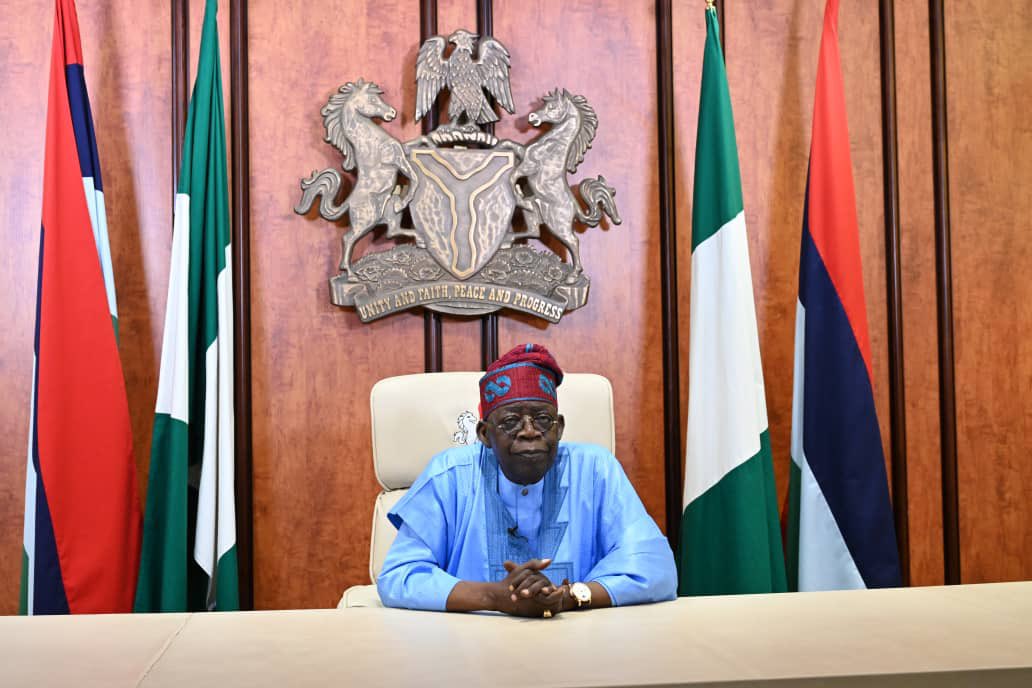
President Bola Tinubu recorded a national net favourability score of negative 58.5, making him the least popular among the leading political figures assessed.
The survey also found that regions with the strongest turnout intentions recorded the highest dissatisfaction levels. The South-East recorded the highest turnout intention at 87.4%, followed by the South-South at 82.9% and the North-West at 82.4%. SBM Intelligence noted these regions could play a decisive role in the 2027 presidential election.
The report flagged growing concerns about AI-generated misinformation and deepfakes, with social media now the primary news source for many Nigerians, particularly in the South-East.