The Manufacturers Association of Nigeria (MAN) has flagged a sharp contraction in bank lending to the sector, with credit falling by N1.92 trillion — or 22.5% — from N8.53 trillion in December 2024 to N6.61 trillion in December 2025.
In a statement released on Tuesday and signed by its Director-General, Segun Ajayi-Kadir, MAN warned that manufacturers are increasingly unable to access financing as commercial lending rates climb above 35%, making long-term investment in capacity expansion and technology upgrades nearly impossible.
MAN noted that despite the Central Bank of Nigeria's recent reduction of the Monetary Policy Rate (MPR) to 26.5%, manufacturers still face average prime lending rates of 27%, with maximum rates at some commercial banks reaching 35.6%.
"The primary barrier between manufacturers and financial bank liquidity is the exorbitant cost of borrowing," the association stated.
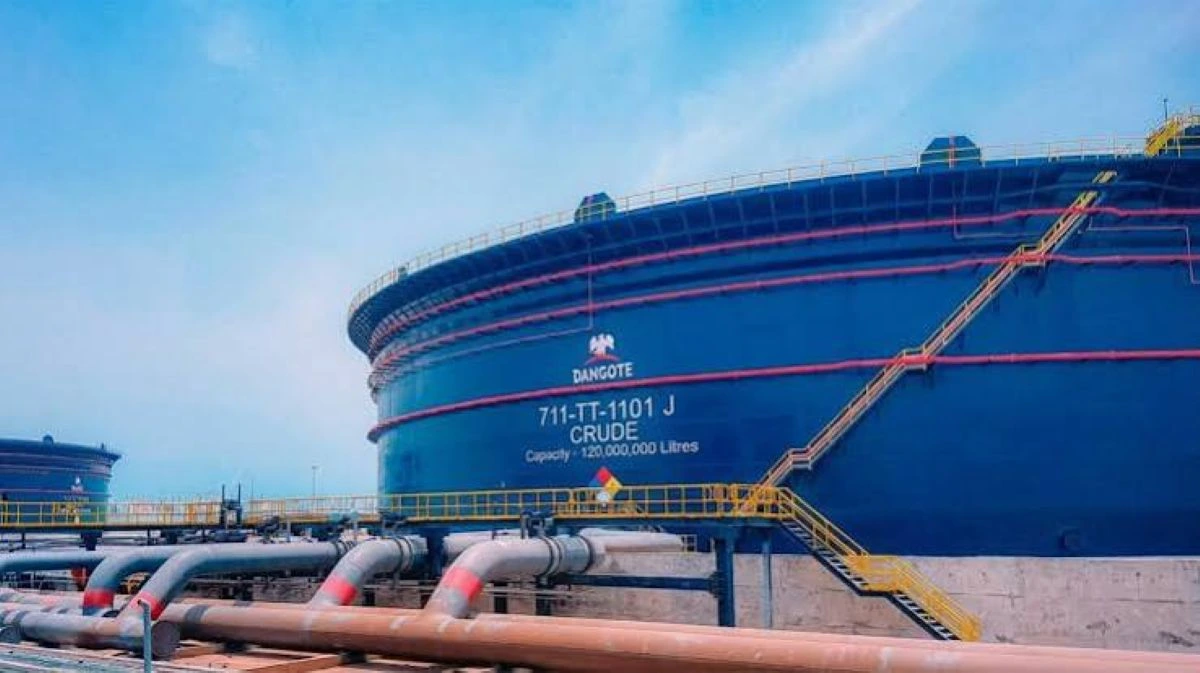
The credit crunch is not uniform across sectors. While manufacturing lending contracted to N6.61 trillion, the oil and gas sector attracted N10.59 trillion in bank credit, and the finance sector received N9.24 trillion over the same period. MAN argued that this reflects a growing preference among lenders for sectors offering quicker returns, leaving productive industries starved of capital.
Beyond high interest rates, MAN attributed the decline to stringent monetary policies and banks' risk-averse posture. The Cash Reserve Ratio (CRR), which remains between 45% and 50% for some banks, has significantly reduced lendable funds. MAN added that banks are often reluctant to lend to manufacturers even under government-backed intervention programmes, and that many manufacturers face collateral and equity contribution requirements that effectively shut out smaller firms.
MAN also expressed concern over the continued delay in implementing the N1 trillion Manufacturing Stabilization Fund, announced under the Federal Government's Accelerated Stabilization and Advancement Plan (ASAP). Nearly two years after the initiative was unveiled, manufacturers are yet to access the promised support.
"The persistent non-implementation of the N1 trillion Manufacturing Stabilization Fund remains an issue of promise not kept for the manufacturing sector," MAN said.