S&P Global has raised its forecast for Nigeria's average inflation rate in 2026 to 16.9%, up from an earlier projection of 15.0%, marking the largest upward revision among major emerging-market economies in Europe, the Middle East and Africa covered by the agency's latest report.
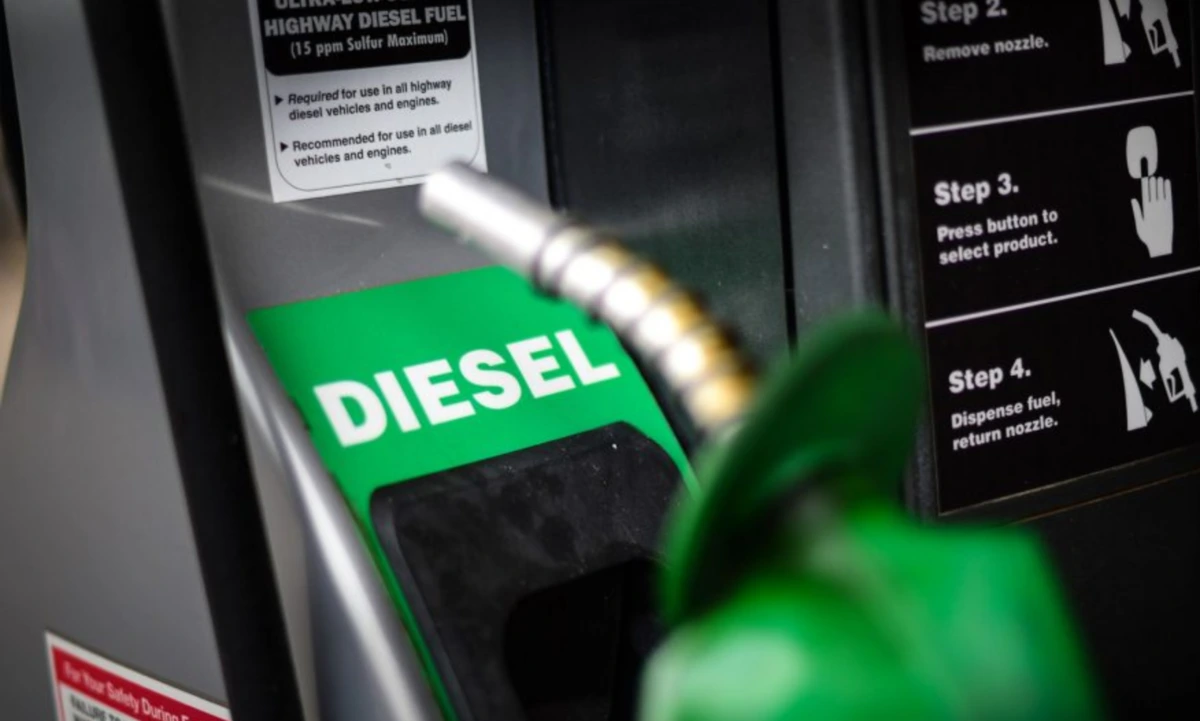
The revised outlook, contained in a report titled *Economic Outlook Emerging Markets Q3 2026: Inflationary Pressures Will Persist*, attributes the upgrade to a stronger-than-expected transmission of higher global oil prices into domestic energy costs. The ratings agency noted that energy inflation has picked up broadly across the EMEA region, with Nigeria and Turkiye recording the most significant increases.
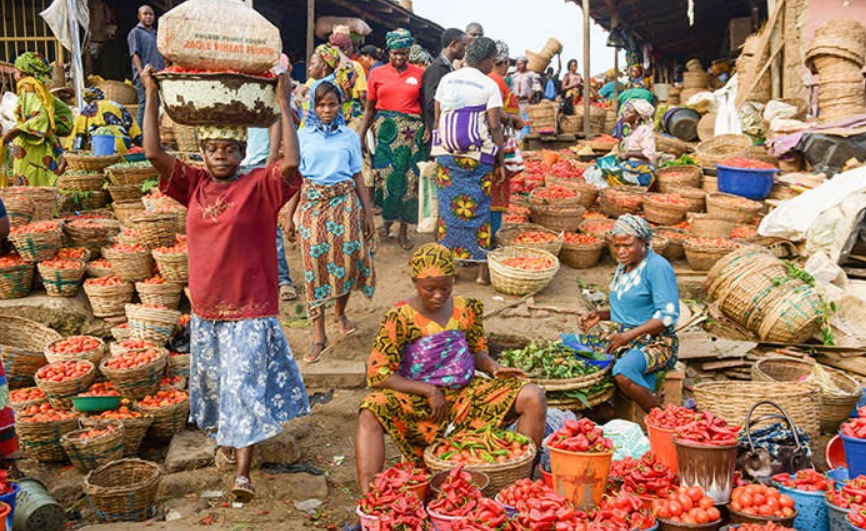
S&P Global also warned that food inflation could rise further in the coming months, driven by higher transportation and fertiliser costs. The agency reduced Nigeria's gross domestic product growth forecasts for 2026 and 2027 by 30 basis points each, to 3.7% and 3.5% respectively, linking the downgrade to the impact of higher consumer prices on household consumption — which remains a primary driver of economic output.
Nigeria's headline inflation rate already edged higher to 15.93% in May 2026, up from 15.69% in April, according to earlier data. The latest projection from S&P Global suggests price pressures will persist even as expectations of exchange-rate stability and stronger oil production linger.
Global commodity price pressures remain elevated amid geopolitical developments in the Middle East and disruptions to global energy supply chains. The World Bank Energy Index climbed to 146.4 points from 130.6 points, while the FAO Food Price Index rose by 1.6% to 130.7 points, marking its third consecutive monthly increase.
For Nigerian businesses and taxpayers, the higher inflation outlook signals sustained pressure on operating costs, consumer demand, and real household incomes — factors that directly influence revenue performance for companies and tax collections for government.