A stock-picking framework applied across all twelve listed banking equities on the Nigerian Exchange has identified three institutions where the authors argue the market's current pricing does not reflect underlying fundamentals.
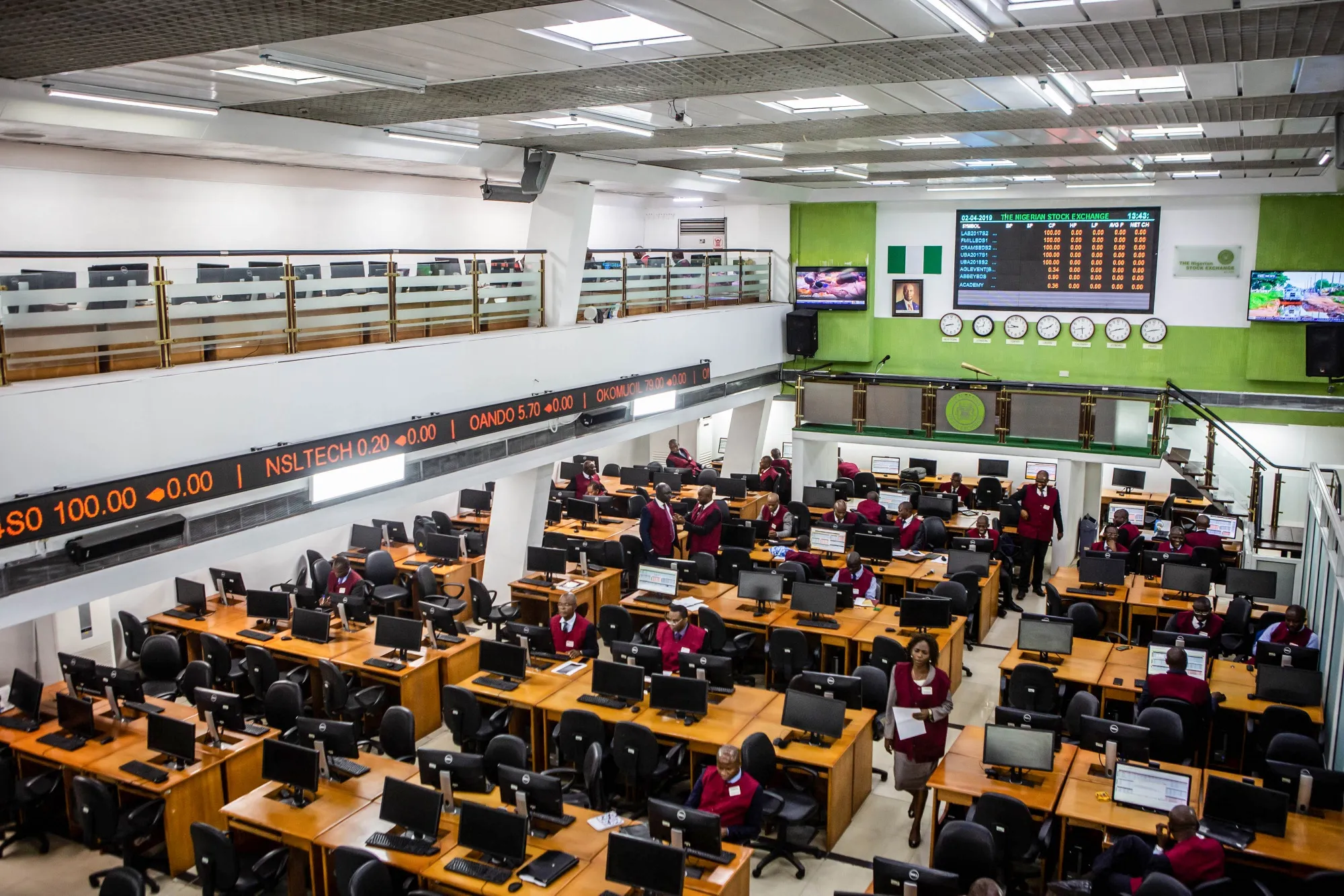
The analysis comes against the backdrop of a volatile year on the NGX. The All-Share Index closed May at a record 61% year-to-date gain, before shedding over N4 trillion in a single week in early June. The index has since partially recovered to a 57.27% year-to-date return.
**FCMB** stands out as the only bank on the list that ended the period in negative territory, with a 1.24% decline year-to-date. The bank generates a 22.8% return on equity, trades at 2.91 times earnings — the cheapest earnings multiple in the entire banking sector — and at 0.61 times book value, meaning investors can acquire the bank's net assets at a 39% discount to their stated value. The stock sits at 82% of its 52-week high.
**Fidelity Bank** posted a modest 5% year-to-date gain in a market where the banking sector average far exceeded that return. The bank earns a 19.5% return on equity, trades at 0.87 times book value and 4.17 times earnings. Its lending focus on SMEs and export-oriented businesses places it in segments that benefit from current Central Bank of Nigeria policy support.
**Sterling Bank** gained 8.65% year-to-date, trading at 0.93 times book value, 4.88 times earnings, with a 19.1% return on equity. The stock is at 81.93% of its 52-week high. Sterling's loan book is structured entirely around five sectors — Health, Education, Agriculture, Renewable Energy, and Transportation — a strategy the analysis suggests provides partial insulation from naira volatility and commodity price swings.
Among other names in the sector, Zenith Bank (103.88% YTD), GTCO (49.89% YTD), and StanbicIBTC (65% YTD) are noted as quality institutions where the market has already priced in performance. ETI, despite a 132.46% year-to-date rally, still trades at 0.27 times book and 3.81 times earnings with a 25.7% return on equity, though momentum risk is flagged for new positions. Wema Bank's 44.4% return on equity is the highest in the sector, but its 51.96% year-to-date gain places it at 86% of its 52-week high.
Access Holdings presents a mixed picture with a 19.9% ROE and 0.32 times book value, but post-acquisition integration across multiple African markets remains an overhang. FirstHoldCo (7.9% ROE) and UBA (8.5% ROE) are characterised as value traps where low returns on equity do not justify the discounted valuations.