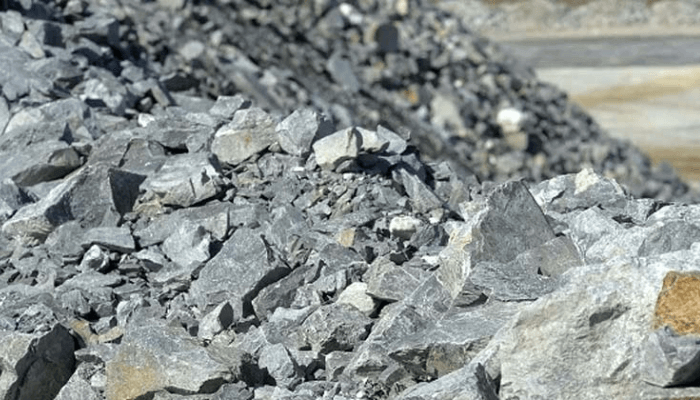
The United Nations Conference on Trade and Development (UNCTAD) has projected that global demand for lithium will surge by 353% between 2024 and 2040, with demand for graphite expected to grow by 131% over the same period, as the world accelerates its shift toward clean energy technologies.
The projections, contained in a new UNCTAD report, underscore the growing strategic importance of critical minerals in the global energy transition. Electric vehicles, battery storage systems, and renewable energy infrastructure are becoming the dominant drivers of mineral demand, the report noted.
Clean technologies accounted for 62% of lithium demand in 2024, but that share is expected to climb to 87% by 2040. For nickel, the clean technology share is projected to rise from 17% to 42%, while magnet rare earth elements will increase from 21% to 31% over the same period.
The demand outlook presents a significant opportunity for Nigeria, which has been positioning itself as a player in the global lithium value chain. In 2025, the Federal Government disclosed that Chinese companies had invested over **$1.3 billion** in Nigeria's lithium processing sector since the start of the Tinubu administration. Nigeria holds substantial lithium deposits, and rising global demand could drive further investment into domestic processing and export capacity.
UNCTAD also highlighted a growing trend among resource-rich countries to restrict exports of critical minerals in an effort to capture more value domestically. Since 2020, nearly 100 new export measures have been introduced globally, including 37 licensing requirements, 31 export taxes, 29 export bans, and one export quota. The Democratic Republic of the Congo has imposed the highest number of such measures, followed by China and Indonesia.
Lithium is a key raw material in rechargeable batteries used in electric vehicles and energy storage systems. Graphite is widely used in battery anodes and industrial applications, while nickel and rare earth elements are essential for battery manufacturing, wind turbines, and other clean energy technologies.
For Nigerian businesses and investors in the solid minerals sector, the UNCTAD projections signal sustained long-term demand for these critical minerals, reinforcing the case for local processing and value addition. Governments across Africa are increasingly seeking to process minerals locally rather than export raw materials, a shift that could reshape mining tax regimes and royalty structures across the continent.