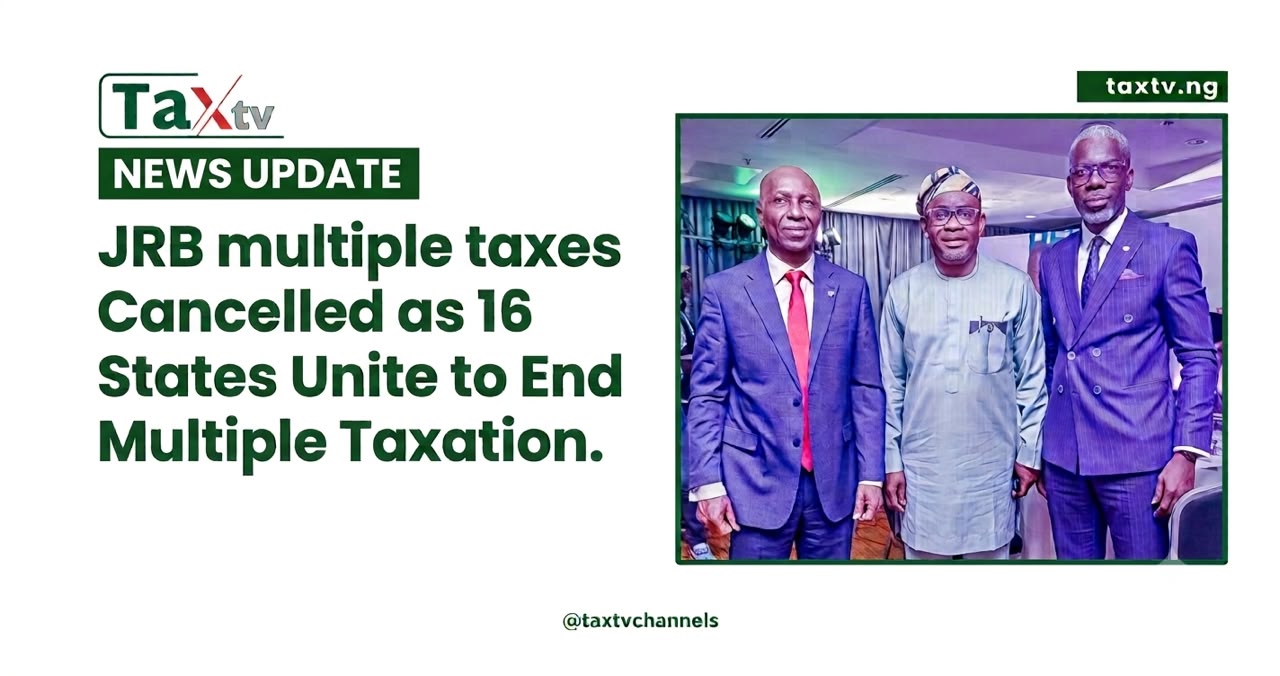
Sixteen states across Nigeria have formally adopted a harmonised tax framework aimed at eliminating multiple taxation, a development that marks a significant step in the ongoing effort to streamline subnational revenue administration.
The adoption signals growing consensus among state governments on the need to standardise tax instruments, rates, and collection mechanisms in order to reduce the overlapping levies that have long burdened businesses and individuals operating across state lines.
Multiple taxation has been repeatedly cited by the organised private sector as one of the most persistent obstacles to business growth in Nigeria. Entrepreneurs frequently face demands for similar taxes from different tiers and agencies of government, inflating operational costs and discouraging investment.
The harmonised framework is expected to define a clear schedule of taxes collectible at the state and local government levels, eliminating duplications and providing taxpayers with greater certainty regarding their obligations. Participating states are also likely to benefit from improved voluntary compliance as the tax system becomes more transparent and predictable.
While details of the specific states involved and the full scope of the framework remain to be disclosed, the development aligns with broader federal and state-level tax reform initiatives that have gained momentum in recent years. These include the work of the Joint Tax Board and the Presidential Committee on Fiscal Policy and Tax Reforms, both of which have advocated for greater coordination across Nigeria's three tiers of government.
The harmonisation drive is also expected to support the digitalisation of tax administration, allowing states to share taxpayer data and reduce the administrative friction that often accompanies cross-state business operations.
Stakeholders in the tax and business community have welcomed the move, noting that consistent implementation across all participating states will be critical to its success. Without uniform enforcement and political will, previous attempts at harmonisation have yielded limited results.
Attention will now turn to the implementation timeline and the mechanisms that will be put in place to monitor compliance by state revenue authorities. The outcome could serve as a model for the remaining states and the Federal Capital Territory, potentially paving the way for a truly unified subnational tax regime.