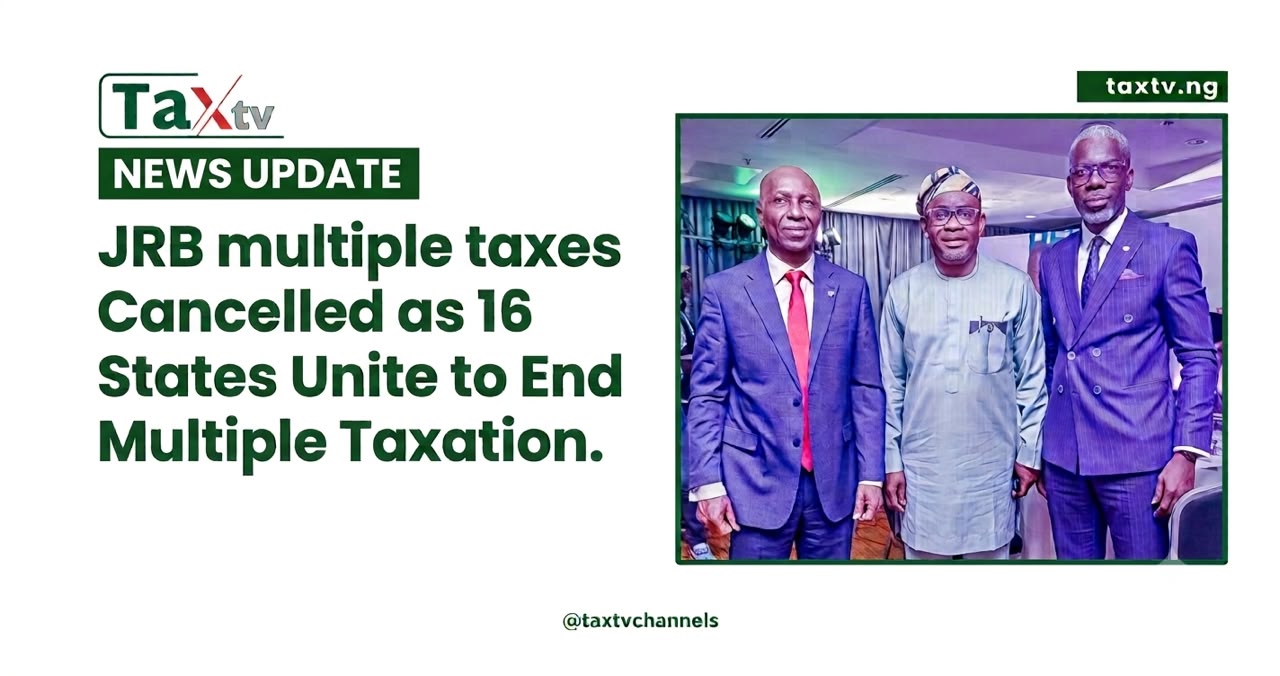
Sixteen states across Nigeria have formally adopted a harmonised tax framework aimed at eliminating the longstanding challenge of multiple taxation that has burdened businesses and individuals operating across state lines.
The development marks a significant step in the ongoing efforts to rationalise Nigeria's subnational tax system. Multiple taxation has long been cited as a major impediment to the ease of doing business, with enterprises frequently subjected to overlapping levies imposed by different tiers of government and agencies.
Under the harmonised framework, participating states are expected to align their tax codes, consolidate duplicative revenue streams, and establish clearer guidelines on which levels of government are entitled to collect specific categories of taxes and levies.
The move aligns with broader fiscal reform objectives championed by federal and state authorities, including recommendations from the Presidential Committee on Fiscal Policy and Tax Reforms, which has consistently identified tax fragmentation as a critical structural weakness in Nigeria's revenue system.
By reducing the compliance burden on taxpayers and eliminating arbitrary assessments, the harmonisation drive is expected to improve voluntary tax compliance, broaden the tax base, and ultimately enhance internally generated revenue across the adopting states.
Stakeholders in the business community have long advocated for such harmonisation, arguing that a predictable and transparent tax environment is essential for attracting both domestic and foreign investment at the subnational level.