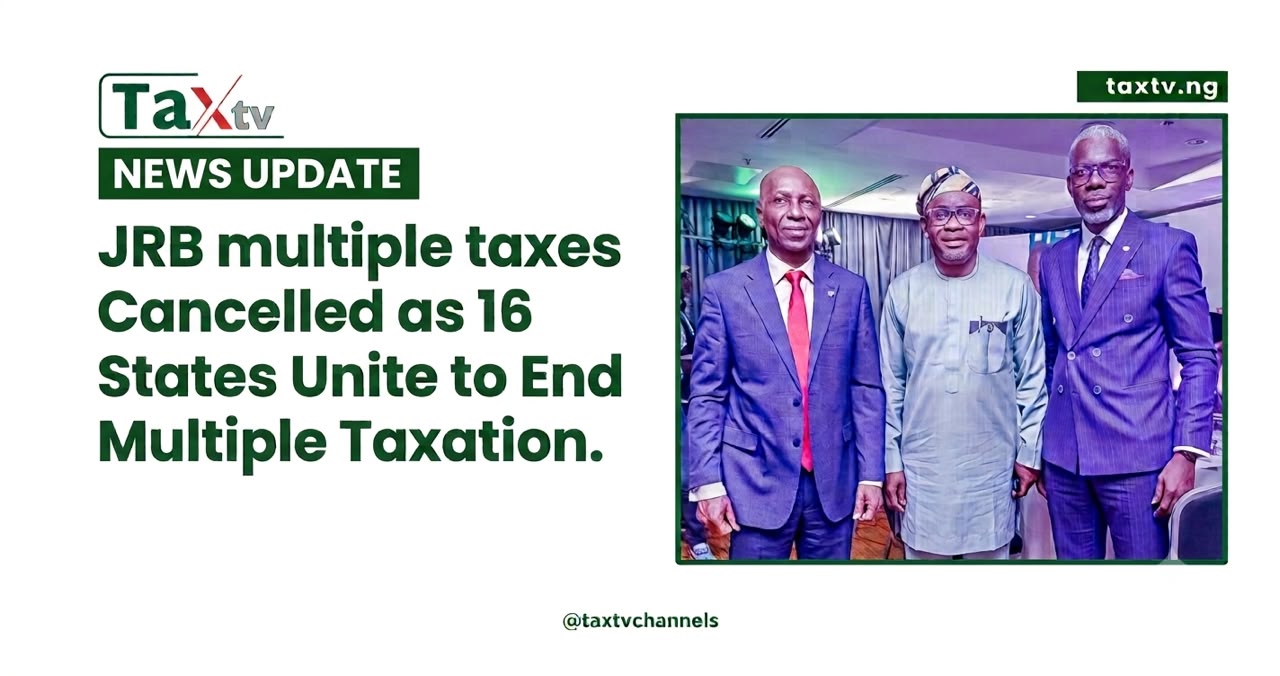
Sixteen states across Nigeria have adopted a harmonised tax framework designed to address the longstanding challenge of multiple taxation.
The framework is expected to streamline tax administration, eliminate duplicative levies, and create a more transparent and predictable fiscal environment for businesses and individuals operating within the participating states.
Multiple taxation has been a persistent concern for taxpayers, particularly small and medium enterprises, which often face overlapping demands from different tiers of government and agencies. The harmonisation effort represents a coordinated response to these challenges, aligning with broader federal and state-level tax reform initiatives.
Details of the specific states involved and the mechanics of the harmonised framework were not immediately available at the time of publication. However, the adoption signals growing consensus among subnational governments on the need for coordinated tax policy to improve ease of doing business and boost internally generated revenue without overburdening taxpayers.
The development is expected to be welcomed by the organised private sector, tax professionals, and development partners who have long advocated for harmonised tax systems as a means of fostering investment and economic growth.