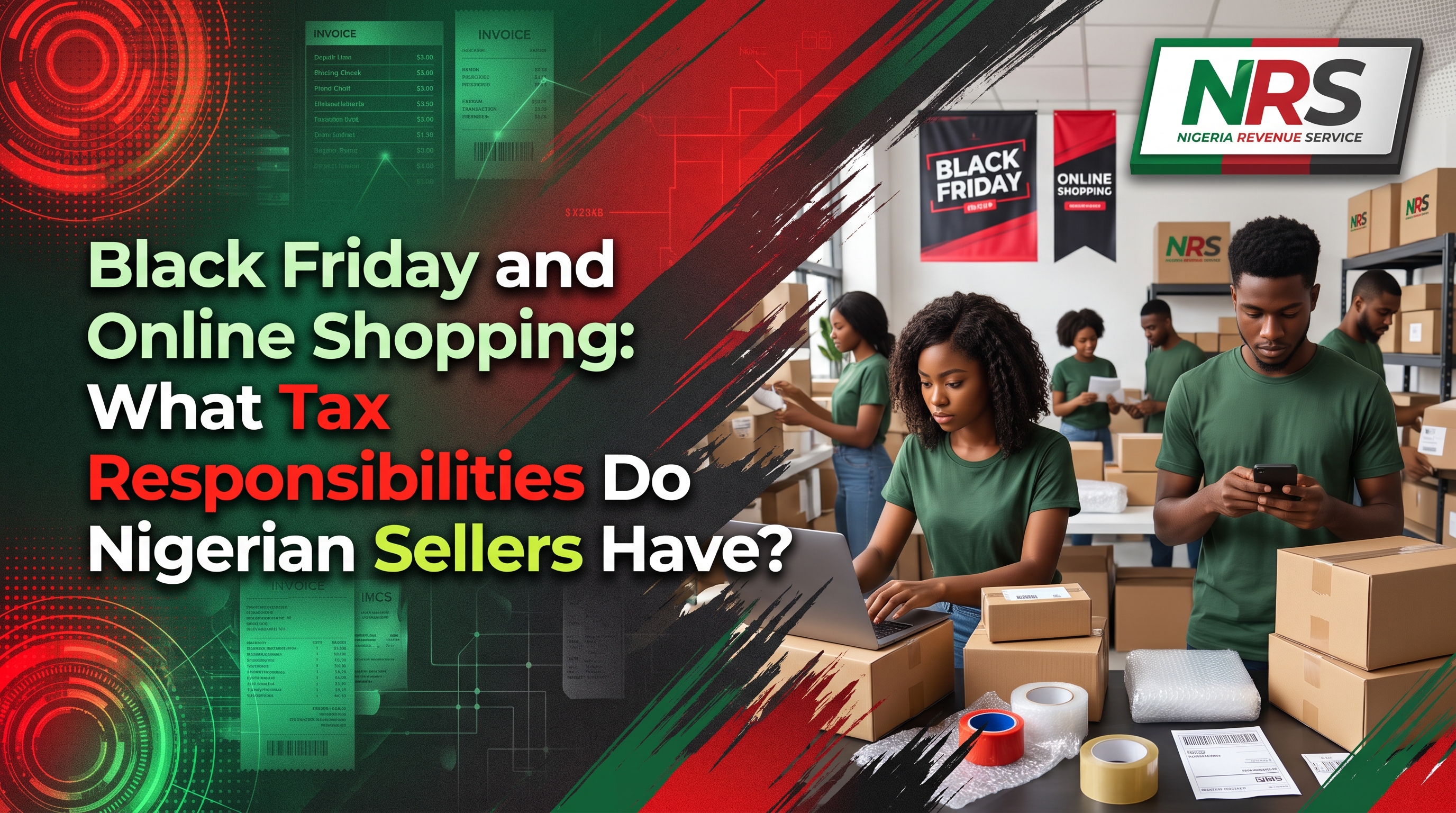
Black Friday has moved well beyond shopping malls and physical storefronts. Instagram vendors, online retailers, e-commerce platforms, and small businesses now rely on the shopping season to reach thousands of customers. Yet beneath the promotional banners and discounted prices lies a critical obligation: businesses must understand their tax duties even when every sale happens online.
Selling through Instagram, WhatsApp, a website, or an e-commerce marketplace does not make a business tax-free. A company's tax responsibilities are determined by the nature of its operations, its transactions, and the relevant tax laws. A fashion vendor who sells 200 outfits during Black Friday, for example, is still engaged in commercial activity. The fact that customers place orders through social media does not automatically exempt those transactions from applicable taxes.
Under the Nigeria Tax Act, 2025, the standard VAT rate on taxable supplies is 7.5%. Any business making taxable supplies is generally required to account for VAT in line with the law. Since certain goods and services are exempt or zero-rated, sellers must determine the correct treatment for what they offer. The Act also requires VAT invoices to contain specific details, including the supplier's tax identification, invoice number, transaction date, gross transaction amount, and VAT charged.
For online businesses, accurate transaction records are especially important because orders, payments, refunds, and deliveries may flow through different channels. Black Friday can drive significant increases in sales volume, so businesses should maintain records that establish their actual transactions and tax obligations. These include:
- Sales records and customer invoices - Payment and bank transaction records - Purchase and inventory records - Evidence of discounts and refunds - Delivery and transaction documentation
Sound record-keeping helps sellers separate genuine revenue from refunds, cancelled orders, and other transactions.
Many online vendors assume tax compliance is only a concern for large companies, an assumption that can create difficulties as their businesses grow. Understanding registration requirements, applicable tax thresholds, VAT obligations, and record-keeping rules can help small businesses avoid compliance problems.