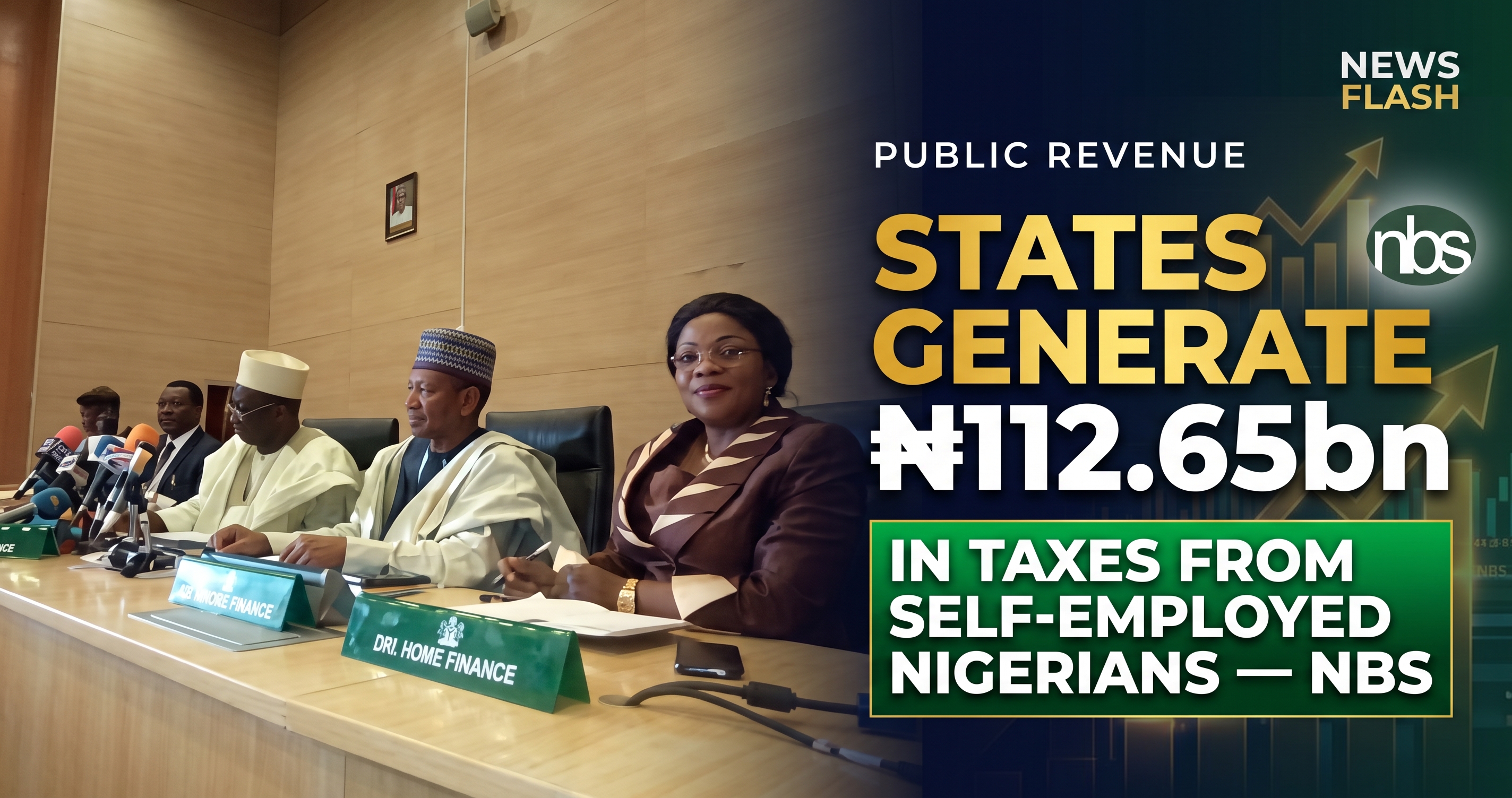
The Edo State Government has launched a unified market levy framework as part of a broader push to dismantle the practice of multiple taxation that has long burdened traders, artisans, and small business operators across the state’s markets.
Under the new arrangement, all levies and fees previously collected by various tiers of government, touts, and unauthorised agents within market spaces will be consolidated into a single, transparent payment structure. The move is expected to simplify compliance, reduce the cost of doing business, and restore confidence among market participants who have frequently complained of harassment by revenue collectors.
Officials familiar with the policy said the harmonised levy was designed in consultation with market associations, local government authorities, and relevant revenue agencies. The framework defines clear collection points, standardised rates, and designated channels of remittance intended to plug leakages that have historically drained revenues meant for public coffers.
Multiple taxation has been a recurring grievance in Nigeria’s informal sector, with traders often subjected to overlapping demands from local government revenue officers, state tax authorities, market unions, and unregulated agents. In Edo State, the situation had become acute in major commercial hubs such as Benin City, Uromi, and Auchi, where daily levies, stall fees, environmental charges, and union dues are frequently collected without receipts or accountability.
The government’s intervention aligns with recommendations from Nigeria’s tax reform committees and the Joint Tax Board, which have repeatedly urged states to harmonise subnational taxes and eliminate nuisance levies that discourage enterprise formalisation. By consolidating market charges, Edo State positions itself among a small but growing number of states pursuing administrative tax reform as a lever for economic development.
Beyond the compliance and administrative benefits, the unified levy is expected to improve internally generated revenue (IGR) by reducing evasion and expanding the taxable base within the informal economy. Analysts note that such reforms, if properly enforced, can increase revenue yield without raising tax rates — a fiscal strategy that has gained traction across several Nigerian states seeking to reduce dependence on federal allocations.