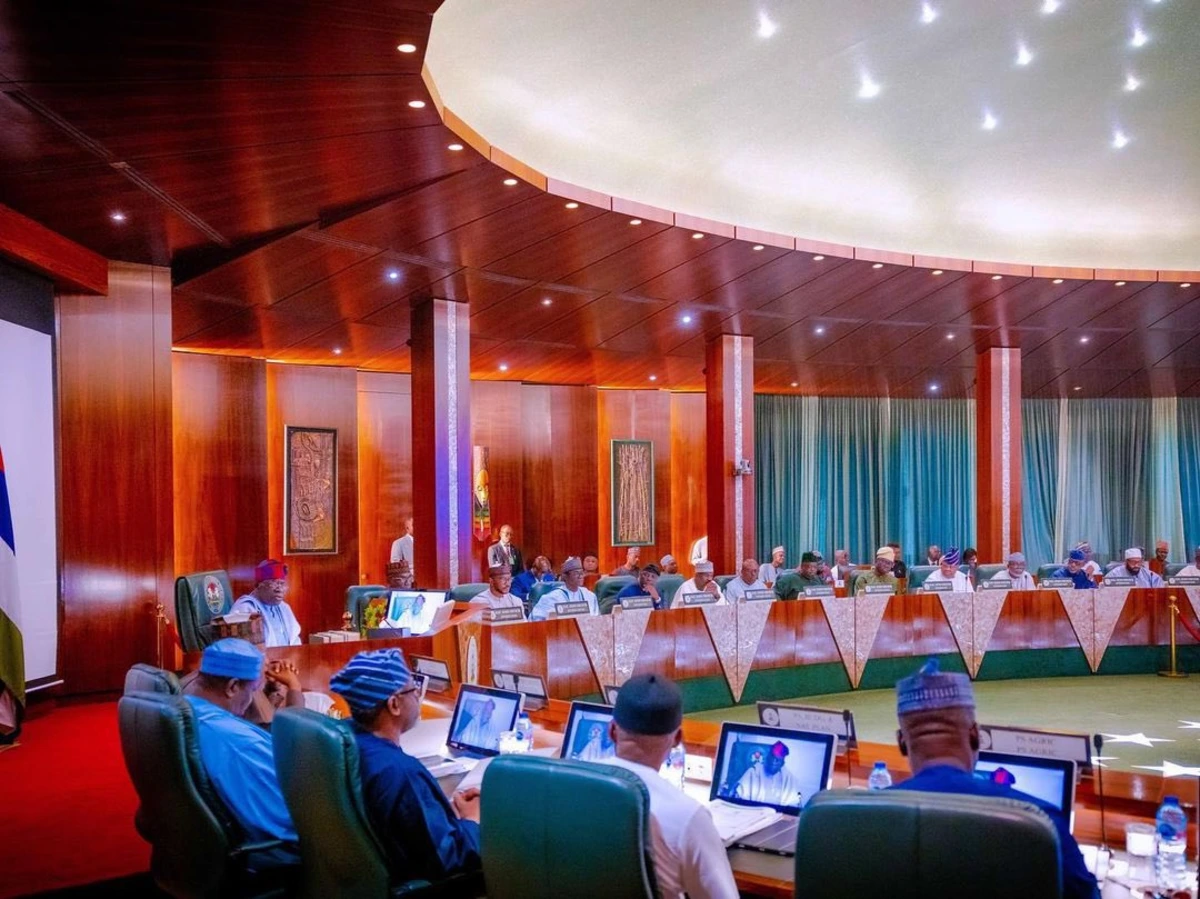
The Federal Government has ruled out an immediate increase in electricity tariffs, a decision that provides short-term certainty for businesses and households exposed to energy costs.
Electricity pricing in Nigeria is administered through the Nigerian Electricity Regulatory Commission, which sets tariffs under a structured regulatory framework. Periodic tariff reviews are a standard feature of the sector, and the government's latest position indicates that no upward adjustment will be implemented at this time.
For businesses, electricity remains a significant operating input across manufacturing, services, and agriculture. Holding tariffs steady removes the immediate risk of higher energy bills, supporting cost planning and near-term price stability. Energy costs feed directly into production expenses and, in turn, into the prices of goods and services, so a stable tariff environment supports broader efforts to manage inflationary pressure.
For households, the decision similarly avoids an immediate rise in the cost of power, which carries direct implications for disposable income and consumer spending.
The sector has long grappled with the question of cost-reflective pricing. Tariffs that do not fully recover the cost of generation, transmission, and distribution have historically required government intervention, including subsidies to bridge revenue shortfalls. Decisions on tariff levels therefore carry fiscal consequences, because any gap between the regulated price and the true cost of supply can translate into public expenditure. Successive administrations have debated the pace at which tariffs should move toward cost-reflective levels, balancing sector viability against affordability for consumers and competitiveness for industry.
While the immediate outlook points to unchanged tariffs, businesses, investors, and market participants will continue to monitor the regulatory calendar for future reviews. The direction of tariff policy affects the revenue certainty of distribution companies, the viability of generation investments, and the broader attractiveness of the power sector to private capital. Regulatory certainty and predictable tariff trajectories are frequently cited by investors as key conditions for long-term commitments in generation and distribution infrastructure.