The Federal Government has outlined a framework for integrating capital markets across West Africa, aiming to simplify cross-border investment and unlock long-term financing for major projects.
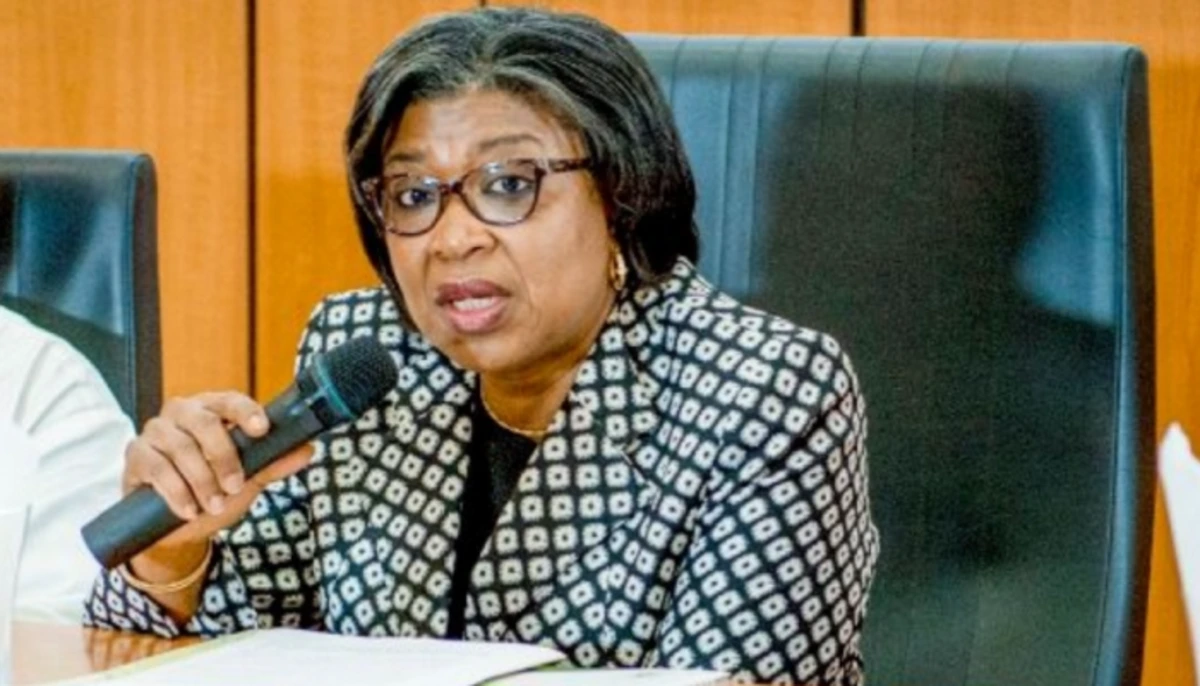
Finance and Coordinating Minister of the Economy Taiwo Oyedele presented the proposals at the S&P Global Ratings Africa Summit in Lagos. He noted that the region's fragmented capital markets have constrained countries' capacity to attract the capital required for large-scale infrastructure and economic expansion.
One of the central proposals is a regional capital market passport. Under this arrangement, companies and governments cleared to raise funds in any participating country would be able to tap other markets without seeking fresh regulatory approvals in each jurisdiction.
A unified investor identification system is also being proposed. Investors registered in one country would be able to purchase bonds and equities across participating markets without repeating registration and verification formalities.
Other elements of the plan include linking regional trading, settlement and payment infrastructure so that securities transactions can be settled directly in local currencies, thereby reducing reliance on the United States dollar. The framework also contemplates a regional local-currency bond index and a credit enhancement facility to support infrastructure financing across borders.
The proposed integration would span ten countries: Nigeria, Ghana, Benin, Burkina Faso, Côte d'Ivoire, Guinea-Bissau, Mali, Niger, Senegal and Togo.
Oyedele pointed to existing platforms — the West African Capital Markets Integration Council, the African Exchanges Linkage Project and the Pan-African Payment and Settlement System — as building blocks for closer regional cooperation.
The proposals form part of Nigeria's broader effort to deepen its capital market and draw both domestic and international investment. Oyedele said the government is working towards investment-grade credit ratings within three years and a capital market worth at least $1 trillion over the next decade.