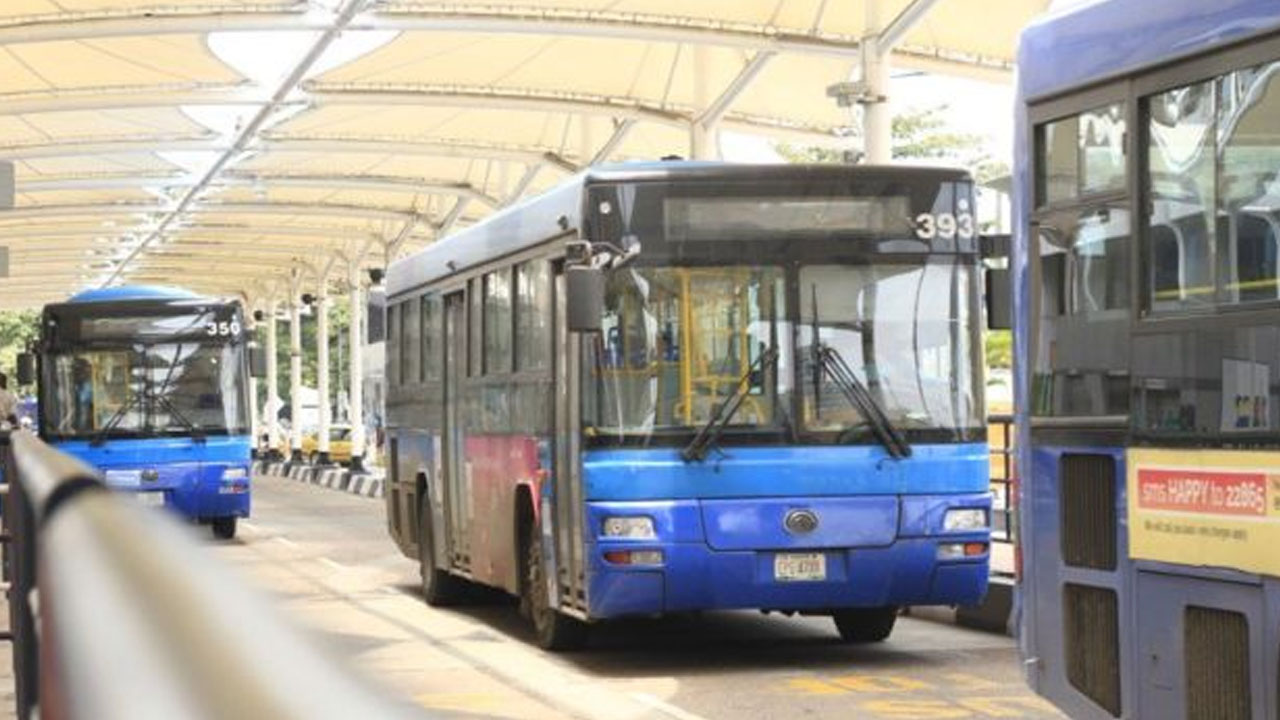
The Lagos Metropolitan Area Transport Authority (LAMATA) has started removing diesel-powered buses from the state's regulated public transport network and now requires operators bringing in new vehicles to choose compressed natural gas or electric models.
Speaking at the handover of 20 additional high-capacity CNG buses under the Presidential Initiative on CNG and EV, LAMATA Managing Director and CEO Engr. Mrs. Abimbola Akinajo said the restriction took effect at the beginning of 2026. Under the arrangement, LAMATA will no longer accept new diesel buses from operators, while existing diesel units will be progressively replaced with CNG and electric alternatives.
Akinajo linked the decision to Lagos' commitment to reaching net-zero emissions by 2050, noting that transportation is one of the major sources of emissions. She said: "We know that transport is one of the major sources of emissions, and LAMATA has now told all our operators bringing in new buses that we will no longer accept diesel buses." She added: "We will only work with CNG or EV buses, and this has been the policy since the beginning of the year."
The shift is also a cost-management measure for the regulated transport system. Diesel, which sold for about N950 per litre at the beginning of the year, now costs between N1,950 and N2,100 per litre depending on the source, Akinajo said. The increase has raised operating expenses for diesel-powered buses and could have pressured operators to increase fares. She noted that regulated public transport fares have not increased, adding that the lower running costs of CNG and electric buses allow the authority to manage higher fuel costs without passing the full increase on to commuters.
Before the latest handover, LAMATA had about 150 CNG buses in its fleet alongside high-capacity and medium-capacity electric buses. The 20 new CNG buses will expand that fleet, with some potentially deployed on the Ikorodu-TBS corridor because of high passenger demand.
LAMATA already operates a CNG ecosystem and works with private-sector stakeholders including Ibile Oil & Gas to support supply, while private investment in CNG infrastructure is expanding across Lagos.
The Lagos State Transport Policy targets having 52% of BRT buses powered by clean energy by 2050, reducing car trips to 2% of total trips and increasing biodiesel use in freight vehicles.