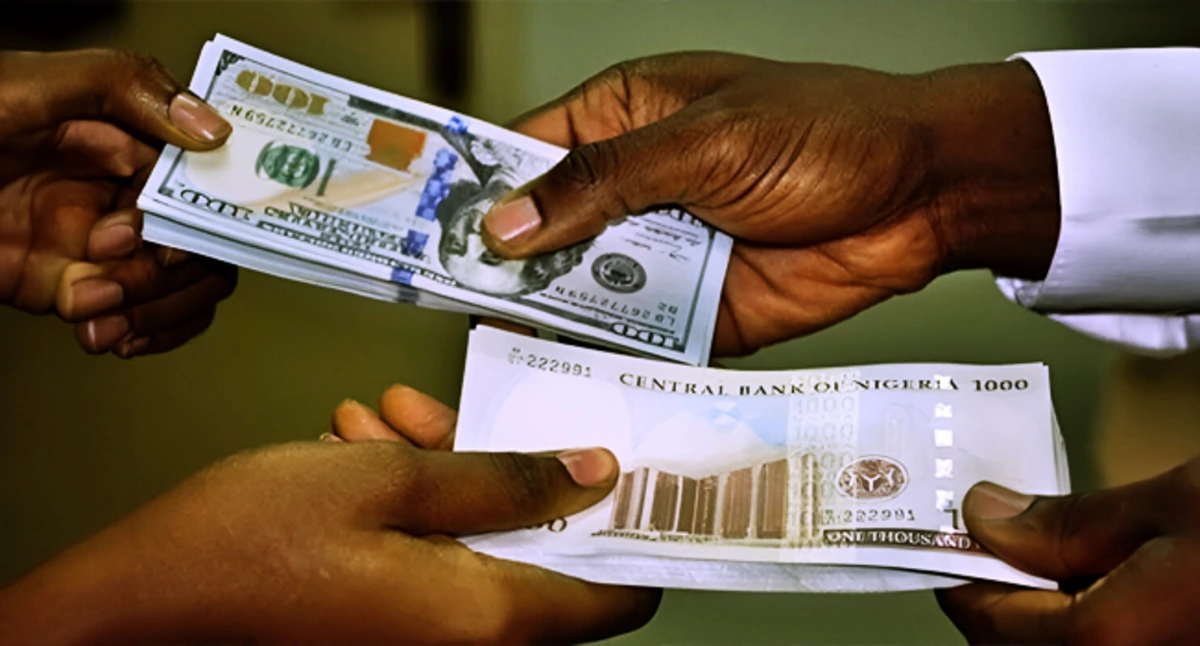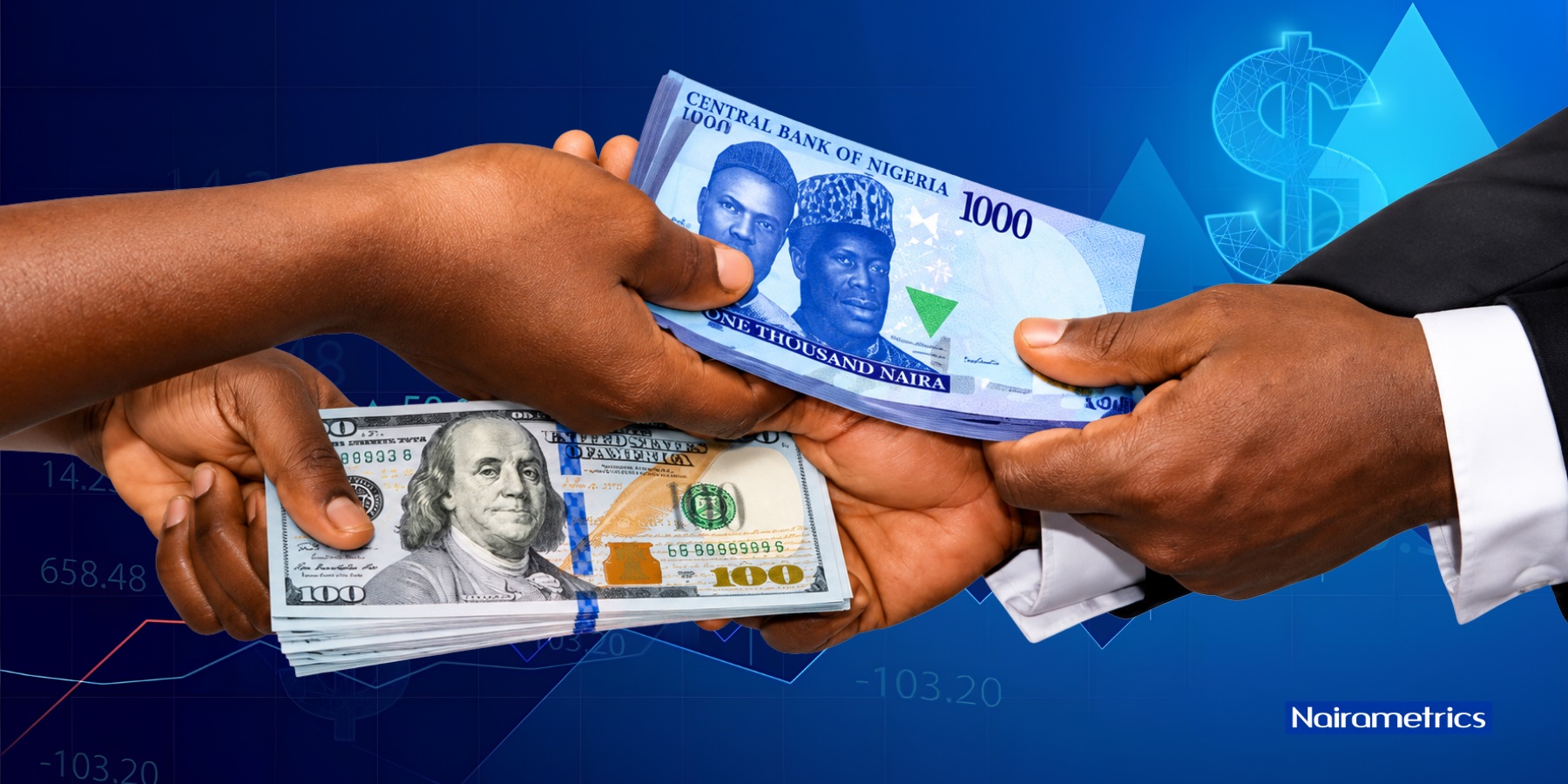
Nigeria’s parallel foreign exchange market is facing renewed demand pressure from festive-season purchases and early political activity ahead of the 2027 general elections, widening the spread between the official and informal exchange rates even as the Central Bank of Nigeria (CBN) works to improve dollar liquidity.
The naira weakened to **N1,445 per dollar** in the parallel market on Thursday, November 12, 2026, from N1,430 recorded a day earlier, while it strengthened to N1,358.50 at the Nigerian Foreign Exchange Market (NFEM) from N1,364 in the previous trading session. The opposing movements widened the gap between the two markets to **N86.50**, underscoring persistent differences in foreign exchange supply and demand across the formal and informal segments.
Bureau de Change (BDC) operators in Abuja told Nairametrics that the renewed pressure stemmed partly from individuals and businesses purchasing dollars ahead of the festive season. They also identified limited access to foreign exchange through commercial banks and the incomplete reintegration of BDCs into the official supply chain as factors sustaining demand in the parallel market.
The festive season traditionally increases demand for foreign exchange as Nigerians travel abroad, pay international school fees, settle medical bills and make overseas purchases. BDC operators said individuals and businesses had already started buying foreign exchange ahead of the holidays.
Yusha’u Aliyu, an economic analyst affiliated with the Abuja-based Institute of Professional Economists and Policy Management, described electioneering activities as a potential source of additional pressure on the parallel market.
“When you look at the economic environment now, because of the politics that is coming out, and you know anytime electioneering is taking place, there is high demand for foreign exchange. And they cannot do that at official window. They have to go to the parallel market. This is likely to continue until the election season is over,” Aliyu said.
He added that election-related spending could increase demand for foreign currency and noted that Nigeria’s dependence on imports is another pressure point. He said some equipment required by the Independent National Electoral Commission (INEC) is sourced internationally.