Nigeria now has about 106 operational Compressed Natural Gas (CNG) refuelling stations, supported by $2.6 billion in private-sector investment, the Federal Government has said.
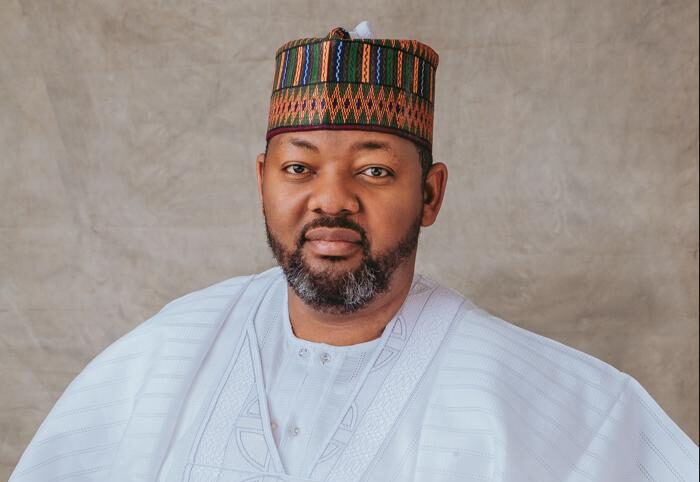
Ismaeel Ahmed, Executive Chairman and Chief Executive Officer of the Presidential Initiative on Compressed Natural Gas and Electric Vehicles (Pi-CNG), gave the update on Friday at the inauguration of a CNG Integrated Refuelling Unit in Karu, Abuja. The facility was developed through a partnership involving the State House, Pi-CNG and Electric Vehicles, and Rolling Energy.
Ahmed said the Karu station is the 106th to open across the country in less than two years, reflecting what he described as growing investor appetite for the scheme. He put private investment in the initiative at $2.6 billion and disclosed that President Bola Tinubu had directed the establishment of about 500 additional infrastructure refuelling units through the Midstream and Downstream Gas Infrastructure Fund (MDGIF).
“It’s a scale thing. Nigeria is 220 million people strong, 12 million vehicles. We are moving at a scale that we need to move. The work is in progress,” Ahmed said.
He added that another 170 stations were at different stages of development or awaiting licences from the Nigerian Midstream and Downstream Petroleum Regulatory Authority (NMDPRA). He also said the project had cut transportation costs by between 30% and 40% on routes served by CNG-powered buses, with the next phase targeting commercial vehicle corridors and high-traffic areas nationwide.
Temitope Fashedemi, Permanent Secretary of the State House, said the Karu facility was created by converting an abandoned petrol dispensing station owned by the State House into a CNG refuelling and vehicle conversion centre. He said the State House provided the existing asset while Rolling Energy funded rehabilitation and equipment installation, with no government expenditure on the project. Rolling Energy's Chief Executive Officer, Mubarak Danbatta, described the arrangement as evidence of what government institutions and private investors can achieve by collaborating on alternative fuel infrastructure.
The expansion forms part of a wider effort to close Nigeria's gas infrastructure financing gap. In August 2026, MDGIF Executive Director Oluwole Adama said the fund was supporting about 200 gas infrastructure projects to unlock the country's 200 trillion cubic feet of gas reserves and bridge a reported $20 billion annual deficit. Earlier, NEITI Executive Secretary Dr Ogbonnaya Orji had said Nigeria required $20 billion annually over 10 years for gas infrastructure investment. In March 2025, the Federal Government also launched a N2.5 billion credit scheme to support vehicle conversions to CNG and the manufacturing of conversion kits.