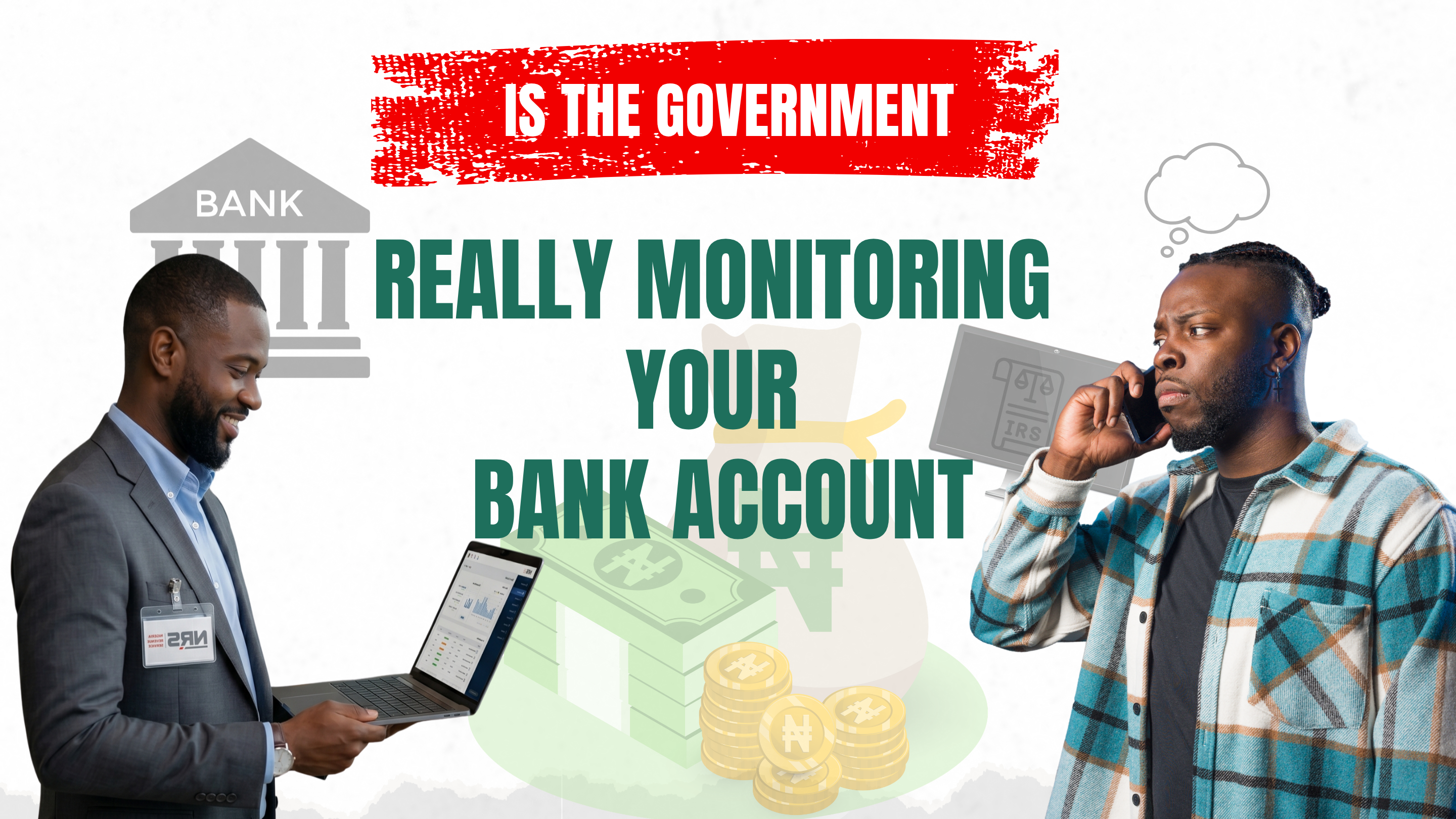
In the weeks before the Nigerian Tax Act took effect on 1 January 2026, some Nigerians reportedly withdrew cash from their banks out of fear that the government would begin monitoring accounts and deducting taxes directly. The anxiety, amplified across social media, sparked calls to abandon traditional banks and claims that labelling transactions as "gift" or "rent" would shield accounts from taxation.
The reality under the new tax framework is less dramatic. Tax authorities do not enjoy unrestricted, real-time access to personal bank accounts. What the law provides is a defined power to demand financial records in specific circumstances.
Section 4(1)(t) of the Nigerian Revenue Service (Establishment) Act empowers the NRS to subpoena and obtain financial records when necessary, particularly when investigating defaulters or enforcing compliance. This is not the same as continuous surveillance of every account holder.
Financial information remains confidential. Banks will not disclose customer details to third parties unless the law compels them to do so. Sections of the Nigerian Tax Administrative Act, 2025 set out those circumstances. Section 64 permits tax authorities to investigate and confirm any breach of tax laws, including a review of a taxpayer's financial activities and documents. Section 58 grants the authorities free access to books, accounts and documents held by a person, public officer or institution. Because banks fall within the definition of institutions, they may be required to release customer records when properly subpoenaed.
The law also provides a recovery mechanism. Under Section 60 of the Nigerian Tax Administrative Act, 2025, the tax authorities hold a Power of Substitution. Where taxes remain unpaid, the authorities may direct an appointed agent holding the taxpayer's funds or assets, including a bank, to pay the outstanding liability. This does not permit indiscriminate deductions. Rather, it applies after a taxpayer has refused or failed to settle what is owed.
The practical message is that these provisions are designed to support compliance and enforcement rather than routine surveillance. Taxpayers who meet their obligations have little reason to fear that banks will share their information or that amounts will be removed from their accounts without cause.