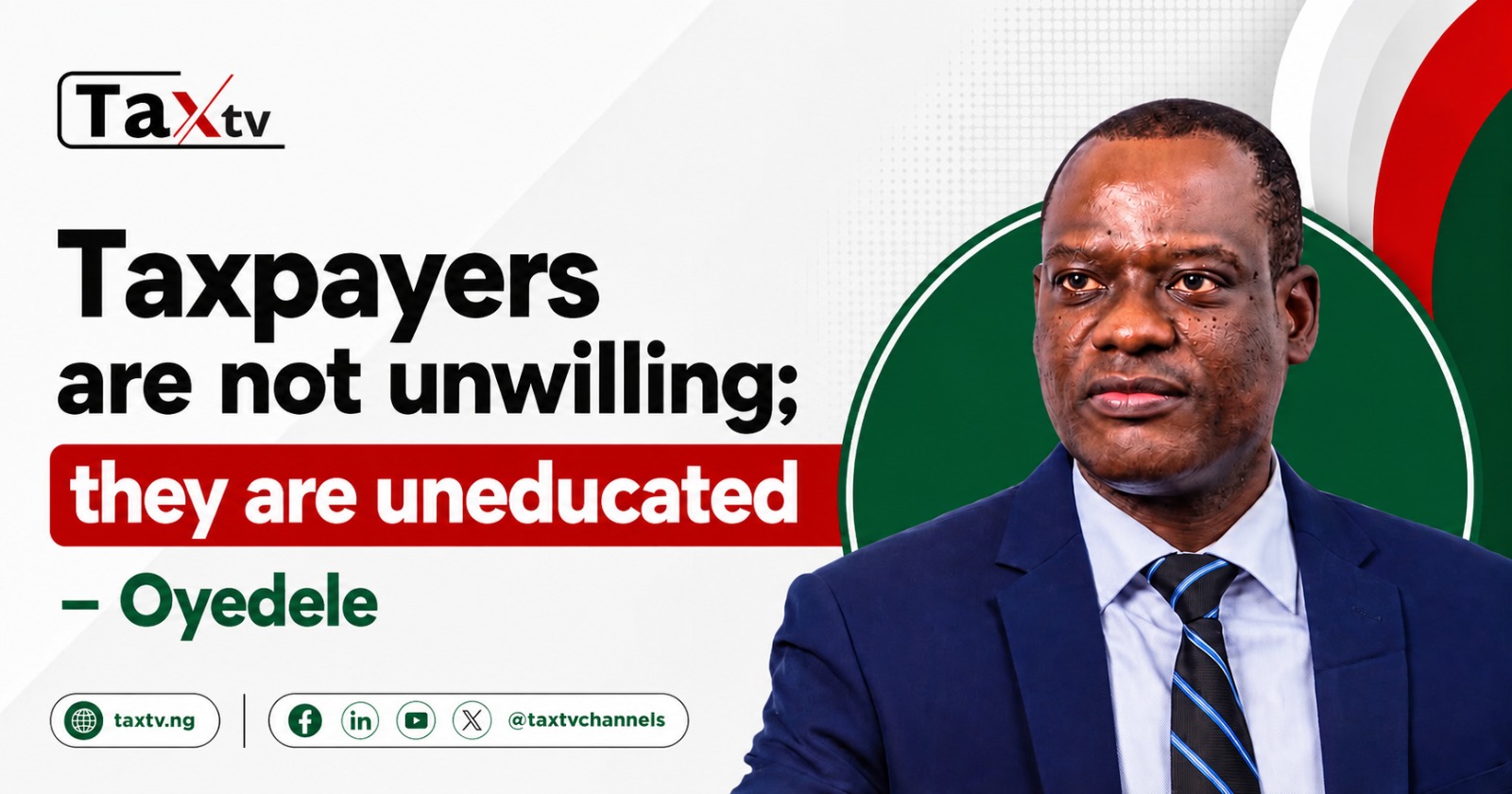
A leading voice in Nigeria's fiscal reform space has pushed back against the notion that Nigerians are inherently unwilling to pay taxes, asserting instead that the core challenge lies in widespread ignorance of tax obligations and processes.
Taiwo Oyedele, a prominent fiscal policy expert and tax reform advocate, made the remarks during a recent engagement, arguing that labelling taxpayers as recalcitrant misses the deeper structural problem: most citizens simply do not understand the tax system well enough to comply.
Oyedele has long maintained that taxpayer education is the missing link in Nigeria's quest to expand its revenue base. His position is that the average Nigerian, whether an informal trader, a small business owner, or a salaried worker, is not opposed to contributing to national development through taxes. Rather, the complexity of tax laws, the opacity of collection mechanisms, and the absence of sustained public enlightenment conspire to keep compliance rates low.
The distinction between unwillingness and lack of education is not merely semantic, according to Oyedele. It carries significant implications for how tax authorities design their outreach and enforcement strategies. A populace branded as defiant is met with coercion; a populace recognised as uninformed is met with education, simplification, and trust-building.
Nigeria has one of the lowest tax-to-GDP ratios on the continent, hovering below 11 percent, far short of the African average and significantly below the 15 percent threshold the government has targeted. Successive administrations have struggled to bring more citizens into the tax net, often resorting to heavy-handed enforcement that generates resentment without meaningfully improving collections.
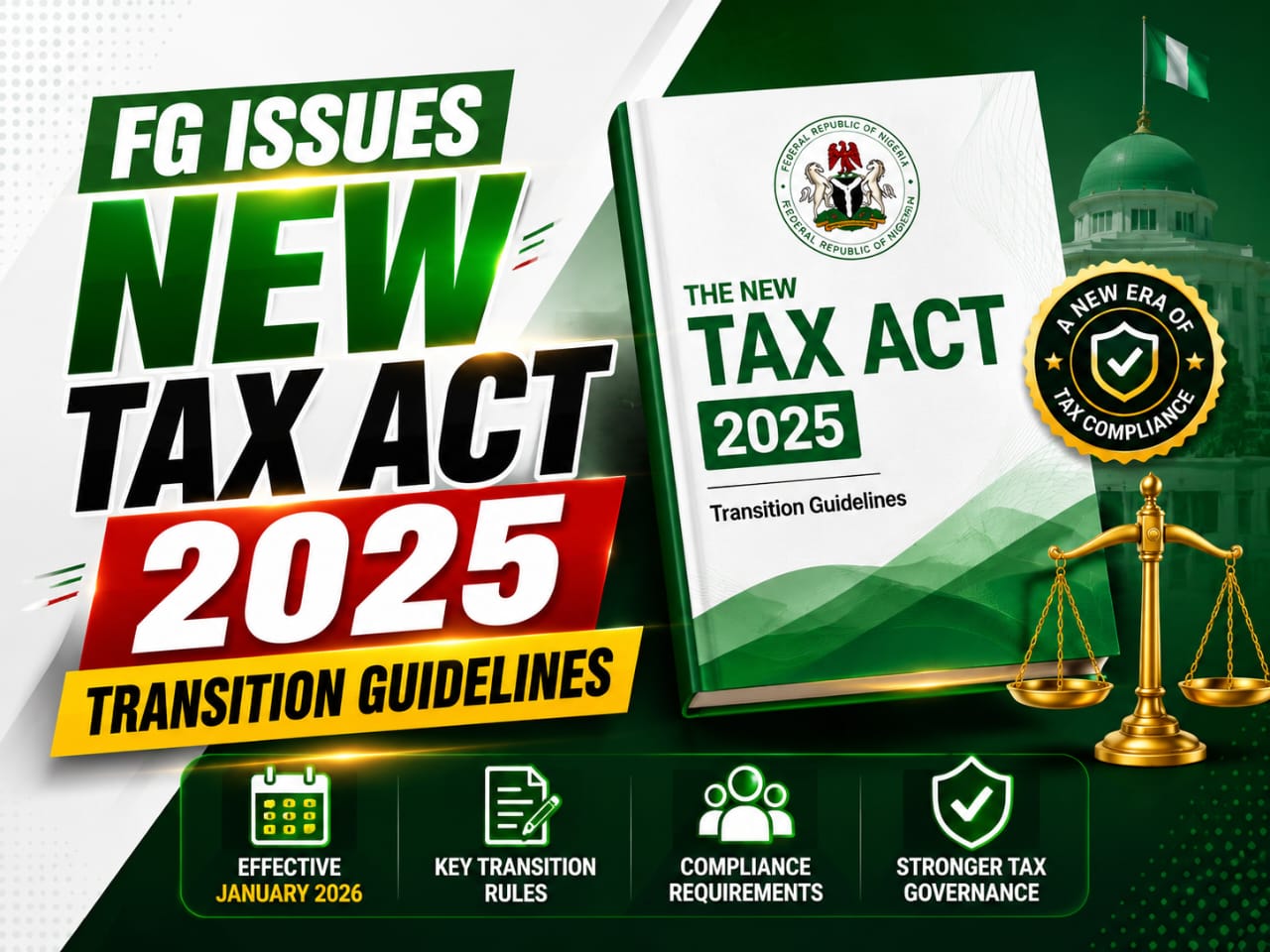
Oyedele's emphasis on education aligns with broader reform conversations currently shaping Nigeria's fiscal policy landscape. The Presidential Committee on Fiscal Policy and Tax Reforms has prioritised simplifying the tax code, harmonising collections across federal, state, and local tiers, and using technology to make compliance easier for the average taxpayer.
The argument that education—not enforcement—holds the key to better tax compliance is gaining traction among policy analysts who note that even among willing taxpayers, confusion about filing deadlines, applicable rates, and eligible deductions creates unintentional non-compliance.
The call for a shift in approach underscores a growing consensus: Nigeria's tax problem is less about morality and more about information asymmetry. Addressing that gap, Oyedele and like-minded reformers argue, could yield more sustainable revenue gains than punitive measures ever could.