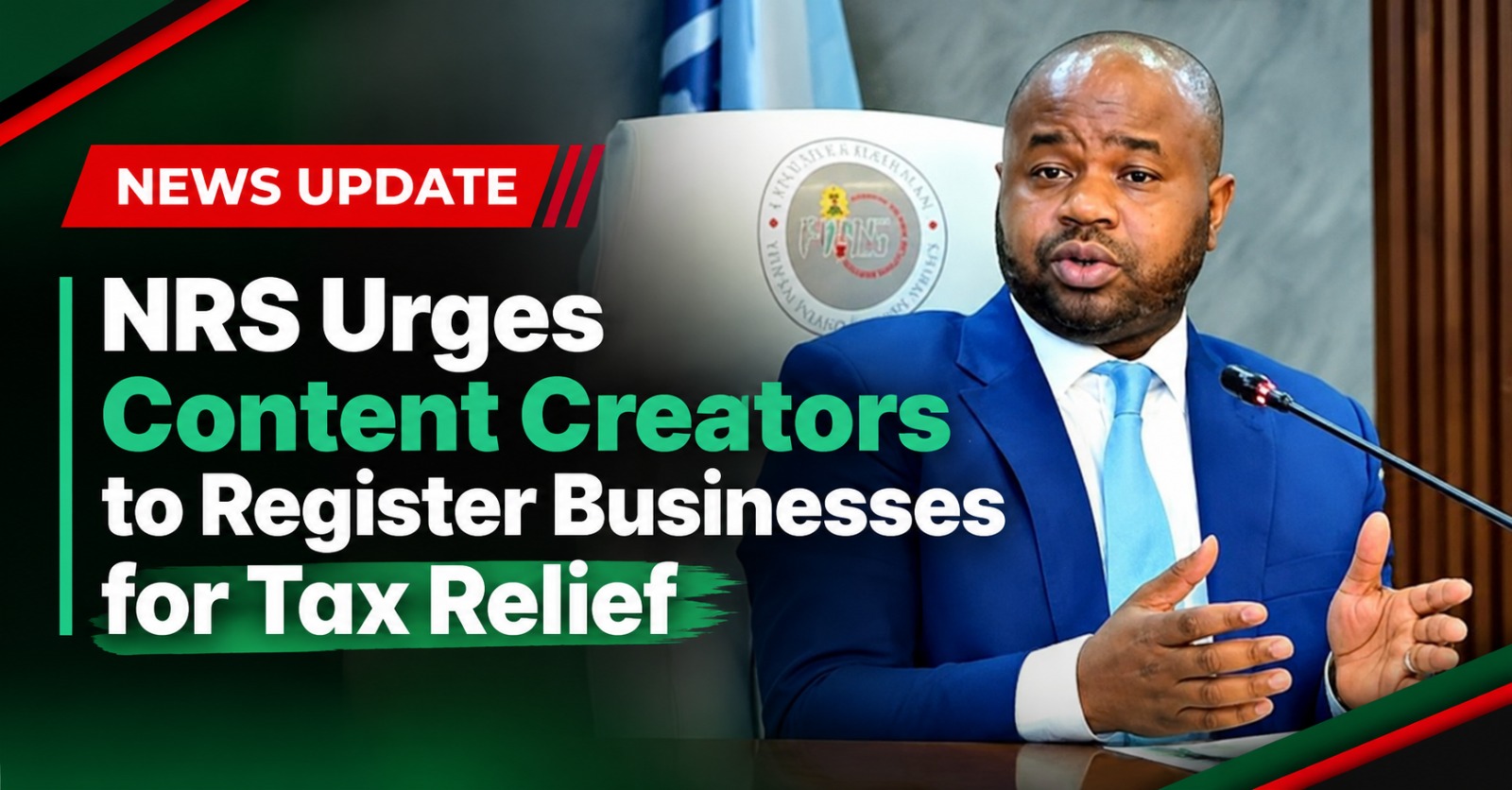
The Nigeria Revenue Service has called on content creators and other players in the creative industry to register their businesses, obtain Tax Identification Numbers and keep proper financial records so they can benefit from available tax incentives and investment opportunities.
The agency made the appeal during a tax policy session at Creative Africa Nexus Weekend 2026 in Lagos, where officials explained how Nigeria's tax reforms can support creative entrepreneurs, strengthen compliance and attract investment.
Simeon Onyegbula, an Assistant Director in the NRS Field Operation Monitoring Department, said formal business registration and accurate record-keeping are essential for claiming applicable tax reliefs. He advised creators to retain invoices, receipts and other financial documents to substantiate business expenses and establish their taxable profits.
Kazeem Lawal, an Assistant Director of Tax at the NRS, cautioned that creators who channel business earnings through personal bank accounts without proper records may limit their ability to attract investors, secure corporate contracts and access financing.
The Service also highlighted tax incentives available to qualifying businesses. Mustapha Akaje, Director of Government Business for the South Directorate, said companies with annual turnover not exceeding ₦100 million and fixed assets below ₦250 million can qualify for zero Companies Income Tax and exemption from the 4 per cent Development Levy.
He added that qualifying investments in eligible sectors, including the creative industry, can attract a 5 per cent tax credit on capital expenditure of at least ₦250 million. Small businesses, however, must continue filing tax returns to demonstrate their eligibility for the applicable reliefs.
The NRS also announced an Investment and Tax Advisory Hub and a Creative Economy Tax and Investment Initiative to guide creative entrepreneurs on business registration, tax incentives, investment opportunities and compliance.
According to the agency, the initiatives are designed to make formalisation more accessible and to help transform Nigeria's creative talent into sustainable businesses and employment opportunities.