Independent petroleum marketers in Nigeria say they are incurring losses running into billions of naira as pump prices swing sharply in the deregulated downstream market, and they argue that consumers have shown little sympathy for their position.
Chinedu Ukadike, National Publicity Secretary of the Independent Petroleum Marketers Association of Nigeria (IPMAN), told Nairametrics that sudden price declines are especially damaging because marketers buy products at higher costs and are then compelled to reduce retail prices.
The volatility has been sustained by rising global crude oil prices linked to the Middle East conflict involving the United States, Iran and Israel. Marketers said consumers pressure them to hold pump prices steady when crude costs climb, yet expect immediate reductions when costs fall.
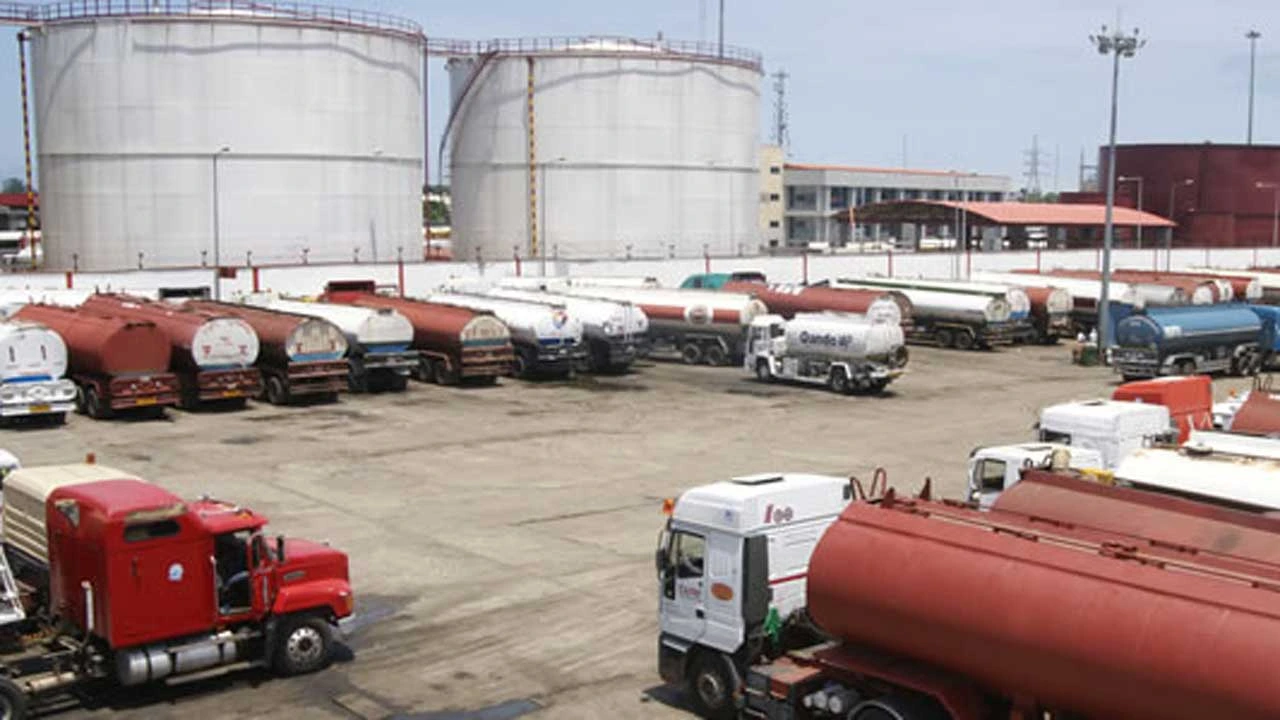
Ukadike noted that a sudden N25 cut in petrol prices leaves members exposed, with more than 300 trucks still stranded on bad roads and heading to their destinations at the earlier market price. "The volatility of the price is now mastering us," he said, adding that marketers will lose billions of naira.
Another marketer, Paul Akams, said high petrol prices affect everyone along the value chain, from marketers to transport operators and consumers. He explained that independent marketers must absorb the cost of purchasing the product, transportation, storage, depot charges, regulatory costs and other operational expenses, all of which ultimately shape the pump price.
Petrol prices climbed from an average of N1,077–N1,205 in early July 2026 to an average of N1,395–N1,500 for most of September at filling stations, before easing to an average of N1,370.
On petrol smuggling, Akams said the practice recurs whenever there is a significant price gap between Nigeria and neighbouring countries, creating an incentive to move products across borders illegally. He argued that marketers should not be blamed alone and called for effective border monitoring, accurate product tracking and pricing policies that reduce arbitrage incentives.
Ukadike conceded that smuggling has fallen drastically compared with previous years, but stressed that the subsidy era effectively benefited neighbouring countries such as Benin Republic.