The Federal Government has clarified that the 30-day petrol discount at NNPC Retail Limited stations is being financed entirely by the retailer's own margins, with no drawdown from the federal budget or the Federation Account.
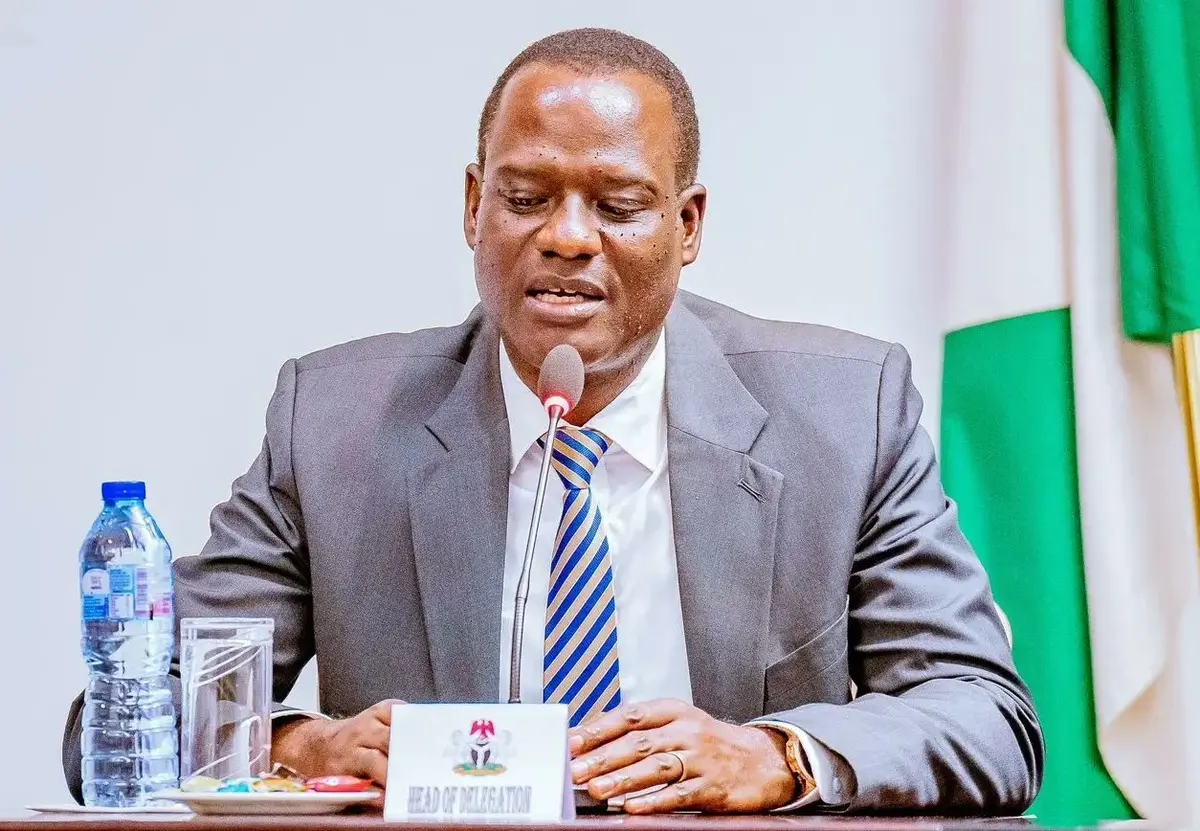
In a statement issued on Friday, October 9, 2026, the Minister of Finance and Coordinating Minister of the Economy, Taiwo Oyedele, explained that NNPC Retail buys petrol from the Dangote Refinery and other suppliers at market prices on commercial terms, then adds a retail margin to determine the pump price. The discount, he said, is carved out of that margin alone, leaving the discounted price market-reflective.
The clarification followed the announcement of a 30-day discount window at NNPC stations as part of measures to cushion the impact of elevated fuel prices.
Oyedele drew a distinction between the arrangement and a fuel subsidy. He noted that a subsidy involves government using public revenue to cover part of the cost of petrol, which reduces resources available for other public spending. Selling crude oil owned by the Federation below market prices would equally constitute a subsidy, since the resulting shortfall would be borne by public revenue.
The minister said NNPC Retail, a wholly owned subsidiary of NNPC Limited, was established to support nationwide availability and affordability of petroleum products. Its role, he argued, includes moderating retail prices rather than focusing only on profit maximisation. Lower margins per litre could be offset by higher sales volumes and customer loyalty, meaning the discount would not necessarily reduce dividends paid to the Federation.
He added that retail margins account for less than 5% of pump prices, arguing the discount would not significantly widen Nigeria's petrol price gap with neighbouring countries or create a major new incentive for smuggling.
The 30-day discount is part of broader measures to ease fuel and transport costs, with priority for public transporters. Other measures include forward crude sales to domestic refineries, a proposed N1,350 per litre ceiling on petrol's landing cost, removal of illegal levies, support for vulnerable households and accelerated deployment of compressed natural gas.