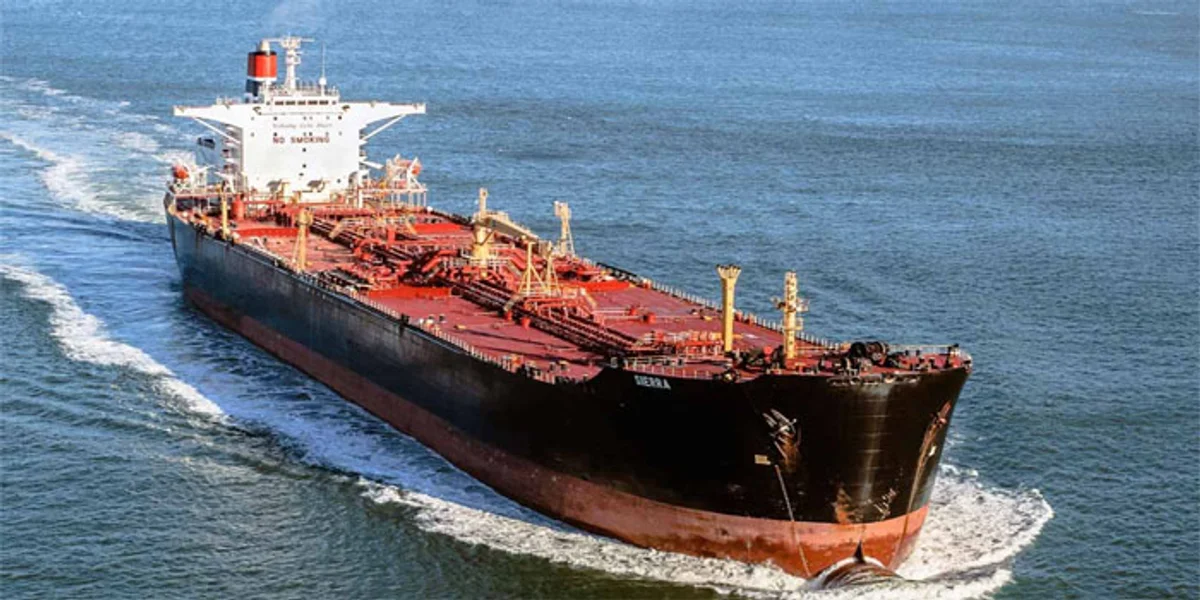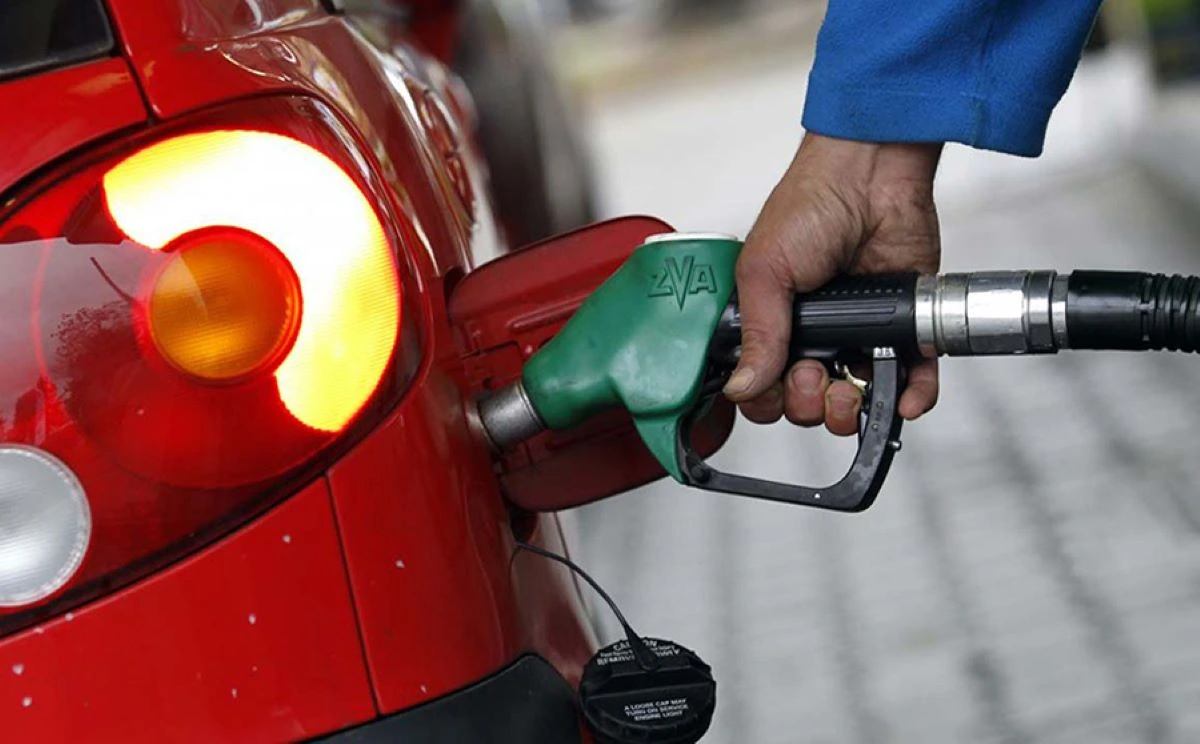
Rising petrol and diesel prices are altering the economics of business operations in Nigeria, feeding into transportation, power generation and other recurring expenses. The pressure is also forcing households and companies to review which costs they can absorb, reduce or defer.
In an exclusive interview with Nairametrics, Katherine Itua, Executive Director, Finance & Investments at Consolidated Hallmark Insurance Limited, said the changing cost environment could influence customer behaviour in motor insurance, where vehicle operating costs are closely linked to the type of cover purchased.
Ms Itua explained that the effect on aviation, oil and gas, and marine insurance is relatively limited because these highly regulated sectors must maintain minimum coverage levels. Operators may respond to rising costs by passing some charges to third parties or by keeping premiums unchanged while narrowing the scope of cover. Any adjustment is therefore more likely to appear in the structure of the policy than as a direct premium increase.
Motor insurance is more directly exposed. As fuel and vehicle running costs rise, more customers are likely to opt for third-party cover over comprehensive policies because it is more affordable. That shift, she noted, is where sustained high energy costs are most likely to influence the company's claims profile and future pricing discussions.
On petrol prices, which have climbed to around N1,400 per litre in parts of the country in recent weeks following an upward trend that began in the first quarter amid Middle East tensions, Ms Itua said the company had built its projections around N1,500 per litre for the year. Current prices therefore remain within the planned range and have not placed any real strain on operations.
The company factored inflation into its 2026 budget rather than assuming costs would stay unchanged. At the time, petrol cost about N1,100 to N1,200 per litre, compared with roughly N1,400 today. Although the increase is significant, it was already absorbed in the budget.
The head office does not run on the national grid and relies mainly on generators and a solar inverter system. The company has completed the first phase of a solar inverter upgrade and plans to complete the second phase before the end of the year, aiming to reduce dependence on diesel and generators. Diesel was budgeted at around N2,000 per litre and currently sits around N1,900.