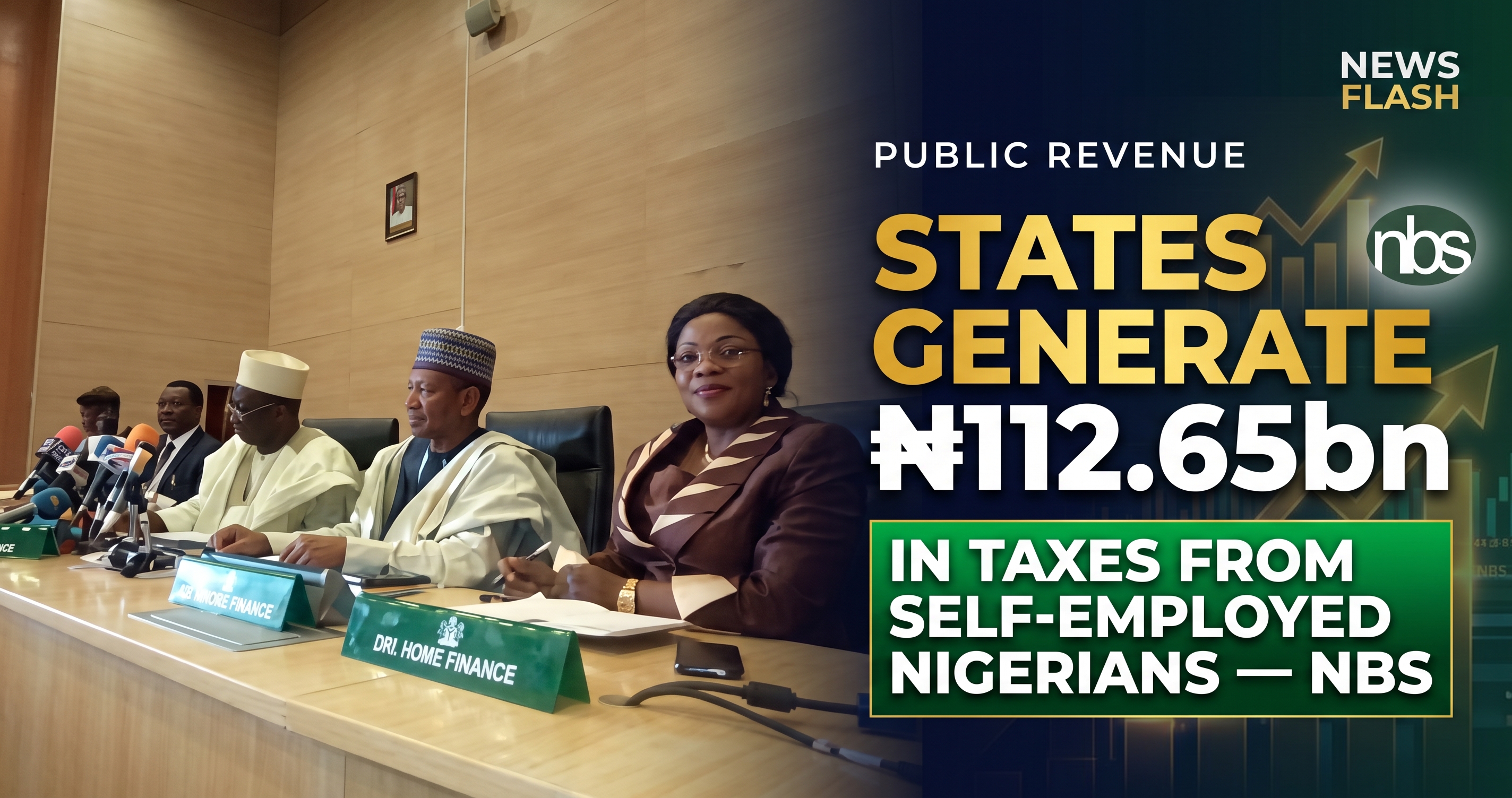
Nigeria's push to overhaul its tax framework may have an unintended consequence: excluding millions of informal businesses from the corporate contracting ecosystem.
As the Federal Government tightens compliance rules through a series of tax reform measures, informal enterprises—many of which have never registered with tax authorities—face being locked out of lucrative supply and service contracts with larger, formally structured companies.
At the heart of the concern is the growing insistence by corporate Nigeria on Tax Identification Numbers, tax clearance certificates and verifiable remittance histories before onboarding vendors or contractors. For businesses operating in the informal economy, which accounts for a significant share of employment and output, these requirements present steep hurdles.
The reforms, championed by the Presidential Committee on Fiscal Policy and Tax Reforms, seek to broaden the tax base and reduce Nigeria's overreliance on a narrow pool of taxpayers. But business groups and small enterprise advocates warn that the speed and manner of implementation could deepen the divide between the formal and informal economies.
Under the evolving regulatory landscape, companies doing business with unregistered suppliers risk falling foul of withholding tax obligations and anti-money laundering provisions. Multinationals and publicly listed firms, in particular, are under pressure from auditors and regulators to ensure their entire supply chain meets documentation standards.
The implications extend beyond individual livelihoods. Micro and small enterprises form the backbone of Nigeria's economy, supplying everything from catering and logistics to raw materials and maintenance services. Barring them from corporate contracts would not only shrink their revenue base but also force many deeper into the untracked economy—defeating the very purpose of the reforms.
Some tax professionals argue that the solution lies in a graduated compliance pathway rather than an abrupt cutoff. Proposals include simplified registration drives, tiered withholding rates for smaller suppliers, and incentive structures that reward formalisation rather than penalise informality.