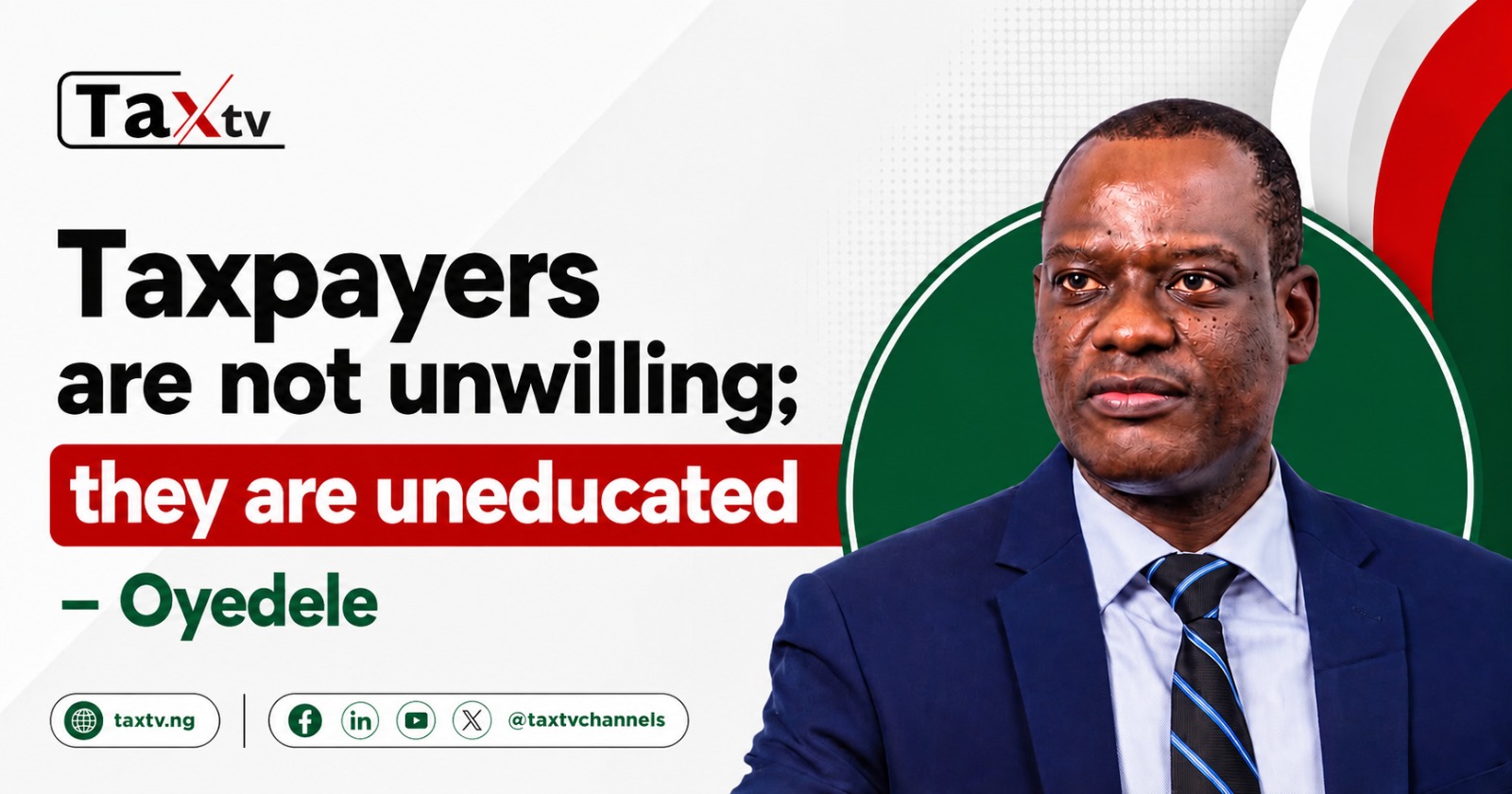
Low tax compliance in Nigeria is driven more by a lack of public understanding than by wilful refusal, according to the Minister of Finance and Coordinating Minister of the Economy, Taiwo Oyedele.
Speaking during the maiden edition of the National Tax Awareness Day, organised by the Chartered Institute of Taxation of Nigeria (CITN), Oyedele said many Nigerians continue to view taxation as a tool of government extortion rather than an essential instrument for national development.
The event, held under the theme "Tax Awareness for National Growth: Reform, Compliance & Shared Prosperity," served as a platform for the CITN to launch a broad public sensitisation campaign aimed at promoting responsible tax compliance across the country.
CITN's leadership, led by Innocent Ohagwa, was received by the Minister, who used the occasion to highlight fundamental challenges undermining the nation's tax framework. Oyedele explained that despite sustained reform efforts, Nigeria continues to struggle with generating adequate revenue from taxation because eligible taxpayers are not meeting their obligations.
He attributed the shortfall to a deep-seated trust deficit between citizens and government, coupled with widespread misinformation and enduring misconceptions within the fiscal ecosystem.
"We are still not getting enough revenue from tax. It is not about increasing tax, but making sure that those who are supposed to pay tax pay. We want to promote fairness in tax administration," Oyedele said.
The Minister stressed that Nigeria's fiscal fortunes depend heavily on building an efficient and equitable digital tax system. When properly implemented, he noted, the impact on infrastructure, public services, and broader economic development would be transformative.
Oyedele commended the CITN for spearheading the National Tax Awareness Day initiative, describing public education on taxation as essential to bridging the trust gap between taxpayers and the government.
The Institute's campaign aims to correct prevailing misconceptions about the tax system and encourage voluntary compliance by helping citizens understand how tax revenues translate into public goods and services.