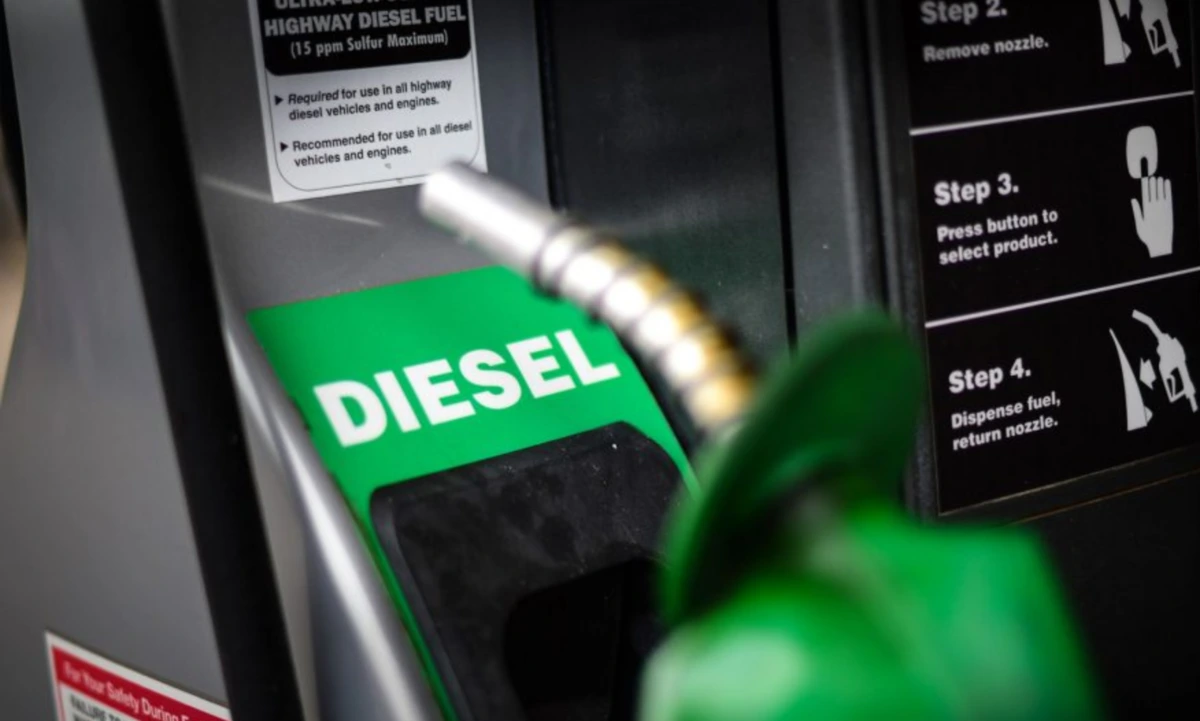
Nigeria posted the steepest diesel price increase of any country or territory in a new United Nations Conference on Trade and Development comparison, with prices climbing 82.7% between 23 February and 31 August 2026. The data appear in the Trade and Development Report 2026: The Geoeconomics of Development, released on Friday, 9 October 2026.
Over the same period, petrol prices in Nigeria rose by 48.1%, the fourth-highest increase in the dataset. Myanmar recorded the largest petrol price rise at 50.7%, followed by the United Arab Emirates at 49.8% and Malaysia at 48.4%. For diesel, Lebanon posted the second-highest increase at 73.6%, ahead of Peru at 66.7% and Guatemala at 66.3%.
UNCTAD observed that although the global energy shock affects countries worldwide, the effects are uneven. 'The shock is global, but the effects are uneven,' the report states, noting that rising energy costs reduce consumers' real incomes and constrain consumption. The steepest domestic fuel price increases have occurred in developing countries, predominantly in Asia and Africa.
Nigeria, Angola, Guyana and Kazakhstan are identified as oil and gas exporters that could benefit from higher global energy prices triggered by the Middle East conflict. UNCTAD attributed the shock to damage to energy infrastructure and disruption of shipments through the Strait of Hormuz, which caused the largest monthly loss of global energy supply on record. Brent crude climbed from about $70 to more than $110 per barrel after the conflict began, and prices are expected to remain more than $30 per barrel above pre-conflict levels through the end of 2026.
For Nigeria, higher crude prices could lift export earnings, but UNCTAD cautioned that elevated refined fuel prices may offset some of those gains where domestic refining capacity is insufficient. Although refining capacity has expanded, continued petrol imports leave local fuel costs exposed to international price movements.
Domestic figures point to a shrinking import bill. The Nigerian Midstream and Downstream Petroleum Regulatory Authority reported average daily petrol imports of 14.6 million litres in August 2026, down 26% from 19.7 million litres in July. National Bureau of Statistics data show the petrol import bill fell 96.15% to N87.40 billion in the first quarter of 2026, from N2.27 trillion a year earlier.