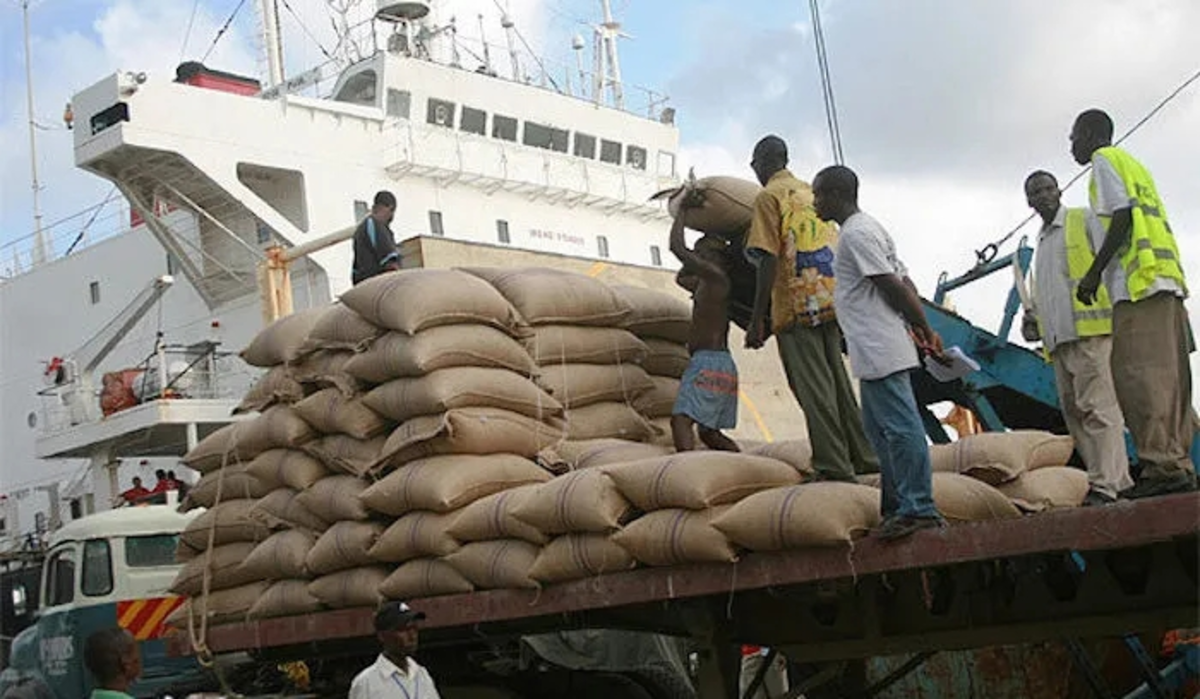
Nigeria's downstream petroleum debate has moved from whether the country can refine petrol to whether it should keep importing it now that a large local refinery operates. Marketers and some officials argue that a cargo at the jetty keeps prices honest and low. Domestic refiners counter that a standing import window for generic Premium Motor Spirit (PMS) weakens the incentive for local value addition and preserves the old model of exporting crude, importing petrol and spending dollars.
Daily PMS consumption in 2026 has generally sat in the low-to-mid 40 million litres. Dangote, with nameplate capacity of 650,000 barrels per day, says a full run can supply about 75 million litres of PMS daily, plus diesel and jet fuel beyond domestic demand. Regulator data for August 2026 showed the refinery producing about 42 million litres of PMS a day, sending about 36 million litres into the local market, exporting nearly 10 million litres and closing the month with large stocks. Diesel imports have fallen toward zero in some months.
The case for imports rests on diversification and competition. With one large private refinery carrying most of the load and the old NNPC plants not a reliable second source, a quickly usable import licence acts as insurance against a fire or a long turnaround at Lekki. A refinery that can cover national demand also holds pricing power; if the local ex-depot price sits above the landed cost of a cargo, a monopoly effectively exists.
The counterargument is that imports exist to cover a production gap and should not become a permanent cost policy. Importing cargo does not fix a high local cost structure driven by crude sold at a premium or broken logistics; it hides those problems while leaving the same plant, the same costs and another dollar invoice for the next quarter. Even open-trade economies make this distinction: the United States imports high-grade durum wheat for pasta, not generic wheat to discipline local prices.
The Petroleum Industry Act already leans toward residual imports. Section 317 permits a backward-integration policy downstream and treats import licences as a response to shortfall, assigned with an eye to companies that refine or hold a real trading book. On balance-of-payments grounds, a cargo of ordinary PMS represents dollars and jobs leaving Nigeria, while a litre refined from Nigerian crude and sold domestically keeps a dollar in the country.