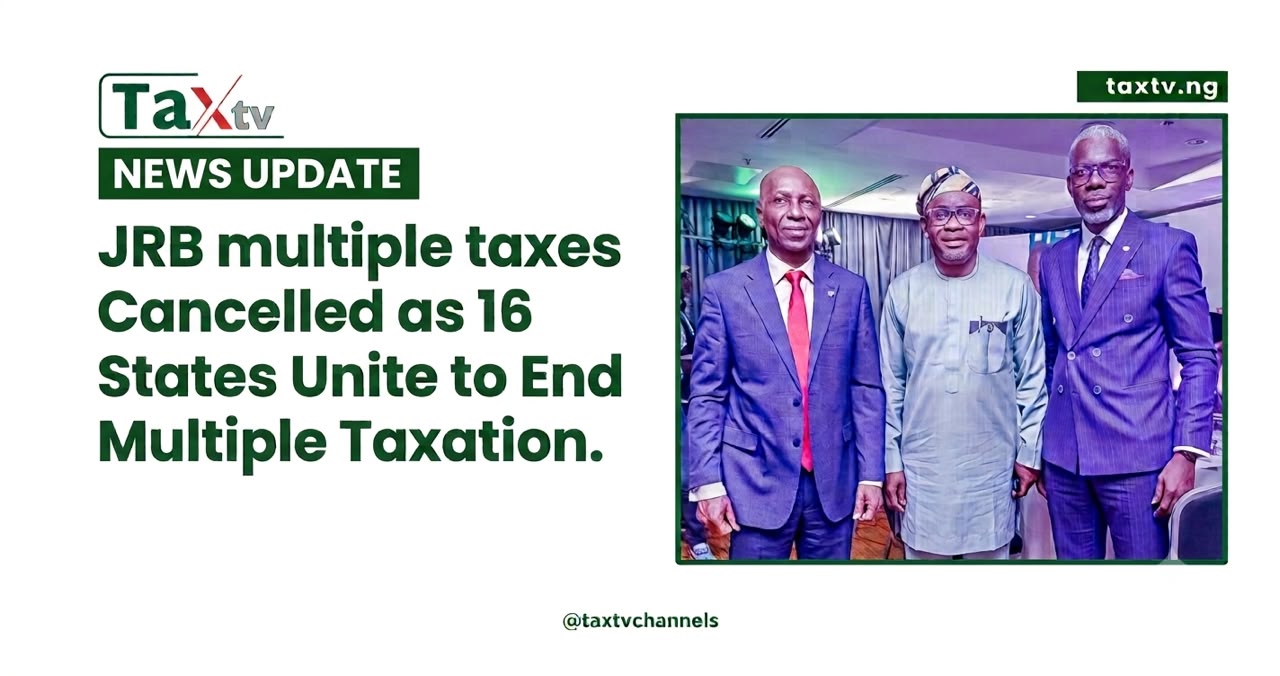
The number of Nigerian states that have signed on to a harmonised tax framework has climbed to sixteen, marking an expansion from the twelve that initially enacted the Tax Harmonisation Law earlier in 2026. The Joint Revenue Board is coordinating the initiative, which sits within the broader architecture of the country's ongoing tax reforms.
Businesses across Nigeria have long complained about overlapping taxes, levies, and fees imposed by different tiers of government and agencies. The newly adopted framework is designed to dismantle these duplicative charges by establishing a common legal and administrative structure across participating states. Once fully operational, it is expected to remove nuisance taxes, strengthen taxpayer protections, enhance transparency, and lower the overall cost of doing business.
The framework draws its legal backing from the Joint Revenue Board (Establishment) Act, 2025, and aligns with the suite of tax laws that came into force at the start of 2026. Under the harmonised arrangement, states retain their constitutional authority over internally generated revenue but are expected to standardise key tax administration processes. The goal is to curb arbitrary collections, improve coordination among the various revenue authorities, and give investors greater confidence through consistent enforcement practices.
Fiscal policy experts have welcomed the development, describing it as a meaningful advance in modernising Nigeria's subnational tax system. They note that broader adoption by the remaining states could strengthen voluntary compliance, reduce the frequency of disputes between taxpayers and revenue agencies, and help sustain economic growth by fostering a more business-friendly tax environment.
The expansion from twelve to sixteen states suggests growing acceptance of the reforms at the subnational level. Observers are watching closely to see whether the momentum continues and whether the harmonised framework delivers the promised relief to businesses that have long shouldered the burden of fragmented and unpredictable tax demands.