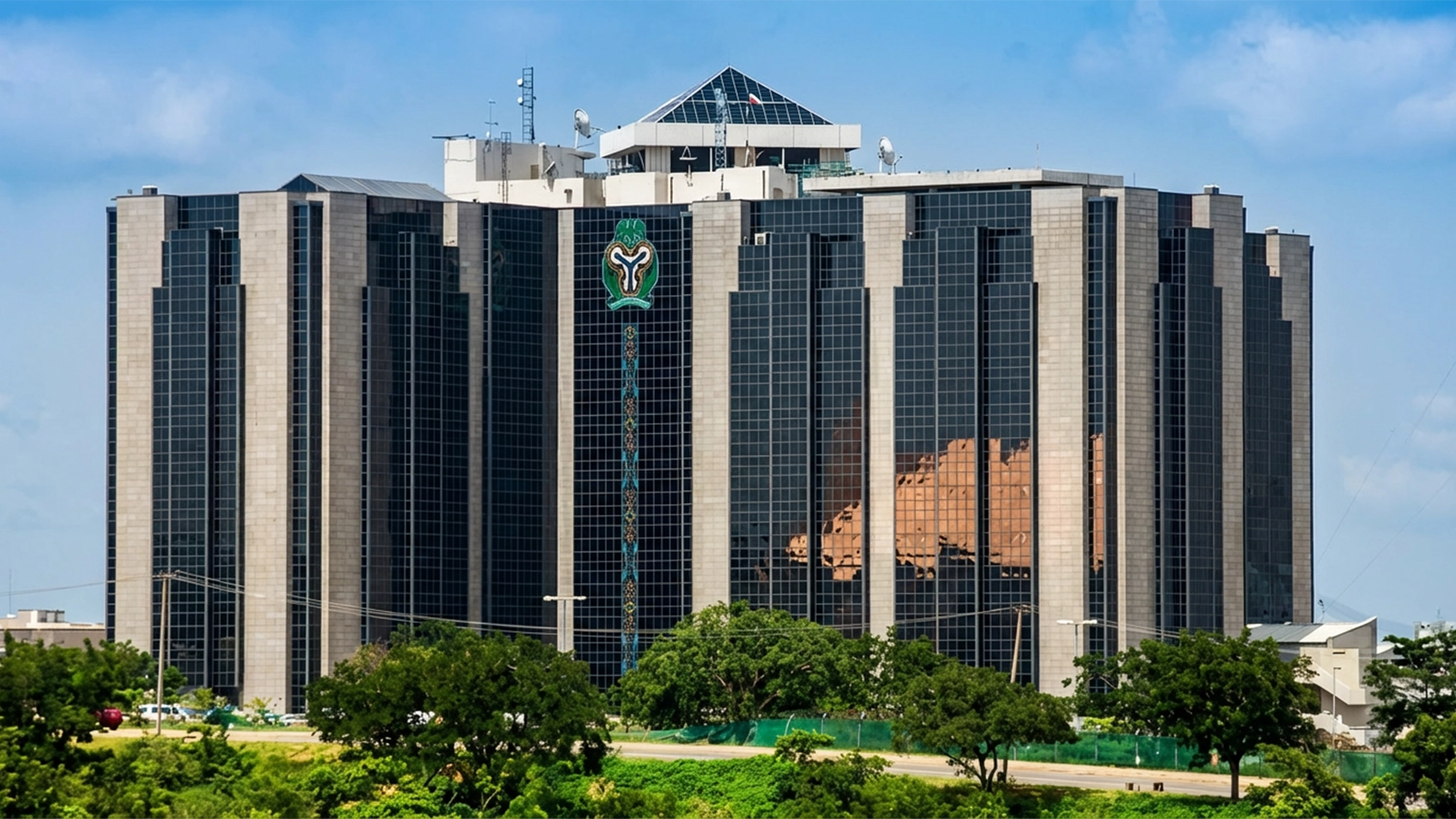
Bank of America has projected that the Central Bank of Nigeria will reduce its benchmark interest rate for the first time since February, a move that would mark a potential turning point for businesses, investors, and fiscal planners monitoring borrowing costs in Africa's largest economy.
The expectation was reported on 17 September 2026 as market participants continue to weigh the outlook for Nigeria's monetary policy. The benchmark rate influences the pricing of credit across the banking system, affecting everything from corporate loan rates to yields on government securities.
For Nigerian businesses, a lower policy rate could translate into cheaper financing for working capital and capital expenditure. Companies that have absorbed elevated borrowing costs would be among the first to benefit if commercial lenders pass on the reduction. Small and medium-sized enterprises, which are particularly sensitive to interest expenses, would also be watching the central bank's next decision closely.
On the fiscal side, the cost of servicing domestic debt is partly linked to prevailing interest rates. A cut could ease the pricing of Treasury bills and bonds, potentially reducing the government's debt-service burden and freeing up room in the budget for other spending priorities.
Capital market investors typically reprice equities and fixed-income assets when the policy stance changes. An easing signal could support rate-sensitive stocks while compressing returns on naira-denominated deposits and money market instruments.
The Bank of America assessment is one of several external views on the trajectory of Nigerian monetary policy. Any decision by the central bank will depend on inflation dynamics, exchange-rate conditions, and overall economic performance. If implemented, a cut would be the first easing move since February, a milestone that financial institutions and corporate treasuries would factor into their planning.