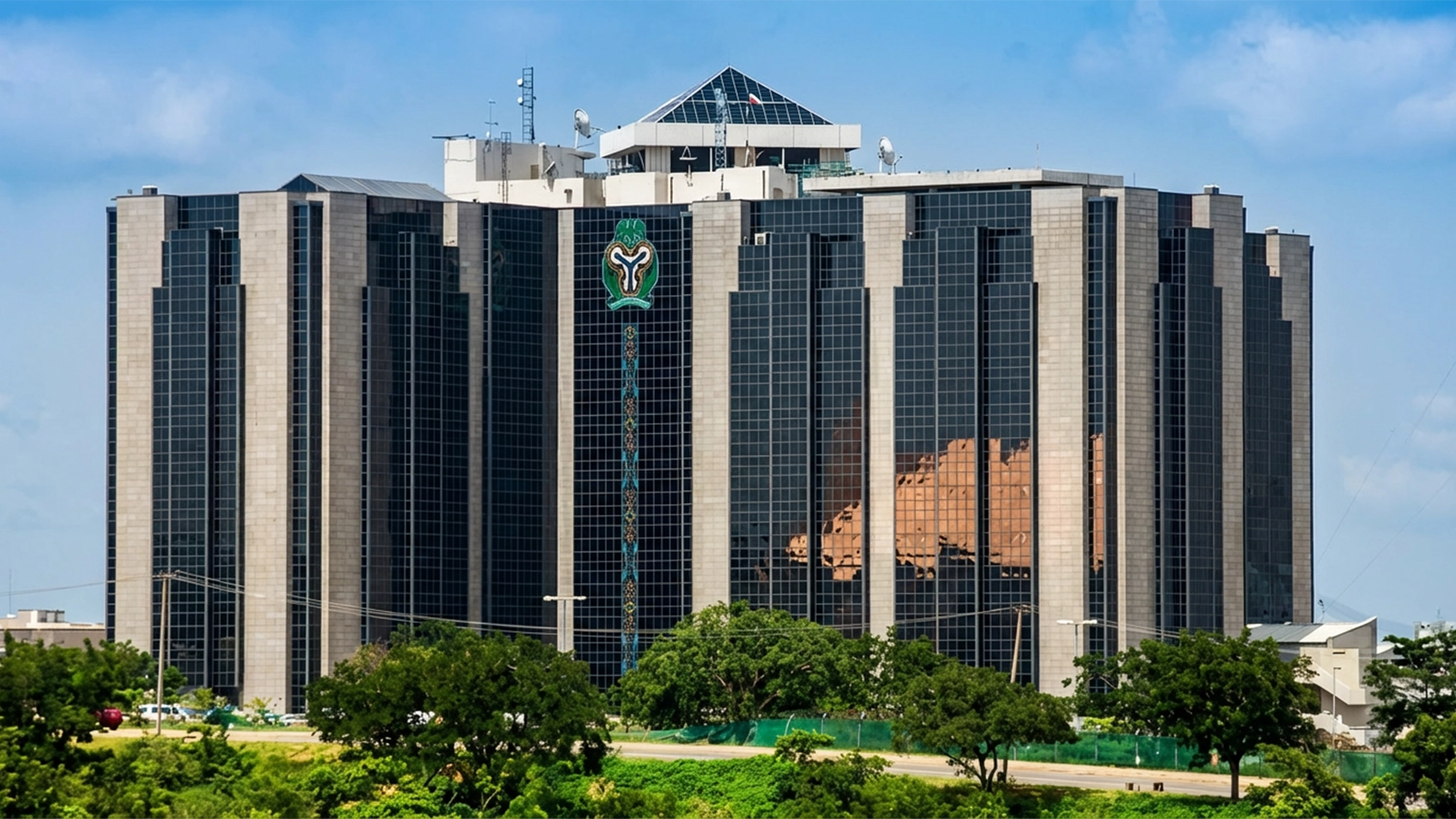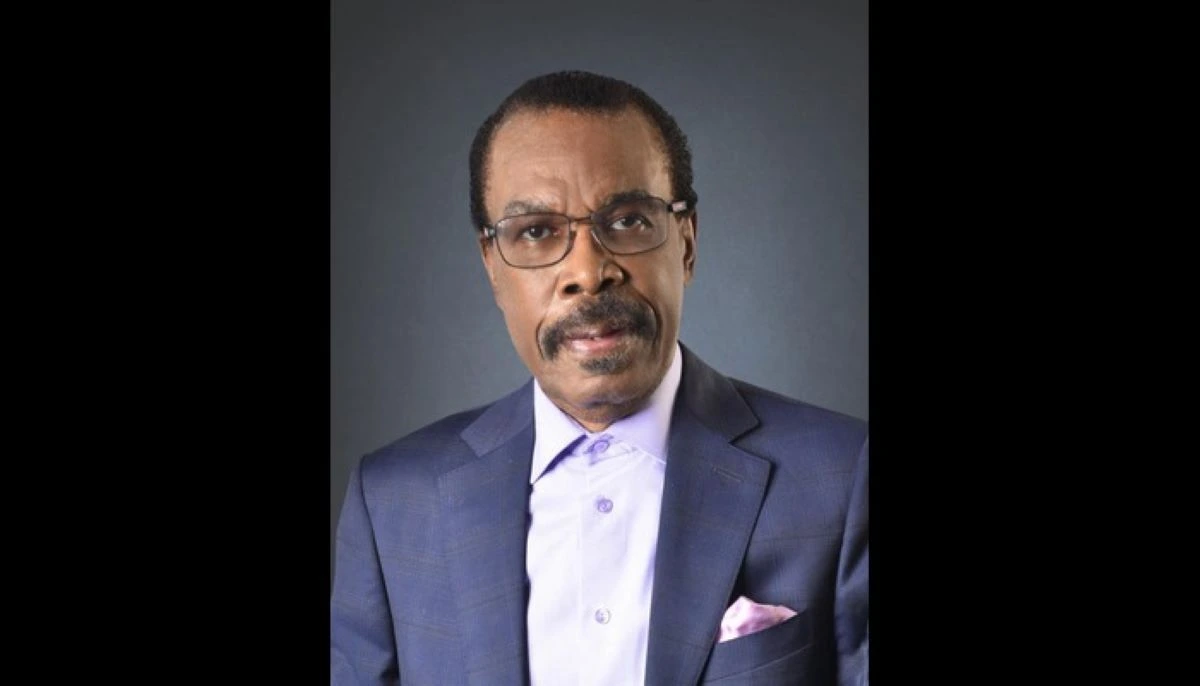
Bismarck Rewane, Managing Director of Financial Derivatives Company, has said the naira may face depreciation pressure following the Central Bank of Nigeria's decision to cut the Monetary Policy Rate by 350 basis points to 23%.
Speaking on Channels Television, Rewane described the reduction from 26.5% as a "jumbo cut" and warned that it could affect the attractiveness of naira-denominated assets, savings and investment flows. He also highlighted potential benefits for government debt servicing and corporate performance, while calling for stronger fiscal consolidation.
The immediate reaction in the foreign exchange market was relatively muted. Rewane noted that the naira traded around N1,387 to the dollar, briefly weakened to about N1,390 and then returned to around N1,387 in the parallel market. He said lower interest rates could still put pressure on the currency as returns on local assets decline.
According to Rewane, a 1% rate cut would reduce the return on savings by 0.12%, while the stock market could be "potentially positive." He added that diaspora inflows could partly offset weaker foreign portfolio investment, saying diaspora flows "will be a substitute for the foreign portfolio investments." He argued the naira may depreciate but not by much because its "fair value is about 1,150 Naira to a dollar."
Rewane said the real rate of return for investors had dropped from 11.1% to 7.61%, although it remained attractive for those engaged in carry trades. He cautioned that lower returns could further weaken national savings, which he described as already low, and could push investors toward alternative assets, including dollars or Bitcoin.
On the fiscal side, Rewane noted that the Federal Government spends about N15.8 trillion on debt servicing and said the sharp rate cut should reduce the amount spent on debt service. Lower borrowing costs could also improve corporate margins and support equity valuations. He observed that the Nigerian stock market gained 0.18% after the announcement.
Rewane said the impact of monetary easing would partly depend on the government's ability to strengthen fiscal management and reduce leakages. While CBN Governor Olayemi Cardoso has spoken about fiscal and monetary coordination, Rewane said the focus should be on fiscal consolidation. "I think the real issue is not coordination, it is to achieve fiscal consolidation, that is, you achieve price stability by blocking leakages," he said.