Nigeria's external reserves have moved above $55 billion, the strongest position recorded in more than 18 years, according to Central Bank of Nigeria Governor Olayemi Cardoso.
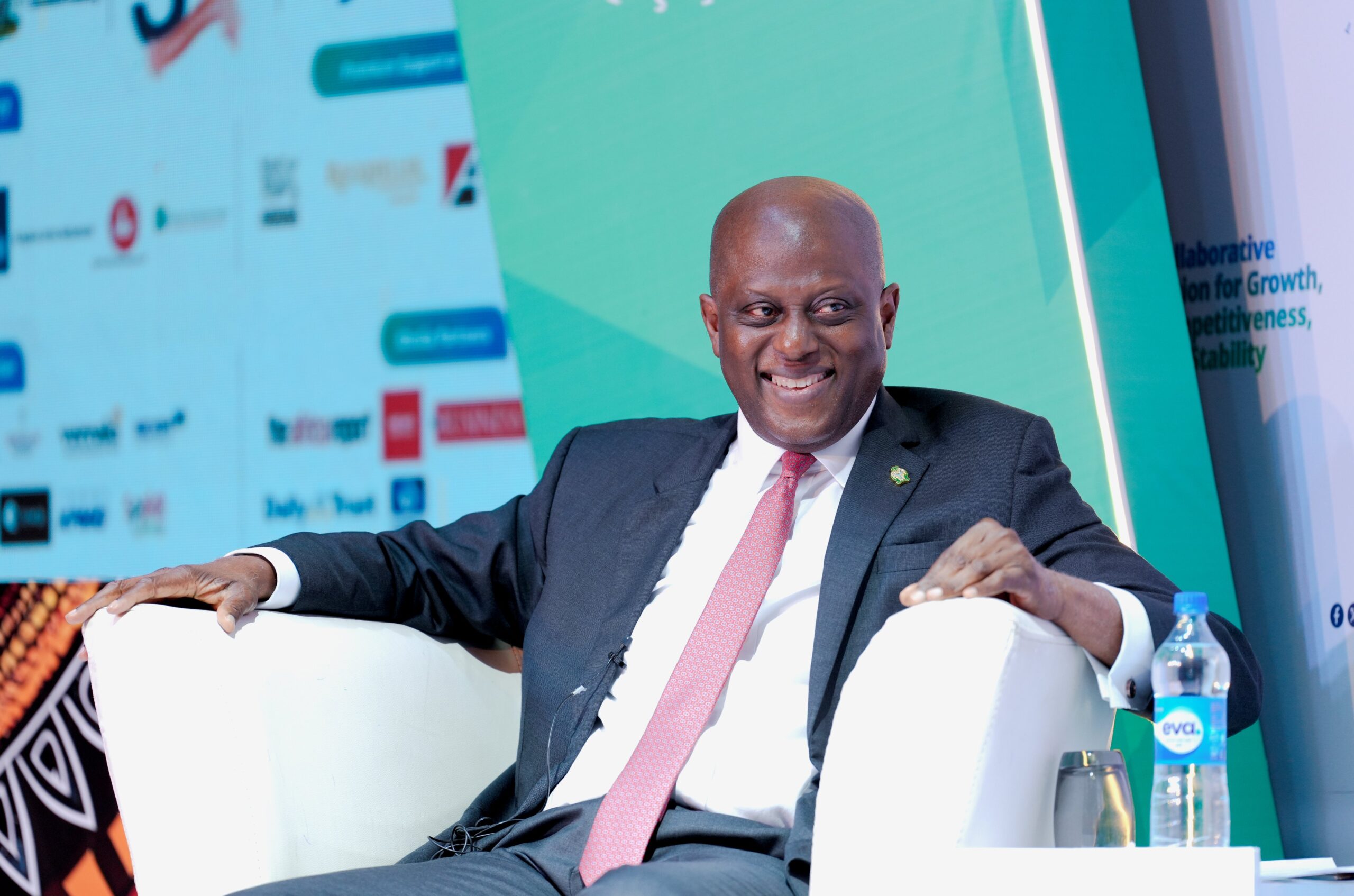
The governor disclosed the milestone on Tuesday in Abuja during a press briefing after the 307th meeting of the Monetary Policy Committee. He linked the build-up to a consistent and disciplined approach at the central bank, alongside higher diaspora inflows.
"We have been able to rebuild our reserves. We know that today, the reserves have crossed US$ 55 billion – the highest number in over 18 years. That's a big thing. It's come through consistency and discipline in approach. In addition to that is the whole issue of diaspora contributions," Cardoso said.
The reserve position exceeds the CBN's earlier projection of about $51.04 billion for the whole of 2026. It also builds on the $54.08 billion recorded as of September 3, 2026, the first time external reserves had crossed $54 billion since December 2008.
On the foreign exchange market, Cardoso said the central bank had narrowed the gap between the multiple exchange rates that previously existed. He described the former arrangement as dysfunctional, with rates determined by access and connections rather than market conditions.
"We had a very dysfunctional foreign exchange market whereby there were multiplicity of rates depending on whom you knew and the access you had will determine the rate you will get," he said.
"What has happened is that we have succeeded in closing that gap. It is not fair for some people to profit at the expense of others."
Cardoso added that losses linked to the previous subsidy structure were roughly 2.2% of GDP, describing the figure as staggering.
At the same meeting, the committee recalibrated the asymmetric corridor around the Monetary Policy Rate to +50/-300 basis points. Cardoso said the change was an operational reset aimed at improving policy transmission, not a shift in the current stance.