Nigerian Bonny Light crude traded at $115 a barrel, while West Texas Intermediate settled at $103 a barrel on supply-side concerns linked to escalating maritime security incidents in the Strait of Hormuz. Higher global Brent prices and increased domestic production remain key drivers of Nigeria’s fiscal receipts and foreign exchange position.
Tensions intensified after President Donald Trump warned that Washington could strike Iran again, citing Operation Epic Fury, which was launched in February. Separately, the United States Ambassador to Turkiye, Tom Barrack, said a strike could happen this weekend, although Trump said he did not know about any strikes.
This month has recorded the most strikes against commercial shipping in the strait, with at least 28 vessels struck, according to the Washington Institute, as reported by Reuters. The Washington Institute documented 113 attacks since February, while the International Maritime Organization recorded 120 incidents. International Atomic Energy Agency chief Rafael Grossi said the agency was technically ready to restart nuclear verification in Iran but needed a negotiated deal. The Strait of Hormuz is a key transit choke point for Persian Gulf crude exports, and the fight over the corridor has added a high geopolitical risk premium to oil markets.
Bonny Light tends to attract a premium to Brent during wider Middle Eastern supply shocks because of its light, low-sulfur nature and its passage through a bypass pipeline. Dated Brent advanced to over $110 to $114 per barrel amid major Middle Eastern regional conflicts, supply disruptions, and freight transport cost pressures. OPEC+ is also strictly controlling production volumes, putting downward pressure on spot crude supplies across sweet and heavy sour grades.
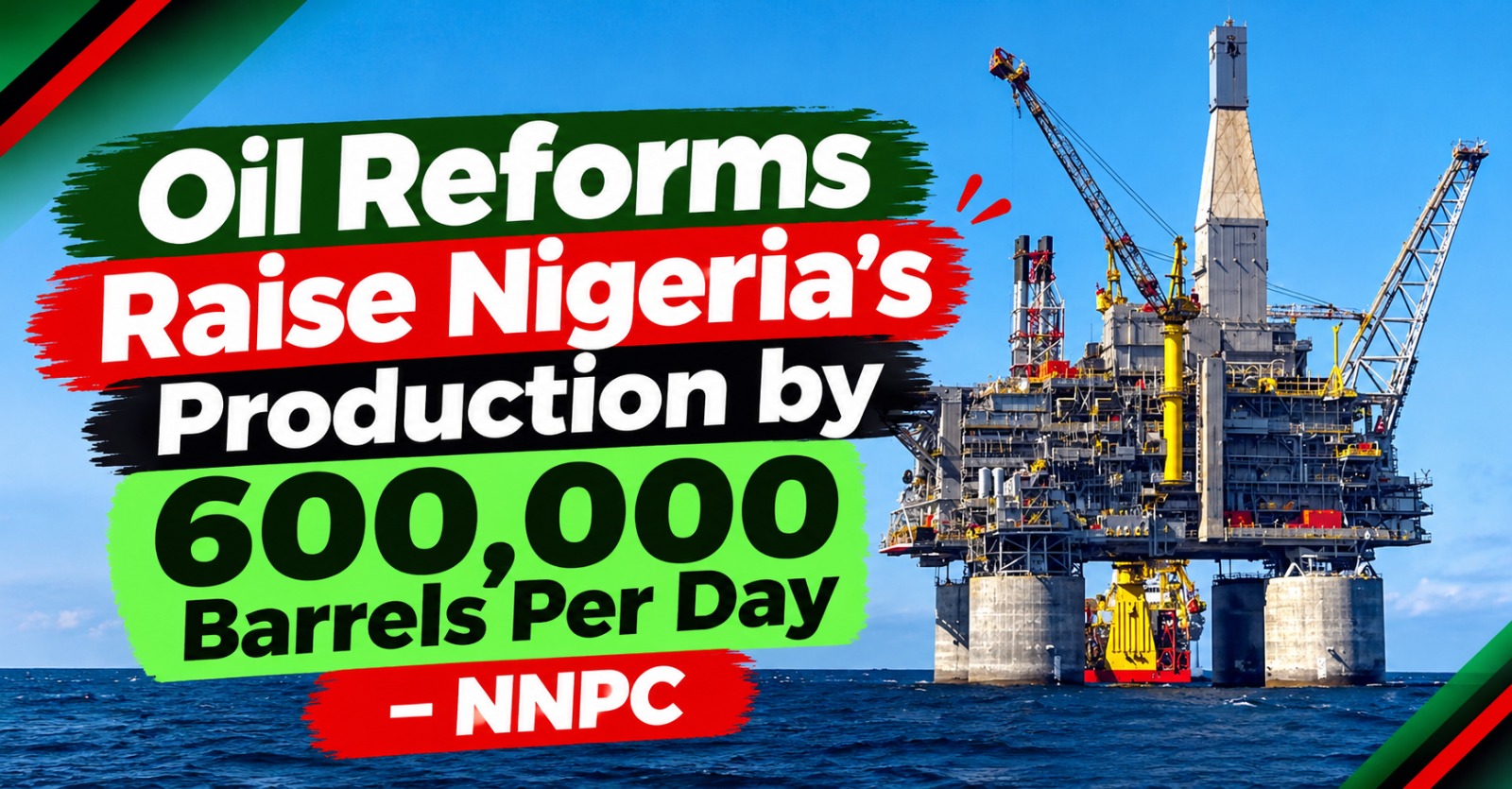
On the domestic front, Nigeria’s crude oil and condensate output averaged 1.7 million barrels per day in August 2026, up from roughly 1.53 million barrels per day earlier in the year. Crude theft and pipeline tapping are easing amid improved security around the Nembe Creek and Trans-Niger Pipeline corridors. Nigerian crude and condensate reserves stand at 37 billion barrels, according to the Nigerian Upstream Petroleum Regulatory Commission.
Nigeria’s available export volume is expected to tighten until crude production moves toward the 2 million barrels per day mark, as more Nigerian crude is directed to domestic refining. Local refining capacity has increased, with state and private refineries, including Dangote, targeting about 1.5 million barrels per day. Nigeria is offloading more light-sweet grades such as Bonny Light, Qua Iboe, and Forcados to the refinery complex and other domestic refining companies over exports to Europe and Asia. Longer-term growth will depend on additional upstream investment in marginal fields, infrastructure protection, and capital to convert discovered resources into production.