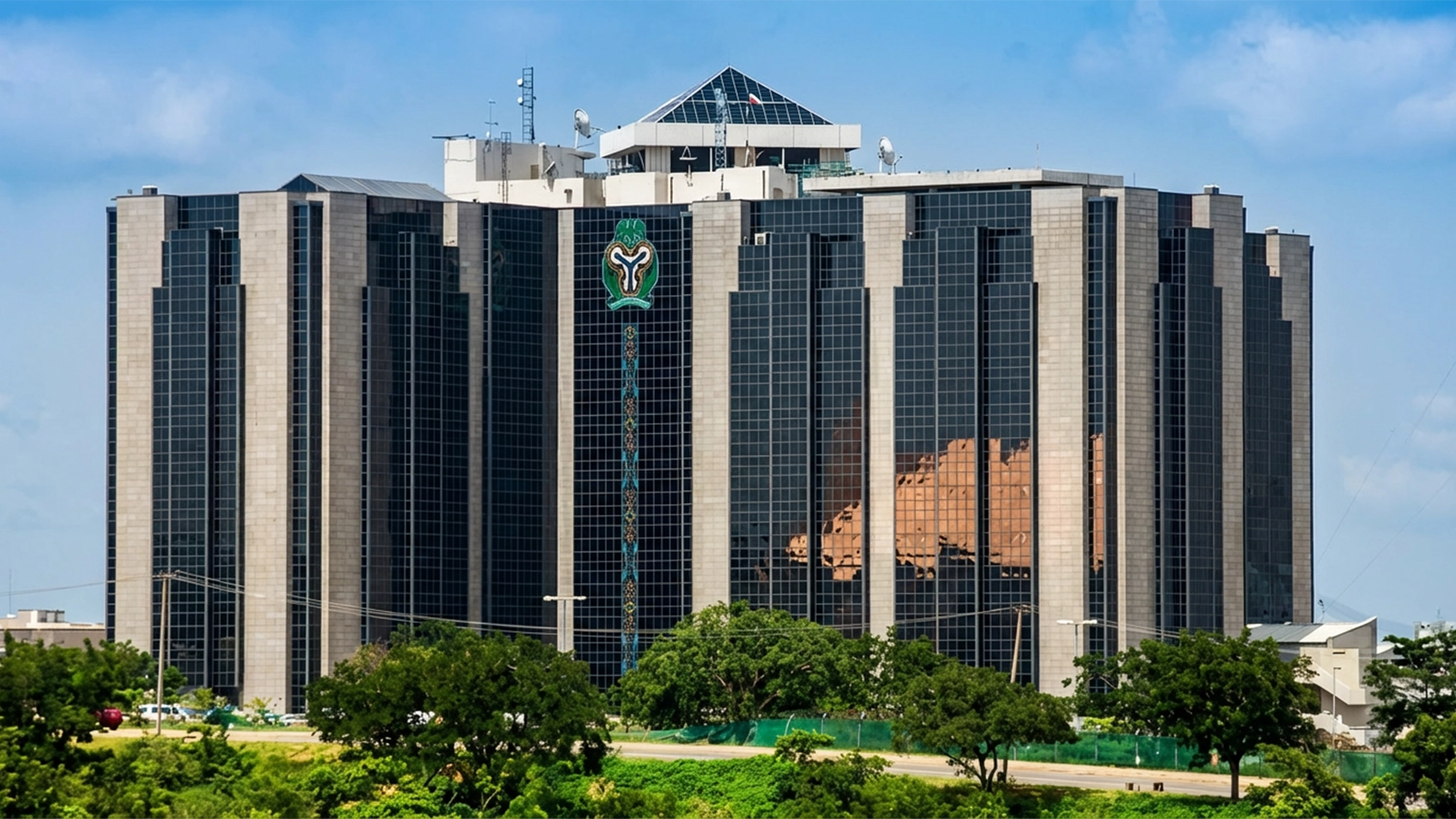
The Central Bank of Nigeria (CBN) has reduced the Monetary Policy Rate (MPR) by 350 basis points to 23 per cent following the 307th meeting of the Monetary Policy Committee (MPC) in Abuja. Governor Olayemi Cardoso announced the decision after a session attended by 11 members. The adjustment lowers the benchmark rate from 26.5 per cent and represents the second reduction this year, taking the MPR to its lowest level since February 2024, when it stood at 22.75 per cent.
Cardoso described the move as a "reset" rather than a cut, linking it to sustained disinflation and improving macroeconomic stability. He stressed that the decision was a recalibration and did not signal a shift in the CBN's monetary policy stance. The committee also reset the corridor around the MPR at +50 basis points and -300 basis points, while retaining the Cash Reserve Requirement for commercial banks at 45 per cent. The CRR for merchant banks was kept at 16 per cent, and the 75 per cent CRR on non-TSA public sector deposits was maintained.
The MPC noted that headline inflation eased for the third consecutive month to 15.39 per cent in August 2026, while real GDP growth improved to 4.43 per cent in the second quarter of 2026. A composite Purchasing Managers' Index of 52.7 per cent was cited as further evidence of stronger economic activity. The committee observed that the simultaneous moderation of major inflation components pointed to easing underlying price pressures rather than temporary movements in individual components.
The CBN said the recalibration was intended to close the gap between the benchmark rate and effective market rates. While the MPR had been held at 26.5 per cent for most of the year, the interbank rate and the Standing Deposit Facility rate were around 22 per cent. Cardoso said there was "a clear disconnect" between the MPR and market rates, adding that the MPR had become the de jure rate while the SDF rate served as the de facto rate. Banks have long used the SDF rate to price transactions, which weakened the transmission of monetary policy decisions to the real sector. The reset is expected to improve monetary policy effectiveness and support the transition to an inflation-targeting framework.
The 350-basis-point reduction is the largest since December 2006, when then-Governor Charles Soludo cut the benchmark rate by 400 basis points from 14 per cent to 10 per cent. The CBN followed with a 200-basis-point reduction in June 2007 and another 200-basis-point cut in July 2009.