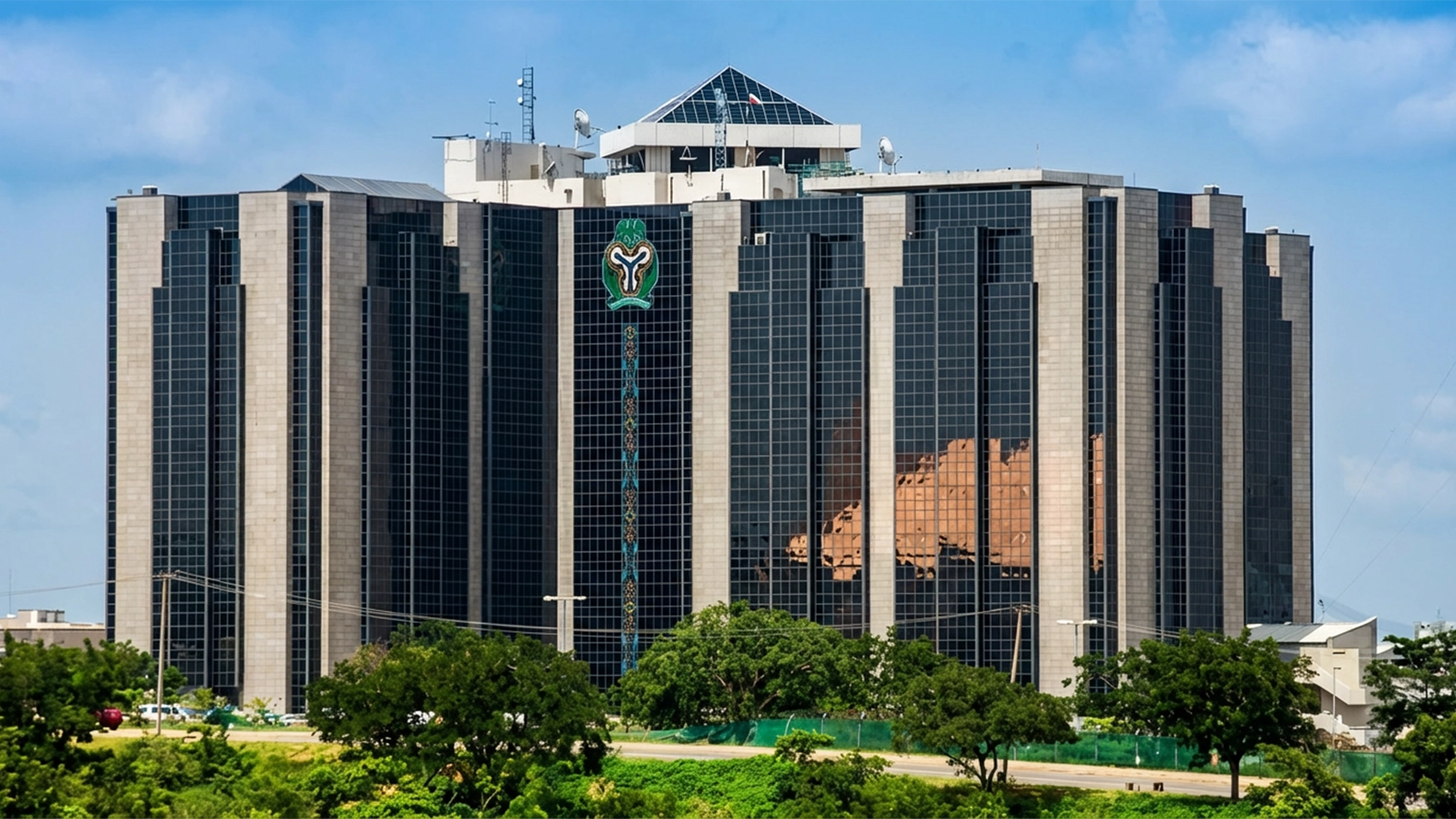
Formal-sector businesses in Nigeria are expected to record a steady improvement in confidence over the next six months, with the Central Bank of Nigeria's Business Expectation Survey projecting that the Business Confidence Index will climb to 36.1 points by February 2027.
The outlook follows a month-on-month rise in the index, which advanced to 14.8 points in August 2026 from 5.7 points in July. Firms linked the brighter sentiment to stronger demand, which accounted for 25.9 per cent of responses, alongside economic diversification at 18.3 per cent and the prevailing monetary policy stance at 14.2 per cent.
The survey indicates that confidence is expected to reach 23.6 points in September 2026 and 30.1 points in November before the projected February 2027 reading of 36.1 points.
Sectoral readings show broad-based improvement. The industry sub-index rose from 11.5 points in July to 17.1 points in August, services moved from 3.6 to 13.3 points, and agriculture strengthened from 3.4 to 13.9 points. Electricity, Gas and Water Supply posted the highest optimism on current operations at 50.0 points, while the Construction sector recorded the strongest expansion outlook at 73.9 points.
Expectations for demand also firmed. The Volume of Total Orders index stood at 20.3 points and the Volume of Business Activity index at 19.7 points. Employment expectations for September remained subdued, with Electricity, Gas and Water Supply the only sector reporting a neutral hiring outlook.
Despite the improved sentiment, firms identified high or multiple taxation as their biggest operating constraint in August, at 67.8 points. Insecurity followed at 66.9 points and high interest rates at 63.5 points. High bank charges at 61.1 points and competition at 59.5 points were also cited, while unclear economic laws and an unfavourable economic climate each recorded 57.7 points.
On the exchange rate, the outlook index stood at 8.5 points in August, rising to 15.1 points for September, 23.5 points over three months and 31.8 points over six months, reflecting expectations of gradual naira appreciation. Borrowing-rate indices remained within the 18–19 point range across outlook periods, suggesting only marginal easing in financing costs.