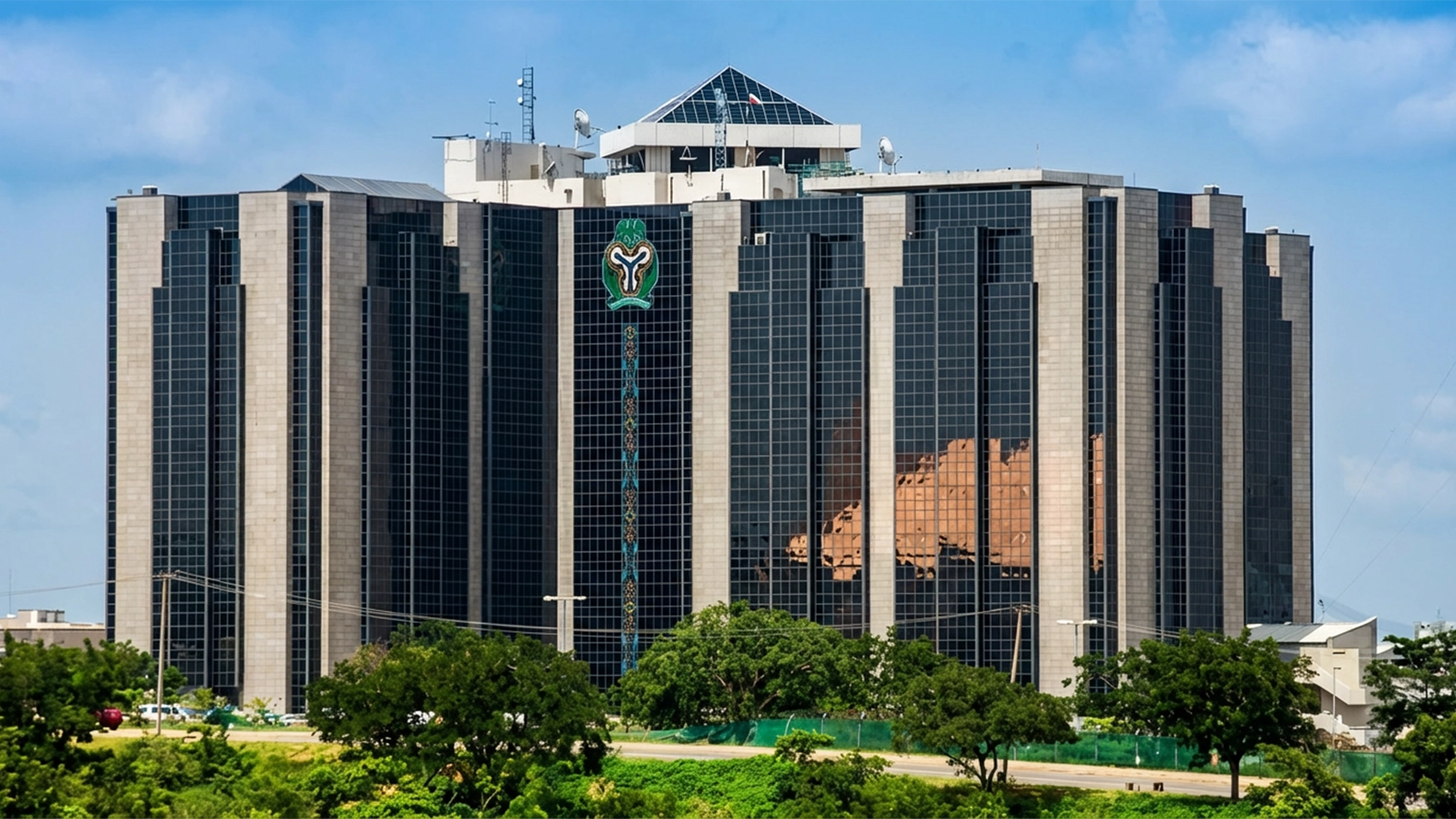
Credit to the government fell for the third consecutive month, dropping to N32.7 trillion in August 2026, according to the latest data from the Central Bank of Nigeria.
The decline coincided with an increase in credit to the private sector, which rose to N84.55 trillion, although it remained below the N94.61 trillion recorded in February 2026. The CBN data did not state whether the contraction in government credit reflected lower borrowing, debt repayments, valuation changes, or other factors.
Government credit eased from N40.03 trillion in June to N33.92 trillion in July and N32.70 trillion in August. Despite the recent slide, the August figure stayed above the N22.95 trillion recorded in August 2025 and the N24.16 trillion recorded in September 2025. It was roughly N7.34 trillion below the June level.
Financial economist Akeen Yusuf said the movement could point to a gradual rebalancing of credit allocation, but cautioned against reading it automatically as a sustained reduction in government borrowing.
He noted that banks have historically favoured government securities because of their comparatively lower risk and predictable returns, especially when yields stay elevated.
"When government borrowing rises significantly, there is always the concern that it could reduce the amount of credit available to the productive sectors of the economy. Banks naturally gravitate toward assets that offer high returns with minimal risk," Yusuf said.
He added that a sustained decline in government credit could create additional room for private-sector lending if accompanied by stronger demand for loans from businesses.
Abuja-based economist Dr Olu Olajemgbesi similarly pointed to the link between government borrowing and private-sector lending, noting that attractive yields on government securities can weaken banks' incentives to lend to businesses.
"When yields on government securities remain attractive, banks have less incentive to take on the higher risks associated with private-sector lending. The result is that government borrowing can grow faster than credit to the real economy," he said.