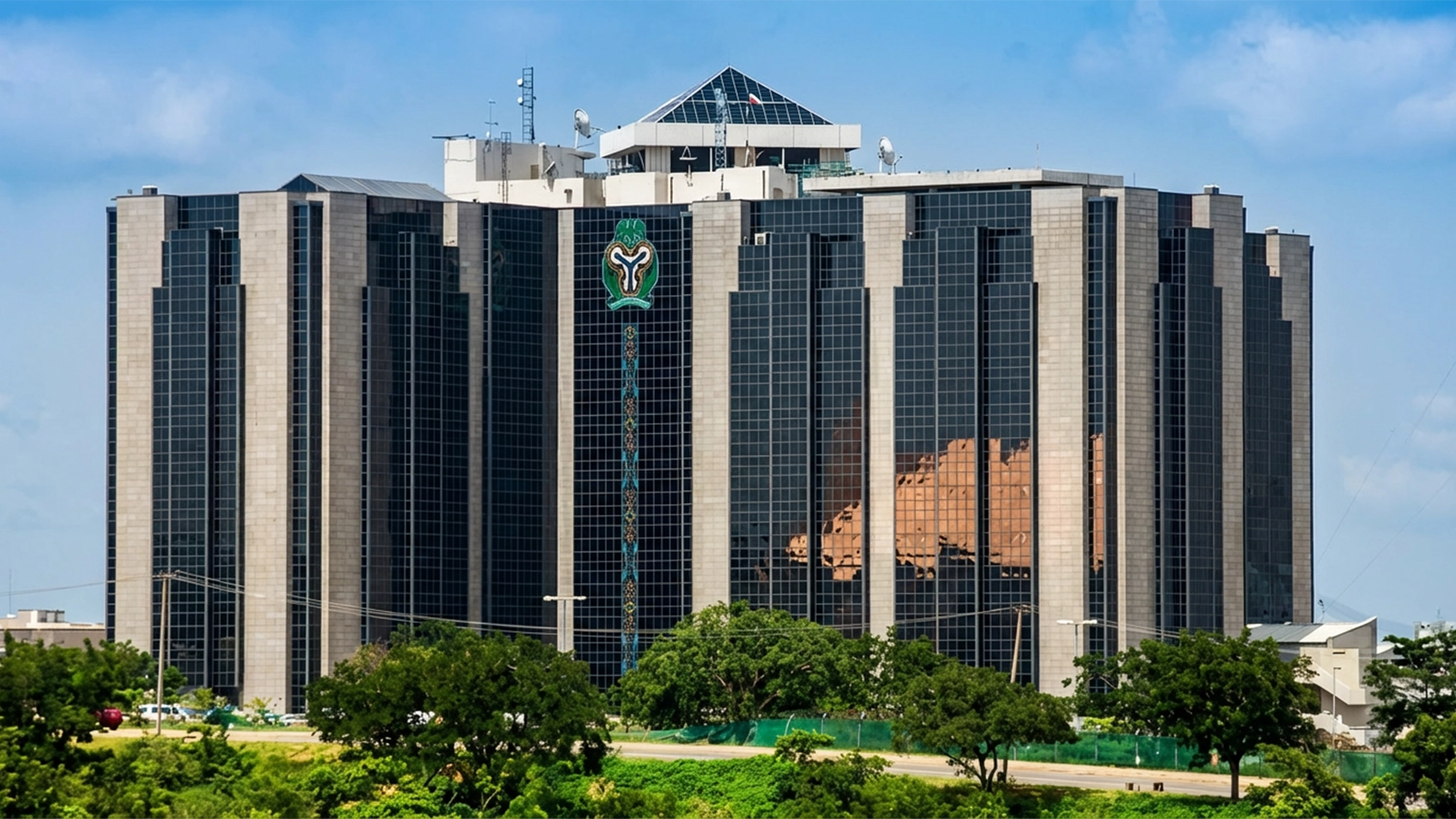
Currency held outside Nigeria's banking system climbed to N4.87 trillion in August 2026, ending three consecutive months of contraction, according to the Central Bank of Nigeria (CBN).
The figure rose from N4.80 trillion in July, a month-on-month increase of N70.9 billion, or 1.48%. The rebound followed a slide from N5.19 trillion in May to N4.92 trillion in June and N4.80 trillion in July, a cumulative three-month drop of about N391.8 billion.
CBN records show currency outside banks stood at N5.25 trillion in January and N5.19 trillion in February, then N5.08 trillion in April and N5.19 trillion in May. The measure subsequently declined for three straight months to N4.92 trillion in June and N4.80 trillion in July, before the August uptick.
Despite the increase, cash outside banks remained N381.3 billion lower than the N5.25 trillion recorded in January. On a year-on-year basis, however, the amount rose by roughly N419.0 billion, or 9.4%, from N4.45 trillion in August 2025. The longer view shows a notable climb from N4.47 trillion in September 2025 to above N5 trillion in January 2026.
The latest movement comes as the CBN pursues a broader shift toward digital payments and deeper financial inclusion. At the launch of the Nigeria Payment System Vision (PSV) 2028 in Abuja, CBN Governor Olayemi Cardoso said the roadmap would build on the country's progress in digital payments while accelerating the development of a more inclusive and technology-driven financial system. Under the strategy, the apex bank aims to reduce cash circulating outside the banking system to below 40% of total currency in circulation. The CBN is also targeting financial inclusion of 95% of the adult population by 2028.
Nigeria has recorded rapid growth in digital payments over the past decade, supported by fintech platforms, mobile money, instant payments and digital banking services.
In a related development, Nigeria's broad money supply (M3) rose to N139.38 trillion in August 2026, a 16.4% increase from N119.69 trillion in August 2025. Broad money captures funds available across the economy, including currency in circulation outside banks, demand deposits, savings and time deposits, and foreign currency deposits. Net domestic assets rose to N101.99 trillion in August from N101.07 trillion in July, an increase of about N925.5 billion.