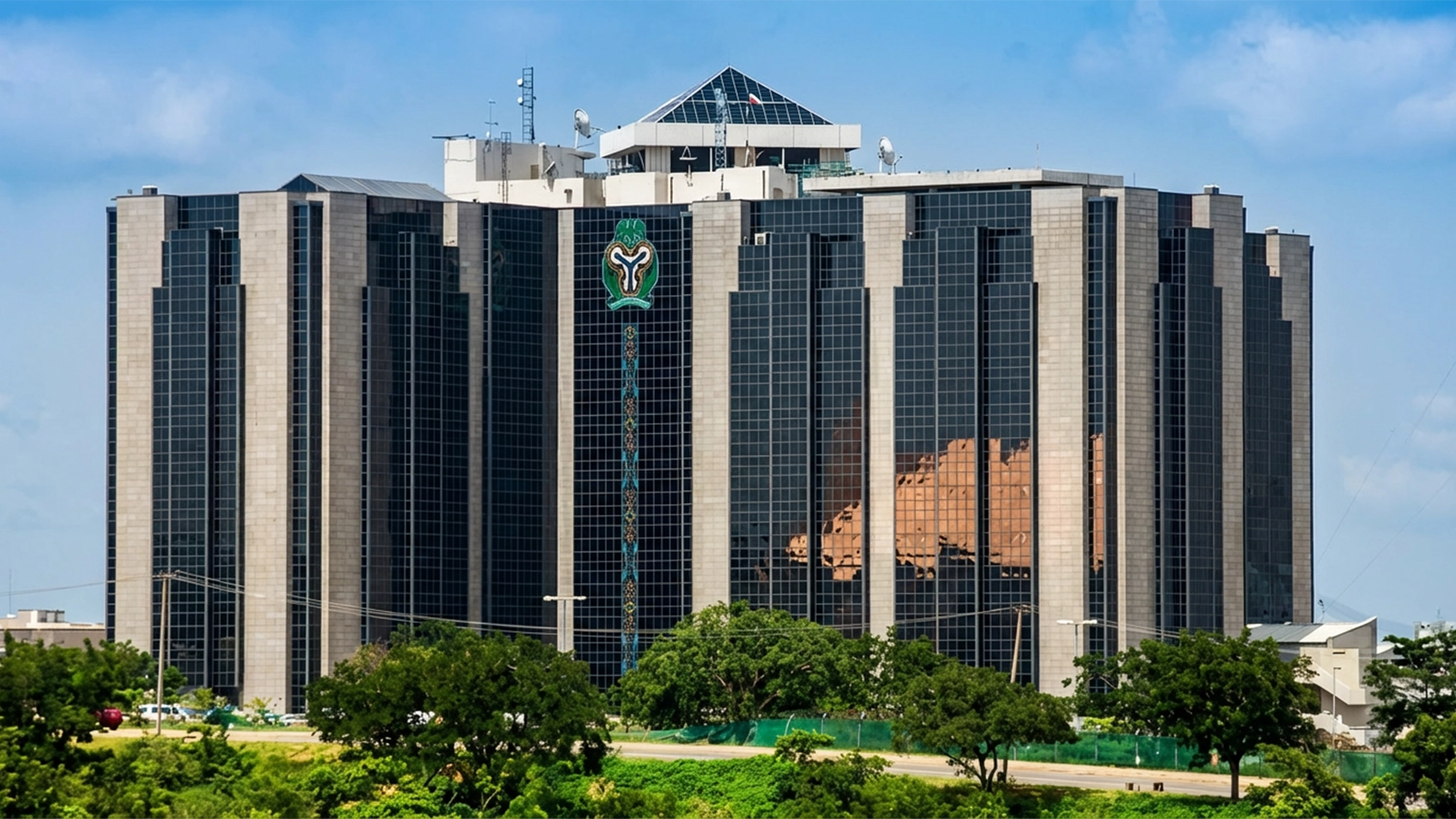
A gradual easing in the pace of price increases has raised expectations that monetary policymakers may begin to reduce interest rates.
Disinflation describes a situation in which inflation is still positive but rising more slowly. Market watchers generally interpret a sustained disinflationary trend as evidence that earlier policy tightening has started to dampen price pressures. In that scenario, central banks often gain room to cut policy rates without reigniting inflation.
For businesses operating in Nigeria, the prospect of lower rates carries significant implications. Elevated borrowing costs have constrained credit access for many firms. A reduction in the benchmark rate could lower the cost of bank lending, ease financing conditions for expansion and working capital, and improve corporate profit margins over time.
The investment environment could also shift. Falling policy rates tend to reduce yields on government securities and other fixed-income instruments. That can prompt portfolio rebalancing as investors reassess returns across money market, bond, and equity assets. For the government, lower yields could reduce domestic borrowing costs when rolling over or issuing new debt.
The trend also has fiscal and revenue dimensions. Inflation affects the real value of tax collections and government spending. When inflation slows, the erosion of purchasing power diminishes, which can support more stable planning for both households and businesses. Improved business conditions may, in turn, strengthen compliance and collections across corporate income tax, value-added tax, and other revenue streams.
Analysts caution that a single inflation reading does not confirm a trend. Central banks typically weigh several indicators, including core inflation, exchange-rate stability, and output growth, before adjusting policy. Market participants will therefore monitor subsequent inflation data and monetary policy statements for signals on the timing and scale of any rate adjustment.
The balance of risks will also matter. If disinflation is driven by weak demand rather than improved supply conditions, policymakers may weigh the need to support growth against the goal of anchoring inflation expectations. Either way, the direction of the current trend has put rate cuts firmly on the agenda for market and business observers.