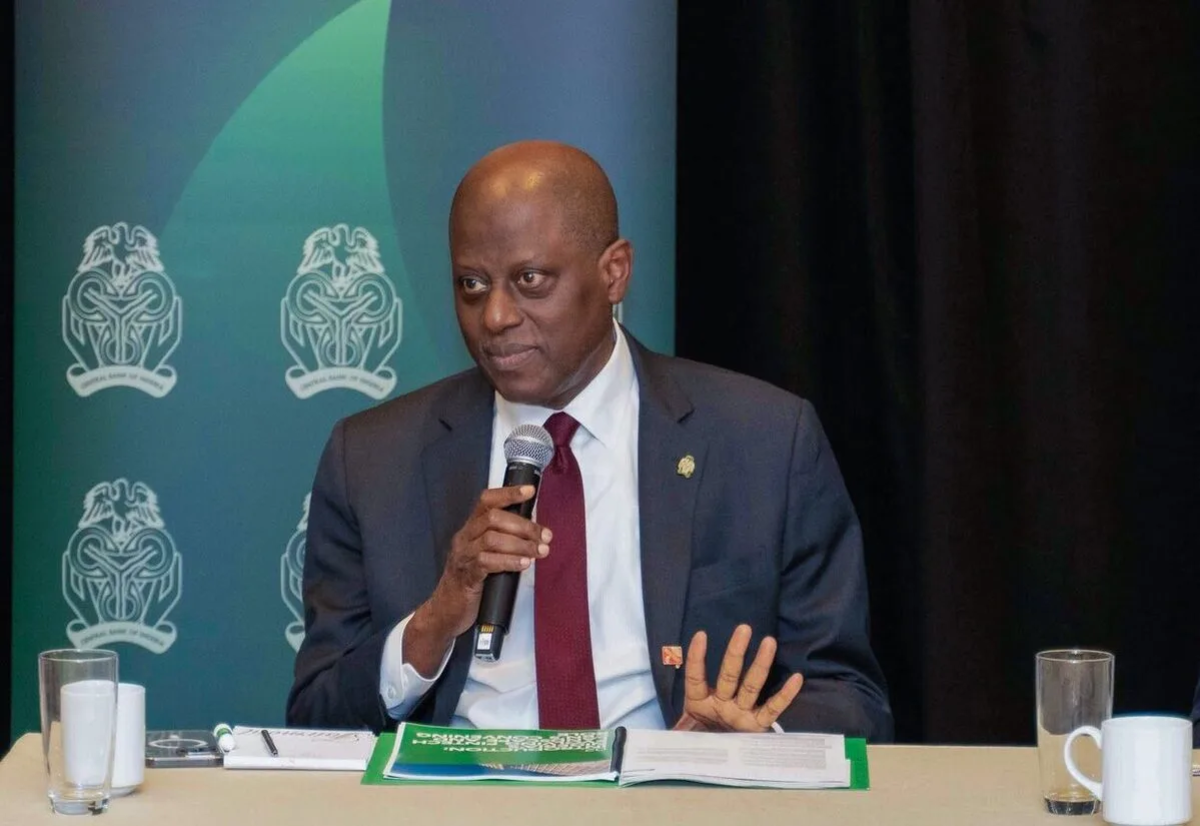
The Federal Government and the Central Bank of Nigeria (CBN) have signed a Memorandum of Understanding (MoU) that formalises coordination between fiscal and monetary authorities, with the goal of improving macroeconomic management and policy consistency. The Federal Ministry of Finance and the CBN executed the agreement in Abuja on Friday.
The MoU establishes a structured framework for regular consultations, information sharing and joint policy assessments. CBN Governor Olayemi Cardoso said the agreement institutionalises a longstanding working relationship between the two institutions and strengthens their capacity to respond to economic challenges and support stability.
Cardoso explained that fiscal and monetary policies operate as complementary tools for managing the economy, since government spending, taxation and borrowing decisions interact with monetary policy actions on liquidity, interest rates and financial conditions. He stressed that the MoU does not create a new relationship, as both institutions have already collaborated on inflation, debt sustainability, budget financing, exchange rate stability and responses to domestic and global shocks.
"What distinguishes today's event is the formal institutionalisation of that collaboration," Cardoso said.
Under the framework, the two authorities will strengthen cooperation in government cash management, debt issuance planning, liquidity forecasting, macroeconomic analysis and periodic policy consultations. Cardoso said the arrangement would provide more predictable channels for engagement and improve the quality of economic decision-making. "It transforms a relationship built on practice into one anchored by clear processes and enduring institutional commitment," he added.
The CBN governor said the agreement was particularly timely as the apex bank advances its transition towards an inflation-targeting framework. He noted that inflation targeting depends not only on effective monetary policy but also on a supportive fiscal environment. Through regular dialogue and coordinated assessments, the institutions are expected to better align their actions, reduce policy trade-offs and develop an operational framework for implementing the MoU.
Finance Minister and Coordinating Minister of the Economy, Taiwo Oyedele, said the agreement recognises the need for coordination while preserving the distinct mandates of fiscal and monetary authorities. "Good economic management requires independence of institutions but independence must not mean isolation," Oyedele said.