The Federal Government has disbursed eight months of salary arrears owed to members of the Senior Staff Association of Nigerian Universities (SSANU), a move that has averted an imminent industrial action by the university workers' union.
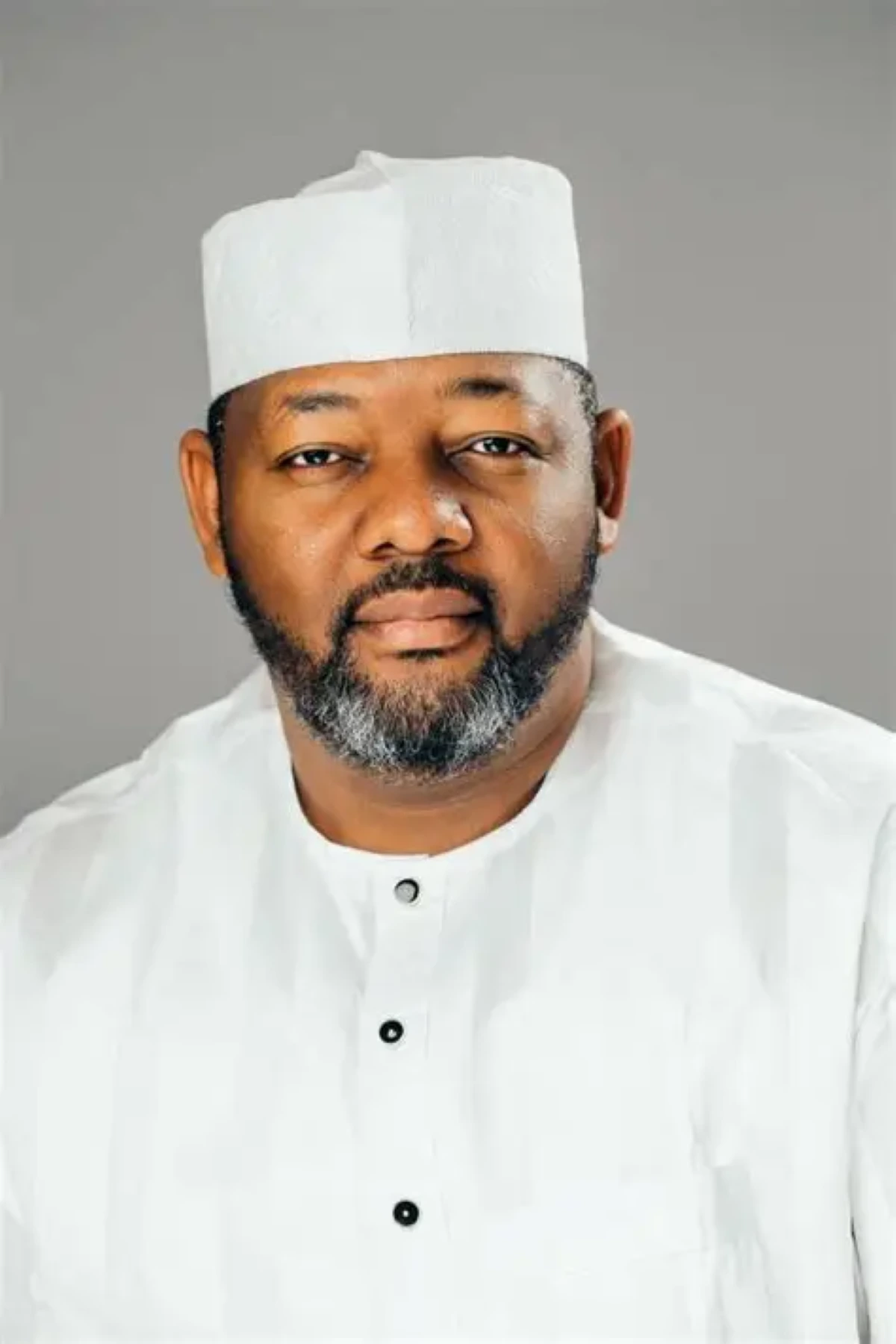
SSANU President Mohammed Ibrahim made the disclosure on Wednesday in Abuja, after the union had issued a 14-day ultimatum over outstanding arrears linked to the implementation of the 2026 FGN/SSANU Agreement. The union had earlier warned that failure to meet its demands within the deadline would trigger a "total, comprehensive and indefinite strike action" without further notice.
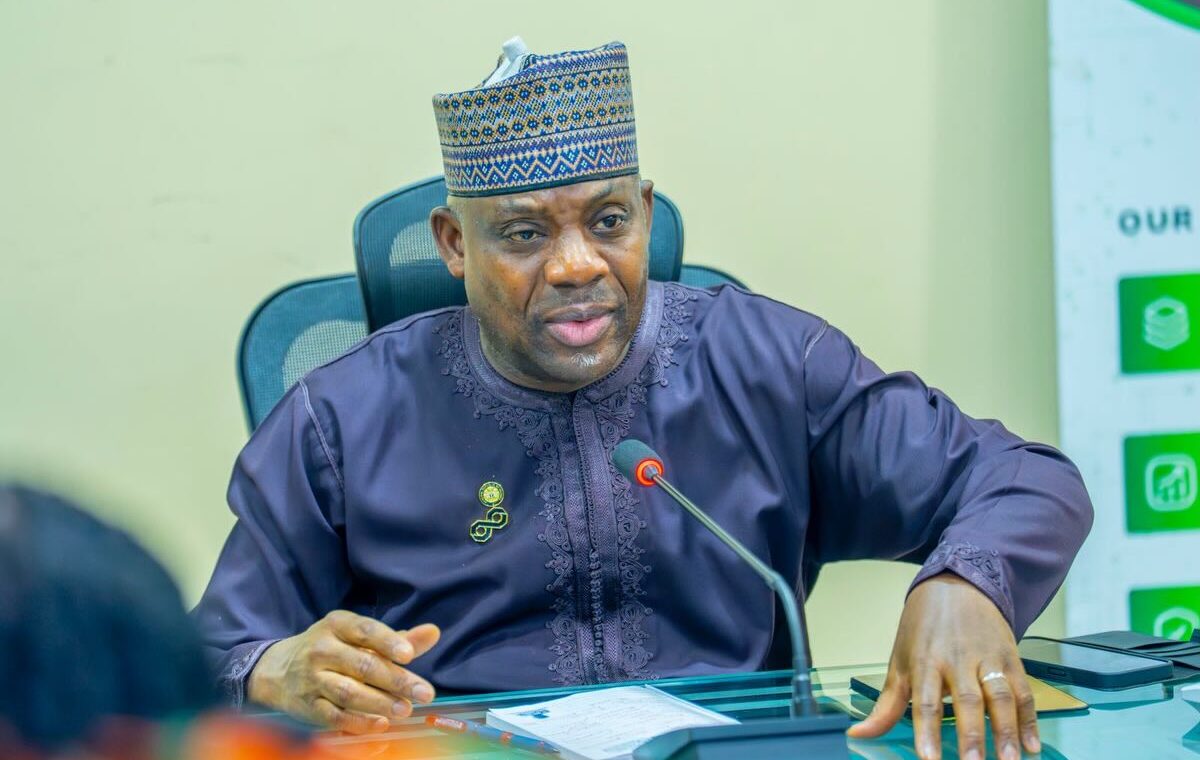
Ibrahim said the release of the funds would help sustain industrial harmony in Nigerian universities. He commended the Federal Government and the Minister of Education, Dr Tunji Alausa, for their intervention.
He urged SSANU members nationwide to engage their respective university managements to ensure the released funds are paid promptly and judiciously, and directed members to report any shortfall or irregularity to the union for appropriate action.
According to Ibrahim, the development shows that constructive engagement between government and university-based unions can produce positive results when backed by prompt action. He described it as "a demonstration that constructive engagement, when matched with prompt action, can protect industrial harmony and workers' welfare." He urged the Federal Government to sustain its responsive approach to implementing agreements and settling outstanding entitlements.
Despite the release, the government still owes members two months' salaries that were withheld during the 2022 industrial action. The government has also not settled one-year arrears arising from the implementation of the 25% and 35% salary increases.
"These are legitimate entitlements of our members and should not be subjected to further delay," Ibrahim said.
He also called on state governments and governing councils of state-owned universities to ensure full and properly funded implementation of agreements reached with university-based unions. He warned that selective or delayed implementation could trigger fresh tensions and undermine industrial harmony across the university system.