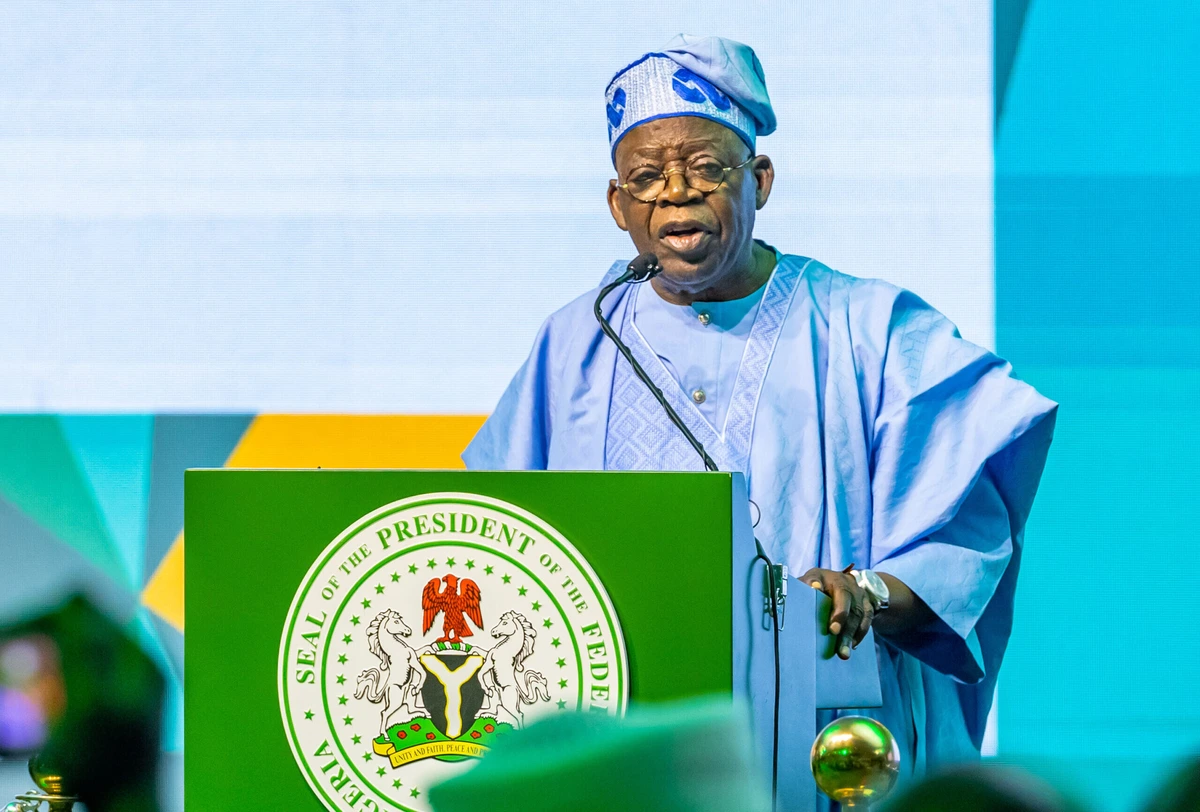
Experts say the Federal Government's free daily data programme could significantly expand access to digital learning for students across Nigeria.
The initiative removes one of the most persistent barriers to online education: the cost of mobile data. For many households, data affordability determines whether learners can stream lessons, download study materials, or use research platforms. A targeted free data allowance could therefore improve learning outcomes, particularly for students in lower-income communities.
Beyond education, the programme carries fiscal and regulatory implications. A government-supported data scheme will require a sustainable funding arrangement, whether through direct budgetary provision, industry collaboration, or a subsidy mechanism. Recurring data costs would add to public expenditure, making it important for authorities to publish cost estimates, eligibility criteria, and monitoring arrangements that prevent leakages and track uptake.
For the telecoms sector, free student data could change consumption patterns and put additional demand on network capacity. Operators and regulators will need to agree on daily data limits, authentication methods, and compliance rules. Clarity on these technical details will influence how smoothly the initiative is implemented.
The measure also intersects with Nigeria's broader digital inclusion agenda. If executed well, it could complement existing efforts to deepen broadband adoption and reduce connectivity costs. It may also stimulate the education technology market, as greater student access to data raises demand for e-learning platforms, digital content, and online tutoring services.
Stakeholders will be watching for details on how the free data will be funded and administered. Without published implementation guidelines or a clear timeline, the full economic and fiscal impact remains uncertain. Observers note that measurable targets and value-for-money assessments will be essential to demonstrate the programme's effectiveness.
The initiative is a signal that connectivity is increasingly treated as a public good, with implications for public spending, regulation, and the commercial landscape of Nigeria's digital economy.