The federal government is moving to align public spending with a single annual budget cycle, a shift that will allow unspent capital expenditure from the 2026 budget to be rolled into 2027.
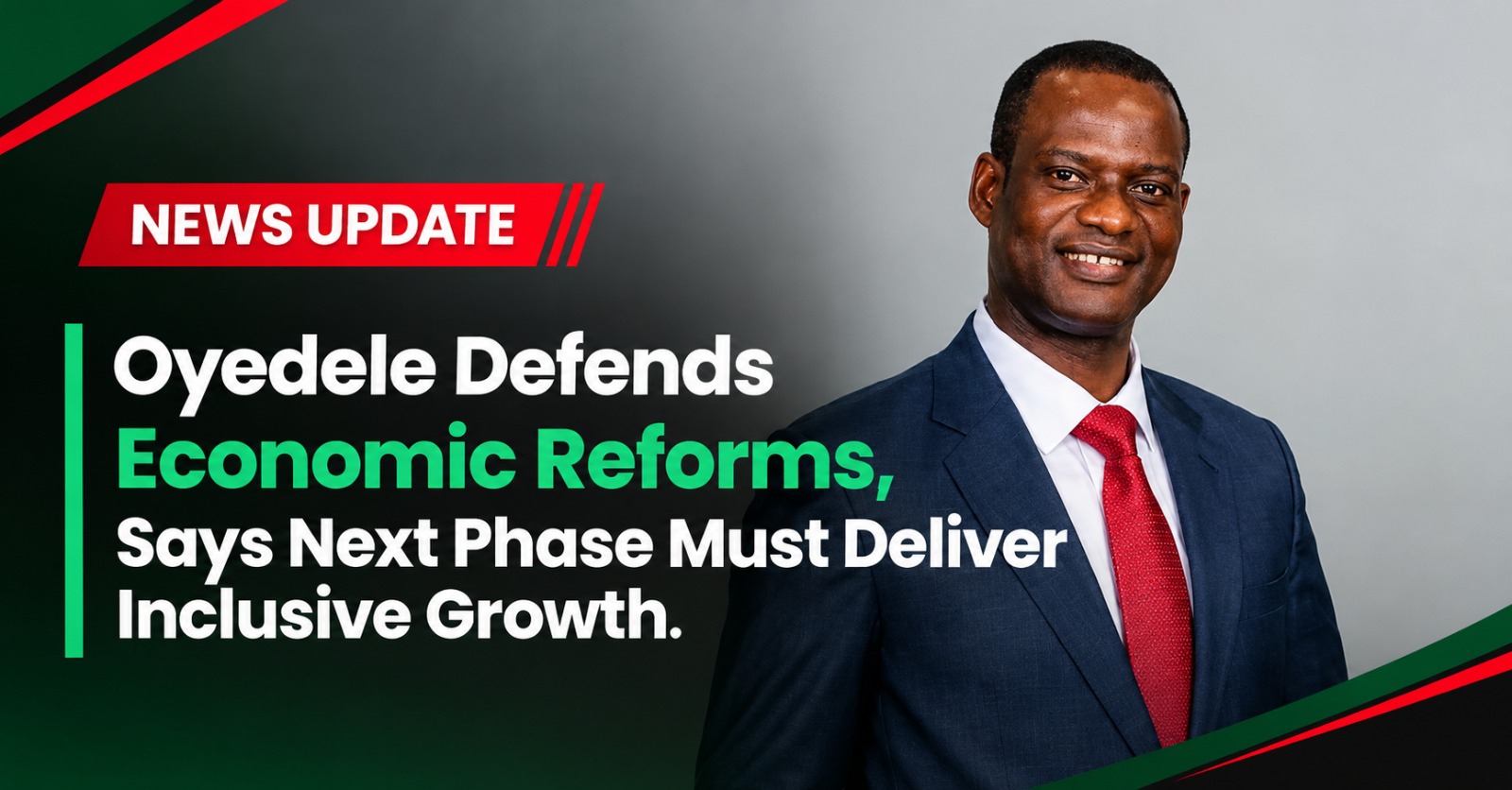
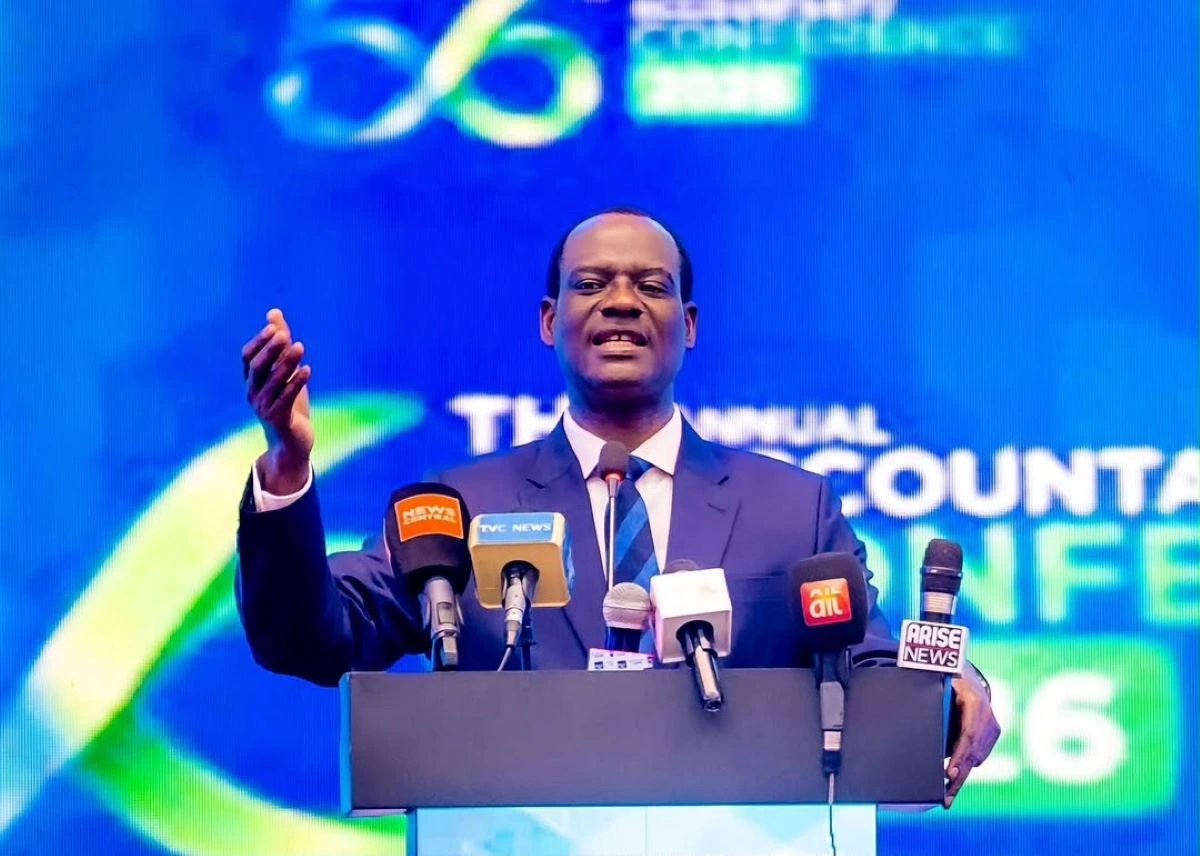
According to a statement issued by the Federal Ministry of Finance on Friday, November 20, 2026, the Minister of Finance and Coordinating Minister of the Economy, Taiwo Oyedele, announced the plan after an Economic Management Team (EMT) meeting held in Abuja on November 18. The meeting reviewed Nigeria's macroeconomic performance and ongoing fiscal reforms.
The ministry said the EMT advanced work to "harmonise and align the budget around more realistic revenue and financing assumptions, with plans to implement as much capital spending as possible in 2026 and carry forward outstanding balances into 2027, while moving Nigeria toward a single annual budget cycle going forward."
The harmonisation is expected to resolve challenges caused by overlapping budget cycles and make government spending more predictable. Officials say the approach is intended to improve budget implementation and strengthen fiscal discipline amid ongoing economic reforms.
The EMT also reviewed progress on the 2027 Finance Bill, which is expected to update Nigeria's tax laws and build on the ongoing tax reform programme. The government said the reforms aim to improve the ease of doing business, lower borrowing costs and direct more financial-sector liquidity into the real economy.
Beyond fiscal matters, the meeting identified food security and price stability as key priorities under a 90-day action plan approved by the National Economic Council and endorsed by the Federal Executive Council. Interventions discussed include stabilising the prices of cassava, yam, maize and rice, improving the delivery of agricultural inputs, reducing post-harvest losses and better targeting government support to agriculture.
On energy, the EMT reviewed the national gas plan and the power sector's 90-day action plan, which targets consistent grid distribution of about 5,500 megawatts in the near term. Proposed measures cover transmission capacity, electricity metering and protection of critical power infrastructure against vandalism and theft.