The Federal Government has released a draft Economic Policy Framework for Nigeria designed to promote policy consistency, strengthen investor confidence and support sustainable economic growth.
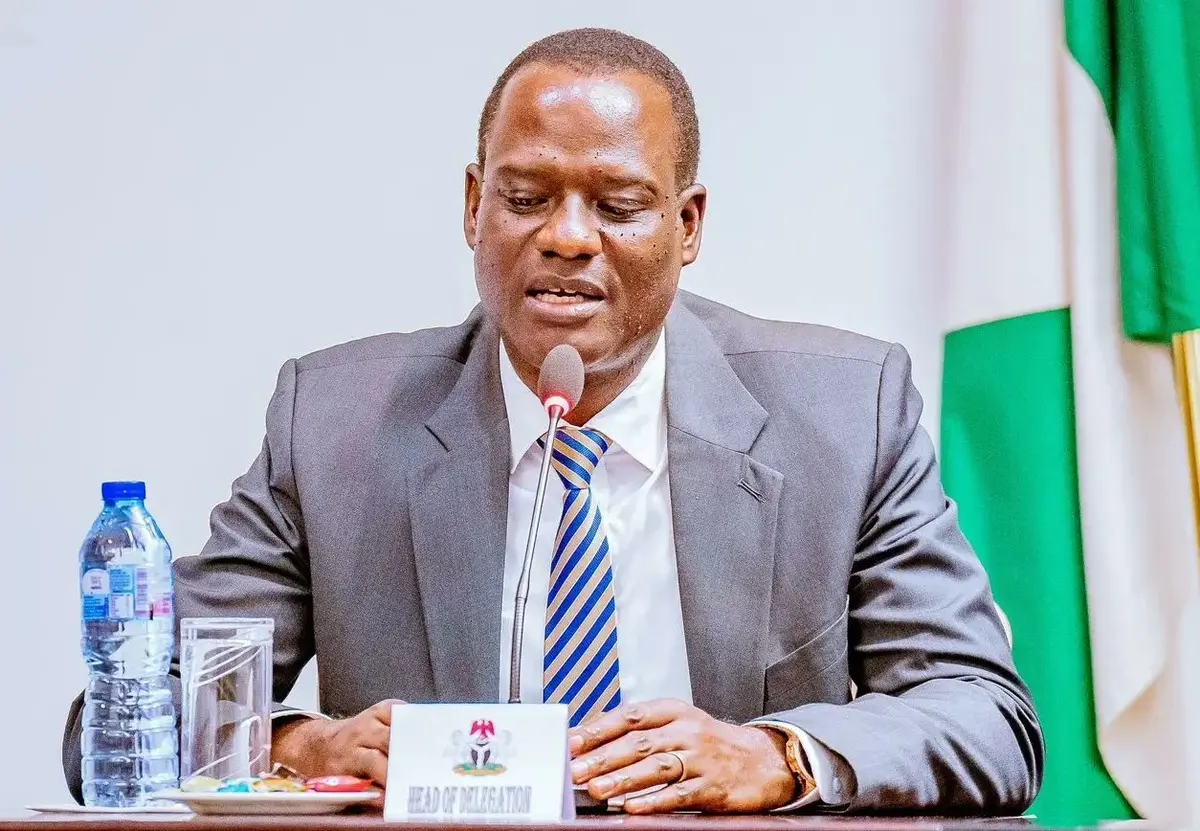
Finance Minister and Coordinating Minister of the Economy Taiwo Oyedele presented the document at the 32nd Nigerian Economic Summit in Abuja on Monday, October 26, 2026. The summit carried the theme “Growth that Works: Delivering Jobs, Productivity and Shared Prosperity.”
The framework is intended to guide government plans, budgets and policies irrespective of the administration in office, creating a long-term basis for economic decision-making. Oyedele argued that Nigeria’s principal economic challenge was not a shortage of development plans but the absence of an enduring economic philosophy and disciplined implementation. He said frequent policy reversals, inadequate consultations and decisions unsupported by credible data had weakened businesses, discouraged investment and limited job creation.
“Policy uncertainty is an invisible tax on enterprise and unlike most taxes it generates no revenue for government. It only destroys value and discourages investment,” he said.
The minister described the framework as neither a development plan, a catalogue of capital projects nor a political manifesto, but a national economic doctrine meant to guide economic decisions.
“Our vision is simple but profound: a productive, competitive, diversified and inclusive economy that delivers quality jobs, expands real household incomes and creates shared prosperity,” he said.
He added that economic progress should be measured by improvements in citizens’ livelihoods, including productive employment, higher agricultural yields and the growth of small businesses. While gross domestic product growth remained important, improvements in per capita income and domestic capital formation were also essential to translating economic expansion into better living standards.
The minister identified seven interconnected systems underpinning the framework: stability, productivity, enterprise, capital, people, markets and institutions. He said these systems must function together to build a resilient economy, supported by efficient infrastructure, logistics, education, healthcare and human capital development.